

We may earn a commission when you buy through links on this page, at no extra cost to you. Learn more.
Proxies wine is an alcohol-free wine alternative created in Toronto, Canada by the fermentation and culinary company Acid League, built from scratch with Niagara grape verjus, brewed teas, fruit juices, spices, and botanicals rather than dealcoholized wine. Instead of fermenting traditional wine and stripping out the ethanol afterward, the producers layer culinary ingredients to replicate the acidity, tannic grip, body, and finish of red, white, rosé, and sparkling wines. Each bottling sits at 0.0 percent ABV, contains zero added sugar, and is specifically formulated to pair with food at the dinner table.
For drinkers looking at wine brands in the zero-proof aisle, Proxies occupies a distinct category that its founders describe as “wine, but not.” Because it bypasses traditional alcoholic fermentation entirely, it behaves quite differently in the glass than conventional alcohol-removed bottles—offering sharp acidity, savory tea tannins, and complex aromatics designed for culinary pairing rather than casual solo sipping.
Who Makes Proxies Wine and How It Started
Proxies originated in late 2020 within Acid League, a Toronto-based fermentation and living-vinegar company co-founded by Scott Friedmann alongside two food scientists from the University of Guelph and a designer. Charlie Friedmann later joined the venture to lead marketing and co-found Proxies as a dedicated beverage line in 2021, building on the parent company’s expertise in acidity and flavor layering.
Rather than purchasing bulk fermented wine and running it through vacuum distillation or spinning cone columns, the team works from a blank culinary canvas. Most bottles start with unfermented verjus pressed from wine grapes harvested in Ontario’s Niagara region, produced annually to the company’s specifications. From there, the makers blend specific varietal juices, steeped teas, fruit extracts, bitters, and spices to construct the structural sensations wine drinkers expect.
In coverage by Wine Enthusiast, beverage experts note that this bottom-up method rebuilds the essential sensory components of wine—tannin, acid, and weight—instead of stripping them away during alcohol removal. The approach quickly drew attention from fine-dining figures, leading to custom culinary collaborations with chefs and sommeliers such as Sean Brock, Dominique Crenn, and André Hueston Mack.
What Is Inside a Bottle of Proxies
Every Proxies release relies on a structured formula where specific botanical, tea, and fruit ingredients stand in for the chemical compounds normally created by yeast fermentation and oak aging. The drinks are plant-based, contain no added sugar, and carry a shelf life of roughly 18 months.
Acidity comes primarily from Niagara white or red wine grape verjus, citrus juices, and specialty vinegars, providing the mouthwatering lift that keeps a pour from tasting like flat fruit juice. To create astringency and mid-palate grip, the makers steep loose-leaf teas such as Bai Mu Tan white peony tea, milk oolong, sencha, jasmine tea, cascara, and Chinese black tea, occasionally alongside roasted chicory root or black malt.
Aromatic depth and warmth come from spice distillates, bitters, and botanical extracts rather than ethanol heat. Depending on the style, ingredient lists include black peppercorn, cayenne, habanero, galangal, ginger, makrut lime leaf, juniper, gentian, quassia bark extract, aged mandarin peel, and even sea salt or kombu for savory minerality.
The Proxies Lineup and Flavor Profiles
The core Proxies portfolio spans still reds, crisp whites, aromatic rosés, and sparkling cans, alongside limited-edition sommelier and chef collaborations. While each bottle mirrors the structure and occasion of a classic wine style, reviewers emphasize that they taste like layered culinary beverages rather than exact grape-for-grape replicas.
According to producer specifications compiled by Beyond Wine, the flagship lineup pairs distinct tea bases and spice extracts to match specific wine archetypes:
| Release Name | Wine Archetype | Key Base & Tea Ingredients | Notable Aromatics & Spices |
|---|---|---|---|
| Big Red | Full-bodied red | Red grape juice, cascara, black malt, hibiscus, chicory root | Blackberry, cherry, black peppercorn, cayenne, brandy barrel extract |
| Blanc Slate | Textural white | Niagara white grape verjus, Bai Mu Tan white peony tea | Apricot, grapefruit, lemongrass, galangal, makrut lime, habanero |
| Crisp White | Zesty white | White grape verjus, green tea, peach, pineapple | Aged mandarin peel, ginger, lemon, quassia bark extract, sea salt |
| Gold Crush | Rich aromatic white | White grape verjus, white peony tea, milk oolong | Juniper, fennel, makrut lime, gentian |
| Brut Rosé | Dry sparkling rosé | White grape juice, sencha, jasmine tea, raspberry | Lemon peel, ginger extract, sea salt |
| Bellini | Fruity sparkling | White grape verjus, peach, raspberry | Quassia bark extract, sea salt |
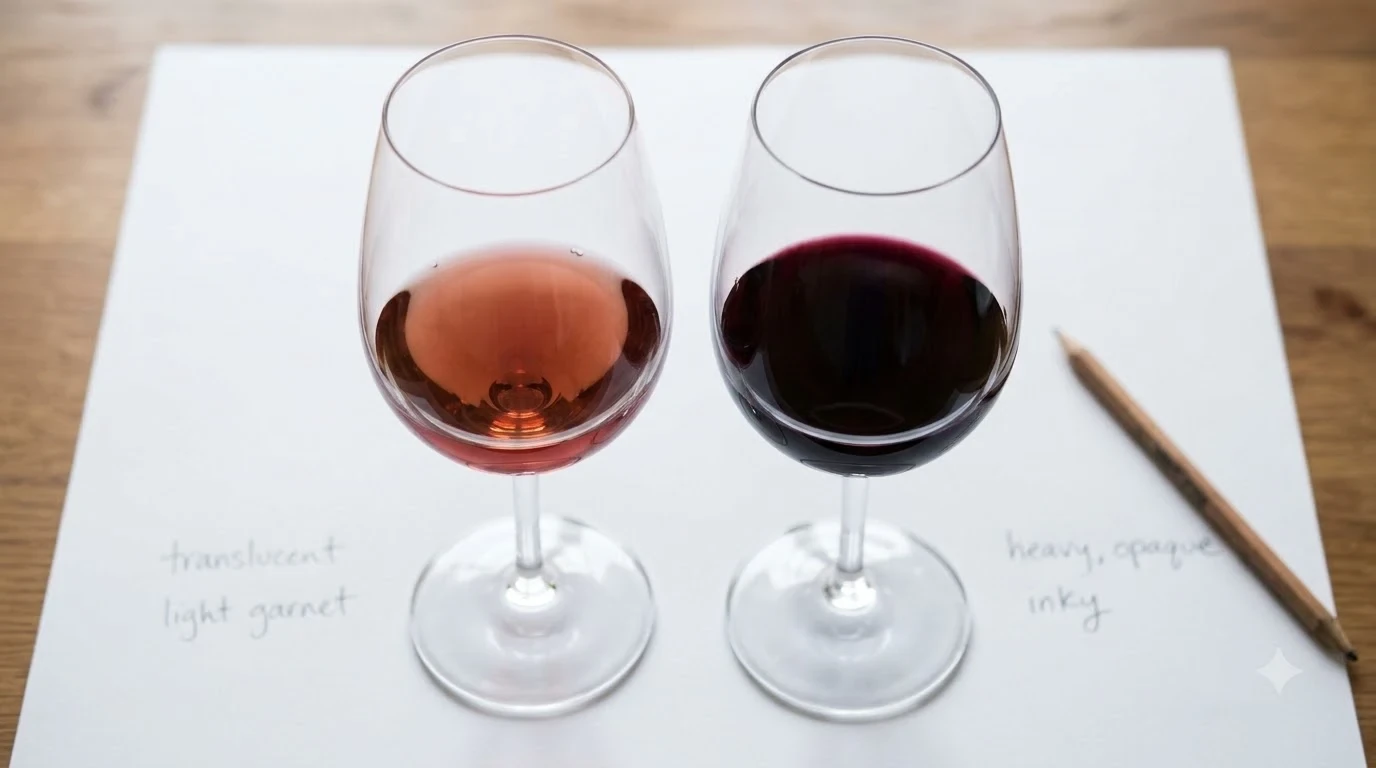
In the glass, dark releases like Big Red or limited bottles such as Nightshade and Velvet deliver dark berry fruit backed by bitter cocoa-like malt, tea tannins, and a gentle peppery warmth at the back of the throat. White and rosé expressions lean bright, herbaceous, and floral, balancing stone fruit or citrus against earthy green tea astringency and a faint, savory salinity.
Proxies Wine vs. Dealcoholized Wine
Understanding how Proxies differs from traditional alcohol-removed wine helps set realistic expectations before pulling a cork or twisting a cap. Both sit in the non-alcoholic wine category, yet they take opposite production paths and deliver noticeably different sensory results.
Traditional alcohol-free bottles—such as Ariel wine—start as conventional fermented wine made from wine grapes and yeast, and then undergo physical dealcoholization to remove the ethanol down to below 0.5 percent ABV. While that process preserves authentic fermentation esters, removing alcohol often strips away body, aroma, and texture, which producers sometimes compensate for with added grape concentrate or sugar.
Proxies never undergoes alcoholic fermentation in the first place, meaning there is no risk of residual alcohol from incomplete dealcoholization and no cooked or stripped flavors from vacuum distillation. The trade-off is that a glass of Proxies will not taste like a classic Napa Cabernet or Chablis; instead, it offers an assertive, tart, tea-and-spice complexity closer to a fine-dining non-alcoholic pairing flight.
How to Serve and Pair Proxies with Food
Proxies is explicitly engineered as a table beverage, meaning its high acidity, tannic tea structure, and savory spice notes shine brightest alongside food rather than on an empty palate. Serving temperature and glassware play an important role in bringing those layered botanicals into focus.
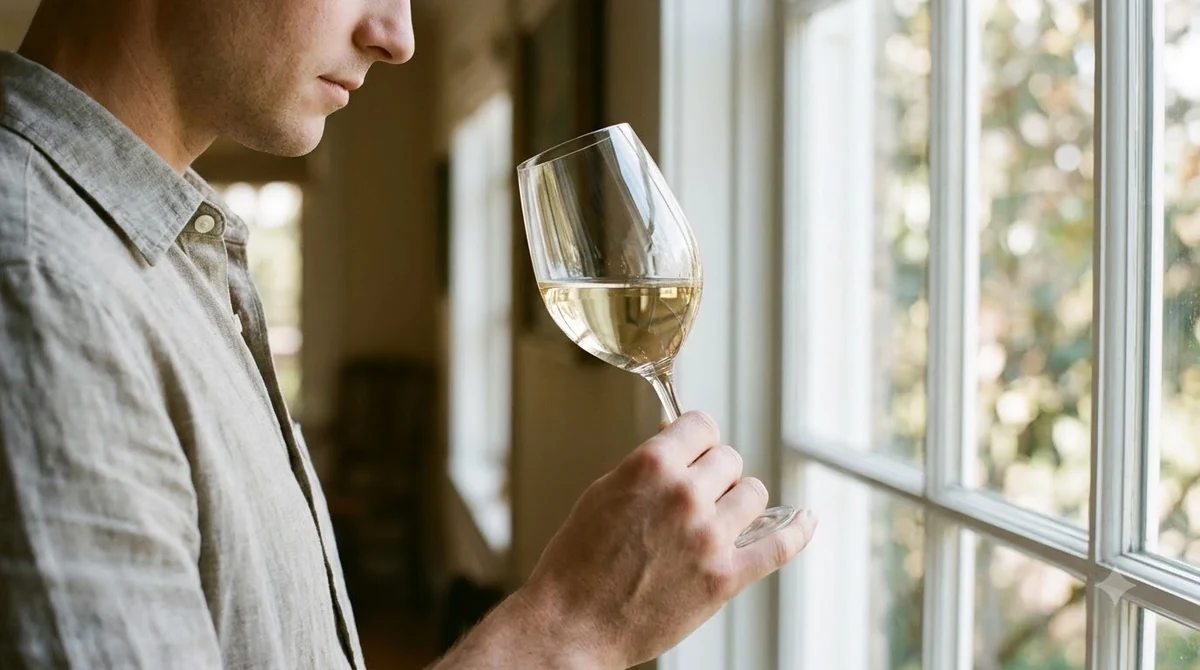
Chill white, rosé, and sparkling releases thoroughly in the refrigerator before pouring, and give fuller red blends a light cellar chill so the berry fruit stays crisp and the spice extracts do not overwhelm the nose. Pouring into standard stemmed wine glasses helps concentrate the delicate tea, floral, and citrus aromatics that can get lost in a tumbler.
Tip: Treat opened bottles like fresh culinary infusions—reseal them tightly with a wine stopper and store them in the refrigerator, where the bright acidity and tea tannins hold up well over several days.
Because the flavor profiles are built around culinary acids and spices, food pairings work best when you match intensity and bridge shared ingredients:
- Full-bodied red blends (Big Red, Velvet, Nightshade): Pair with charred meats, mushroom ragù, aged hard cheeses, cured charcuterie, or smoky braised dishes where the cascara, black malt, and peppercorn notes mirror savory Maillard flavors.
- Zesty and textural whites (Crisp White, Blanc Slate): Serve alongside ceviche, grilled shrimp, roasted root vegetables, Thai or Vietnamese herb-driven dishes, and creamy goat cheese that softens the sharp Niagara verjus acidity.
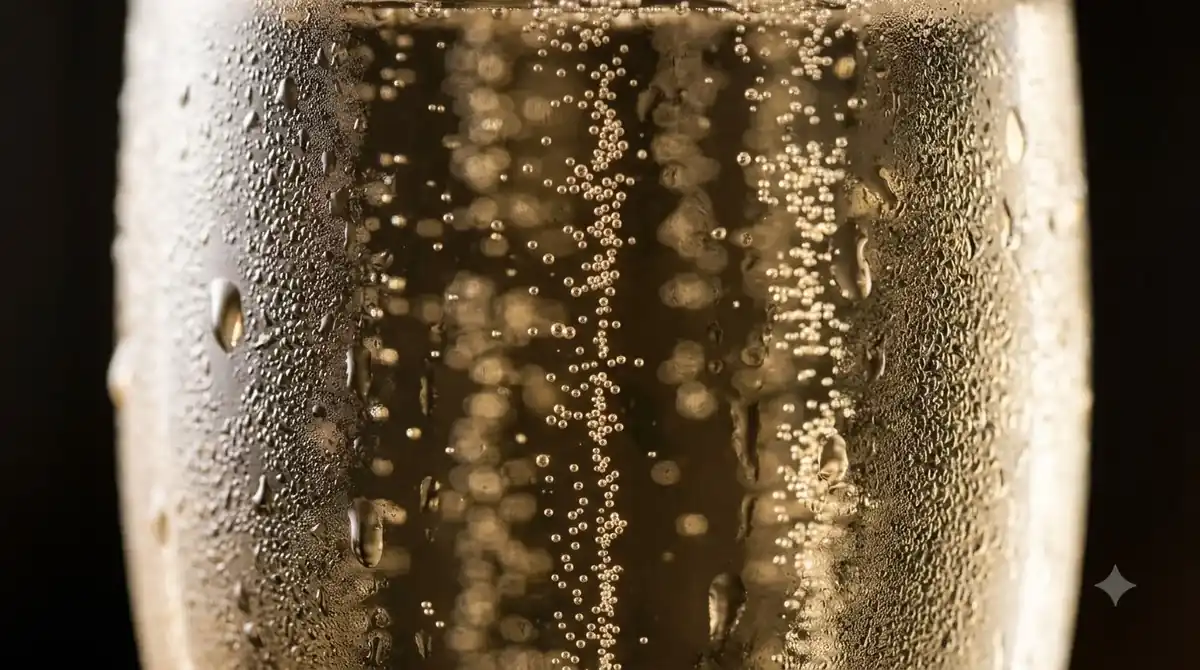
- Rosé and sparkling cans (Brut Rosé, Bubbly White): Match with salty appetizers, oysters, fried snacks, summer salads, or spicy tacos where carbonation and subtle sea salt cleanse the palate between bites.
Who Proxies Wine Suits Best
Proxies appeals most to food-focused drinkers, hosts, and wine enthusiasts who miss the ritual and gastronomic structure of wine at dinner without wanting alcohol or high sugar. Anyone who enjoys amari, bitter aperitifs, unsweetened iced teas, shrubs, or kombucha will immediately appreciate the layered, savory-tart balance in every pour.
Conversely, drinkers expecting an exact one-to-one flavor duplicate of traditional Chardonnay or Pinot Noir—or those looking for a sweet, easy-drinking fruit spritzer—often find the pronounced verjus tang and tea bitterness surprising at first sip. Much like exploring a conventional table blend such as 14 Hands Hot to Trot wine or an organic everyday white like Avaline white wine, approaching Proxies with curiosity about its specific ingredients and a good meal on the table makes all the difference.
Frequently Asked Questions
Does Proxies wine contain any alcohol?
No, Proxies contains 0.0 percent alcohol by volume. Unlike dealcoholized wines that start as fermented wine and have ethanol removed afterward, Proxies is blended directly from unfermented Niagara grape verjus, juices, teas, and botanical extracts without alcoholic fermentation.
Does Proxies actually taste like real wine?
Proxies replicates the structural sensations of wine—such as tart acidity, drying tea tannins, body, and a long finish—rather than the exact flavor of fermented grapes. Most reviewers describe it as a complex, culinary wine alternative that feels right at home in a wine glass alongside dinner.
How much sugar is in Proxies wine?
Proxies bottles are made with zero added sugar and remain low in naturally occurring sugars derived from their fruit juice and verjus bases. Because they balance fruit with bitter teas, roots, and acidic verjus, the finish reads dry and crisp rather than sweet.
How should you store Proxies before and after opening?
Unopened bottles can be stored in a cool, dark pantry for up to 18 months from production. Once opened, recap or stopper the bottle tightly and keep it refrigerated to preserve the fresh botanical aromatics and bright acidity over several days.
By building flavor from Niagara verjus, steeped teas, and culinary spices rather than removing alcohol from finished wine, Proxies offers a distinctly gastronomic take on zero-proof drinking. Whether poured for a multi-course dinner party or a weeknight meal, it rewards drinkers who treat it as its own craft beverage category designed for the table.
More in Wine Brands
 Underwood Wine Price: Compare Bottles, Cans, and Pack SizesUpdated Nov 21, 2026
 Zenato Wine Price: Compare Styles and Choose the Right BottleUpdated Nov 21, 2026
 Zuccardi Wine Price: Compare Bottles and Find the Right RangeUpdated Nov 21, 2026
 Yellow Tail Moscato Review: Taste, Sweetness and Serving TipsUpdated Nov 21, 2026
 Wolf Blass Yellow Label Review: Choose Your Best StyleUpdated Nov 21, 2026
 Wolffer Estate Rose Review: Choose the Right Bottle for Your TableUpdated Nov 21, 2026