


We may earn a commission when you buy through links on this page, at no extra cost to you. Learn more.
Pouilly fuisse tasting notes are defined by ripe orchard and white stone fruits—such as white peach, pear, and crisp apple—layered over bright citrus, toasted hazelnut, and a distinct wet-stone minerality. Produced exclusively from 100% Chardonnay in the southern Mâconnais subregion of Burgundy, France, this dry white wine balances opulent, rounded texture with vibrant natural acidity. Depending on winemaking choices, individual bottles can lean crisp and flinty or creamy with subtle hints of buttered brioche, acacia blossom, and honey.
Often celebrated as the flagship white wine of southern Burgundy, Pouilly-Fuissé bridges the gap between the sun-drenched generosity of Mâcon-Villages and the structured, limestone-driven precision of the Côte de Beaune further north. Whether you are opening a stainless-steel-aged village bottling or a barrel-fermented Premier Cru, knowing what to look for in the glass helps you spot quality and plan the ideal meal around it.
What Is Pouilly-Fuissé?
Pouilly-Fuissé is a prestigious French white wine appellation (AOC) located in the Mâconnais district of southern Burgundy, crafted solely from Chardonnay grapes. Established as an official appellation in 1936, it produces dry, medium- to full-bodied white wines known for combining rich fruit character with a clean, mineral backbone.
A frequent point of confusion for shoppers is mixing up Pouilly-Fuissé with Pouilly-Fumé. Despite their nearly identical names, the two wines share almost nothing in common. Pouilly-Fumé hails from the Loire Valley and is made from 100% Sauvignon Blanc, yielding high-acid, herbal, and smoky wines. Pouilly-Fuissé, by contrast, is pure Burgundian Chardonnay, offering a broader mouthfeel, rounder stone fruit, and softer, creamier edges. If you are still getting comfortable with French labels, reviewing how to pronounce pouilly fuisse can make ordering at a restaurant or wine shop much easier.
In November 2020, the appellation reached a major milestone when French wine authorities officially recognized 22 vineyard sites—known locally as Climats—as Pouilly-Fuissé Premier Cru. Prior to this historic classification, Pouilly-Fuissé had no Premier Cru tier at all, meaning even its finest single-vineyard bottles carried the standard village designation. Today, labels bearing the Premier Cru designation signal fruit harvested from the appellation’s top limestone slopes, which generally deliver greater concentration, structural tension, and aging potential.
Flavor Profile and Winemaking Styles
In the glass, Pouilly-Fuissé displays a brilliant color ranging from pale straw gold to deeper golden yellow, often flecked with youthful green highlights. Its aromatic profile unfolds in distinct layers that reflect both the warm southern Burgundian climate and the winemaker’s cellar decisions.
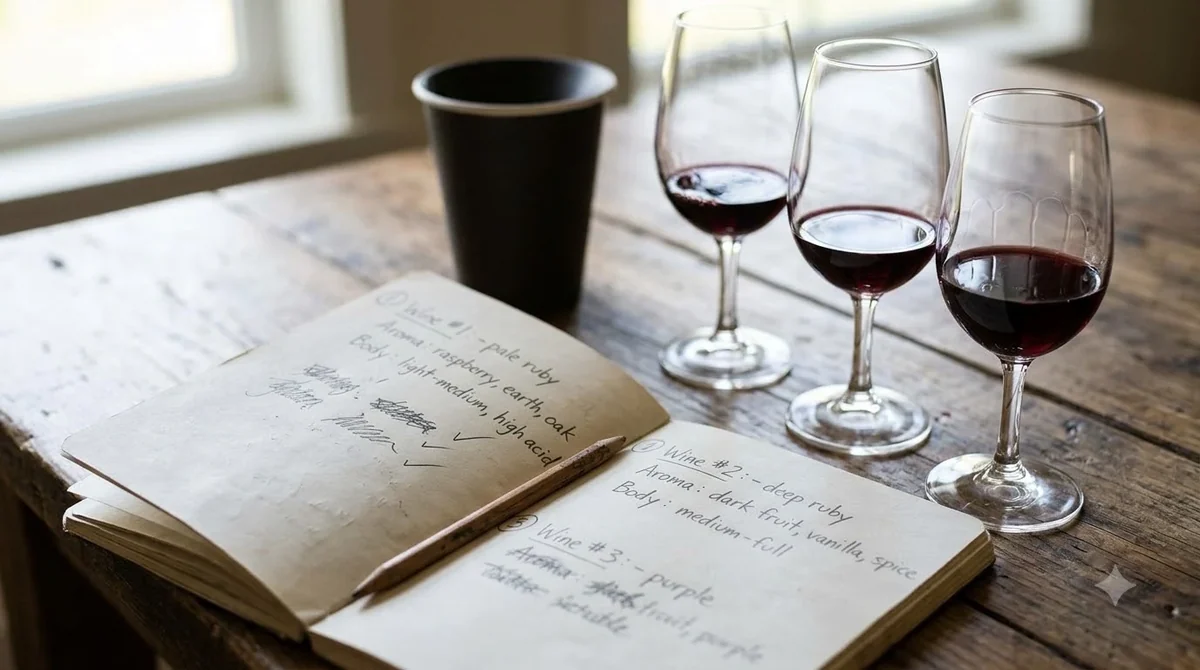
According to the official Bourgogne Wines appellation guide, the bouquet of Pouilly-Fuissé brings together several recognizable aroma families:
- Orchard and Stone Fruits: Ripe white peach, Mirabelle plum, quince, pear, and crisp yellow or Granny Smith apple form the primary fruit core.
- Citrus and Tropical Accents: Fresh lemon zest, pink grapefruit, candied orange peel, and occasional hints of ripe pineapple keep the fruit profile lifted and juicy.
- Floral and Herbal Notes: Delicate white blossoms such as acacia and honeysuckle often mingle with subtle touches of fern, bracken, or dried hay.
- Minerality: A signature flinty, silex, or wet river-stone sensation anchors the mid-palate and carries into a saline, stony finish.
- Nutty and Pastry Nuances: Fresh almond, hazelnut, breadcrumbs, buttered brioche, and light acacia honey appear either through lees aging, oak maturation, or bottle development.
Winemakers in the region generally work in one of two stylistic directions, which noticeably shifts the tasting experience. Unoaked or stainless-steel-fermented examples—such as the classic village bottling from Maison Louis Latour, which ages eight to ten months in stainless steel vats—emphasize pure white peach, lemon pith, fresh almond, and brisk mineral clarity. Conversely, barrel-fermented and oak-aged cuvées—especially single-vineyard and Premier Cru bottlings—spend time in French oak barrels (often a mix of neutral and new wood) alongside lees stirring. These barrel-influenced wines develop richer textures with notes of toasted hazelnut, warm brioche, lemon curd, and subtle baking spice while retaining their signature Burgundian freshness.
| Style Category | Fermentation and Aging | Dominant Tasting Notes | Texture and Body |
|---|---|---|---|
| Unoaked / Stainless Steel | Temperature-controlled stainless steel vats (typically 8–10 months) | White peach, green apple, lemon zest, acacia blossom, fresh almond, wet stone | Crisp, fluid, medium-bodied with bright acidity and a clean mineral finish |
| Partial Oak / Traditional Village | Blend of stainless steel and neutral or lightly toasted French oak barrels | Ripe pear, Mirabelle plum, citrus blossom, hazelnut, light butter, flint | Smooth, ample, and rounded with balanced richness and lively freshness |
| Oak-Aged / Premier Cru | Fermented and aged in French oak barrels (often with partial new oak and lees contact) | Quince, candied citrus peel, buttered brioche, honey, toasted nuts, crushed limestone | Opulent, concentrated, full-bodied, and structured with a long, persistent finish |
Where Pouilly-Fuissé Grows
Pouilly-Fuissé comes from a dramatic, amphitheater-like landscape at the southern tip of Burgundy’s Mâconnais region, just north of Beaujolais. The appellation spans roughly 757 hectares across four neighboring communes in the Saône-et-Loire department: Fuissé, Solutré-Pouilly, Vergisson, and Chaintré.
Two towering limestone escarpments—the Roche de Solutré and the Roche de Vergisson—dominate the skyline at heights approaching 500 meters. Formed during the Jurassic period from ancient coral reefs and marine fossils, these rocky outcrops sit atop the same geological foundation of fossiliferous limestone found further north in the famous Côte-d’Or. Vineyards are planted along the sloped hillsides and valley floors between 200 and 300 meters in elevation, benefiting from easterly and south-easterly exposures carved out by small, steep-sided streams.
Because the soils vary significantly from slope to slope—blending Jurassic clay-limestone, rocky scree washed down from the cliffs, and even a localized pocket of schist—each village and Climat imparts a distinct nuance to the finished wine. Vineyards with thinner, stonier limestone soils tend to produce taut, laser-focused whites bursting with citrus and chalky minerality. Plots richer in heavy clay yield broader, more voluptuous Chardonnays brimming with ripe stone fruit and velvety texture.
How to Serve Pouilly-Fuissé
Serving Pouilly-Fuissé at the proper temperature is essential because excessive cold mutes its nuanced floral and nutty aromatics, while overly warm temperatures make the wine feel heavy. Aim for a cellar-cool range of 52°F to 55°F (11°C to 13°C).
If your bottle has been resting in a standard household refrigerator—which typically hovers near 38°F to 40°F—pull it out roughly 20 to 30 minutes before pouring. At fridge temperatures, the wine will taste tightly wound and overly sharp, hiding its white peach, brioche, and hazelnut layers behind raw acidity. Letting the bottle warm gradually on the counter allows the aromatics to unfurl naturally without dulling its refreshing lift.
Choose a medium-to-large tulip-shaped white wine glass or a classic Burgundy Chardonnay bowl. The wider surface area directs air onto the wine and funnels delicate scents of acacia blossom, citrus oil, and wet stone toward your nose. While decanting is not strictly necessary for standard village bottlings, pouring a young Premier Cru or a tightly coiled, slightly reductive vintage into a clean carafe for 15 to 30 minutes before dinner softens its edges and brings out deeper complexity.
Tip: Skip the ice bucket filled purely with ice cubes; instead, use a 50/50 mix of cold water and ice to hold your bottle steady around 53°F (12°C) throughout a long meal.
Food Pairing Ideas
Because Pouilly-Fuissé marries generous body with crisp limestone acidity, it is one of the most versatile food wines in the white wine world—standing up to rich cream sauces while remaining light enough for delicate seafood. If you are browsing different Wine by Type to match a multi-course dinner, few dry whites transition as effortlessly from starter to main course.
- Noble Crustaceans and Shellfish: Sweet, buttery meats like lobster, king prawns, scallops, and crawfish mirror the wine’s natural opulence, while its flinty minerality cuts cleanly through drawn butter or shellfish reductions.
- Poultry and Veal in Cream Sauce: Classic Burgundian dishes such as roast chicken with morel mushrooms, veal blanquette, or turkey breast in a tarragon cream sauce harmonize with the wine’s rounded palate and subtle oak spice.
- Soft and Semi-Soft Cheeses: Local cow’s milk cheeses like Délice de Bourgogne and Reblochon, as well as aged goat’s milk cheeses from the neighboring Mâconnais, play off the wine’s orchard fruit and nutty almond undertones.
- Fragrant, Gently Spiced Dishes: Unlike overly oaky New World Chardonnays that clash with heat, Pouilly-Fuissé’s aromatic intensity pairs remarkably well with Moroccan fish tagine, saffron couscous, mild coconut prawn curry, and fresh sushi.
When planning pairings, match the weight of the dish to the style of the bottle. Reserve crisp, unoaked cuvées for raw oysters, ceviche, or steamed mussels, and bring out richer, barrel-aged Premier Crus for butter-poached lobster, roasted pork tenderloin, or mushroom risotto.
How to Choose a Bottle
Reading a Pouilly-Fuissé label is straightforward once you know what signals style and provenance. Start by checking whether the bottle is a standard village wine or a single-vineyard bottling. A label reading simply “Pouilly-Fuissé” typically represents a blend of grapes from several parcels across the appellation, designed to showcase balanced house consistency. If a specific vineyard name follows—such as “Les Crays,” “La Maréchaude,” “Le Clos,” or “Sur la Roche”—the wine comes from a single Climat with a distinct microclimate and soil profile.
Next, look for the words “Premier Cru” (or “1er Cru”) alongside the Climat name. Introduced starting with the 2020 vintage, these 22 top-tier sites represent roughly one-fifth of the appellation’s vineyard area and deliver heightened concentration, mineral grip, and longevity. If you are exploring broader flavor spectrums across your cellar—comparing crisp white Burgundies against structured red varieties like grenache tasting notes or dense petit verdot tasting notes—a Premier Cru Pouilly-Fuissé offers the closest white-wine equivalent to serious, site-driven red Burgundy.
Finally, consider vintage age and producer style. Most village-level Pouilly-Fuissé bottles are crafted for immediate enjoyment within two to five years of the harvest, when their white peach, citrus blossom, and lively acidity are at peak vibrancy. Well-structured single-vineyard and Premier Cru bottlings, however, can age gracefully for five to ten years, evolving deeper layers of honey, toasted hazelnut, and dried apricot over time.
Frequently Asked Questions
Is Pouilly-Fuissé a sweet or dry wine?
Pouilly-Fuissé is a dry white wine. Although its ripe white peach, pear, and honeyed floral aromas can create an impression of richness on the nose, the grapes are fermented to dryness, leaving crisp natural acidity and a clean, stony finish.
How is Pouilly-Fuissé different from Chablis?
Both wines are 100% Chardonnay from Burgundy, but they grow at opposite ends of the region in very different climates. Chablis lies in the cool north and produces razor-sharp, high-acid, steel-driven whites with green apple and chalk notes, whereas Pouilly-Fuissé grows in the warmer southern Mâconnais and tastes fuller, rounder, and richer in ripe stone fruit.
Does Pouilly-Fuissé always taste oaky and buttery?
No, Pouilly-Fuissé rarely exhibits the heavy vanilla or heavily toasted oak character found in many warm-climate Chardonnays. Many producers ferment and age their wines entirely in stainless steel to preserve pure fruit and minerality, while those who use French oak typically apply a restrained touch that adds subtle brioche and hazelnut complexity rather than overt woodiness.
How long can you age a bottle of Pouilly-Fuissé?
Most standard village-level Pouilly-Fuissé wines are best enjoyed within two to four years of the vintage date while their fresh citrus and orchard fruit flavors shine brightest. However, top single-vineyard and Premier Cru bottlings from strong vintages have the structure and acidity to develop beautifully in a cool cellar for five to ten years.
Understanding Pouilly-Fuissé tasting notes comes down to recognizing the interplay between southern Burgundian warmth and ancient Jurassic limestone. Whether you reach for a crisp, unoaked village bottle for weeknight seafood or uncork a structured Premier Cru for a celebratory roast, every glass delivers a poised balance of ripe stone fruit, toasted nuts, and bright mineral energy.
More in Wine Types & Grapes
 What Does Mourvèdre Taste Like? Flavor Profile, Regions, and PairingsUpdated Nov 20, 2026
 What Does Marsanne Taste Like? Flavors, Styles, and Food PairingsUpdated Nov 20, 2026
 What Does Malvasia Taste Like? Styles, Flavors, and Food PairingsUpdated Nov 20, 2026
 What Does Grenache Blanc Taste Like? Flavor Profile, Styles, and PairingsUpdated Nov 20, 2026
 What Does Garnacha Taste Like? Key Flavors, Styles, and Pairing TipsUpdated Nov 20, 2026
 What Does Fruit Wine Taste Like? A Complete Flavor and Style BreakdownUpdated Nov 20, 2026