


We may earn a commission when you buy through links on this page, at no extra cost to you. Learn more.
Pottery barn crystal wine glasses are worth considering for shoppers who want elegant, functional stemware with the added durability of modern Tritan crystal. Pottery Barn carries several ZWIESEL GLAS collections, including Modo, Prizma and Sensa, with different bowl shapes, capacities and designs. The strongest choices combine attractive presentation with practical features such as dishwasher compatibility and resistance to everyday wear. The right collection depends on the wines you serve, how often you entertain and how much cabinet space you have.
Pottery Barn’s crystal wine glass selection is more varied than a single matching set. Its assortment includes glasses for red wine, white wine and other serving occasions, with some collections emphasizing classic proportions and others offering larger bowls or more distinctive silhouettes. Understanding the differences between the collections makes it easier to choose glasses that look appropriate on the table without sacrificing everyday usability.
Specs and Key Features of Pottery Barn Crystal Wine Glasses
Pottery Barn’s crystal wine glasses stand out for their combination of decorative presentation and practical construction. Several collections use Zwiesel Glas Tritan crystal, while individual designs differ in dimensions, capacity, manufacturing details and intended wine style.

The Modo, Prizma and Sensa collections provide useful examples of the available range. Modo offers a comparatively compact red wine glass, while Prizma and Sensa include larger capacities suited to drinkers who prefer more room for swirling and aroma development. These differences matter because a glass’s nominal capacity is not the same as the amount of wine normally poured into it.
| Collection or model | Material | Capacity | Dimensions | Other details |
|---|---|---|---|---|
| Modo Red | Schott Zwiesel Tritan crystal | 14.9 oz | 2.25-inch diameter x 8.25-inch height | Set of 4; hand-blown; Germany; dishwasher safe |
| Modo White | Schott Zwiesel Tritan crystal | 13.5 oz | 3.25-inch diameter x 8.25-inch height | Set of 4; Germany; dishwasher safe |
| Prizma Red | Schott Zwiesel Tritan crystal | 22.5 oz | 4-inch diameter x 9.5-inch height | Set of 6; Germany; dishwasher safe |
| Sensa Bordeaux | Crystal with Tritan titanium technology | 22.25 oz | 4-inch diameter x 10-inch height | Dishwasher safe; made in Germany |
| Sensa Burgundy | Crystal with Tritan titanium technology | 24 oz | 4-inch diameter x 9-inch height | Dishwasher safe; made in Germany |
| Sensa White | Crystal with Tritan titanium technology | 12.25 oz | 3-inch diameter x 8.75-inch height | Dishwasher safe; made in Germany |
These specifications illustrate why comparing collections by appearance alone can lead to the wrong purchase. A 14.9-ounce Modo red glass and a 22.5-ounce Prizma red glass serve different preferences. The smaller option takes up less space and may feel more manageable at a casual dinner, while the larger bowl gives the wine additional room for movement.
The material is another important consideration. Zwiesel Glas developed its Tritan crystal as a premium glass material designed to combine clarity with resistance to breakage, scratching and dishwasher use. The manufacturer also identifies its Tritan crystal as free from lead, cadmium and BPA. Its material information is available on the official Zwiesel Glas website.
It is important to distinguish these manufacturer material claims from a blanket statement about every glass sold by Pottery Barn. The retailer’s assortment includes products with different construction details, so the material description for a specific collection should guide the decision. A crystal label alone does not establish that every product uses the same formulation or manufacturing process.
For shoppers comparing broader categories, a useful starting point is this overview of crystal wine glasses, which helps explain the differences between traditional crystal and contemporary alternatives.
What Owners Like About the Design and Construction
The strongest selling points of Pottery Barn crystal wine glasses are their clear presentation, varied silhouettes and the practical qualities of selected Tritan crystal collections. They offer an appealing middle ground between ordinary everyday drinkware and extremely delicate formal stemware.
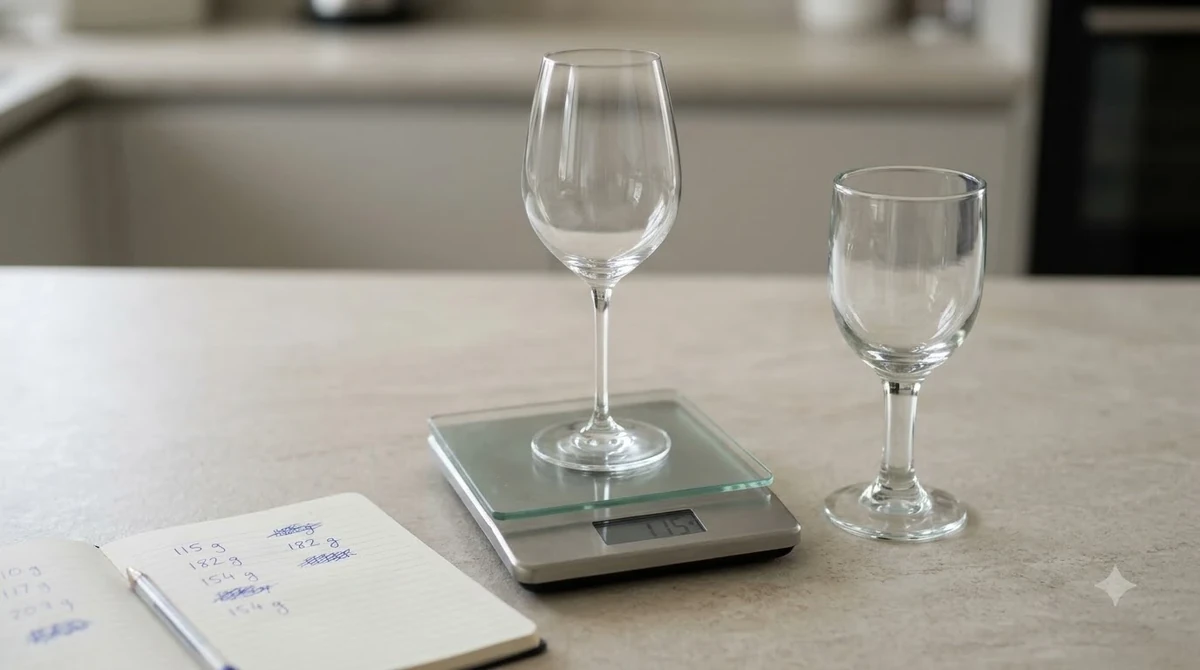
Clarity is one of the first things shoppers notice about crystal stemware. A transparent bowl allows the color of wine to remain visible, whether it is a pale Sauvignon Blanc, a golden Chardonnay, a translucent Pinot Noir or a deep Cabernet Sauvignon. This visual quality also helps the glasses fit into different table settings without competing with the plates, linens or centerpiece.
The design range is another advantage. Modo has relatively restrained proportions, making it a reasonable choice for someone who prefers straightforward wine glasses rather than oversized statement pieces. Prizma provides a more generous red wine bowl, while Sensa includes distinct Bordeaux, Burgundy and white wine shapes.
That variety is useful because different wines benefit from different amounts of space. A broad bowl gives aromatic red wines room to develop as they are swirled. A narrower white wine bowl helps maintain a cooler serving temperature and limits excessive exposure to air. These are practical differences rather than simply decorative distinctions.
Modern crystal construction
The Tritan material is particularly relevant for households that use stemware regularly. Traditional thin crystal can be delicate, especially around the rim and stem. Zwiesel’s Tritan technology is designed to improve resistance to breakage and scratching without abandoning the clarity associated with crystal glassware.
Pottery Barn specifically identifies Tritan crystal in its Modo and Prizma listings and describes the Sensa collection as using patented Tritan titanium technology. These details give shoppers more useful information than a generic description of premium glass alone.
Dishwasher compatibility is another practical advantage. The listed Modo, Prizma and Sensa examples are identified as dishwasher safe. That can make them more attractive to households that entertain frequently or prefer not to wash every glass individually after dinner.
Useful options for different wine drinkers
Not every wine drinker needs a separate glass for every grape variety. A moderately sized glass with a gently tapered bowl can accommodate many styles. However, someone who regularly serves Bordeaux, Burgundy and crisp white wines may appreciate having different shapes available.
Pottery Barn’s collection variety allows shoppers to build a matching selection around their habits. Someone who mainly serves Cabernet Sauvignon and Merlot may prefer a generous red wine bowl. A household that drinks more Pinot Grigio, Riesling and Sauvignon Blanc may find narrower white wine glasses more useful.
It is also helpful that the assortment includes sets of different sizes. A four-glass purchase can be sufficient for a smaller household, while a six-glass set may better suit regular dinner hosting. The right quantity depends on the number of guests and how often glasses need to be replaced during an event.
Common Complaints and Potential Drawbacks
Pottery Barn crystal wine glasses have practical limitations despite their attractive appearance and modern materials. Large bowls, delicate stems, storage requirements and differences between collections deserve attention before ordering.
The first consideration is that Tritan crystal should not be treated as unbreakable. Resistance to chipping and breakage is a useful material characteristic, but it does not make a glass immune to impact. A stem can still snap, a rim can still chip and a glass can still break if it strikes a hard surface.
This distinction matters particularly in busy kitchens. Glasses are often damaged during unloading, when they knock against plates or other stemware. A dishwasher-safe label means the manufacturer considers the glass suitable for dishwasher cleaning; it does not mean every loading arrangement is safe.
Large bowls need additional storage room
Some Pottery Barn glasses have substantial dimensions. The Sensa Bordeaux glass stands 10 inches high, while the Prizma red glass is 9.5 inches high. Those measurements can make a difference in cabinets with low shelves or dishwashers with limited clearance.
Large bowls also need more room around them. A glass with a 4-inch diameter requires considerably more shelf space than a compact white wine glass. Households with limited storage should measure their available cabinet space before buying a large matching set.
There is also a difference between a glass’s capacity and its practical serving volume. A 22.5-ounce bowl is not intended to receive a full 22.5-ounce serving of wine. A conventional 5-ounce pour leaves substantial room for swirling and directs aromas toward the rim.
Not every collection has the same feel
Another potential drawback is that the assortment can be confusing. Modo, Prizma and Sensa all fall within the broad crystal wine glass category, but their proportions are not interchangeable. A shopper who assumes that all red wine glasses have similar dimensions may end up with a larger or smaller glass than expected.
The visual character also differs. A simple glass can complement contemporary dinnerware, while a larger or more distinctive silhouette may suit a formal dining table better. Shoppers should consider their existing plates, serving pieces and glassware rather than selecting solely from a product photograph.
Finally, dishwasher compatibility does not remove the need for careful handling. Even glasses designed for regular washing can develop damage through repeated contact with metal, ceramic or neighboring glassware. Anyone who prefers extremely low-maintenance drinkware may be happier with sturdy everyday tumblers than premium crystal stemware.
Who Should Buy Pottery Barn Crystal Wine Glasses and Who Should Skip Them
Pottery Barn crystal wine glasses make the most sense for people who value clear, attractive stemware and want a selection of wine-specific shapes. They are particularly appealing to households that entertain regularly and appreciate the combination of presentation and practical construction.
For a wine enthusiast who frequently serves several varieties, the different Modo, Prizma and Sensa shapes provide useful choices. The Sensa Bordeaux and Burgundy options have generous capacities, while the Sensa white glass offers a narrower alternative for lighter wines. A household that regularly hosts dinner parties may find this variety more useful than buying one oversized universal glass.
They can also suit shoppers furnishing a dining room or putting together a wedding registry. Matching glasses create a coordinated appearance, and a six-glass set can provide a practical starting point for a small dinner gathering. The German manufacturing details and Tritan material specifications may also appeal to buyers who pay attention to how their stemware is made.
Best for regular dinner hosting
For people who host dinners several times a month, dishwasher-safe construction is a useful feature. It reduces the amount of individual cleaning required, provided the glasses are loaded correctly and have enough space between them.
A set of four Modo glasses may be appropriate for a smaller household, while six Prizma glasses offer a larger matching group. Before choosing, consider how many people usually attend dinner and whether additional glasses are needed for sparkling wine, water or cocktails.
Best for people who enjoy different wine styles
Wine drinkers who regularly alternate between red and white varieties can benefit from owning more than one glass shape. A broad red wine bowl works well for aromatic wines such as Pinot Noir and fuller-bodied reds such as Cabernet Sauvignon, while a narrower white wine glass is practical for crisp, chilled styles.
The Sensa collection is particularly interesting for this purpose because its listed options include Bordeaux, Burgundy and white wine glasses. It provides a more specialized selection than buying one generic glass shape for every occasion.
Who should skip these glasses
These glasses may not be the right choice for people who prioritize maximum durability over appearance. A household with frequent accidental drops, crowded cabinets or limited storage may prefer shorter, thicker everyday glassware or stemless drinkware.
They are also less suitable for someone who dislikes handling delicate stemware. Even relatively durable crystal requires sensible storage and careful cleaning. The presence of Tritan technology should not encourage rough handling.
Finally, shoppers who rarely drink wine may not need several specialized shapes. A single versatile glass can serve many purposes, particularly if the household drinks a mixture of red, white and rosé wines. A smaller collection can be a more practical choice than purchasing several sets that spend most of their time in a cabinet.
How Pottery Barn Glasses Compare to Other Wine Glass Options
Pottery Barn’s crystal wine glasses compete primarily on presentation, collection variety and the availability of modern crystal construction. Their strongest appeal is not that every glass is necessary for every wine, but that shoppers can select a shape and capacity suited to their preferred drinking habits.
The distinction between a general-purpose glass and specialized stemware is important. A universal glass can handle a wide range of wines, while dedicated red and white glasses allow more attention to bowl proportions and serving conditions.
Pottery Barn Modo versus larger red wine glasses
Modo red wine glasses have a stated capacity of 14.9 ounces and stand 8.25 inches high. That is a comparatively compact option within the Pottery Barn crystal assortment.
By comparison, the Prizma red glass has a 22.5-ounce capacity and stands 9.5 inches high. Its larger bowl gives the wine more room to move, although the glass also requires more cabinet space.
For drinkers who prefer smaller, more manageable stemware, Modo is a sensible starting point. Those who favor generous bowls for aromatic reds may prefer Prizma.
Pottery Barn Sensa versus universal stemware
Sensa is more specialized than a basic all-purpose glass selection. Its Bordeaux, Burgundy and white wine options offer distinct capacities and dimensions, which can be useful for someone who regularly serves particular wine styles.
A universal glass, on the other hand, is often easier to store and use. It avoids the need to select a different glass every time a bottle changes. A moderately sized bowl with a tapered rim can work for Chardonnay, Pinot Noir, Cabernet Franc and many other wines.
For households with limited cupboard space, a universal glass may be the better purchase. For collectors or frequent hosts who enjoy matching glass shapes to the wine, Sensa provides more specific options.
Pottery Barn crystal versus ordinary glass
Ordinary soda-lime glass is a practical choice for everyday drinkware. It can be less expensive to replace and is available in many sturdy shapes. However, premium crystal can offer a finer appearance and the clarity associated with more formal stemware.
Modern Tritan crystal attempts to combine those presentation benefits with greater resistance to everyday wear. That makes it a useful option for people who want something more refined than basic glass but do not want extremely delicate traditional stemware.
Shoppers comparing different material types should also consider lead free crystal wine glasses. Material descriptions matter, especially when comparing modern crystal products with older traditional lead crystal.
How to Choose the Right Pottery Barn Crystal Wine Glasses
The best way to choose is to begin with the wines you drink most often, then consider bowl capacity, dimensions, set quantity and cleaning preferences. A glass that suits your usual bottles and fits your kitchen is more useful than one selected purely for its appearance.
Start with your preferred wine styles
If Cabernet Sauvignon, Merlot and Syrah are regular choices, look for a red wine glass with enough bowl space for swirling. The larger Prizma and Sensa Bordeaux options are worth considering for this purpose.
If Pinot Noir is your preferred red, a Burgundy-style bowl offers another useful option. The Sensa Burgundy glass has a stated capacity of 24 ounces, giving it a generous interior for aromatic wines.
For Sauvignon Blanc, Riesling, Pinot Grigio and other lighter whites, a narrower glass is generally more practical. The Sensa white glass has a 12.25-ounce capacity, making it a more compact alternative to the larger red wine bowls.
Consider the glass dimensions
Capacity alone should not determine the purchase. Height and diameter affect how easily a glass fits into cabinets, dishwasher racks and storage shelves.
Measure the available vertical clearance before ordering tall stemware. A 10-inch Bordeaux glass may not fit comfortably beneath a low cabinet shelf. Also consider the bowl diameter, especially if you plan to store multiple glasses side by side.
Choose the appropriate set size
A set of four can be sufficient for couples or smaller households. A set of six offers more flexibility for dinner parties and family gatherings.
It is also useful to consider whether you need matching red and white glasses. Buying separate sets can create a coordinated presentation, but a universal glass can reduce the amount of storage space required.
Compare care requirements
Dishwasher-safe construction is an advantage, but it should not be the only factor. Consider whether the dishwasher has a suitable stemware rack and enough clearance to keep the glasses separated.
For people who prefer handwashing, the glass’s shape and ease of access are important. Narrow openings can make cleaning the inside more difficult, especially with large bowls and delicate rims.
Tip: Before ordering a matching set, measure the height of your cabinet shelves and dishwasher clearance. A 9.5-inch or 10-inch wine glass may look attractive on the table but become inconvenient if it cannot be stored safely in your existing kitchen.
For a broader comparison of different shapes, sizes and everyday options, the best wine glasses overview can help narrow the selection before committing to a particular collection.
Frequently Asked Questions
Are Pottery Barn crystal wine glasses lead free?
Zwiesel Glas states that its Tritan crystal is free from lead, cadmium and BPA. That material statement applies to the manufacturer’s Tritan crystal formulation rather than automatically establishing the composition of every crystal product in Pottery Barn’s assortment. Buyers should distinguish the named material from other crystal formulations.
Can Pottery Barn crystal wine glasses be used for cocktails?
Many wine glasses can also serve mixed drinks, particularly cocktails without large ice cubes. A 14.9-ounce Modo red glass or a 13.5-ounce Modo white glass can accommodate a variety of chilled beverages. However, glasses with delicate stems are less convenient for drinks that require vigorous stirring or muddling directly inside the glass.
How many Pottery Barn wine glasses should a household own?
A household of two may find four glasses of each frequently used shape sufficient. Larger families or regular hosts may prefer six to eight glasses per style. Having a few extra glasses is useful when entertaining because guests sometimes switch between wine varieties during a meal.
Do crystal wine glasses change the color of wine?
Clear crystal is designed to provide a transparent viewing surface rather than change a wine’s natural color. Glass tinting, decorative coatings and colored bowls can affect visual perception, so clear stemware is generally preferred for examining wine appearance. A clean, residue-free bowl also helps prevent misleading reflections and cloudy patches.
Can crystal wine glasses develop cloudiness over time?
Yes. Repeated washing, mineral deposits and detergent residue can leave glassware looking cloudy. Some cloudiness is removable, while permanent surface damage may not be reversible. Proper spacing, suitable dishwasher settings and careful drying help reduce the likelihood of this problem.
Pottery Barn crystal wine glasses are appealing options for shoppers who want attractive stemware with useful differences in shape, capacity and construction. Modo is a practical choice for a more compact glass, while Prizma and Sensa offer larger or more specialized bowls. Compare the dimensions, material descriptions and care requirements before selecting a set, and consider the broader glassware brands selection if you want to compare additional manufacturers before making your final choice.
More in Wine Glasses
 Spiegelau Crystal Wine Glasses That Bring Clarity to Every PourUpdated Nov 21, 2026
 Zalto Crystal Wine Glasses: Are They Worth the Investment?Updated Nov 21, 2026
 Villeroy And Boch White Wine Glasses for a More Cohesive TableUpdated Nov 21, 2026
 Zalto Wine Glasses On Sale: Find the Right Denk’Art GlassUpdated Nov 21, 2026
 Zwiesel Glas Champagne Glasses: Features, Quality and Buying AdviceUpdated Nov 21, 2026
 Zwiesel Glas Decanter Review: A Durable, Elegant Choice for Wine ServiceUpdated Nov 21, 2026