

We may earn a commission when you buy through links on this page, at no extra cost to you. Learn more.
The best port under 50 is typically a Late-Bottled Vintage (LBV), a 10-Year-Old Tawny, or a 375 ml half-bottle of Vintage Port from a reputable Douro producer. At this budget, shoppers reach the sweet spot of Portuguese fortified wine, avoiding simple entry-level blends while capturing years of cask aging or single-harvest concentration. Knowing how wood aging, cork closures, and bottle sizes shape each style ensures every bottle matches the occasion and meal.
Port is a fortified wine made exclusively in Portugal’s Douro Demarcated Region, where winemakers add a neutral grape spirit mid-fermentation to halt yeast activity and preserve natural grape sweetness. That process yields rich wines with roughly 18 to 20 percent alcohol by volume, far higher than standard table wine, which changes how bottles are poured, paired, and stored at home.
Who This Buying Guide Is For
This guide serves wine buyers who want genuine Douro Valley character without spending triple digits on aged cellar collectibles. Whether stocking a home bar for winter dinner parties, choosing a holiday host gift, or exploring fortified wine for the first time, a fifty-dollar ceiling opens nearly every major category on the shelf.
Shoppers accustomed to dry reds such as the best cabernet sauvignon under 20 often find Port appealing because its ripe dark fruit and firm tannin structure feel familiar, even with higher sweetness. Unlike dry table reds that fade within a few days of pulling the cork, most Port styles in this tier stay fresh for weeks in the refrigerator, making them practical for pouring a single glass after dinner.
Hosts planning multi-course meals, cheese boards, or dessert spreads also benefit from learning how Port categories diverge. A crisp white bottle works before dinner with salted nuts, whereas a nutty aged Tawny or plush LBV anchors the final course alongside dark chocolate or blue cheese.
Key Factors to Compare When Shopping
Evaluating Port requires looking past vineyard names to examine aging vessel, time in oak, closure type, and bottle volume. Small differences in barrel size and filtration determine whether a bottle drinks smoothly tonight or requires hours of decanting.
Because Port houses produce multiple tiers simultaneously, comparing core technical attributes side by side keeps buying decisions grounded in flavor and practicality rather than label design alone.
| Port Style | Typical Oak Aging | Closure Type | Decanting Needed | Serving Temp | Open Fridge Life |
|---|---|---|---|---|---|
| Ruby & Reserve Ruby | 2 to 5 years in large vats | T-cap stopper | No | 60°F to 64°F | 1 to 2 weeks |
| Late-Bottled Vintage (LBV) | 4 to 6 years in large casks | T-cap or driven cork | Only if unfiltered | 60°F to 64°F | 1 to 2 weeks |
| 10-Year & 20-Year Tawny | 10 or 20 years average in small casks | T-cap stopper | No | 55°F to 58°F | 3 to 4 weeks |
| Vintage Port (375 ml) | 18 to 36 months in large casks | Driven cork | Yes, always | 60°F to 64°F | 1 to 2 days |
| White & Rosé Port | Brief tank or wood rest | T-cap stopper | No | 45°F to 50°F | 1 to 2 weeks |
Aging Vessel and Oxidation
Port aging follows two distinct paths after fortification, as outlined in the Wine Folly guide to Port styles. Wines stored in huge wooden vats or stainless steel tanks experience minimal oxygen contact, preserving deep purple color and fresh blackberry or cherry fruit. Wines transferred into smaller 550-liter oak pipes breathe slowly through the wood, shifting from ruby red to amber brown while trading fresh berry flavors for walnut, caramel, and dried fig notes.
Closure Type and Filtration
The stopper under the capsule signals how a bottle was finished and how it should be opened. Most Ruby, Tawny, White, and filtered LBV bottles use a reusable T-cap cork—a plastic or wooden top attached to a short cork plug—indicating the wine was filtered and is ready to pour immediately. Traditional unfiltered LBVs and Vintage Ports use a long, driven natural cork because they are bottled without fining or filtration to evolve in glass.
Step-by-Step: How to Pick the Right Bottle
Following a structured sequence prevents mismatched bottles, such as buying an unfiltered Vintage Port for a casual weeknight when no decanter is handy. Walk through these five steps at the wine shop before committing to a label.
- Decide between fresh fruit or nutty complexity. Choose Ruby, LBV, or Vintage styles when craving concentrated black cherry, plum, and cocoa flavors. Choose a 10-Year or 20-Year Tawny when preferring toasted almond, butterscotch, orange peel, and baking spice.
- Match the style to your serving timeline. Pick a T-cap bottle like Reserve Ruby, filtered LBV, or aged Tawny if the bottle will be sipped slowly over two to four weeks. Save driven-cork Vintage Ports for gatherings where four to six guests will finish the bottle within 48 hours.
- Check bottle volume against the fifty-dollar ceiling. Full 750 ml bottles easily cover Reserve Ruby, LBV, 10-Year Tawny, and select 20-Year Tawnies from major producers. To taste classic declared Vintage Port within this budget, look at 375 ml half-bottles, which hold roughly four 3-ounce pours.
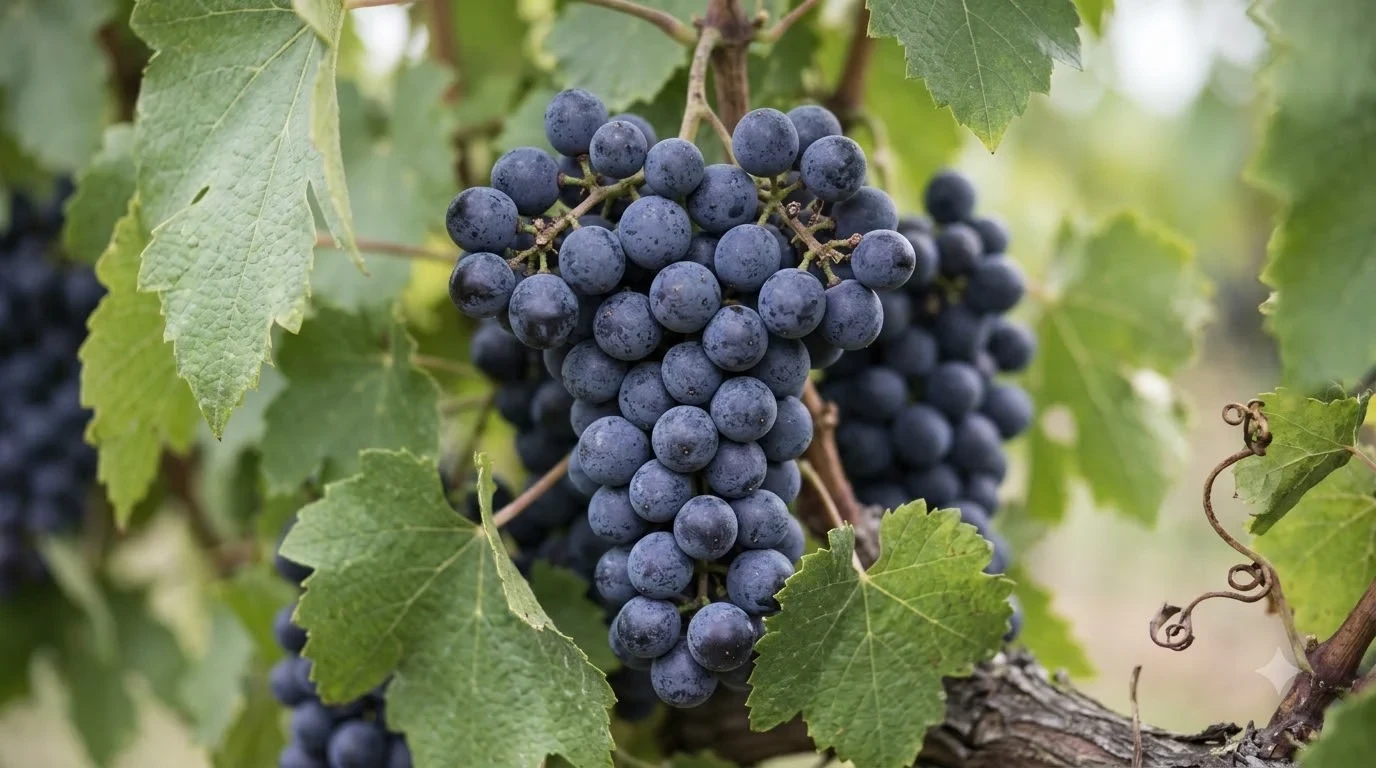
- Verify Douro origin and grape pedigree. Authentic Portuguese Port always carries the official paper guarantee seal (Selo de Garantia) over the capsule and lists Douro origin. Top bottlings rely on indigenous varieties such as Touriga Nacional, Touriga Franca, Tinta Roriz, Tinta Barroca, and Tinto Cão.
- Inspect the back label for filtration and bottling dates. On LBV bottles, look for words like “unfiltered” or “traditional” alongside both the harvest year and bottling year. On aged Tawnies, look for a recent bottling year stamped on the back label, because wood-aged wines taste freshest within a year or two of bottling.
Tip: For aged Tawny Ports, always check the bottling date printed on the back label. Because Tawny matures in oak barrels rather than glass, a 10-Year Tawny bottled six months ago will taste brighter and cleaner than one sitting on a warm store shelf for five years.
Major Port Styles Explained
Every style of Port begins with the same mid-fermentation fortification method, yet barrel regimens and grape selections create five distinct drinking experiences. Understanding these categories makes shopping across different producers straightforward.
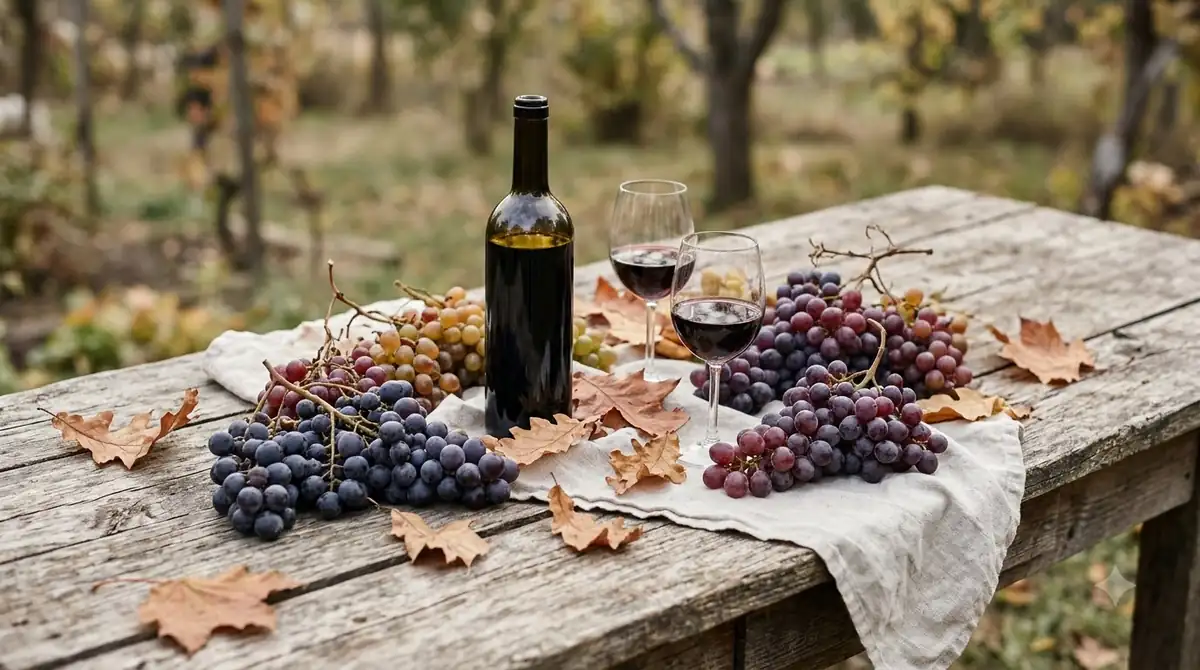
Long-standing Douro shippers—explored further in our overview of the best port brands—each maintain signature house profiles across these five core styles.
Reserve Ruby and Late-Bottled Vintage (LBV)
Basic Ruby Port ages two to three years in large vats and often carries over 100 grams of residual sugar per liter, offering vibrant berry fruit suited to casual sipping or cooking reductions. Stepping up to Reserve Ruby extends barrel aging to around five years, softening the spirit’s warmth and adding structure. Late-Bottled Vintage takes the concept further by sourcing grapes from a single harvest and aging the wine four to six years in wood before release, delivering Vintage-like depth at an accessible price point.
Aged Tawny Port (10-Year and 20-Year)
Tawny Port trades dark fruit for oxidative elegance through extended maturation in small seasoned oak casks. When a bottle reads “10 Years Old” or “20 Years Old,” that number reflects the average age of the wines blended into the cuvée rather than a minimum age statement. Ten-year bottlings retain a lively core of dried cherry alongside hazelnut and caramel, while 20-year expressions lean deeper into roasted walnut, dried apricot, and velvety butterscotch.
Vintage Port (Half-Bottles)
Declared only in exceptional harvests—roughly three times per decade—Vintage Port represents the pinnacle of Douro winemaking. Producers age the wine in large oak casks for 18 to 36 months and bottle it unfiltered so it can mature in glass for 15 to 40 years or longer. While full 750 ml bottles of top Vintage Port regularly exceed fifty dollars, 375 ml half-bottles from historic houses like Taylor Fladgate, Fonseca, Graham’s, and Dow’s frequently sit within reach and mature slightly faster than full bottles.
White and Rosé Port
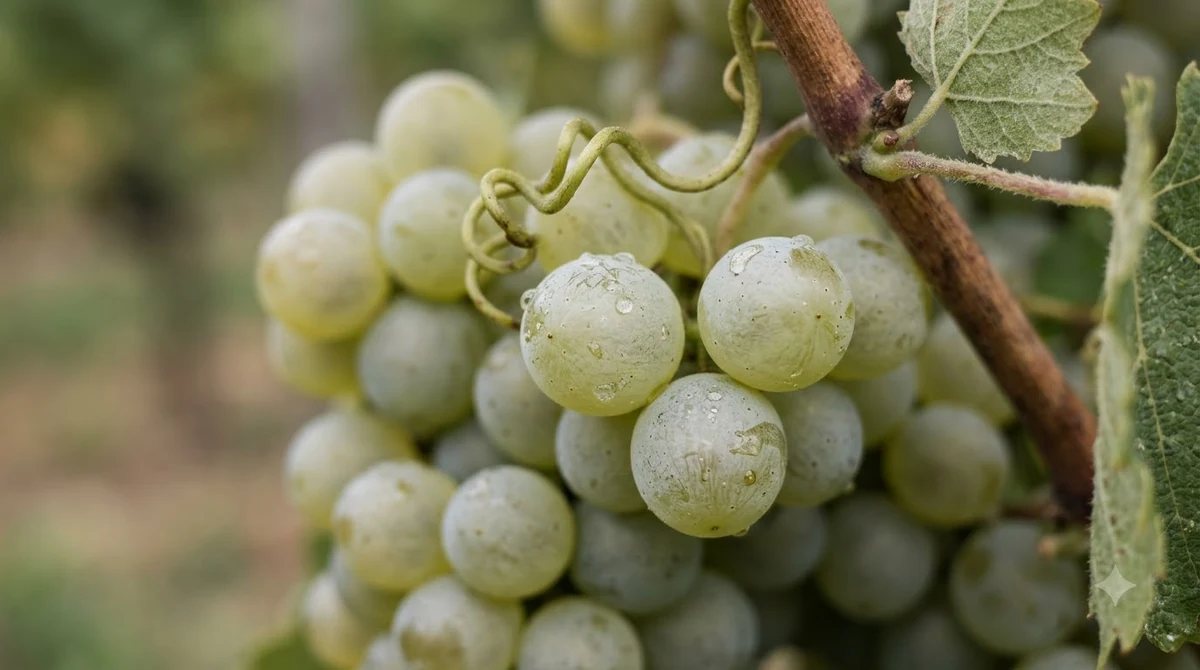
White Port is crafted from indigenous Douro white grapes including Rabigato, Viosinho, Gouveio, Malvasia Fina, and Códega. Producers ferment and fortify these grapes across a spectrum ranging from crisp extra-dry styles to sweet golden bottlings, offering citrus, white peach, and honeyed almond notes. Rosé Port, made through brief skin contact with red grapes, brings bright strawberry and raspberry aromatics tailored for chilled summer pours and cocktails.
Food Pairing Rules for Each Port Style
Port’s combination of high alcohol, residual sugar, and firm acidity requires deliberate food pairing so the wine does not overwhelm the plate or tastes cloying. Matching sweetness levels and contrasting salt against sugar creates easy balance across starters, cheese courses, and desserts.
The fundamental rule of sweet wine pairing is that the wine must be at least as sweet as the dish, otherwise dry bitterness and sharp alcohol take over. Because most red Ports carry roughly 90 to 120 grams of residual sugar per liter according to Wine Folly’s technical Port breakdown, they stand up comfortably to rich desserts while also acting as a sweet foil to salty, pungent cheeses.
Blue Cheese, Hard Aged Cheeses, and Nuts
Salt softens perceived tannin and sharpens fruit sweetness, which explains why Stilton and Vintage or Late-Bottled Vintage Port form one of gastronomy’s classic partnerships. According to Taylor Fladgate’s serving and pairing guide, aged Tawny Ports work even better with hard, nutty cheeses such as aged Comté, Manchego, or Pecorino alongside toasted almonds and walnuts. For appetizers, chilled dry port in the white style pairs cleanly with salted Marcona almonds, green olives, and cured ham.
Chocolate, Caramel, and Fruit Desserts
Dark chocolate with 70 percent cacao or higher matches the bitter-sweet cocoa undertones and plush berry core of Reserve Ruby and LBV Port. Milk chocolate, pecan pie, crème brûlée, and poached pears align naturally with 10-Year and 20-Year Tawny Ports, whose caramel and roasted nut aromatics echo browned butter and toasted sugar. Avoid pairing red Port with tart citrus sorbets or very light vanilla cakes, which leave the wine tasting heavy.
Common Buying and Serving Mistakes
Even high-scoring bottles underperform when stored next to a warm stove, poured at summer room temperature, or served in oversized goblets. Avoiding four recurring habits immediately improves aroma, texture, and freshness from the first pour to the last.
Serving Port Too Warm
Because Port contains 18 to 20 percent alcohol, serving it at 72°F makes the grape spirit smell hot and medicinal. Per Premium Port Wine’s serving standards, Ruby, LBV, and Vintage Ports show best slightly below room temperature at 60°F to 65°F, while 10-Year and 20-Year Tawny Ports taste crisper and more focused when chilled to 50°F to 55°F. Placing a bottle in a standard kitchen refrigerator for 20 to 30 minutes before dinner brings warm room-temperature bottles down into the ideal zone.
Skipping Decanting on Unfiltered Bottles
Unfiltered Vintage Ports and traditional unfiltered LBVs shed thick, gritty sediment as they mature in glass. Pouring straight from a horizontally stored bottle clouds the wine and coats the palate with bitter tannins. Stand unfiltered bottles upright for at least 24 hours so sediment settles to the punt, then decant slowly in a single steady stream until dark sludge reaches the shoulder.
Confusing Non-Portuguese Fortified Wines
Domestic bottles labeled “Port-style” from California, Australia, or South Africa may use similar fortification methods, yet they cannot legally carry the protected Douro Port designation. Buyers seeking authentic Portuguese complexity should confirm that the neck carries the numbered Selo de Garantia paper seal issued by the Instituto dos Vinhos do Douro e Porto (IVDP).
Proper Storage, Pouring, and Preservation
Proper glassware and post-opening care protect Port’s delicate aromatics and extend a single bottle across multiple weeks. Treating Port differently from dry table wine saves both flavor and money.
Unopened bottles fitted with driven natural corks—specifically Vintage Ports and unfiltered LBVs—must lie horizontally in a dark spot near 55°F with 50 to 70 percent humidity so the cork remains moist and airtight. Bottles sealed with T-cap stoppers, such as Reserve Ruby, filtered LBV, White Port, and aged Tawny, can stand upright safely because they are already finished in wood and rely on a tight synthetic or agglomerated plug.
Once opened, reseal the bottle tightly and place it in the refrigerator to slow oxidation. According to Wine Folly’s storage guidelines, chilled Tawny Port stays vibrant for three to four weeks, Ruby and LBV hold well for one to two weeks, and delicate Vintage Port should be finished within one to two days. Pour 3 ounces (85 ml) into a tulip-shaped Port glass or a standard 8-to-10-ounce white wine glass rather than a tiny 2-ounce cordial glass so swirling releases layered aromatics.
Frequently Asked Questions
Can you buy a real Vintage Port for under fifty dollars?
Yes, 375 ml half-bottles of declared Vintage Port from respected houses such as Dow’s, Warre’s, Graham’s, and Ramos Pinto regularly sell below fifty dollars at US wine retailers. Half-bottles hold roughly four 3-ounce pours and mature slightly faster in glass than standard 750 ml bottles, making them practical for two to four guests.
What does the “Colheita” label mean on a bottle of Tawny Port?
Colheita is a single-harvest Tawny Port aged in small oak casks for a minimum of seven years before bottling, rather than a multi-vintage blend like 10-Year or 20-Year Tawny. Both the harvest year and the bottling year appear on the label, and select younger Colheita releases from smaller quintas occasionally fall within a fifty-dollar budget.
How do you make a traditional White Port and Tonic cocktail?
Fill a large wine glass or highball glass with ice, pour equal parts chilled dry or extra-dry White Port and premium tonic water—typically 3 ounces of each—and garnish with a fresh lemon wheel or sprig of mint. Known in Portugal as a Portonic, this low-alcohol aperitif highlights the citrus and herbal notes of white Douro grapes like Rabigato and Viosinho.
Why do some Vintage Port bottles have a white splash of paint on the glass?
A white splash mark on the upper side of an unfiltered Port bottle indicates which side faced upward during cellar aging in Portugal. Keeping that white mark facing up when laying the bottle on a rack and while pouring ensures the crust of sediment remains undisturbed along the opposite bottom wall.
Is Ruby Port or Tawny Port better for cooking pan sauces?
Basic Ruby Port is better for savory reductions and pan sauces because its bright berry acidity and deep garnet color enrich beef, duck, and venison reductions without adding heavy nutty or caramelized flavors. Saving aged 10-Year or 20-Year Tawny for the glass preserves delicate barrel-aged nuances that high stovetop heat quickly destroys.
Selecting the right bottle under fifty dollars comes down to matching barrel aging and closure type to when and how the wine will be poured. For more foundational comparisons across regions and bottle styles, browse the wine buying guides before your next trip to the wine shop.
More in Wine Buying Guides
 Riesling Gift: Choose a Bottle They’ll LoveUpdated Nov 21, 2026
 Sweet Red Wine Gift: Choose a Bottle They’ll LoveUpdated Nov 21, 2026
 Malbec Gift: How to Choose a Memorable Bottle for Any OccasionUpdated Nov 21, 2026
 Sherry Gift Ideas That Match Every Wine LoverUpdated Nov 21, 2026
 Moscato Gift: How to Choose a Sweet Wine They’ll LoveUpdated Nov 21, 2026
 Merlot Gift: How to Choose a Bottle They’ll AppreciateUpdated Nov 21, 2026