

We may earn a commission when you buy through links on this page, at no extra cost to you. Learn more.
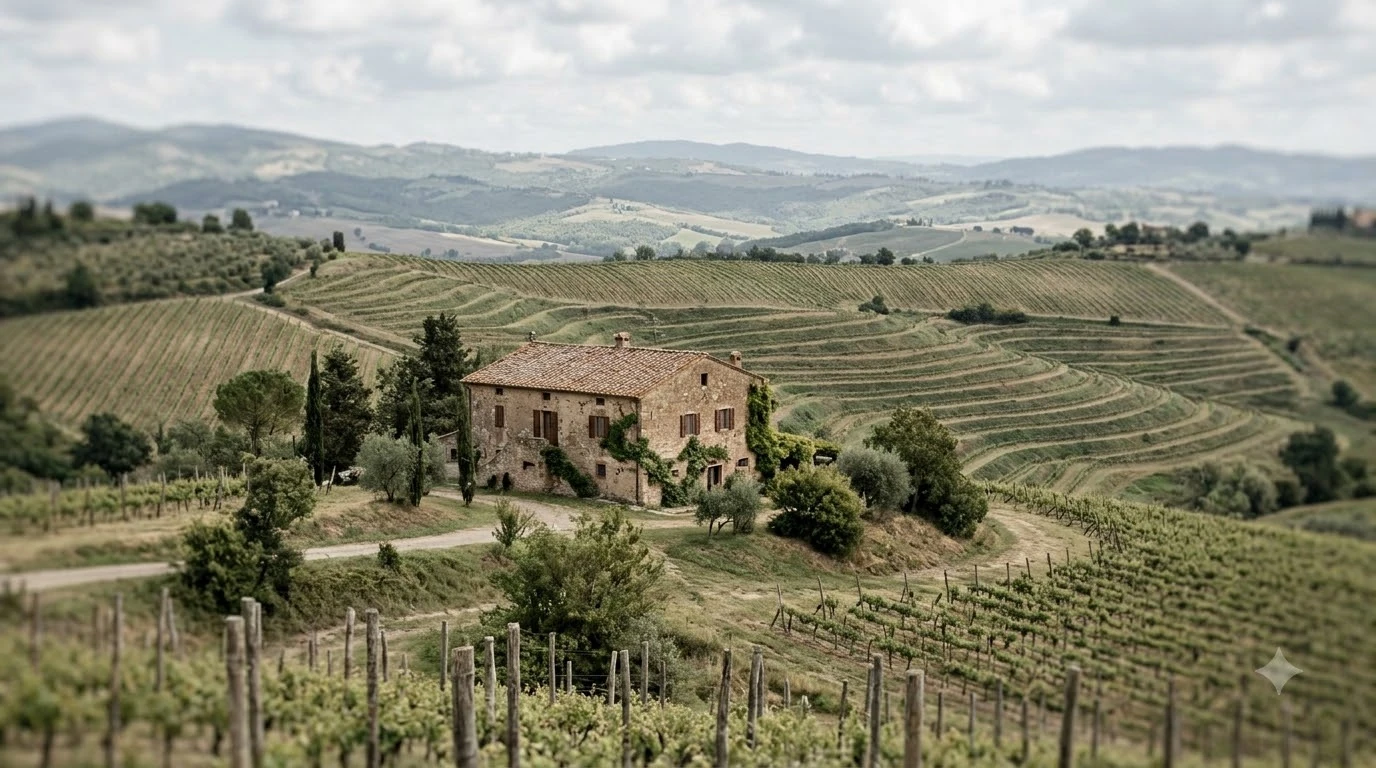
The pommard wine region is a celebrated red wine appellation in Burgundy’s Côte de Beaune, France, known for structured, age-worthy Pinot Noir with dark fruit flavors, firm tannins, and distinctive earthy complexity. Located between Beaune and Volnay, Pommard combines clay-limestone soils, iron-rich earth, and carefully positioned vineyards to produce some of Burgundy’s most recognizable village wines. Its 28 Premier Cru climats include renowned sites such as Les Rugiens and Les Épenots, which demonstrate the depth and individuality of the appellation.
Pommard has earned its reputation through centuries of winemaking and a distinctive expression of Pinot Noir. Although it shares Burgundy’s commitment to expressing individual vineyard sites, its wines are generally more structured and tannic than those of nearby Volnay. Understanding its geography, vineyard classifications, winemaking traditions, and food pairings makes it easier to recognize what distinguishes a bottle of Pommard from other red Burgundies.
Where Pommard Sits in Burgundy’s Côte de Beaune
Pommard occupies a particularly important position in Burgundy’s Côte de Beaune, between the towns of Beaune to the north and Volnay to the south. Its vineyards extend across the slopes surrounding the village, where differences in elevation, exposure, and soil create several distinct expressions of Pinot Noir.

The appellation belongs to the Côte-d’Or department in eastern France. Beaune provides a useful geographical reference because Pommard lies immediately south of this historic wine center. Volnay, another highly regarded Pinot Noir appellation, sits just beyond Pommard’s southern boundary.
This location places Pommard within one of Burgundy’s most closely studied red wine districts. The Côte de Beaune is particularly associated with Chardonnay, especially around Meursault, Puligny-Montrachet, and Chassagne-Montrachet. However, its northern and southern villages also produce distinguished Pinot Noir, with Pommard standing out for its firm structure and concentrated fruit.
The appellation’s vineyards occupy elevations of approximately 250 to 330 meters (820 to 1,083 feet). According to the Bourgogne Wine Board, their exposures are predominantly east and south. These orientations help determine how much sunlight reaches the vines and influence grape ripening throughout the growing season.
The appellation received its official Appellation d’Origine Contrôlée recognition on September 11, 1936. Its geographical identity is tied to the commune of Pommard, meaning that a wine cannot simply use the name because it was made somewhere nearby in Burgundy.
Pommard also has a long-standing historical reputation. During the Middle Ages, its wines were already regarded as important examples of the wines produced around Beaune. The village subsequently developed an international reputation for full-bodied, deeply colored red Burgundy.
For travelers, Pommard is an accessible stop on a Burgundy wine itinerary. Its proximity to Beaune makes it possible to explore vineyards, historic cellars, and neighboring wine villages without traveling long distances. Visitors interested in comparing different climates and regional styles can also explore the broader Wine Regions collection.
Climate, Elevation, and Vineyard Soils
Pommard’s distinctive wine style comes partly from its varied vineyard terrain. The combination of clay, limestone, marl, ancient alluvial deposits, and iron-bearing soils helps produce Pinot Noir with concentration, firm tannins, and recognizable earthy characteristics.
The vineyards are not planted on one uniform geological surface. Instead, the soil changes as the slopes rise away from the lower ground, creating meaningful differences between individual parcels.
According to the Bourgogne Wine Board, the lower vineyard areas contain ancient alluvial deposits. These materials were transported and deposited through geological processes, producing soils that differ from those found farther up the hillside.
On the middle slopes, clay-limestone soils become more prominent. Rocky debris within these soils supports drainage, while clay contributes to water retention and helps vines maintain access to moisture during drier periods. This combination is particularly important in a region where rainfall and seasonal temperatures can vary considerably.
Higher vineyard positions contain Oxfordian marl, brown calcic soils, and brown limestone soils. These geological formations belong to the Jurassic period and contribute to the considerable diversity found within the appellation.
Iron oxide also appears in certain areas, giving some vineyard soils a reddish color. This geological feature is part of Pommard’s distinctive landscape, although the character of a finished wine cannot be attributed to one mineral alone. Soil composition interacts with drainage, vine age, exposure, climate, and vineyard management.
The appellation’s east- and south-facing exposures provide another important influence. Morning and afternoon sunlight contribute to grape development, while elevation and slope affect local temperatures and the timing of ripening.
These variations explain why two wines carrying the Pommard designation can taste noticeably different. A producer working with a parcel on one section of the hillside may emphasize fruit and texture differently from a neighboring grower working with another climat.
Climate also requires careful attention. Burgundy experiences seasonal temperature changes, spring frost risks, and variable summer conditions. Flowering, fruit set, rainfall, and harvest timing can all influence the balance between ripeness, acidity, and tannin in Pinot Noir.
The best way to understand Pommard’s terroir is to consider the vineyard as a combination of natural and human factors. Its geology provides the foundation, but the vintage and decisions made in the vineyard and cellar determine the final expression.
Pinot Noir and the Distinctive Pommard Wine Style
Pommard produces red wine exclusively, with Pinot Noir defining its identity. The grape gives the appellation wines their characteristic red and dark fruit aromas, while the local growing conditions and winemaking traditions contribute to their structured, sometimes muscular personality.
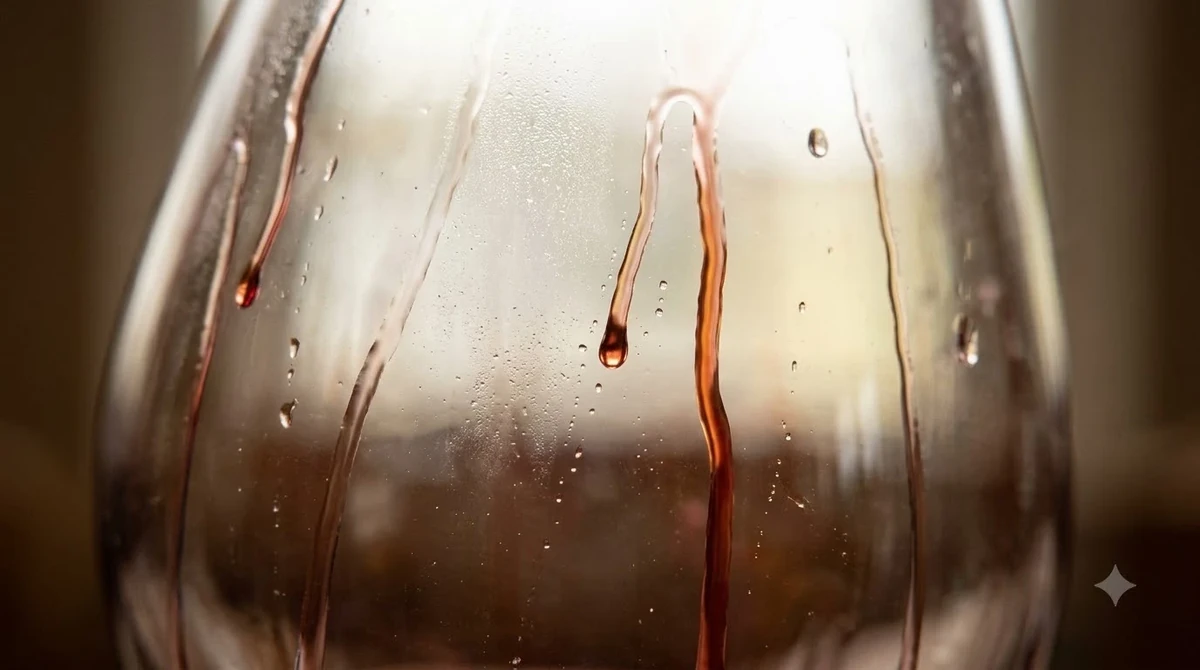
Pinot Noir is a relatively thin-skinned grape compared with varieties such as Cabernet Sauvignon. It generally produces wines with lower to medium tannin levels and naturally attractive acidity. However, Pommard Pinot Noir can develop a noticeably firm structure through grape maturity, vineyard conditions, extraction, and oak aging.
Young Pommard commonly shows aromas of blackberry, bilberry, ripe plum, cherry, and sometimes gooseberry. The exact combination depends on the vineyard, vintage, and producer. Some bottles emphasize fresh red cherries, while others offer darker fruit and more pronounced savory characteristics.
On the palate, Pommard is often more substantial than lighter expressions of Burgundy Pinot Noir. Its tannins provide grip and structure, creating a firm finish that can make younger examples seem relatively closed or austere.
That structure is an important part of the appellation’s identity. Rather than relying entirely on soft fruit and immediate drinkability, Pommard can offer a combination of concentration, freshness, and texture that develops with time.
How aging changes the wine
With bottle age, the primary fruit aromas gradually become more integrated with secondary and tertiary characteristics. Blackberry and plum can develop alongside notes of leather, chocolate, pepper, earth, and forest floor.
The tannins also change. Initially firm sensations become smoother, allowing the wine’s texture and complexity to become more apparent. This is one reason experienced Burgundy drinkers often pay close attention to the vintage and vineyard designation when selecting Pommard.
Not every bottle requires decades in the cellar. Village-level Pommard from a fruit-forward vintage can be approachable relatively young, while structured Premier Cru wines from excellent producers may benefit from considerably longer aging.
Winemaking decisions further influence the final result. Fermentation temperature, maceration length, whole-cluster inclusion, extraction techniques, and oak use all affect the balance between fruit, tannin, and aromatic complexity.
For example, Maison Aegerter describes its Pommard production as involving hand-harvested grapes, two to four days of pre-fermentation maceration, and eight to twelve months of oak-barrel aging. These details illustrate one producer’s approach rather than a mandatory appellation-wide method. Its Pommard winemaking and tasting profile also identifies blackberry, blueberry, cherry pit, and ripe plum among the wine’s aromas.
Oak aging can contribute spice and additional texture, but it should not overwhelm the grape or vineyard character. The most compelling examples maintain a recognizable Pinot Noir profile while developing enough structure to support bottle maturation.
Premier Cru Vineyards and Important Climats
Pommard contains 28 officially recognized Premier Cru climats, which represent some of its most distinguished vineyard sites. These named parcels provide more specific geographical information than the general village designation and help wine drinkers understand differences in origin and style.
Unlike some of Burgundy’s better-known appellations, Pommard has no Grand Cru vineyards. Nevertheless, its strongest Premier Cru sites enjoy considerable international recognition, and several are regarded as exceptional expressions of Côte de Beaune Pinot Noir.
Les Rugiens
Les Rugiens is one of the most famous vineyard names in Pommard. It is particularly associated with concentrated wines, firm structure, and the capacity to develop complexity in the cellar.
The climat is divided into Les Rugiens-Bas and Les Rugiens-Hauts. These subdivisions are useful when comparing bottles because the precise location of a vineyard can influence exposure, soil composition, and wine character.
Les Rugiens-Bas has a particularly strong reputation among Burgundy enthusiasts. Wines from this area are often sought out for their depth and long-term aging potential, although the producer and vintage remain essential considerations.
Les Épenots
Les Épenots is another leading Premier Cru designation. It is commonly divided into Les Grands Épenots and Les Petits Épenots, two vineyard names that appear on Burgundy labels.
Wines from Les Épenots are appreciated for their combination of fruit concentration and structure. Depending on the producer and vintage, they can show generous cherry and dark berry aromas alongside firm tannins and savory complexity.
Other recognized Premier Cru sites
Several additional climats contribute to the appellation’s reputation. Clos des Épeneaux, Les Charmots, Les Pézerolles, Les Arvelets, Les Boucherottes, and Les Saussilles are among the other names worth recognizing.
Clos des Épeneaux is particularly familiar to collectors interested in distinctive single-vineyard Burgundy. Its name appears on bottles associated with the historic walled vineyard, making it a useful designation to recognize when exploring Pommard.
The following table summarizes important appellation information and several notable vineyard names.
| Feature | Pommard specification |
|---|---|
| Wine-growing district | Côte de Beaune, Burgundy |
| Official AOC recognition | September 11, 1936 |
| Producing grape | Pinot Noir |
| Wine color | Red only |
| Total producing area | 314.19 hectares |
| Premier Cru area | 117.75 hectares |
| Premier Cru climats | 28 |
| Average annual production | 11,086 hectoliters |
| Premier Cru production | 3,845 hectoliters |
| Vineyard elevation | 250–330 meters |
| Common exposures | East and south |
| Grand Cru vineyards | None |
Area figures and production volumes in this table follow the Bourgogne Wine Board’s published statistics: the area figures are from 2022, while the production figures represent the 2017–2021 five-year average. These numbers provide useful context for understanding the scale of the appellation.
It is important to remember that Premier Cru is a geographical classification, not a guarantee that every bottle will be superior to every village-level Pommard. Grower reputation, vineyard management, vintage conditions, and winemaking all contribute to quality.
For comparison, Burgundy’s vineyard hierarchy is different from the classifications found in other European wine areas. Readers exploring the Savoie wine region will encounter a different collection of grape varieties and regional traditions, while Pommard remains firmly associated with Pinot Noir and its named climats.
How to Choose, Serve, and Store Pommard
Choosing Pommard involves considering the appellation level, named climat, producer, vintage, and intended drinking date. Village wines can offer an accessible introduction to the region, while Premier Cru bottles provide opportunities to explore more specific vineyard expressions and additional aging potential.
For a first bottle, a village-level Pommard from a reputable producer is a practical starting point. Look for balanced fruit, recognizable Pinot Noir character, and a structure that does not feel excessively harsh. A Premier Cru selection becomes especially interesting when you want to compare Les Rugiens, Les Épenots, or Clos des Épeneaux.
Understanding the label
A label displaying Pommard identifies the village appellation. When the words Premier Cru appear, the wine comes from a recognized Premier Cru climat within the appellation.
The vineyard name may follow the classification. For example, Pommard Premier Cru Les Rugiens identifies a wine from that particular named Premier Cru site.
This distinction matters because Burgundy places considerable importance on the geographical origin of its wines. Two bottles from the same producer can offer different expressions when they come from separate climats.
Serving temperature
Pommard is generally best served slightly cooler than typical full-bodied red wines. A temperature of approximately 57°F to 61°F (14°C to 16°C) is a useful starting range, consistent with recommendations from Burgundy producers and the Bourgogne Wine Board.
Serving wine too warm can make alcohol more noticeable and soften the impression of freshness. Excessive chilling, on the other hand, can make tannins seem harder and suppress aromatic detail.
If a bottle has been stored at normal room temperature, a short period in the refrigerator can bring it closer to the recommended range. Allow the wine to warm gradually in the glass rather than serving it directly from a very cold refrigerator.
Decanting and glassware
Young, structured Pommard may benefit from 30 to 60 minutes of decanting. This gives the wine time to interact with air and can help soften the initial impression of firm tannins.
Older bottles require more care. Extended exposure to oxygen can diminish delicate mature aromas, so an older Pommard may need only gentle opening and separation from any sediment.
A large Burgundy-style glass with a generous bowl is a suitable choice. Its shape provides room for the wine’s aromas to develop while allowing the drinker to assess its changing character.
Cellaring conditions
Store unopened bottles on their sides in a dark, stable environment close to 55°F. Consistent temperature and protection from light, vibration, and excessive dryness are more important than frequent cellar adjustments.
Village Pommard may be intended for earlier drinking, depending on the producer and vintage. More structured Premier Cru examples can develop over ten years or longer, but aging potential should be assessed bottle by bottle rather than assumed from the appellation name alone.
For example, Joseph Drouhin identifies five to eight years as the optimal consumption window for the specific Pommard wine presented on its website and gives it an aging potential of ten years. That recommendation illustrates one wine’s expected development, not a universal timetable for every Pommard.
Tip: If you are opening a young Pommard, begin by serving a small pour before deciding whether to decant the entire bottle. This helps you judge its tannin level, aromatic development, and overall openness before giving it additional air.
Food Pairings for Pommard Pinot Noir
Pommard’s firm tannins, concentrated fruit, and savory character make it particularly suitable for substantial meat dishes, roasted game, and flavorful cheeses. Its structure provides enough presence to accompany rich food without losing the distinctive character of Pinot Noir.
One of the strongest pairings is roast or braised game. Duck, venison, wild boar, and other richly flavored meats work particularly well because their savory flavors complement the wine’s earthy and dark-fruit characteristics.
Beef is another natural choice. A thick-cut steak, roast beef, or slow-cooked beef dish can balance Pommard’s tannic structure. Salt and fat in the food soften the perception of tannin, making the wine seem more rounded and approachable.
Lamb also works well, especially when roasted with rosemary, thyme, garlic, or other savory herbs. The wine’s fruit and earthy notes complement the meat’s richness, while its acidity helps refresh the palate.
Poultry and traditional French dishes
Rich poultry dishes provide another useful pairing direction. Duck breast, roast chicken, and slow-cooked poultry casseroles offer enough flavor to match the wine’s structure without overwhelming its more delicate aromas.
Coq au vin is an especially natural choice because its traditional preparation brings together poultry, mushrooms, aromatics, and wine-based cooking flavors. These ingredients complement Pommard’s earthy and savory characteristics.
Mushroom-based dishes can also work well. Roasted mushrooms, mushroom ragout, and dishes containing forest mushrooms connect naturally with the wine’s mature earthy aromas.
Cheese pairings
Burgundy’s regional cheeses provide several excellent options. Époisses is a particularly recognizable pairing because its creamy texture and powerful savory flavor stand up to structured Pinot Noir.
Langres and Soumaintrain are other traditional choices. Their rich textures and distinctive flavors can balance the wine’s tannins and fruit concentration.
Comté is also suitable, especially when served in a well-aged style. Its nutty and savory characteristics complement the more developed aromas found in mature Pommard.
Foods that require more care
Very spicy dishes are less suitable because chili heat can make alcohol and tannins seem more aggressive. Dishes with intense chili oil or strong hot-pepper sauces may overwhelm the wine’s fruit and aromatic detail.
Highly acidic dishes can also create an imbalance if the wine does not have sufficient acidity to match them. Tomato sauces with pronounced acidity, vinegar-heavy dressings, and sharply sour preparations need thoughtful consideration.
Oily fish is generally a difficult match for tannic red wines. Delicate seafood preparations are better paired with wines that have more suitable acidity and less tannin.
For the strongest results, focus on dishes with roasted flavors, moderate richness, savory herbs, and enough protein or fat to complement Pommard’s structure.
Frequently Asked Questions
Is Pommard located in the Côte de Nuits or Côte de Beaune?
Pommard belongs to the Côte de Beaune, the southern section of Burgundy’s Côte d’Or wine district. Its vineyards lie between Beaune and Volnay, making it part of the important group of Pinot Noir-producing villages south of Beaune. The Côte de Nuits, farther north, includes famous appellations such as Gevrey-Chambertin and Vosne-Romanée.
Does Pommard produce white wine or rosé?
The Pommard appellation is designated for red wine made from Pinot Noir. A bottle made from Chardonnay cannot use the Pommard AOC designation simply because its grapes come from the same commune. The distinction makes Pommard particularly straightforward for drinkers seeking red Burgundy.
Why does Pommard have no Grand Cru vineyards?
Burgundy’s Grand Cru classification is based on a historical and geographical hierarchy of individual vineyard sites. Pommard’s 28 Premier Cru climats have significant reputations, but none currently carries official Grand Cru status. The absence of that designation does not prevent leading vineyards such as Les Rugiens from producing highly regarded wines.
What does the word climat mean on a Burgundy wine label?
A climat is a precisely defined vineyard parcel with an established geographical identity and distinctive characteristics. The term is especially important in Burgundy because two climats in the same village can produce noticeably different wines. It identifies the vineyard origin rather than simply describing the general weather conditions.
What is the difference between Pommard and a Bourgogne Rouge?
Pommard is a specific village appellation with grapes sourced from its designated commune and vineyards. Bourgogne Rouge is a broader regional appellation that covers eligible red wines from a much larger area. A Pommard label therefore provides a more precise indication of geographical origin and vineyard classification than a general Bourgogne Rouge designation.
The Pommard wine region remains one of Burgundy’s most recognizable destinations for structured, expressive Pinot Noir. Its varied soils, 28 Premier Cru climats, and historic winemaking traditions create wines that reward both exploration and thoughtful cellaring. Whether choosing a village bottling or a Premier Cru from Les Rugiens or Les Épenots, understanding the vineyard origin and producer is the best way to appreciate what makes Pommard distinctive.
More in Wine Regions
 Willcox Wine Trail: Discover Arizona’s High-Elevation Wine CountryUpdated Nov 20, 2026
 Yakima Valley Wine Region: Find the Best Styles to TryUpdated Nov 20, 2026
 Vosne Romanee Wine Tasting: Identify Aromas and Choose Better PairingsUpdated Nov 20, 2026
 Yakima Valley Wine Festival: Find the Best Seasonal Wine EventsUpdated Nov 20, 2026
 Wales Vineyards: Discover Cool-Climate Wines and Where to VisitUpdated Nov 20, 2026
 Yountville Wine Festival: Discover Napa Wines and Local FoodUpdated Nov 20, 2026