

We may earn a commission when you buy through links on this page, at no extra cost to you. Learn more.
Pomerol vineyards are located on Bordeaux’s Right Bank in southwestern France, where Merlot thrives in a distinctive combination of iron-rich clay, gravel, and sandy soils. This small appellation produces some of Bordeaux’s most recognized red wines, including bottles from Pétrus, Château Lafleur, and Vieux Château Certan. Its varied geology, predominantly Merlot plantings, and relatively small vineyard holdings make understanding individual vineyard sites especially important when choosing a bottle.
Although Pomerol occupies a relatively modest area, its reputation extends well beyond Bordeaux. The appellation’s character comes from the relationship between its central plateau, surrounding terraces, and the different soils beneath individual vineyards. Some sites produce particularly concentrated, structured wines, while others favor freshness, aromatic expression, and earlier accessibility. Exploring these differences offers a useful way to understand why Pomerol has such a distinctive place among the world’s leading Merlot-producing regions.
Where Pomerol’s Vineyards Are Located
Pomerol occupies part of Bordeaux’s Right Bank in the Gironde department, northeast of Libourne. Its vineyards cover a gently undulating landscape between the Barbanne Stream and the Isle-Dordogne river system, with neighboring Saint-Émilion to the southeast and Lalande-de-Pomerol to the north.
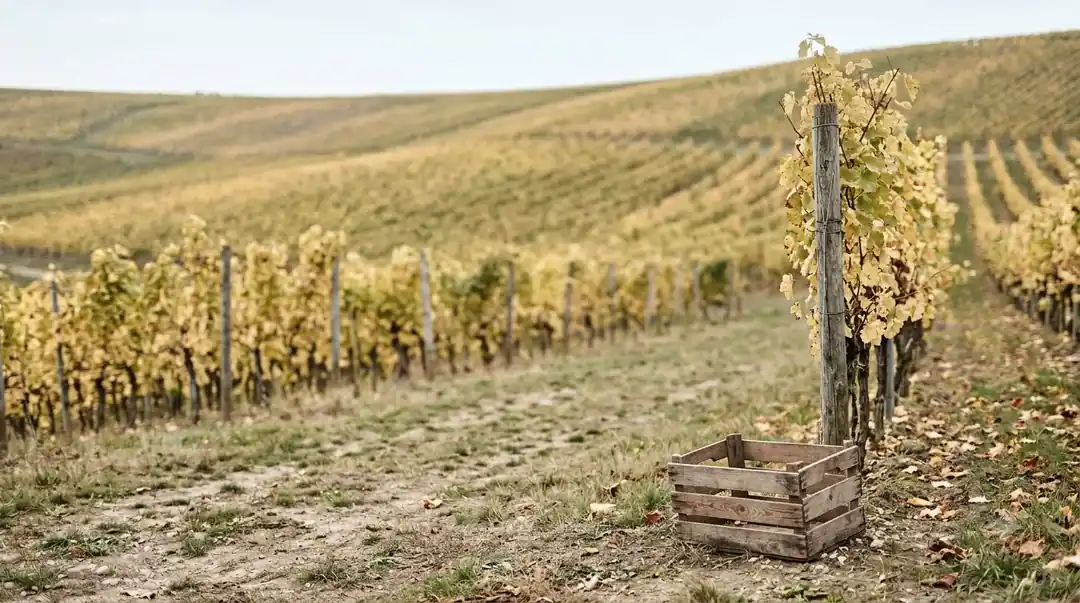
The appellation includes the municipality of Pomerol and a defined northern portion of Libourne. Its boundaries are legally established rather than determined simply by proximity to the village. The northern boundary follows the Barbanne Stream, while the southern and western portions extend toward Libourne. This defined geographical area is important because the Pomerol name represents a protected appellation of origin, not a general description of any Merlot grown nearby.
The landscape is relatively flat compared with the more visibly rolling terrain of neighboring Saint-Émilion. Nevertheless, small differences in elevation matter. The high plateau reaches approximately 30 to 40 meters above sea level, while lower terraces descend toward the surrounding valleys. These modest changes affect soil composition, drainage, water availability, and the conditions under which vines mature.
The appellation benefits from a temperate oceanic climate influenced by the Atlantic Ocean and the nearby Isle and Dordogne rivers. Summers and autumns have some continental characteristics, with temperatures that support grape ripening. Rainfall, temperature variation, and sunshine still change considerably from one growing season to another, making vintage conditions an important part of Pomerol’s identity.
Pomerol is relatively small, with approximately 786 hectares planted according to Decanter’s regional overview. Its compact scale makes it possible for substantial differences in soil and vineyard position to exist within a short distance. Two estates separated by only a few hundred meters can therefore work with noticeably different growing conditions.
Its geography also helps explain why Pomerol should not be treated as one uniform vineyard. The central plateau, northern and eastern sectors, and sandier lower areas each have distinct characteristics. These differences are particularly important for Merlot, whose growing conditions influence fruit concentration, tannin development, and the balance between richness and freshness.
Clay, Gravel, and the Famous Blue-Clay Soils
Pomerol’s defining geological feature is the combination of clay, gravel, and sand, particularly the iron-rich clay beneath parts of its central plateau. Clay can retain water during dry conditions, while gravel contributes drainage and influences how quickly vineyard soils warm during the growing season.
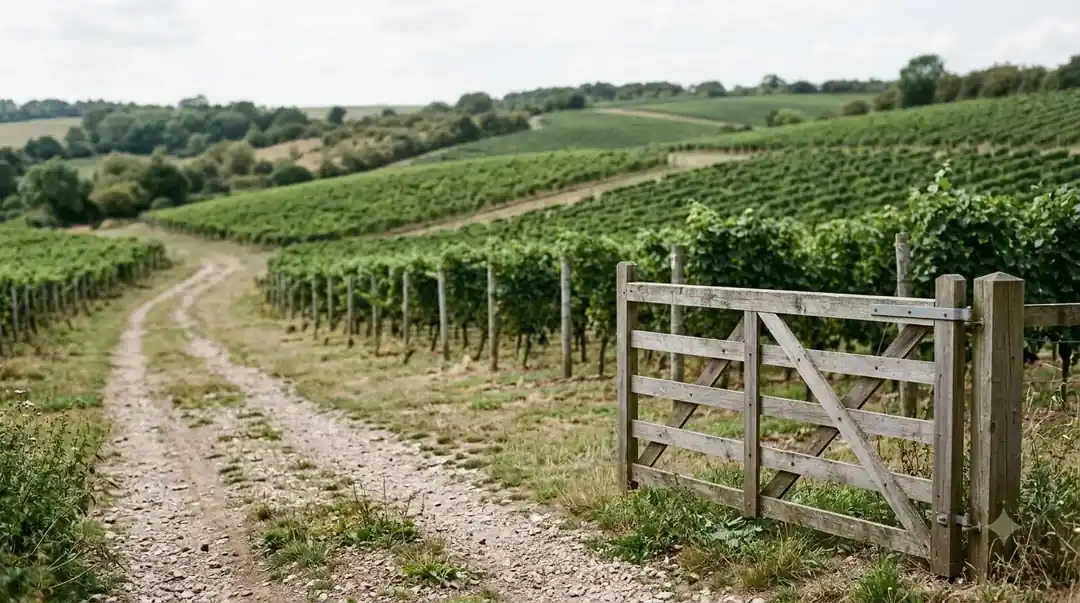
The central plateau is particularly significant because some of its most celebrated sites combine gravelly surface material with dense clay beneath. Decanter describes two important pockets of blue clay: one around Pétrus and another around Château L’Eglise-Clinet and Château Trotanoy. The first covers approximately 20 hectares and sits above iron-rich sand. These formations are unusual even within Pomerol’s already varied geology.
The local term crasse de fer refers to iron-rich material associated with the region’s distinctive subsoil. It is frequently discussed alongside Pomerol’s clay because the combination contributes to the appellation’s geological identity. However, the presence of iron-rich clay should not be treated as a simple guarantee of superior wine. Drainage, soil depth, vine age, grape variety, weather, and vineyard management all contribute to the final result.
How the different soils influence vineyard conditions
The clay-rich sites can provide useful water reserves for Merlot, especially during dry periods. Clay generally retains more moisture than loose sand or gravel, helping moderate the effects of water stress. Depending on its structure and depth, it can also influence root development and the temperature of the vine’s root zone.
Gravel behaves differently. Its relatively free-draining structure allows excess water to move through the soil, while stones can absorb warmth during the day and release it later. Gravelly soils may encourage earlier warming and influence the timing of vine development. Where gravel sits over clay, the combination can provide both drainage and a degree of moisture retention.
Sandy areas, especially toward the southern and western parts of the appellation, generally have different water-retention characteristics. These sites can produce wines with a lighter structure and a more immediately accessible fruit profile. The differences do not mean that every sandy-soil wine is light or every clay-soil wine is powerful, but they provide a useful starting point for understanding vineyard variation.
The high terrace of Pomerol also has a geological history that helps explain its complex soils. Its Günz terrace, at approximately 30 to 40 meters, contains sand, gravel, and hard-ground pebbles over clay formations. The middle terraces, at approximately 20 to 25 meters, contain sands, gravels, and pebbles within a sandy-clayey matrix. Lower slopes contain additional mixtures of sandy-clayey and gravelly material.
Tip: When comparing two Pomerol wines, look beyond the producer’s reputation. Vineyard position and soil composition can explain important differences in concentration, texture, freshness, and aging potential, even when both wines are predominantly Merlot.
Merlot and Cabernet Franc in Pomerol Vineyards
Merlot dominates Pomerol’s vineyards, accounting for approximately 80% of plantings in the distribution reported by Decanter. Cabernet Franc contributes roughly 15%, while the remaining 5% includes Cabernet Sauvignon, Malbec, and Petit Verdot.
Merlot is particularly well suited to Pomerol because it ripens relatively early and performs effectively in the appellation’s temperate conditions. The combination of the region’s growing season and its clay-rich soils supports the production of ripe fruit with substantial texture. Depending on the site and vintage, the resulting wines can combine generous fruit with freshness and considerable aging potential.
Typical Merlot aromas include plum, black cherry, blackberry, and other dark-fruit characteristics. In Pomerol, wines can also develop floral notes, including violet and peony, alongside licorice, spice, and earthy nuances. With bottle age, more complex aromas such as truffle, cedar, and graphite may emerge.
The supporting role of Cabernet Franc
Cabernet Franc is the second most important variety in Pomerol. Its contribution can include aromatic lift, floral character, freshness, and additional complexity. It can also help balance the richness of Merlot, particularly in blends intended to develop greater definition and structure over time.
Cabernet Sauvignon is permitted but occupies a much smaller share of the appellation’s plantings. Malbec and Petit Verdot are also recognized varieties, although they are not central to the region’s typical blend. The exact proportions depend on the producer, vineyard composition, and growing conditions of a particular year.
For a practical example, Jean-Pierre Moueix’s technical information for its 2015 Pomerol identifies a blend of 95% Merlot and 5% Cabernet Franc. The wine had 14% alcohol by volume, demonstrating how strongly Merlot can dominate a finished Pomerol even when a smaller proportion of another grape contributes additional character.
The permitted varieties are established by the appellation specifications. This is useful for understanding the difference between regional identity and individual winemaking choices: Pomerol is strongly associated with Merlot, but it is not exclusively a single-grape appellation.
For readers exploring other regions where grape variety and local conditions shape wine identity, comparisons with Tasmania vineyards and Uruguay vineyards offer useful examples of how different climates and soils influence regional wine styles.
Famous Estates and Distinctive Vineyard Sites
Pomerol’s international reputation rests on a relatively small collection of highly regarded estates, including Pétrus, Château Lafleur, Le Pin, Vieux Château Certan, Château La Conseillante, and Château Trotanoy. Their names are familiar to collectors because of their distinctive wines and the particular vineyard sites from which they originate.
Pétrus is especially associated with the appellation’s blue-clay soils. Its position on the central plateau is frequently discussed in connection with the area’s iron-rich subsoil and the water-retaining properties of clay. The vineyard’s location demonstrates why a relatively small geological formation can become central to the identity of an internationally recognized wine.
Château Lafleur is another important name, associated with the central plateau and the broader diversity of Pomerol’s soils. Vieux Château Certan is also recognized for its distinctive expression of the appellation. These estates illustrate how neighboring properties can produce different styles even when they share the same regional climate and general geographical setting.
Understanding the importance of vineyard position
Château Trotanoy and Château L’Eglise-Clinet are associated with the second notable pocket of blue clay identified in Decanter’s discussion of Pomerol’s geology. Its soil composition differs from the formation around Pétrus, demonstrating that the term blue clay does not describe one identical geological structure throughout the appellation.
Château Gazin is another useful reference point when examining elevation. Decanter identifies its highest ground at slightly above 40 meters, compared with approximately 39 meters at Pétrus. These are small differences in absolute elevation, but they help illustrate the subtle contours of the plateau.
Other recognized producers include Château La Fleur-Pétrus, Château L’Evangile, and Château Le Pin. Their individual vineyard locations, grape selections, and winemaking decisions contribute to the range of styles found within Pomerol. A familiar estate name is a useful starting point, but understanding the specific site and producer’s approach provides a more complete picture.
One important distinction is that Pomerol does not have an official estate classification system. Its reputation is based on the standing of individual producers, vineyard locations, historical recognition, and the quality of their wines rather than membership in a formal hierarchy comparable to the 1855 classification of the Médoc.
Consequently, a lesser-known estate should not automatically be dismissed. Some producers offer excellent expressions of Pomerol without having the same international recognition as Pétrus or Lafleur. Exploring a wider selection can reveal differences in vineyard character that a list of famous names alone cannot explain.
How Pomerol’s Terroir Shapes Its Wines
Pomerol wines are generally recognized for ripe dark fruit, generous texture, polished tannins, and a combination of richness and freshness. The balance varies according to the vineyard’s soil, the proportion of Merlot and Cabernet Franc, the vintage, and the producer’s decisions during harvest and winemaking.
Clay-rich vineyards can help maintain water availability during dry periods, supporting more consistent vine development. The resulting wines may show considerable concentration and a rounded texture. However, water availability must remain balanced: excessive water can encourage unwanted vegetative growth, while severe water stress can interfere with normal grape development.
Gravelly sites bring another dimension. Their drainage characteristics and warming properties can influence ripening, and wines from these vineyards may show a different combination of fruit intensity, structure, and aromatic expression. Sandy sites can offer a more approachable style, although individual vineyard conditions and winemaking remain important.
Typical tasting characteristics
Young Pomerol frequently displays plum, black cherry, blackberry, and damson. Floral notes such as violet can add aromatic detail, while licorice, cocoa, and subtle spice may appear depending on the wine. The palate commonly combines moderate-to-high richness with a smooth impression of tannin.
As Pomerol matures, the primary fruit can become less prominent, making room for earthy and savory characteristics. Truffle, forest floor, cedar, tobacco, and graphite are among the notes that may develop in more mature examples. These characteristics are not guaranteed in every bottle, since aging depends on the wine’s structure, vintage, storage, and production choices.
The distinction between a young and mature bottle is particularly important when considering wines from the appellation’s most concentrated sites. Some Pomerol wines can be approachable relatively early, while others benefit from years of bottle development before their aromas and textures become fully integrated.
Comparing Pomerol with other Bordeaux regions
Pomerol’s Merlot emphasis distinguishes it from many famous Left Bank appellations, where Cabernet Sauvignon plays a much larger role. Left Bank wines often show firmer tannin structures and a stronger emphasis on Cabernet Sauvignon’s cassis, cedar, and darker structural character.
Saint-Émilion, Pomerol’s close neighbor, also relies heavily on Merlot and Cabernet Franc. However, Saint-Émilion has a broader range of geological formations, including prominent limestone areas. Pomerol’s characteristic combination of clay, gravel, and sand gives it a different regional identity.
For a wider comparison of European vineyard traditions, Chianti Classico vineyards demonstrate a contrasting approach built around Sangiovese and Tuscany’s varied hillside soils. Readers beginning their regional research can also explore Wine Regions to understand how appellations, grape varieties, and local geography fit together.
Choosing, Serving, and Aging Pomerol Wines
Choosing a Pomerol starts with understanding the producer, vintage, and intended drinking period. A young, fruit-forward example can offer immediate pleasure, while a more concentrated wine from a renowned estate may benefit from extended bottle aging. Neither style is automatically better; the right choice depends on whether you prefer primary fruit or more developed savory complexity.
Producer information is especially useful because Pomerol has no official classification. Look for a clearly identified estate, the vintage, and information about the wine’s composition where available. Familiar names such as Château Gazin, Vieux Château Certan, Château La Conseillante, and Château Trotanoy provide useful reference points when comparing wines from different parts of the appellation.
Vintage conditions also matter. Temperature, rainfall, flowering conditions, and late-season weather can influence Merlot’s ripening and the quality of the harvest. A warm growing season may produce generous fruit and a fuller impression, while cooler conditions can emphasize freshness and more restrained fruit expression. The effect depends on the vineyard and how successfully the producer manages the season.
Recommended serving temperatures
Pomerol is a full-bodied red wine and is generally best served at approximately 60–65°F. Serving it too warm can make alcohol more noticeable and reduce the impression of freshness. Serving it too cold can make tannins seem firmer and mute some of its aromatic complexity.
Allowing the bottle to reach the appropriate temperature before serving is a simple way to improve the experience. If the wine has been stored in a particularly warm room, a short period in a cool environment can help bring it into range. Avoid serving it directly from a very cold refrigerator without allowing it time to warm slightly.
Decanting and bottle aging
Young, concentrated Pomerol can benefit from approximately 30–60 minutes of decanting. Exposure to air can help soften the initial impression of a structured young wine and make its fruit and floral aromas more apparent. The exact time depends on the bottle’s age and condition, so it is sensible to taste a small pour before deciding whether additional aeration is useful.
Older bottles require more care. A mature Pomerol may have developed delicate aromas that can fade after prolonged exposure to air. Decanting an older wine is often more about separating sediment than providing extensive aeration. Open the bottle carefully and avoid leaving it exposed unnecessarily.
For storage, keep bottles on their sides in a consistently cool environment near 55°F, away from direct sunlight and large temperature fluctuations. Proper storage helps preserve the wine’s development and reduces the risk of premature aging. Once opened, still red wine generally keeps for approximately three to five days in the refrigerator when properly recorked, although its aromas and flavors can gradually change.
Food pairings for Pomerol
Pomerol’s ripe fruit, moderate-to-high tannin, and generous texture make it a natural companion for rich dishes. Roast beef, lamb, duck, braised short ribs, and grilled mushrooms can complement its fruit and savory character. Dishes with sufficient fat and protein help soften the perception of tannin.
Roast lamb with rosemary is a particularly useful pairing because the meat’s richness complements the wine’s texture, while herbs can connect with its savory aromas. Beef tenderloin, mushroom risotto, and slow-cooked beef cheeks are also suitable choices. For a cheese course, aged hard cheeses can work well, especially when their saltiness and fat balance the wine’s tannic structure.
Avoid pairing highly tannic Pomerol with delicate oily fish, since the combination can create an unpleasant impression. Very spicy food can also make alcohol and tannin feel more pronounced. A meal with moderate seasoning, rich ingredients, and savory flavors is generally a more reliable choice.
| Wine characteristic | Typical guidance | Practical example |
|---|---|---|
| Primary grape | Approximately 80% | Merlot |
| Secondary grape | Approximately 15% | Cabernet Franc |
| Other grapes | Approximately 5% | Cabernet Sauvignon, Malbec, Petit Verdot |
| High plateau elevation | 30–40 meters | Central Pomerol |
| Blue-clay pocket near Pétrus | Approximately 20 hectares | Iron-rich underlying sand |
| Serving temperature | 60–65°F | Full-bodied red wine |
| Young-wine decanting | 30–60 minutes | Concentrated young Pomerol |
| Standard bottle size | 750 ml | Approximately five 5-ounce glasses |
Frequently Asked Questions
When did Pomerol become an official French appellation?
Pomerol received its appellation recognition in 1936, when France established its early controlled-origin designation system. The appellation’s legal framework is administered through the French origin and quality control system. Its protected geographical identity distinguishes qualifying Pomerol wines from other Bordeaux reds.
Does Pomerol produce white wine?
No. The Pomerol appellation specification identifies red wine as its recognized wine category. Although Bordeaux produces important white wines elsewhere, Pomerol’s protected designation is associated with red varieties, including Merlot and Cabernet Franc.
Is Pomerol the same as Lalande-de-Pomerol?
No. They are separate Bordeaux appellations with different geographical boundaries. The Barbanne Stream separates Pomerol from Lalande-de-Pomerol to the north. A wine labeled Lalande-de-Pomerol therefore carries a different appellation designation, even though the two areas are neighboring Right Bank wine regions.
Can Cabernet Sauvignon be used in a Pomerol blend?
Yes. Cabernet Sauvignon is among the grape varieties permitted by the Pomerol appellation specification. It is generally a minor component compared with Merlot, and its contribution varies according to the estate and vintage. Cabernet Franc, Malbec, and Petit Verdot are also permitted varieties.
What does the name Pomerol mean?
The name is commonly associated with the Latin word pomarium, meaning orchard. This reflects the area’s historical agricultural identity before viticulture became its principal economic activity. The surrounding landscape once supported a broader mixture of agricultural production rather than being devoted exclusively to wine grapes.
Pomerol demonstrates how a small geographical area can contain remarkable differences in vineyard character. Its iron-rich clay, gravelly terraces, and predominantly Merlot plantings create a recognizable regional identity while leaving plenty of room for individual producers to express their sites. Understanding these details makes it easier to appreciate the distinction between Pomerol’s famous estates and the wider range of wines produced throughout the appellation. For further geographical and historical detail, consult the official Pomerol geographical specification and Decanter’s exploration of Pomerol’s terroir and vineyards.
More in Wine Regions
 Willcox Wine Trail: Discover Arizona’s High-Elevation Wine CountryUpdated Nov 20, 2026
 Yakima Valley Wine Region: Find the Best Styles to TryUpdated Nov 20, 2026
 Vosne Romanee Wine Tasting: Identify Aromas and Choose Better PairingsUpdated Nov 20, 2026
 Yakima Valley Wine Festival: Find the Best Seasonal Wine EventsUpdated Nov 20, 2026
 Wales Vineyards: Discover Cool-Climate Wines and Where to VisitUpdated Nov 20, 2026
 Yountville Wine Festival: Discover Napa Wines and Local FoodUpdated Nov 20, 2026