

We may earn a commission when you buy through links on this page, at no extra cost to you. Learn more.
PlumpJack wine comes from PlumpJack Winery, a Cabernet Sauvignon-focused estate in Oakville, in the Napa Valley, known for its structured red wines and an early move to screw caps. The lineup centers on Estate and Reserve Cabernet Sauvignon, with smaller lots of Merlot, Syrah, and Chardonnay. This guide explains where the wine is made, how the main styles differ, and how to serve and pair it.
If you have spotted PlumpJack on a restaurant list or a shop shelf and wondered whether it is worth a bottle, the short answer is that it is a serious Napa Valley red with a clear house style. The details below help you decide which bottle fits your table and how to get the most out of it once it is open.
Where PlumpJack Wine Comes From
PlumpJack wine is grown and made on a single property in Oakville, one of the best-known appellations in the Napa Valley. The site has a long history before the PlumpJack name arrived. According to the Napa Wine Project profile of the estate, the property dates back to 1881, when it was known as Mt. Eden Winery.
The modern chapter began in 1974, when James and Anne McWilliams started Villa Mt. Eden on the estate with winemaker Nils Venge. The McWilliams later sold the brand, and production eventually moved elsewhere. The PlumpJack Group bought the 42-acre property in 1995, and the purchase marked the group’s first winery in the Napa Valley.
The group later added the 129-acre Oso Vineyard, which it acquired in late 2022 from the Michael Mondavi Family. The winery itself describes annual production of roughly 10,000 to 12,000 cases, depending on the vintage. That size places PlumpJack among the mid-sized estates in the valley rather than a small boutique label.
The Main Styles and What They Taste Like
PlumpJack is easiest to understand as a family of Cabernet-driven wines with a few supporting players. The Estate Cabernet Sauvignon is the everyday expression of the house: it is mostly Cabernet with Petit Verdot and Malbec in the blend, and it is usually described with dark fruit, dusty or gravelly tannins, and a ripe, approachable profile.
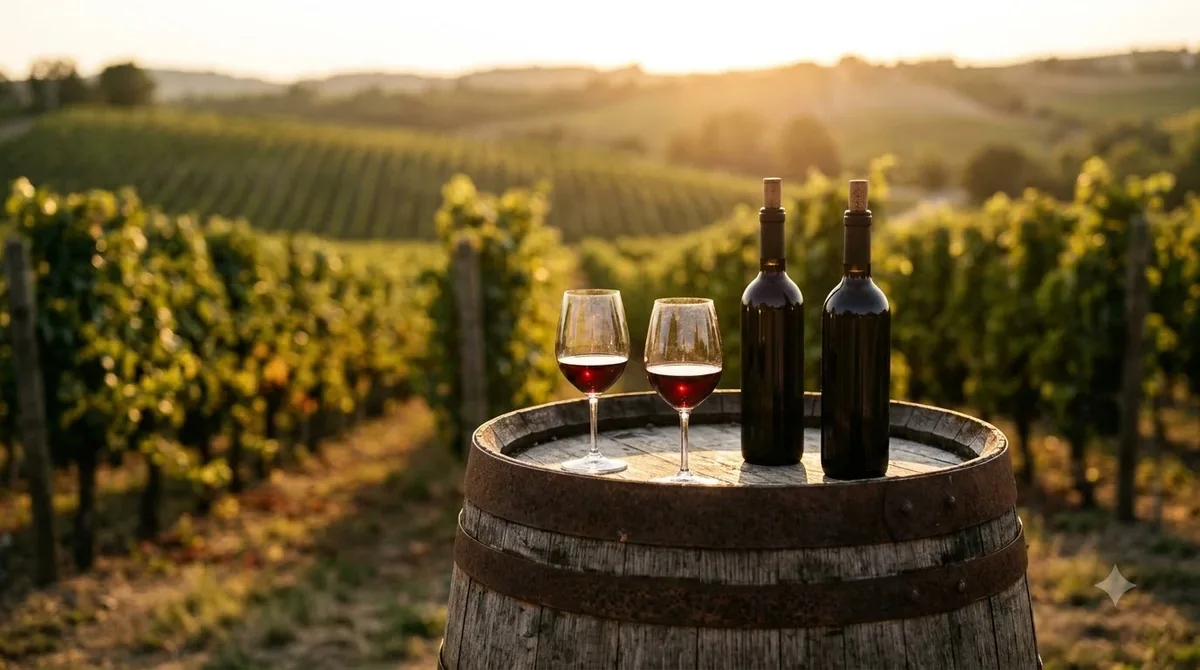
The Reserve Cabernet Sauvignon sits above the Estate in structure. The winery describes it as sturdy but balanced, with firmer tannins and brighter acidity, which makes it a better candidate for cellaring. If you want a wine that will change over several years, the Reserve is the bottle to look for.
The Merlot and Syrah are smaller parts of the portfolio. The 2021 Napa Valley Merlot is described as dark ruby, with plum and dark berry notes and rounded tannins. The 2022 Syrah blends fruit from Carneros and Atlas Peak and shows dark fruit, smoked meat, and herb notes, a more savory profile than the Cabernets. The Reserve Chardonnay is a separate story: the winery describes richly textured wines, and the style shifts from one vintage to the next, so it is worth checking the back label for oak and malolactic notes before you buy.
| Wine | How the winery describes it | Best way to think of it |
|---|---|---|
| Estate Cabernet Sauvignon | Dark fruit, dusty or gravelly tannins | Ripe, approachable everyday red |
| Reserve Cabernet Sauvignon | Sturdy but balanced, firm tannins, lively acidity | Structured bottle for cellaring or a special meal |
| Merlot (2021 Napa Valley) | Plum and dark berry, rounded tannins | Softer red for a weeknight dinner |
| Syrah (2022) | Dark fruit, smoked meat, herb | Savory red with a peppery edge |
| Reserve Chardonnay | Richly textured; style varies by vintage | Full white for rich dishes |
Why Screw Caps Became Part of the Story
PlumpJack is often mentioned in discussions of wine closures. The winery says it used screw caps early, beginning with a 1997 Reserve Cabernet Sauvignon that was bottled about half under screw cap and half under cork. That split bottling showed the winery was still comparing the two closures rather than switching all at once.
The winery’s reasoning is that a screw cap helps prevent cork taint, the musty off-flavor caused by TCA, and that differences between closures become more noticeable as wines age. The winery also points to a 2013 Reserve Cabernet Sauvignon under screw cap that received a 100-point score from Robert Parker. Those claims come from the producer and its own materials, so treat them as the house’s account of its choices rather than an independent verdict.
For a buyer, the practical point is simple. A screw cap does not signal a lesser wine at PlumpJack. The closure is a choice about how the wine is sealed, and it means you do not need a corkscrew, and you are less likely to meet a bottle spoiled by cork taint.
How to Serve PlumpJack Cabernet at Home
Young Cabernet Sauvignon from Napa usually shows best when it is served a little below room temperature rather than warm. A short rest in the refrigerator before pouring can help if the bottle has been sitting in a warm kitchen, and it keeps the fruit from tasting heavy.
Give the wine some air. A Reserve Cabernet with firm tannins often opens up after twenty to thirty minutes in the glass, and a gentle decant can soften the youngest bottles further. An Estate bottle needs less time because it is built to be more approachable from the start.
Once the bottle is open, re-cork it and keep it in a cool spot. A day or two of air often softens the tannins a little, but the fruit fades over time, so finish an opened Estate bottle within a few days.
Use a large, wide bowl glass for the reds. The extra surface lets the aromas develop, and the shape helps you judge how the tannins feel. Keep the Chardonnay in a standard white glass and serve it cool but not ice cold, so the texture stays visible.
Food Pairings That Suit the Lineup
Cabernet Sauvignon is a classic partner for grilled red meat, especially a ribeye or lamb chops with a little char. The tannins in a Reserve bottle cut through fat, while the dark fruit of the Estate pairs well with mushroom dishes, roasted root vegetables, and aged cheddar or Gouda.
The Syrah suits smoked or barbecued food, sausages, and dishes with black pepper or herbs. Its savory notes can stand up to bold sauces better than a lighter red would. The Merlot is the easiest bottle to serve with roast chicken, pork tenderloin, or a plate of pasta with tomato sauce.
The Chardonnay is the white to reach for with roast chicken, creamy pasta, or seared scallops. Because the winery describes its texture as rich, it works best with dishes that have some weight rather than a light salad.
Frequently Asked Questions
Is PlumpJack wine made in Napa Valley?
Yes. PlumpJack Winery is located in Oakville, in the Napa Valley of California. The estate is run by the PlumpJack Group, which also owns other Napa Valley labels.
What grape is PlumpJack best known for?
Cabernet Sauvignon. The Estate and Reserve Cabernets are the core of the portfolio, while Merlot, Syrah, and Chardonnay are smaller parts of the lineup.
Why does PlumpJack use screw caps?
The winery says screw caps help prevent cork taint and keep the wine’s character consistent over time. It began using them with a 1997 Reserve Cabernet Sauvignon and has continued to use them on many of its wines.
Should I decant PlumpJack Cabernet?
A young Reserve Cabernet usually benefits from some air, so a short decant or a long pour before drinking is a good idea. The Estate bottle is more approachable and needs less time.
PlumpJack is a good example of a Napa Valley house that has a clear identity: a Cabernet-led lineup, a long property history, and a willingness to rethink the closure. For more context on how the brand fits into the wider market, the Wine Brands guide covers the labels most often compared with it. If you are looking for a lighter, everyday red to set beside a Napa Cabernet, the barefoot wine guide explains how a mass-market brand approaches the same category.
More in Wine Brands
 Underwood Wine Price: Compare Bottles, Cans, and Pack SizesUpdated Nov 21, 2026
 Zenato Wine Price: Compare Styles and Choose the Right BottleUpdated Nov 21, 2026
 Zuccardi Wine Price: Compare Bottles and Find the Right RangeUpdated Nov 21, 2026
 Yellow Tail Moscato Review: Taste, Sweetness and Serving TipsUpdated Nov 21, 2026
 Wolf Blass Yellow Label Review: Choose Your Best StyleUpdated Nov 21, 2026
 Wolffer Estate Rose Review: Choose the Right Bottle for Your TableUpdated Nov 21, 2026