

We may earn a commission when you buy through links on this page, at no extra cost to you. Learn more.
The best pinot noir under 20 comes from value-focused producers in California, Oregon, Chile, and southern France that preserve fresh acidity, red-fruit character, and balanced tannins. The smartest purchase is usually an entry-level bottling from an established winery rather than an unfamiliar label promising expensive-wine character. Compare the growing region, producer, vintage, and expected flavor profile before choosing. You can find enjoyable everyday Pinot Noir without paying for famous vineyard names or prestigious appellations.
Pinot Noir has a reputation for being an expensive red wine, but a modest budget does not automatically mean sacrificing everything that makes the grape appealing. Affordable bottles can offer recognizable cherry, raspberry, strawberry, earthy aromas, and refreshing acidity when the grapes come from suitable growing conditions and the producer handles them carefully.
The challenge is knowing what to prioritize. Some inexpensive bottles emphasize ripe fruit and a soft texture, while others offer brighter acidity, herbal details, and more restrained flavors. Understanding those differences makes it easier to find a bottle for dinner, a casual gathering, or an introduction to Pinot Noir without spending beyond your intended budget.
Who This Is For
Affordable Pinot Noir is particularly suitable for drinkers who enjoy lighter red wines, want a flexible dinner companion, or prefer exploring different wine regions without committing to expensive bottles. A budget below twenty dollars works especially well for casual meals and everyday drinking.
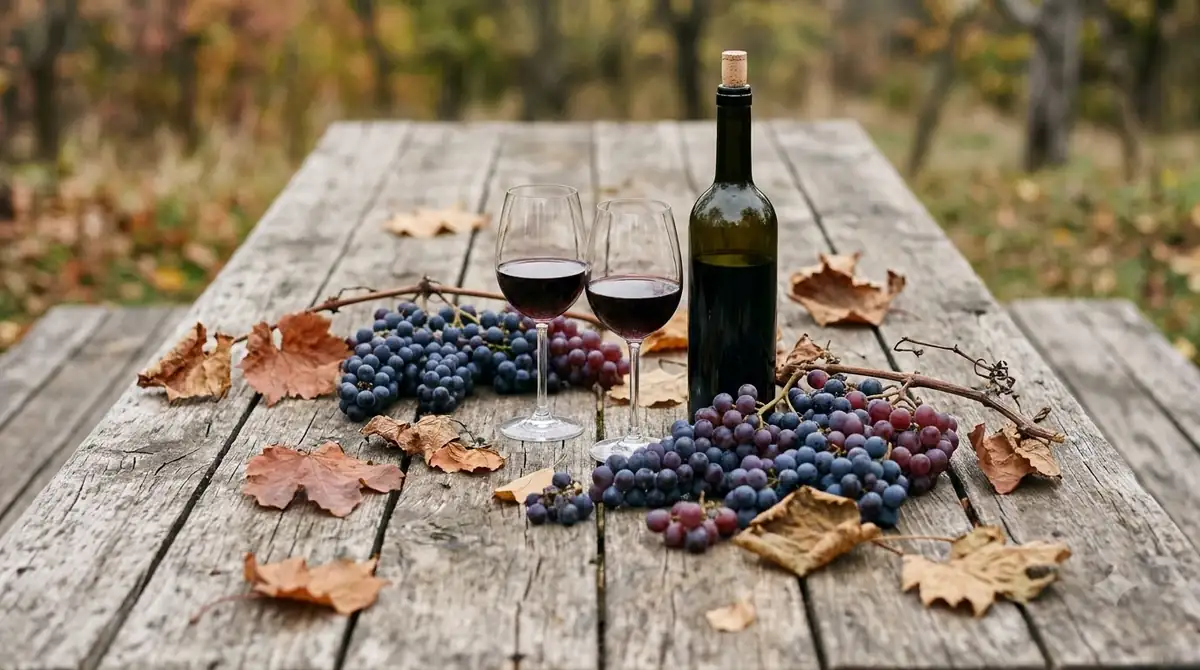
Start with the grape’s basic character. Pinot Noir generally has lower tannin than Cabernet Sauvignon, medium-to-high acidity, and a relatively light body. Its flavors commonly include red cherry, strawberry, raspberry, cranberry, and sometimes mushroom, dried herbs, or forest-floor notes. These characteristics make it a useful alternative when a heavier red feels excessive.
First-time Pinot Noir drinkers should consider approachable California bottlings. They often emphasize ripe fruit, softer tannins, and a rounded texture. These wines work for people who enjoy Merlot or softer red blends but want to explore something with more freshness and aromatic detail.
Drinkers who prefer savory, less fruit-driven wines may enjoy Oregon or French Pinot Noir. Oregon’s Willamette Valley is particularly interesting because its cooler growing conditions help retain acidity and produce wines with cherry, cranberry, and earthy characteristics. Regional French Pinot Noir can also provide a more restrained profile, although availability at this budget varies.
Affordable Pinot Noir is also useful for food-focused households. It pairs with roast chicken, grilled salmon, mushroom dishes, pork tenderloin, and roasted vegetables. Its lighter tannins make it less aggressive than Cabernet Sauvignon alongside delicate proteins.
However, this category is not ideal for everyone. If you prefer very dark fruit, high alcohol, and powerful tannins, a Syrah or Cabernet Sauvignon may provide more of the intensity you enjoy. Likewise, drinkers looking for a complex wine intended for decades of cellaring should consider a different spending category.
The goal is not to find an inexpensive imitation of prestigious Burgundy. It is to find a well-balanced wine that performs its intended job: delivering recognizable Pinot Noir character at a reasonable everyday price.
Key Factors to Compare
The strongest buying decisions come from comparing five things: region, producer, vintage, flavor profile, and structure. These factors reveal more about the likely drinking experience than an attractive label or an elaborate description.
| Factor | What to Look For | Why It Matters |
|---|---|---|
| Region | Oregon, California, Chile, or Pays d’Oc | Suggests the wine’s climate influence and flavor profile. |
| Fruit character | Cherry, raspberry, strawberry, cranberry | Helps identify freshness versus ripe, jammy flavors. |
| Acidity | Fresh, lively, balanced | Keeps the wine refreshing and food-friendly. |
| Tannin | Low to medium | Usually creates a softer, less drying finish. |
| Vintage | Recent available release | Affordable Pinot Noir is generally intended for early enjoyment. |
| Alcohol | Compare the stated ABV | Helps indicate the wine’s potential weight and ripeness. |
| Producer | Established winery with a consistent range | Provides a useful quality signal when choosing an entry-level bottle. |
Region should be your first comparison. California is a practical starting point because larger producers can source fruit across extensive growing areas. That scale makes it possible to offer recognizable Pinot Noir character without the costs associated with a small vineyard bottling.
Oregon deserves attention if you enjoy freshness and savory detail. Wine Enthusiast’s reviews of Willamette Valley wines such as Klee 2023 and Maidenhair 2023 highlight raspberry, herbs, black tea, and bright acidity. Their reviews demonstrate that Oregon can offer distinctive regional character even in entry-level wines.
Producer reputation is another useful shortcut. Established wineries have an incentive to maintain consistent quality across their product ranges. A less expensive bottle may use fruit from broader sourcing areas or younger vines, but it can still benefit from the winery’s established production standards.
Alcohol percentage is worth comparing, but it should not become the only measure of quality. A wine with higher alcohol may taste fuller and riper, while a lower-alcohol bottle may emphasize freshness. Neither automatically indicates that the wine is better.
For another perspective on choosing affordable wine across different categories, explore our wine-buying guide. The same principles of checking origin, producer, and intended drinking style apply to Pinot Noir.
Step-by-Step: How to Choose a Bottle
A reliable shopping process starts with the occasion and ends with a comparison of the actual wines available. Five straightforward steps can help narrow the selection without relying on expensive labels or vague tasting descriptions.
-
Decide on the flavor style.
Choose between fruit-forward and savory Pinot Noir. If you like ripe cherry, strawberry, and soft vanilla, begin with California. If you prefer cranberry, herbal notes, and earthier flavors, explore Oregon. -
Identify the growing region.
Look for California, Monterey County, Sonoma County, Willamette Valley, Marlborough, or Pays d’Oc. These names provide useful clues about the style you may encounter. A specific region can offer more information than a generic grape description. -
Choose an established producer.
Consider recognizable names such as Mark West, La Crema, A to Z Wineworks, Erath, or Cloudline. Their presence does not guarantee that every bottling will suit your palate, but established producers provide a reasonable starting point for comparison. -
Compare the vintage and wine description.
Affordable Pinot Noir generally benefits from being enjoyed relatively young. Look for a recent release and descriptions that mention fresh fruit, balanced acidity, and appropriate tannins rather than excessive sweetness or heavy oak. -
Match the wine to the meal.
Choose lighter, brighter Pinot Noir for salmon and roasted chicken. For duck, pork, or mushroom dishes, a slightly fuller bottle with more developed fruit and earthy details can work particularly well.
These steps also help prevent a common shopping mistake: assuming that the highest-rated wine is automatically the best purchase for every occasion. A critic may appreciate a structured Oregon Pinot Noir with firm tannins, while someone looking for a soft, uncomplicated dinner wine may prefer a fruitier California bottle.
Wine Enthusiast provides useful examples of how different affordable Pinot Noirs can perform. Its recommendations include Klee 2023 from Willamette Valley, Yering Station 2022 Little Yering from Victoria, and The Introvert 2023 Reserve from California. Their respective reviews describe noticeably different combinations of fruit, acidity, and texture.
For additional regional context, read Wine Enthusiast’s selection of Pinot Noir wines under twenty dollars. Its regional groupings are useful for comparing bottles by origin rather than treating every Pinot Noir as interchangeable.
Tip: When comparing two bottles, choose the one whose regional style and tasting description match your preferences. A fresh Oregon Pinot Noir and a ripe California Pinot Noir can both be good purchases even though they taste quite different.
It is also sensible to avoid buying several bottles of an unfamiliar wine immediately. Try one bottle first, evaluate whether its fruit, acidity, and texture suit your preferences, and then consider buying additional bottles of the same wine.
Types and Regional Styles Explained
Pinot Noir varies considerably by growing region. California generally offers riper fruit, Oregon emphasizes freshness and savory detail, and international alternatives from Chile, New Zealand, and France provide additional options for shoppers looking beyond domestic bottles.
California: Ripe and Approachable
California is one of the easiest places to begin shopping for inexpensive Pinot Noir. Large growing areas and broad regional sourcing help producers maintain accessible entry-level offerings.
Typical flavors include black cherry, strawberry, raspberry, vanilla, and gentle baking spice. The wines can feel rounder and fuller than cooler-climate examples, although individual producers vary considerably.
Monterey County is worth exploring because it offers a useful combination of fruit ripeness and freshness. Sonoma County is another interesting option, particularly for drinkers who prefer more aromatic wines and a recognizable sense of regional character.
Wine Enthusiast’s review of Carmel Road 2022 Pinot Noir from Monterey County describes dark plum, tree bark, baking spice, and pleasant oak. Its review of The Introvert 2023 Reserve Pinot Noir from California identifies Bing cherry, plum, strawberry, raspberry, and dried sage. These descriptions illustrate the range available within the state.
Oregon: Freshness and Savory Character
Oregon is a strong option for people who want Pinot Noir with bright acidity and more restrained fruit. The Willamette Valley is especially important because its climate supports the grape’s preference for cooler growing conditions.
Look for red cherry, cranberry, raspberry, black tea, herbs, and earthy details. Some wines have more noticeable tannin than their California counterparts, creating a firmer structure that works well with savory food.
Wine Enthusiast highlighted several Willamette Valley examples, including Klee 2023, Kudos 2023, and Maidenhair 2023. Its tasting descriptions include dark raspberry, herbs, blackberry, cinnamon, orange zest, and black tea.
These wines are useful examples of why Oregon should not be overlooked simply because its more famous vineyard bottlings often cost considerably more than everyday wines.
Chile: Fresh Fruit and Accessible Regional Character
Chile’s coastal valleys, including Casablanca and San Antonio, are useful regions for shoppers seeking lighter Pinot Noir. Cool maritime influences help preserve acidity and prevent the wines from becoming excessively heavy.
Typical flavors include tart cherry, cranberry, and dried herbs. These characteristics make Chilean Pinot Noir suitable for casual lunches, charcuterie, and lighter meals.
Wine.com identifies Chile as an important source of competitive Pinot Noir, particularly from coastal growing areas. These wines can be a sensible alternative when the domestic shelf selection is limited.
New Zealand: Aromatic and Bright
New Zealand provides another style worth considering. Marlborough is generally associated with accessible, aromatic Pinot Noir, while Central Otago tends to produce more concentrated examples.
Expect red plum, cherry, floral notes, and sometimes cracked pepper. The combination of fruit and acidity makes these wines attractive to people who usually prefer white wine but want to explore a lighter red.
France: Savory Alternatives
Southern France’s Pays d’Oc is worth exploring when looking for inexpensive French Pinot Noir. The wines can combine ripe black cherry and raspberry with dried cranberry and softer tannins.
Wine Enthusiast’s review of Le Charmel 2023 Pinot Noir from Pays d’Oc describes black cherry, red raspberry, dried cranberry, orange peel, and supple tannins. Its review of Paul Mas 2023 Réserve Single Vineyard Collection Pinot Noir highlights rhubarb, blackberry, rosehip, and dried strawberry blossom.
These examples demonstrate that French Pinot Noir does not have to come from prestigious Burgundy to provide enjoyable regional character.
Common Mistakes When Buying Affordable Pinot Noir
The most frequent purchasing mistakes involve confusing sweetness with ripe fruit, overlooking the producer, and expecting every regional style to taste the same. Understanding these differences makes it easier to avoid disappointing bottles.
Confusing Fruitiness With Residual Sugar
Pinot Noir can smell and taste strongly of ripe strawberries, cherries, raspberries, or plums without being sweet. These fruit aromas are not the same as residual sugar.
Some inexpensive bottlings are made in a soft, jammy style that creates a sweeter impression. That does not mean all affordable Pinot Noir tastes sweet. If you prefer dry reds, prioritize descriptions mentioning fresh acidity, tart cherry, cranberry, and a dry finish.
Drinkers who specifically enjoy sweeter wine can explore our guide to sweet Pinot Noir. It is useful to distinguish genuinely sweet styles from dry wines with ripe fruit aromas.
Assuming Every California Wine Is Better Than Oregon
California and Oregon offer different expressions of the grape rather than a simple quality ranking. California often emphasizes ripe fruit and a softer impression, while Oregon frequently provides more pronounced acidity and savory detail.
The right choice depends on the meal and personal preference. A California Pinot Noir can be an excellent match for grilled pork, while a brighter Oregon example may be more appealing alongside salmon or mushroom risotto.
Ignoring the Producer
A colorful label or elaborate description does not establish wine quality. Established producers with a track record in Pinot Noir offer a more useful starting point than unfamiliar brands with little regional or production information.
Consider the winery’s broader portfolio and whether its entry-level wine has a clear regional identity. A recognizable producer is not a guarantee, but consistency matters when buying wine regularly.
Expecting Expensive Burgundy Complexity
Inexpensive Pinot Noir is generally designed for accessible drinking rather than prolonged aging or exceptional complexity. Larger fruit sources, production volumes, and more economical winemaking decisions help keep these wines affordable.
Wine.com explains that broader fruit sourcing and higher vineyard yields distribute production costs across more bottles. Its discussion also identifies oak expenses as one factor separating entry-level wines from more expensive examples.
Consequently, shoppers should look for balance and enjoyable flavor rather than demanding the same concentration and complexity found in prestigious vineyard bottlings.
Buying Based on an Old Review Alone
Pinot Noir is sensitive to growing-season conditions. A review of one vintage does not necessarily describe the next release accurately.
For example, a favorable assessment of Klee 2023 should not automatically be applied to another vintage. Treat reviews as evidence about the specific wine and vintage being discussed, rather than a permanent guarantee about every bottle bearing the same name.
Finally, avoid assuming that a higher alcohol percentage automatically means better quality. A fuller, riper wine may suit some drinkers, but freshness and balance are often more important characteristics in an appealing Pinot Noir.
Care, Serving, and Storage Tips
Proper serving and storage can make a noticeable difference to inexpensive Pinot Noir. A little chilling, sensible bottle storage, and appropriate glassware help preserve its delicate fruit aromas and fresh character.
Serve Slightly Cool
Serve light-bodied red wines at approximately 55 to 60 degrees Fahrenheit. Pinot Noir generally benefits from this range because excessive warmth can make alcohol seem more prominent and cause the fruit to taste less fresh.
If the bottle has been stored at ordinary room temperature, place it in the refrigerator briefly before serving. Avoid serving it excessively cold, as very low temperatures can make the aromas seem muted and the acidity feel sharper.
Use an Appropriate Glass
A medium-to-large red wine glass gives Pinot Noir room to release its aromas. Its bowl should provide enough space to swirl the wine without spilling, while the opening should allow the drinker to appreciate cherry, raspberry, and earthy notes.
Specialty Burgundy glasses are not essential for everyday bottles. A standard red wine glass is perfectly suitable and provides a practical option for regular use.
Store Unopened Bottles Correctly
Keep bottles in a cool, dark location with a relatively stable temperature. Around 55 degrees Fahrenheit is a useful storage target for wine intended for longer keeping.
Traditional cork-finished bottles should generally be stored on their sides to help keep the cork from drying out. Avoid placing wine near ovens, radiators, sunny windows, or appliances that generate frequent temperature changes.
Affordable Pinot Noir rarely needs extended aging. Many entry-level examples are intended for enjoyment within the first few years after release, so there is little reason to purchase several bottles for long-term cellaring unless the producer specifically recommends it.
Preserve Opened Bottles
After opening, reseal the bottle and place it in the refrigerator. Even red wine benefits from refrigeration once oxygen has entered the bottle.
Most opened still wines remain enjoyable for approximately three to five days when properly refrigerated, although delicate Pinot Noir may lose some aromatic freshness before the end of that period.
Allow a refrigerated bottle to warm slightly before pouring another glass. This simple step helps restore its fruit aromas without exposing the remaining wine to prolonged warmth.
Pair With Food Thoughtfully
Pinot Noir’s acidity and relatively restrained tannins make it a flexible food wine. Grilled salmon, roast chicken, mushroom risotto, pork tenderloin, and roast duck are particularly useful matches.
For salmon, choose a bright Pinot Noir with fresh acidity and modest oak. Oily fish can clash with highly tannic red wines, but Pinot Noir’s comparatively gentle tannins make it a more suitable choice.
For mushroom risotto, seek wines with earthy, herbal, or black-tea characteristics. Those savory details complement the mushrooms and the creamy texture of the dish.
For roast chicken, a fruit-forward California Pinot Noir can match the browned skin and savory pan juices. A more structured Oregon example also works well with roasted poultry and herb-based seasoning.
Keep heavily spiced dishes in mind. Chili heat can become more pronounced alongside alcohol and tannin, so a moderately alcoholic, lighter Pinot Noir is generally preferable to a very ripe, powerful red.
Frequently Asked Questions
Is Pinot Noir considered a beginner-friendly red wine?
Yes, its relatively gentle tannins and aromatic red-fruit character make it accessible to many new red-wine drinkers. Pinot Noir is also useful for people transitioning from white wine because its acidity can keep the palate feeling fresh. A lightly chilled bottle can make the introduction even more approachable.
Can inexpensive Pinot Noir be organic?
Yes. Organic Pinot Noir is available from several wine-producing countries, including Chile and France. Organic certification concerns vineyard and production practices rather than guaranteeing a particular flavor or quality level. Look for an identifiable certification mark and producer information if organic production is important to your purchase.
Does Pinot Noir contain sulfites?
Most commercially produced wines contain sulfites, whether naturally produced during fermentation or added during winemaking. Pinot Noir is not an exception. Sulfite information and labeling requirements depend on the wine and the applicable regulations.
Is Pinot Noir suitable for cooking?
Yes. Dry Pinot Noir can be used in mushroom sauces, pan sauces for chicken, and red-wine reductions. Its lighter structure is particularly useful in recipes where a powerful Cabernet Sauvignon might dominate the other ingredients. Avoid using a wine with noticeable sweetness unless the recipe specifically calls for it.
What is the difference between Pinot Noir and Pinot Gris?
Pinot Noir is primarily used to make red wine, while Pinot Gris is a related grape variety that generally produces white wine. They belong to the same broader Pinot family but have different grape characteristics and typical wine styles. Pinot Gris commonly offers pear, apple, and citrus flavors rather than the cherry and raspberry profile associated with Pinot Noir.
The best inexpensive Pinot Noir is the bottle that combines a recognizable regional style, balanced acidity, enjoyable fruit, and a producer you can trust. Start with California for a softer, fruit-forward profile or Oregon for brighter acidity and more savory character, then explore Chile, New Zealand, and southern France as your preferences develop. Once you find a style you enjoy, comparing other wines from the same region is a practical way to make your next purchase more confidently.
More in Wine Buying Guides
 Cheap Red Blend: How to Find a Flavorful Bottle for LessUpdated Nov 20, 2026
 Pinot Grigio Gift: How to Choose a Bottle They’ll EnjoyUpdated Nov 20, 2026
 Best White Wine at Total Wine for Every MealUpdated Nov 20, 2026
 Wine Fridge Replacement Shelves: Find the Right FitUpdated Nov 20, 2026
 Best Sparkling Wine Under 20: Find Bubbles Worth BuyingUpdated Nov 20, 2026
 Best Wine For Birthday Celebrations With Perfect Party PairingsUpdated Nov 20, 2026