

We may earn a commission when you buy through links on this page, at no extra cost to you. Learn more.
Looking at pinot gris carbs, a standard 5-ounce glass of dry Pinot Gris contains roughly 3 grams of carbs, with most dry bottlings falling between 0 and 4 grams per serving. Those carbohydrates come almost entirely from residual grape sugar left unfermented in the wine, meaning a crisp, bone-dry bottle sits near the bottom of that range while an off-dry style climbs higher. Compared with sweet white wines or beer, dry Pinot Gris is naturally low in carbohydrates, though alcohol still contributes the vast majority of its roughly 122 calories per glass.
Understanding how sugar turns into alcohol—and why two bottles made from the exact same grape can hold noticeably different carb counts—makes it much easier to read a wine list or tech sheet with confidence. Whether you call it Pinot Gris or Pinot Grigio, the nutrition numbers depend far more on where the grapes were grown and how the winemaker finished fermentation than on the name printed on the front label.
Pinot Gris Carbs and Nutrition by Pour Size
Pour size is the single biggest variable in how many carbohydrates end up in your glass, because a generous restaurant or home pour often exceeds the standard 5-ounce benchmark. Knowing the exact breakdown across common serving sizes prevents accidental overcounting when you open a bottle with dinner.
According to USDA nutrition data for Pinot Gris (Grigio), a standard 5-fluid-ounce serving (147 grams) delivers 3 grams of total carbohydrates, 1.1 grams of sugars, 0.1 grams of protein, 0 grams of fat, and 122 calories. Because the wine contains zero dietary fiber, total carbohydrates and net carbohydrates are identical. Scaling those numbers down to a 1-ounce tasting pour gives you about 0.6 grams of carbs and 24 calories, whereas a heavy 8-ounce pour pushes intake close to 4.8 grams of carbs and nearly 200 calories.
| Serving Size | Volume / Weight | Total Carbs | Sugars | Calories |
|---|---|---|---|---|
| Tasting Pour | 1 fl oz (29 g) | 0.6 g | 0.2 g | 24 kcal |
| Standard Glass | 5 fl oz (147 g) | 3.0 g | 1.1 g | 122 kcal |
| Generous Pour | 8 fl oz (235 g) | 4.8 g | 1.8 g | 195 kcal |
| Half Bottle | 12.7 fl oz (375 ml) | 7.6 g | 2.8 g | 310 kcal |
| Full Standard Bottle | 25.4 fl oz (750 ml) | 15.3 g | 5.6 g | 620 kcal |
Notice how the calorie count rises much faster than the carbohydrate count as the glass fills up. Each gram of carbohydrate carries 4 calories, meaning the 3 grams of carbs in a standard pour account for only 12 calories—roughly one-tenth of the glass. Pure ethanol packs roughly 7 calories per gram, so the 11.5% to 13.5% alcohol by volume typical of dry Pinot Gris generates nearly all of the energy in the glass. Exploring different wine types shows this same pattern across almost every dry table wine on the shelf.
Where Carbs in Pinot Gris Come From
Carbohydrates in wine come from residual sugar, which is the natural glucose and fructose from grape juice that yeast does not convert into ethanol during fermentation. Once fermentation finishes, no starches or complex carbohydrates remain in the liquid.
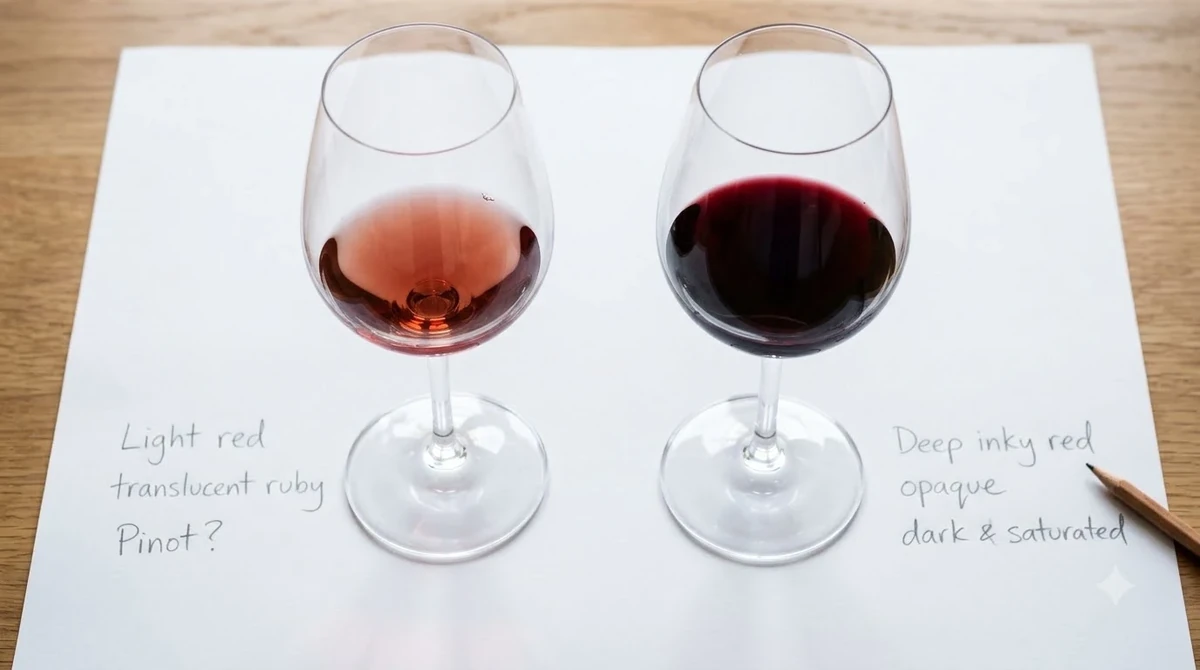
Freshly crushed Pinot Gris grapes start out packed with natural fruit sugars. During alcoholic fermentation, wine yeast consumes those sugars and converts them into alcohol and carbon dioxide. If the yeast ferments virtually all of the available sugar before running out of nutrients or being halted by the winemaker, the resulting wine is bone-dry and contains negligible carbohydrates. As Wine Folly’s guide to carbs in wine explains, dry wines with less than 2 grams per liter of residual sugar carry close to zero net carbs per glass.
Winemakers occasionally stop fermentation early by rapidly chilling the tank or filtering out the yeast. Leaving a small fraction of unfermented grape sugar behind rounds out sharp acidity, boosts fruit aromatics, and gives the wine a slightly plush mid-palate texture. Every 10 grams per liter of residual sugar translates to roughly 1.5 grams of carbohydrates in a standard 5-ounce (150-milliliter) pour, which means even a wine with a subtle hint of sweetness stays relatively modest in carbs compared with dessert wines or sweetened cocktails.
Trace compounds like glycerol—a natural fermentation byproduct that adds viscosity—and minor organic acids also show up in laboratory carbohydrate calculations, which is why USDA database averages sit around 3 grams per glass even when a dry Pinot Gris tastes crisp and completely unsweet.
How Regional Styles Change the Carb Count
Pinot Gris and Pinot Grigio are genetically the exact same grayish-purple grape mutation of Pinot Noir, yet regional winemaking traditions produce noticeably different sweetness and carbohydrate profiles. Where the bottle originates is one of the strongest clues to what sits inside.
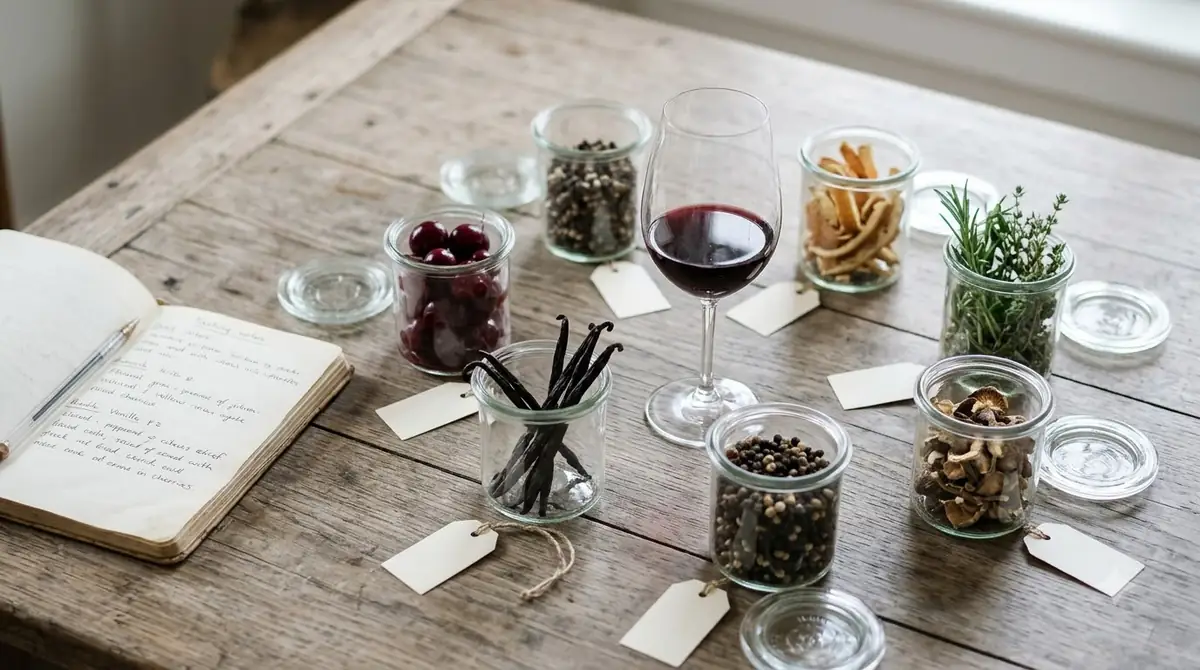
Northern Italian Pinot Grigio—especially bottles from Trentino, Alto Adige, and Friuli—is famous for brisk acidity, citrus and green apple notes, and a bone-dry finish. Producers in these alpine foothills harvest early to preserve freshness and ferment the juice completely dry, usually leaving 1 to 3 grams of residual sugar per liter, or roughly 0.15 to 0.45 grams of sugar per 5-ounce glass. Wine Folly notes in its comparison of Pinot Gris and Pinot Grigio that Italian bottlings lean toward bright acidity and bitter almond notes rather than plush fruit sweetness.
Alsace in northeastern France takes a richer approach with the exact same grape. Warm autumn weather allows Alsatian Pinot Gris to ripen longer on the vine, developing honeyed, spiced, and stone-fruit character. While many Alsatian bottles are fermented dry, others are finished off-dry—and late-harvest bottlings labeled Vendanges Tardives hold substantial residual sugar that pushes carbohydrates much higher. Oregon’s Willamette Valley and California fall somewhere in between, crafting fruit-driven, medium-bodied styles that are typically dry on the palate, though inexpensive mass-market supermarket bottles sometimes retain extra residual sugar to soften rough edges.
If you want to understand how those regional differences show up in aroma and texture, reading up on what Pinot Gris tastes like makes it much easier to tell whether a bottle leans crisp and lean or ripe and rounded before you pull the cork.
Pinot Gris Carbs Compared to Other Popular Drinks
Putting Pinot Gris side by side with other white wines, red wines, beer, and mixed drinks shows why dry white wine remains a staple for people watching carbohydrate intake. Among everyday fermented beverages, dry Pinot Gris lands near the low end of the spectrum.
Within the wine aisle, crisp whites such as Sauvignon Blanc, Muscadet, and dry Pinot Grigio sit in the same 0-to-4-gram range per 5-ounce glass. Brut Champagne and sparkling wines labeled Extra Brut or Brut Nature also stay low, typically under 2 grams per flute. Full-bodied reds like Cabernet Sauvignon or Merlot share similar low carb counts when fermented dry, though their higher alcohol levels add extra calories. Sweet white wines tell a very different story: an off-dry Riesling can carry 5 to 10 grams of carbs per glass, while Moscato d’Asti or late-harvest dessert wines easily exceed 15 to 20 grams in a single pour.
Outside of wine, a standard 12-ounce regular beer averages around 12 to 13 grams of carbohydrates from unfermented malted grains—roughly four times the amount in a standard glass of Pinot Gris. Light beers narrow that gap to 3 to 6 grams, while straight distilled spirits such as vodka, gin, and whiskey contain zero carbohydrates until paired with tonic water, juice, or simple syrup. Sommeliers interviewed in VinePair’s guide to carbs in wine note that non-alcoholic wine still contains its original carbohydrates, because dealcoholization removes ethanol without stripping out residual grape sugars.
How to Spot a Low-Carb Bottle of Pinot Gris
Because U.S. wine labels are not legally required to print nutrition facts or residual sugar numbers, shopping for a lower-carb Pinot Gris comes down to reading a few reliable clues on the front and back labels. Three quick checks narrow your options immediately.
First, look at the alcohol by volume (ABV) printed in small type on the front or back label. Dry cool-climate Pinot Gris and Pinot Grigio generally fall between 11.5% and 13.5% ABV. When a white wine from a cool region lists an unusually low ABV—such as 8% to 10.5%—yeast activity was often stopped early, leaving unfermented sugar behind in the bottle. Conversely, a dry 12.5% ABV bottling indicates that yeast converted nearly all the grape sugar into alcohol.
Second, pay attention to regional cues and French or Italian terminology. Bottles from Alto Adige, Friuli, Trentino, or Oregon’s Willamette Valley overwhelmingly favor dry winemaking. On French bottles from Alsace, look for the word “Sec” if printed, and steer clear of “Demi-Sec,” “Moelleux,” “Vendanges Tardives,” or “Sélection de Grains Nobles” unless you specifically want an off-dry or sweet dessert wine.
Third, check the winery’s website for a technical sheet, often called a “tech sheet.” Most quality producers publish downloadable PDFs for each vintage listing exact residual sugar in grams per liter (g/L). Any bottle reporting under 3 g/L of residual sugar translates to less than 0.45 grams of actual sugar per 5-ounce glass—about as close to zero-sugar wine as you can buy.
Tip: Search the wine’s exact name, vintage, and the phrase “tech sheet” on your phone while standing in the wine aisle—most producers list the exact residual sugar in grams per liter right next to the alcohol and acidity stats.
Serving Habits That Keep Your Pour on Track
Even the driest bottle of Pinot Gris can double your expected carbohydrate and calorie intake if your glassware and serving routine encourage oversized pours. Treating wine measurement with the same care as food portions keeps numbers predictable without taking any enjoyment out of the glass.
Standard stemmed white wine glasses are shaped to hold 10 to 14 ounces total so that a proper 5-ounce pour fills roughly one-third to one-half of the bowl, leaving room to swirl and concentrate aromas. Pouring to the widest point of the bowl gives you a reliable visual benchmark without needing a measuring cup at the dinner table. Learning how to serve Pinot Gris in the right glass also preserves aromatics so smaller pours feel complete and satisfying.
Temperature plays a subtle role in how sweet or dry a wine tastes. Serving Pinot Gris well chilled—around 45°F to 50°F—keeps its natural citrus acidity crisp and refreshing. Knowing whether Pinot Gris should be chilled helps prevent the wine from warming up too much in the glass, where alcohol and any trace sweetness become noticeably heavier on the palate. If you want to stretch a single glass over a long evening, alternating sips with cold sparkling water or making a white wine spritzer cuts both carbs and alcohol in half per glass.
Frequently Asked Questions
Do Pinot Gris and Pinot Grigio have the same number of carbs?
Yes, they are made from the exact same grape variety and share the same baseline nutrition profile of roughly 3 grams of carbs per 5-ounce glass. However, Italian-style Pinot Grigio is almost always fermented bone-dry, while French Pinot Gris from Alsace is occasionally made in an off-dry style with slightly higher residual sugar.
Is Pinot Gris considered a low-carb or keto-friendly wine?
Dry Pinot Gris fits easily into most low-carb eating plans because a standard 5-ounce pour contains around 3 grams of carbohydrates and just over 1 gram of sugar. Choosing a bone-dry bottling with under 3 grams per liter of residual sugar and keeping pours measured to 5 ounces helps keep daily totals low.
Why does Pinot Gris have calories if it has almost no carbs?
Most of the 122 calories in a standard glass of Pinot Gris come from alcohol rather than carbohydrates or sugar. Ethanol provides roughly 7 calories per gram, so a wine at 12.5% alcohol by volume gets around 90 percent of its calories from alcohol alone.
Does sweet or late-harvest Pinot Gris have more carbs?
Yes, off-dry and late-harvest Pinot Gris styles contain significantly more carbohydrates because fermentation is stopped before all the grape sugar turns into alcohol. Depending on how much residual sugar remains, a 5-ounce glass of sweet or late-harvest Pinot Gris can contain anywhere from 6 to over 15 grams of carbs.
At roughly 3 grams of carbs per 5-ounce pour, dry Pinot Gris gives you plenty of crisp citrus and orchard-fruit character without the heavy sugar load found in sweet whites or regular beer. Focusing on cool-climate dry regions, checking producer tech sheets when available, and sticking to a measured 5-ounce pour keeps every glass straightforward and predictable.
More in Wine Types & Grapes
 What Does Mourvèdre Taste Like? Flavor Profile, Regions, and PairingsUpdated Nov 20, 2026
 What Does Marsanne Taste Like? Flavors, Styles, and Food PairingsUpdated Nov 20, 2026
 What Does Malvasia Taste Like? Styles, Flavors, and Food PairingsUpdated Nov 20, 2026
 What Does Grenache Blanc Taste Like? Flavor Profile, Styles, and PairingsUpdated Nov 20, 2026
 What Does Garnacha Taste Like? Key Flavors, Styles, and Pairing TipsUpdated Nov 20, 2026
 What Does Fruit Wine Taste Like? A Complete Flavor and Style BreakdownUpdated Nov 20, 2026