

We may earn a commission when you buy through links on this page, at no extra cost to you. Learn more.
The pinot grigio price range spans from budget-friendly supermarket bottles to rare, small-production single-vineyard wines, with the vast majority of quality everyday bottles sitting in the lower-to-mid retail tiers. Unlike luxury red varieties where prices regularly climb into the hundreds, Pinot Grigio remains one of the most accessible white wines on the shelf because high-yielding vines and stainless-steel fermentation keep production costs modest. Stepping up just one tier from entry-level bottles often delivers dramatic improvements in minerality, texture, and regional character.
Walking down the white wine aisle can make Pinot Grigio feel interchangeable, especially when dozens of labels look nearly identical and share similar pale-yellow hues. Yet behind those labels sits a wide spectrum of farming practices, vineyard elevations, and cellar choices that directly dictate what a bottle costs and how it tastes in your glass. Understanding how pricing aligns with origin and winemaking style helps you avoid watered-down bulk wine and find bottles that overdeliver for the occasion.
What Pinot Grigio Is and Why Prices Vary
Pinot Grigio is the Italian name for Pinot Gris, a pinkish-gray skin mutation of Pinot Noir that produces dry, crisp white wines across northern Italy and beyond. While the grape itself is genetically identical wherever it grows, retail prices vary widely depending on vineyard yields, climate, and whether the winemaker prioritizes massive volume or site-specific complexity.
At the entry level, producers rely on fertile flatland vineyards capable of high crop yields. Grapes are harvested mechanically, fermented quickly in large temperature-controlled stainless-steel tanks, and bottled within months of harvest. Because the wine requires no oak barrels and minimal cellar aging, wineries can move enormous quantities to market rapidly, keeping the entry-level tier remarkably affordable for casual weeknight pouring.
Moving up the ladder requires deliberate sacrifices in volume and speed. In mountainous or hillside appellations, steep slopes demand hand harvesting, and rocky, low-fertility soils naturally restrict how much fruit each vine produces. Fewer grapes per acre mean concentrated flavors, higher farming labor per bottle, and smaller overall production runs. When winemakers also incorporate lees stirring, partial oak aging, or brief skin contact, the added time and cellar space push the bottle into higher price brackets.
The naming convention on the label offers another clue to how a bottle is positioned. Bottles labeled Pinot Grigio generally follow the leaner, lighter-bodied Italian model designed for early consumption, whereas bottles labeled Pinot Gris—most famously from Alsace, France, or Oregon’s Willamette Valley—often reflect riper harvests, richer textures, and slightly higher price points tied to fuller-bodied winemaking.
How Price Tiers Shape Flavor and Styles
Across the pinot grigio price range, each step up in cost corresponds to a noticeable shift in body, aromatic intensity, and finish. Entry-level bottles emphasize simple citrus and green apple refreshment, mid-tier selections introduce stony minerality and orchard fruit depth, and top-tier bottlings deliver layered texture capable of aging for several years.
In the most affordable bracket, wines are crafted for immediate, uncomplicated refreshment. Reviewers at Wine Enthusiast note that high-volume bottlings from broad regional appellations typically lean bright, crisp, and neutral, showcasing straightforward notes of lemon zest, green apple, and subtle white flowers. These wines are light on the palate, briskly acidic, and meant to be opened within a year or two of the vintage date on the label.
Stepping into the mid-tier sweet spot brings far greater dimension without sacrificing the grape’s signature freshness. Here, winemakers often leave the wine resting on its spent yeast cells—a technique called lees aging—for several months before bottling. This contact adds a subtle creamy weight to the mid-palate that balances the natural acidity, while aromas expand into ripe Bartlett pear, white peach, wet river stone, and delicate almond blossom.
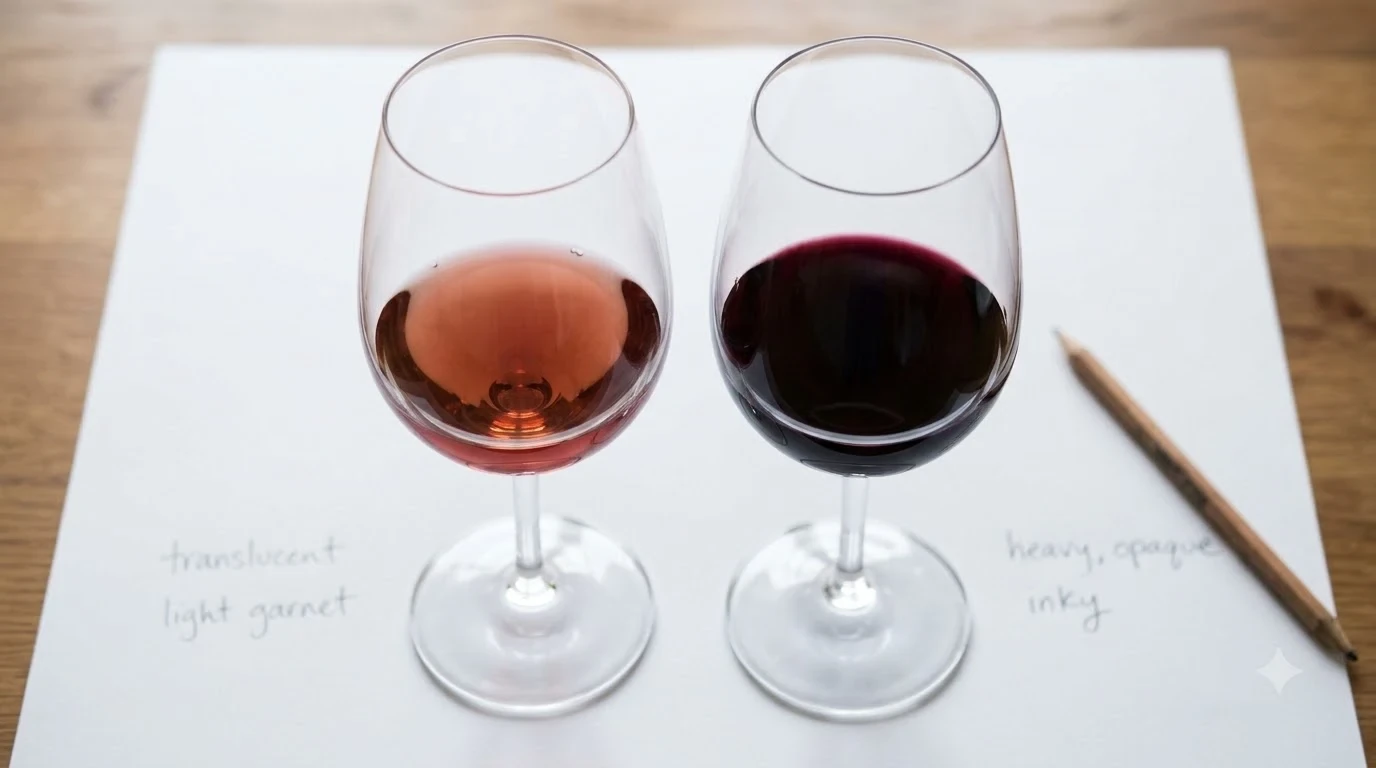
At the upper end of the market, Pinot Grigio sheds its reputation as a simple patio sipper and behaves like a serious, gastronomic white wine. Top-tier producers ferment portions of the harvest in neutral oak casks or large wooden barrels, softening sharp citrus edges into baked apple, honeysuckle, and subtle spice. Some Friulian estates also revive the traditional ramato method, allowing the crushed grapes to macerate on their copper-tinted skins before pressing, which imparts a deeper pinot grigio color alongside gentle grip and savory complexity.
| Price Tier | Typical Origin | Winemaking Approach | Flavor and Texture Profile | Best Occasion |
|---|---|---|---|---|
| Entry-Level | Delle Venezie DOC, California Central Valley | High-yield vineyards, stainless steel, rapid bottling | Light-bodied, tart lemon, green apple, neutral finish | Casual weeknight dinners, large parties, warm afternoons |
| Mid-Tier Sweet Spot | Alto Adige DOC, Friuli Grave, Willamette Valley | Hillside fruit, controlled yields, short lees contact | Crisp yet rounded, white peach, pear, wet stone minerality | Seafood dinners, antipasti boards, thoughtful hosting |
| Small-Production Reserve | Collio DOC, Friuli Colli Orientali, Single Vineyards | Low-yield old vines, neutral oak or extended lees aging | Medium-to-full body, baked orchard fruit, spice, long saline finish | Multi-course meals, cellar aging, special occasions |
Where the Best-Value Bottles Grow
Geography is the single most reliable predictor of both price and quality when shopping for Pinot Grigio. Northern Italy’s distinct alpine and coastal zones anchor the global market, while cool-climate New World regions offer compelling stylistic alternatives across similar mid-tier brackets.
Veneto and the broader Delle Venezie DOC supply the vast majority of entry-level Italian Pinot Grigio exported to the United States. The flat, fertile plains stretching between Venice and Verona allow massive commercial production, yielding dependable, crisp bottles at accessible everyday prices. While pleasant and clean, these broad-appellation wines rarely capture the nuanced character of Italy’s northern foothills.
Just north of Veneto, Trentino-Alto Adige sits tucked into the Dolomite mountains, where dramatic elevation changes create warm, sunny days followed by chilly alpine nights. This diurnal temperature swing preserves razor-sharp acidity while allowing grapes to ripen fully. Alto Adige bottles sit squarely in the mid-tier value sweet spot, offering extraordinary precision, lime zest, and crushed-rock minerality that consistently outperform their modest price premium.
Further east near the Slovenian border, Friuli-Venezia Giulia—particularly the hillside appellations of Collio and Friuli Colli Orientali—represents the pinnacle of Italian Pinot Grigio. Marl and sandstone soils known locally as ponca combine with Adriatic sea breezes to yield fuller-bodied, aromatic wines that command upper-tier prices. Outside Italy, Oregon’s Willamette Valley and New Zealand’s Marlborough produce vibrant, fruit-forward Pinot Gris in the mid-tier range, whereas warmer California regions deliver riper, melon-driven expressions at budget-to-mid prices. Exploring these regional profiles alongside broader Wine by Type categories reveals just how responsive this grape is to its environment.
How to Serve and Store Pinot Grigio
Proper temperature control and glassware make even a modest mid-tier bottle taste noticeably more expressive, while serving the wine too cold can mask the subtle aromatics you paid extra to enjoy. Crisp, stainless-steel styles perform best well-chilled, whereas richer, barrel-aged bottles benefit from slightly warmer service.
According to Wine Enthusiast, crisp white wines like Pinot Grigio reach their ideal serving window after about one and a half hours in a standard refrigerator, bringing them into the refreshing 45 to 50 degrees Fahrenheit range. Serving entry-level and mid-tier bottles at this chill highlights their lively citrus acidity and keeps the finish snappy. However, if you open an upper-tier reserve bottle from Friuli or Alsace that spent time on lees or in oak, letting it warm closer to 50 to 55 degrees Fahrenheit prevents the cold from muting its floral and mineral complexity.
Alcohol levels also play a quiet role in serving temperature. Light, crisp Italian styles typically sit between 11.5% and 12.5% ABV, meaning they stay balanced and refreshing straight from an ice bucket. Fuller-bodied Pinot Gris bottlings from warmer climates or late harvests can reach 13% to 14% ABV; serving these slightly less icy keeps the alcohol integrated with the fruit. For specific glassware shapes and chilling timelines, follow a dedicated how to serve pinot grigio guide before uncorking.
Regarding storage, roughly ninety percent of Pinot Grigio on retail shelves is meant to be consumed within one to two years of the vintage date. Store unopened bottles on their sides in a cool, dark spot away from kitchen heat, and recork leftovers tightly in the refrigerator, where most bottles stay fresh for two to three days.
Food Pairings by Bottle Tier
Matching your bottle tier to the weight of your meal ensures neither the food nor the wine overwhelms the other. Lighter, high-acid entry-level bottles shine alongside simple, salty appetizers, while richer mid- and upper-tier selections possess enough body to stand up to roasted poultry and creamy sauces.
Entry-level Pinot Grigio acts like a squeeze of fresh lemon over light fare. Its brisk acidity cuts cleanly through fried calamari, shrimp cocktail, caprese salad, and fresh goat cheese without clashing with delicate herbs or olive oil. Because these bottles lack heavy oak or tannin, they also serve effortlessly as a standalone aperitif before dinner begins.
Mid-tier bottles from Alto Adige or Oregon bring extra mid-palate weight and stone-fruit character that open up heartier coastal dishes. Pair these wines with grilled sea bass, linguine with clams, pan-seared scallops, or spring vegetable risotto. The wine’s mineral backbone mirrors the brininess of shellfish while its riper pear and peach notes complement sweet herbs like basil and tarragon.
When pouring an upper-tier reserve or skin-contact ramato bottling, treat it almost like a light red wine at the dinner table. The added texture, savory depth, and subtle spice hold their own against roast chicken with herbs, pork tenderloin, mushroom pasta, or aged semi-hard cheeses like Asiago and Gruyère.
How to Choose the Right Bottle for Your Budget
You do not need to buy the most expensive label on the shelf to get an exceptional glass of Pinot Grigio, provided you know which label cues signal genuine craftsmanship. Reading the appellation, vintage, and producer details lets you consistently land in the highest-value tier for your meal.
Tip: Check the vintage date before buying—unless you are purchasing an upper-tier reserve bottling from Collio or Alto Adige, always reach for the most recent harvest year on the shelf to guarantee peak freshness.
Start by scanning the geographical designation beneath the grape name. If a bottle simply lists broad regional terms like Delle Venezie or California, expect an easygoing, crowd-pleasing wine suited for casual gatherings. If your budget allows a modest step up, look for specific sub-regions printed clearly on the front label, such as Alto Adige DOC, Collio DOC, Friuli Colli Orientali, or Willamette Valley. These tighter geographical boundaries enforce stricter yield limits and higher quality standards.
Next, pay attention to closure types and bottle weight. Many high-quality, crisp Pinot Grigios from Italy, Oregon, and New Zealand use screw caps intentionally to preserve delicate aromatics and prevent cork taint, so never mistake a screw cap for inferior quality. Conversely, unusually heavy glass bottles do not guarantee superior wine inside; focus instead on reputable estate names and transparent back-label notes mentioning stainless steel versus barrel aging. Comparing how regional terroir drives white wine pricing alongside the pinot noir price range also illustrates why white varieties offer far more value in everyday tiers.
Frequently Asked Questions
Why is Pinot Grigio generally less expensive than Chardonnay or Pinot Noir?
Pinot Grigio vines produce generous crop yields in fertile regions, and most bottles are fermented in stainless-steel tanks without expensive oak barrels or extended cellar aging. Because wineries can bottle and release the wine within months of harvest, production costs stay low and retail prices remain accessible.
Is there a big quality difference between entry-level and mid-tier Pinot Grigio?
Yes, stepping up from entry-level bulk bottlings to mid-tier wines from mountain or hillside appellations like Alto Adige delivers a major jump in concentration and character. Lower vineyard yields and cooler night temperatures create brighter acidity, distinct wet-stone minerality, and fuller orchard fruit flavors.
Can expensive Pinot Grigio be aged in a wine cellar?
While most everyday Pinot Grigio tastes best within one to two years of harvest, upper-tier single-vineyard bottlings from Collio, Friuli Colli Orientali, and Alto Adige can evolve gracefully for three to five years or longer. Over time, their bright citrus notes soften into complex aromas of honey, toasted almond, and dried herbs.
Does Pinot Gris cost more than Pinot Grigio?
Bottles labeled Pinot Gris often sit slightly higher on average than basic Italian Pinot Grigio because they frequently come from smaller-production regions like Alsace or Oregon and involve riper harvests or lees aging. However, both names refer to the exact same grape variety, and top Italian estates command similar upper-tier prices.
Shopping across the pinot grigio price range comes down to matching the bottle’s origin and winemaking style to your table. Whether you grab a crisp, stainless-steel pour for a Tuesday night salad or seek out a textured hillside bottling from northern Italy for a weekend dinner, knowing what drives each tier ensures you never overpay for simple refreshment—or miss out on the grape’s deeper potential.
More in Wine Types & Grapes
 What Does Mourvèdre Taste Like? Flavor Profile, Regions, and PairingsUpdated Nov 20, 2026
 What Does Marsanne Taste Like? Flavors, Styles, and Food PairingsUpdated Nov 20, 2026
 What Does Malvasia Taste Like? Styles, Flavors, and Food PairingsUpdated Nov 20, 2026
 What Does Grenache Blanc Taste Like? Flavor Profile, Styles, and PairingsUpdated Nov 20, 2026
 What Does Garnacha Taste Like? Key Flavors, Styles, and Pairing TipsUpdated Nov 20, 2026
 What Does Fruit Wine Taste Like? A Complete Flavor and Style BreakdownUpdated Nov 20, 2026