


We may earn a commission when you buy through links on this page, at no extra cost to you. Learn more.
Petrus wine price typically ranges from about $2,100 to $8,700 for a 750 ml bottle in the U.S. market, depending on vintage, availability, and bottle condition. Certain exceptional vintages and rare older bottles can command considerably more. Understanding the Pomerol estate’s reputation, limited production, and the importance of provenance helps buyers evaluate whether a particular bottle is worth its asking price.
Pétrus is one of Bordeaux’s most sought-after red wines, produced in the small Pomerol appellation on the Right Bank. Its reputation rests on Merlot grown in distinctive blue clay soils, careful vineyard selection, and a long-standing association with exceptional wine quality. Unlike wines that compete primarily on brand recognition or marketing, Pétrus occupies a distinctive position in the fine-wine market because of its vineyard, production practices, and collector demand.
However, there is no single standard retail price. A recently released vintage, a mature bottle with documented cellar history, and a rare collectible vintage can occupy very different price categories. This guide explains the major pricing factors, how to compare bottles, what to inspect before purchasing, and how to protect a valuable investment in wine.
Who Should Consider Buying Pétrus?
Pétrus is primarily suited to serious Bordeaux collectors, experienced wine enthusiasts, and buyers looking for a significant bottle for a special occasion. Its pricing and aging potential make it a very different purchase from an everyday Merlot or an affordable bottle of Bordeaux Supérieur.
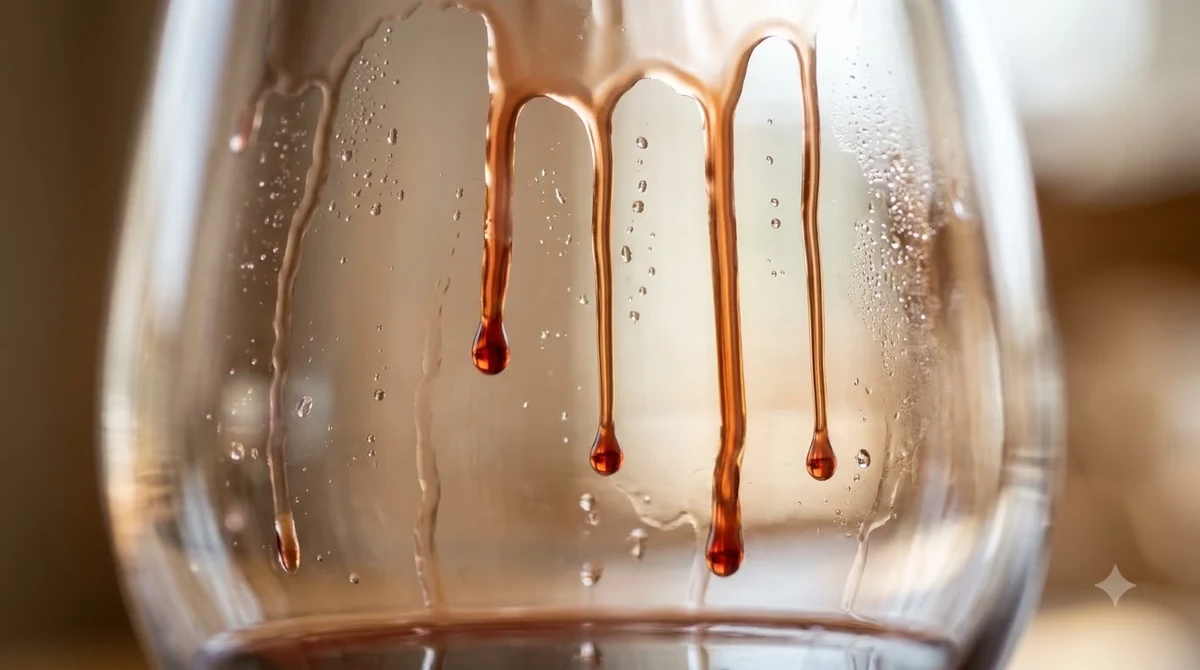
The estate is located on the Pomerol plateau in Bordeaux’s Right Bank wine country. The MICHELIN Guide describes its vineyard as just under 11 hectares, predominantly planted with Merlot. Dreyfus, Ashby & Co. gives the vineyard area as 11.5 hectares and identifies its blue clay soil as a defining characteristic. These slightly different reported measurements reflect the sources’ descriptions, but both establish that Pétrus comes from a relatively small vineyard.
The wine appeals to several types of buyers:
- Established Bordeaux collectors: Collectors who already understand vintage variation, cellar conditions, and the difference between a retail listing and a verified secondary-market bottle may find Pétrus an important addition to a serious collection.
- Special-occasion buyers: A bottle may be selected for a milestone birthday, anniversary, important dinner, or another event where a prestigious Bordeaux wine is appropriate.
- Experienced Merlot enthusiasts: Buyers interested in the depth, structure, and aging potential of high-quality Merlot can explore what a distinctive Pomerol terroir contributes to the grape.
- Wine investors and resellers: Some buyers monitor Pétrus as a collectible asset, although wine prices can fall and resale is never guaranteed.
- Gift buyers: A carefully selected bottle can make a memorable gift, particularly when its vintage has personal significance to the recipient.
There are also good reasons to skip this purchase. Someone looking for an inexpensive introduction to Bordeaux, an uncomplicated weekday red, or a wine to open without concern for provenance may receive better value from another producer. Pétrus is not a necessary purchase for understanding Merlot or appreciating Pomerol.
Readers exploring the broader category can start with this overview of Wine Brands. It provides a wider perspective on how producers, regions, and wine styles differ in reputation and market position.
The most important distinction is between buying Pétrus because its style genuinely interests the buyer and purchasing it simply because the label is famous. The former creates a more meaningful wine experience, while the latter can lead to paying a substantial premium without understanding what makes a particular bottle special.
Key Factors That Determine Pétrus Wine Price
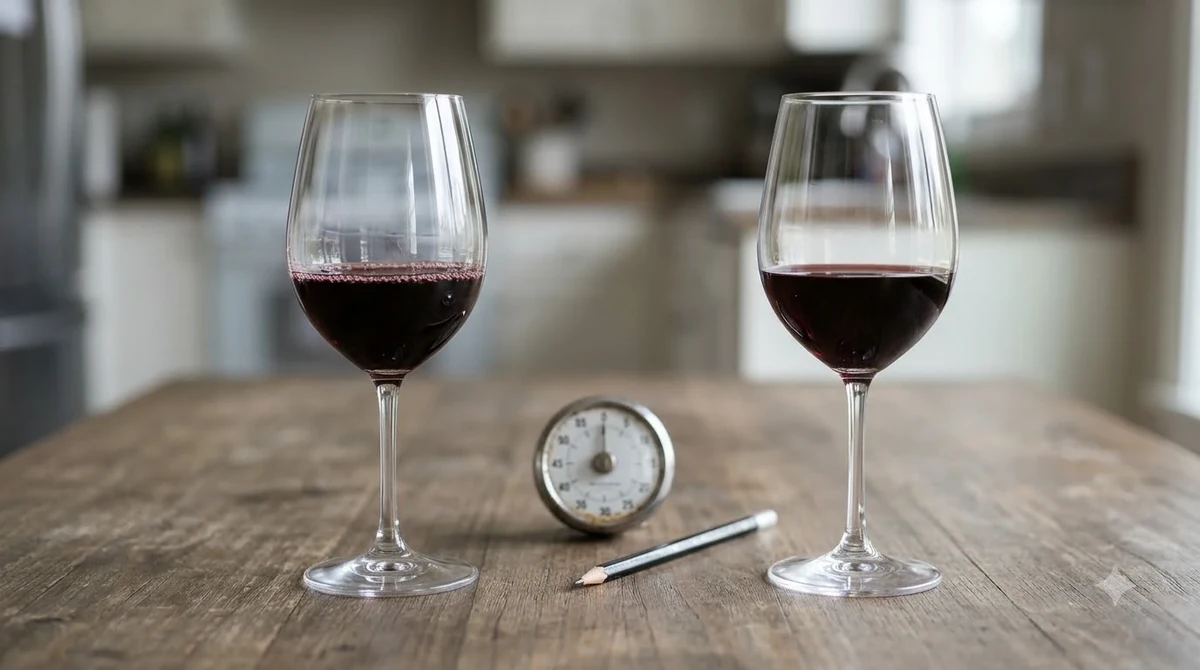
Vintage, provenance, bottle condition, and market availability are the main factors behind the cost of Pétrus. Two 750 ml bottles bearing the same producer name can have significantly different asking prices because their production years and storage histories are not identical.
Vintage quality and growing conditions
Every vintage reflects a different growing season. Temperature, rainfall, sunshine, and harvest timing influence grape ripeness, concentration, acidity, and tannin structure. These differences matter particularly for a wine intended to mature over many years.
The MICHELIN Guide identifies harvest timing as one of the most important decisions at Pétrus. In warmer growing seasons, the resulting wine can show considerable power and tightly structured tannins, supporting extended aging. This helps explain why certain vintages attract stronger collector demand than others.
A highly regarded vintage can command a premium because buyers anticipate greater complexity, consistency, and cellaring potential. However, a famous vintage is not automatically the right purchase for every collector. Drinking preferences, maturity, and bottle condition should all influence the decision.
Vineyard size and production
Pétrus comes from a vineyard of approximately 11 hectares on the Pomerol plateau. This is a relatively small growing area compared with many major Bordeaux estates. A limited vineyard footprint restricts the amount of fruit available for the estate’s Grand Vin.
The blue clay beneath the vineyard is especially important to the estate’s identity. It retains water and creates distinctive growing conditions for Merlot. The MICHELIN Guide describes the wine as deeply influenced by this terroir, while Dreyfus, Ashby & Co. emphasizes the estate’s strict vineyard selection and green-harvesting practices.
Production decisions also influence supply. According to Dreyfus, Ashby & Co., green harvesting can remove as much as 50% of the crop in certain years. The purpose is to concentrate the quality of the remaining grapes rather than maximize the number of bottles produced.
Provenance and bottle condition
Provenance refers to a wine’s ownership and storage history. For a valuable collectible bottle, it is an essential part of the purchase decision. A bottle with documented ownership and continuous professional storage can be more attractive than one with an uncertain history, even if both carry the same vintage label.
Physical condition matters too. Buyers should examine the fill level, cork position, capsule, label, and signs of leakage. A damaged label does not automatically mean the wine is spoiled, but it can affect collector appeal. A low fill level, pushed cork, or sticky residue around the capsule may indicate exposure to excessive heat or poor storage.
Retail demand and availability
Pétrus attracts international demand from private collectors, fine-wine merchants, restaurants, and auction buyers. Its market is not limited to Bordeaux or France. Bottles circulate through established retailers and specialist auction houses, creating a market where the same vintage may appear at different prices.
Vinoalert tracks offers from 139 retailers and reports a substantial difference between individual vintage listings. Its tracked average across offers is approximately $5,060 per 750 ml bottle, although this figure combines many vintages and offer types. It should be treated as a market indicator rather than a universal retail quote.
The platform also distinguishes between individual retail bottles, case-only offers, pre-arrival purchases, in-bond listings, and auctions. Those categories involve different purchasing conditions, so a headline price should never be compared without understanding what is included.
| Pricing factor | What buyers should compare | Why it matters |
|---|---|---|
| Vintage | Production year and growing-season reputation | Influences quality expectations and collector demand |
| Vineyard | Approximately 11 hectares | Reflects the limited source of the estate’s wine |
| Grape variety | Merlot | Defines the wine’s principal varietal character |
| Oak aging | 18 months; 50% new French oak | Contributes to structure and maturation |
| Bottle format | 375 ml, 750 ml, 1.5 L, and larger formats | Changes the total purchase cost and aging conditions |
| Provenance | Ownership records and storage documentation | Helps establish authenticity and condition |
| Market channel | Retail, auction, or in-bond purchase | Changes fees, taxes, delivery, and buyer obligations |
For a practical comparison, Vinoalert’s tracked U.S. retail offers show approximately $2,100 to $8,700 for many available 750 ml vintages, with individual vintage ranges extending beyond that band; prices vary by state and retailer. The 2022 vintage, for example, has a recorded offer range of approximately $5,293 to $11,482 on the same platform, illustrating why vintage-specific comparisons are more useful than relying on a single average.
For additional estate information, the Dreyfus, Ashby & Co. Pétrus producer profile describes the vineyard, harvesting, fermentation, and oak-aging practices that help explain the wine’s reputation.
Step-by-Step: How to Evaluate a Pétrus Bottle Before Buying
A careful purchase starts with the vintage and ends with a verification of the individual bottle. Following a consistent process helps buyers distinguish a well-documented collectible from an expensive listing that carries unnecessary uncertainty.
-
Choose the intended vintage.
Begin by deciding whether the bottle is intended for immediate drinking, future cellaring, or collecting. A mature vintage may suit someone planning a special dinner soon, while a younger vintage may appeal to someone prepared to store the wine for additional years. Compare the vintage’s reputation with the intended drinking date rather than choosing only by age.
-
Establish a realistic market range.
Compare multiple offers for the exact same vintage and bottle size. Vinoalert provides a useful overview of retailer listings and separates offers by vintage, format, and sales type. Avoid comparing a 750 ml retail bottle with a case-only price or an in-bond listing without accounting for the different terms.
-
Check the seller’s reputation.
Choose a specialist fine-wine merchant, recognized auction house, or established retailer with a clear history of selling collectible wine. Review the seller’s return policy, shipping arrangements, storage disclosures, and documentation. An unusually low offer from an unfamiliar seller deserves additional scrutiny.
-
Request provenance documentation.
Ask where the bottle was stored, how long the seller has held it, and whether ownership records are available. Professional cellar records, invoices, and previous auction documentation can strengthen confidence in the bottle’s history. For a particularly expensive purchase, request photographs of the actual bottle rather than relying exclusively on a generic product image.
-
Inspect the bottle condition.
Examine the fill level, capsule, cork position, label, and glass. Look for signs of seepage, damaged packaging, unusual discoloration, or a pushed cork. For an older bottle, minor cosmetic wear may be expected, but evidence of heat damage or leakage should prompt questions before payment.
-
Compare the complete purchase cost.
Include applicable sales taxes, shipping, insurance, buyer’s premiums, storage charges, and import costs where relevant. An auction bid is not necessarily the final amount paid. An in-bond purchase also requires careful consideration of duties and taxes before the bottle can be delivered for consumption.
-
Confirm delivery and storage arrangements.
Fine wine should not be left in a hot delivery vehicle or exposed to large temperature changes. Arrange suitable delivery conditions and prepare a stable storage location before the bottle arrives. Keep all purchase records and original packaging where practical.
This process may seem extensive for a single bottle, but the potential cost makes the additional checks sensible. A buyer who spends time verifying the seller and storage history is in a much stronger position than someone choosing solely by vintage reputation.
Tip: Ask for photographs showing the actual fill level, capsule, cork area, and front and back labels before purchasing an older Pétrus. For a collectible bottle, documented provenance and physical condition are more important than a seller’s description of the vintage alone.
Another useful practice is to keep a record of comparable offers. Save the vintage, bottle format, seller, quoted price range, condition description, and purchase terms. This makes it easier to recognize whether a new listing is genuinely competitive or simply presented with persuasive marketing.
Types and Vintage Styles Explained
Pétrus is best understood as a single-estate wine whose character changes with the vintage, rather than a broad collection of unrelated product lines. Its Merlot foundation remains central, but differences in growing conditions, bottle age, and storage can create substantial variation between releases.
Young Pétrus vintages
Young bottles generally retain more primary fruit and firm structure. Depending on the growing season, the wine may show dark plum, blackberry, concentrated fruit, and tightly integrated tannins. Its texture and aromatic complexity continue to develop as the wine matures.
A younger vintage can be appropriate for collectors building a cellar with a longer time horizon. It may also be preferable to a very old bottle when the buyer wants a wine with more predictable condition and a longer potential drinking window.
However, young does not necessarily mean inexpensive. Current releases can attract considerable demand before they become widely available in the secondary market. The vintage, allocation, and seller’s market position all influence the asking price.
Mature Pétrus vintages
With sufficient bottle age, Merlot-based Pomerol can develop more complex aromas and a softer texture. Dark fruit may give way to dried fruit, earthy notes, truffle, and other savory characteristics. The balance between fruit, acidity, and tannin changes gradually as the wine evolves.
Mature bottles can be attractive to buyers who want to drink the wine rather than wait for further development. However, the condition of an older bottle becomes increasingly important. A wine from a celebrated year may still disappoint if it has been stored poorly.
Older vintages should therefore be evaluated individually. Age, reputation, and market price do not establish that a particular bottle is ready to drink or guaranteed to be sound.
Rare and collectible vintages
Some vintages become particularly desirable because of their historical reputation, limited availability, and strong collector interest. These bottles can move well beyond the pricing associated with more commonly available releases.
Vinoalert’s vintage data illustrates this variation. Its recorded offers for the 2022 vintage extend to approximately $11,482 per 750 ml bottle, while the 2018 vintage has recorded offers ranging from approximately $3,347 to $7,619. These are platform-tracked offer ranges, not guaranteed transaction values, and prices vary by state and retailer.
Collectors should be especially careful with rare bottles because the market value can depend heavily on the exact condition and ownership history. A bottle with a strong reputation but uncertain storage may be less attractive than a less famous vintage with excellent documentation.
Understanding Pétrus within Pomerol
Pétrus belongs to the Pomerol appellation, a small region on Bordeaux’s Right Bank near Libourne. Pomerol wines are generally Merlot-led, often supported by Cabernet Franc. Its wines can show substantial concentration and texture, although the character varies between individual estates and vineyards.
One important distinction is that Pomerol has no official Bordeaux classification comparable with the classifications associated with certain other Bordeaux regions. Pétrus therefore does not depend on an official First Growth designation to establish its reputation. Its standing comes from the estate’s history, vineyard character, wine quality, and international demand.
For buyers who want to understand the producer itself before comparing bottles, our Pétrus wine overview provides additional background on the estate and its wine style. Those looking at the broader grape category can also explore Barefoot wine to see how a more accessible Merlot-based wine purchase differs from a rare Pomerol collectible.
Common Mistakes When Comparing Pétrus Prices
The most frequent buying mistakes involve comparing different vintages, overlooking bottle condition, and treating auction prices as equivalent to retail prices. A careful comparison must account for the complete transaction rather than the number displayed beside a bottle.
Assuming every vintage has the same value
Pétrus is not sold at one fixed price. Growing conditions, wine quality, release availability, and collector interest influence each vintage independently. A buyer who compares a younger release with a mature collectible without considering these differences may reach the wrong conclusion about market value.
Even bottles from the same vintage can carry different asking prices because of storage history, seller location, and presentation. Compare like with like: the same vintage, bottle size, condition, and sales category.
Confusing auction prices with retail prices
Auction results can provide valuable market information, but they do not automatically represent the amount a buyer will pay at retail. Auctions may involve a buyer’s premium, shipping, taxes, and additional administrative costs.
WineAuction.ai reports an average auction price of approximately $2,999 for Pétrus across its five-year tracking period. The same platform identifies 3,766 auction sales in that period. These historical auction figures should not be treated as equivalent to current retail offers because the vintages and transaction circumstances differ.
Buyers should also distinguish between a current bid and a completed sale. A displayed auction bid may change before the lot closes, and the final payment can exceed the displayed figure after premiums and other charges are included.
Ignoring provenance because the label looks convincing
Counterfeit and improperly stored collectible wines are important concerns in the luxury wine market. A convincing label alone is not sufficient proof that a bottle is genuine or in good condition.
Look for a consistent ownership history, credible seller information, and photographs that correspond to the actual bottle. For a high-value transaction, specialist authentication advice may be appropriate. Keep invoices, shipping records, and any certificates or documentation supplied with the purchase.
Buying a famous vintage without considering drinking readiness
A prestigious vintage may be desirable, but its maturity must match the buyer’s expectations. A young Pétrus can require considerable additional cellaring before its structure and aromas reach the preferred stage of development.
Likewise, an old bottle can be fragile. Its condition may be more important than its theoretical drinking window. Buyers planning a special dinner should consider whether the bottle has a reliable storage history and whether its expected maturity suits the occasion.
Assuming a high asking price guarantees quality
A premium price does not guarantee that an individual bottle will deliver an exceptional experience. Storage problems, transport damage, and cork-related faults can affect wine regardless of the producer’s reputation.
It is also important to distinguish market prestige from personal preference. Someone who enjoys lighter-bodied Pinot Noir may not necessarily prefer the concentrated structure of a mature Pomerol. Price should be considered alongside style, intended use, and the buyer’s interests.
Care and Storage Tips for an Expensive Pétrus Bottle
Proper storage protects the condition of Pétrus and helps preserve its development over time. A stable temperature near 55 F, protection from light, and minimal vibration are sensible starting points for long-term cellaring.
Maintain a stable temperature
Keep bottles near 55 F, avoiding repeated fluctuations. Sudden heat exposure can damage wine, while substantial temperature changes may affect the closure and encourage leakage. A dedicated wine refrigerator or professionally managed cellar is preferable to an ordinary kitchen refrigerator for long-term storage.
For extended cellaring, consistency is more important than repeatedly adjusting the temperature. A bottle that remains in a stable environment is generally better protected than one moved between different rooms and storage conditions.
Store bottles horizontally
Traditional cork-sealed bottles are generally stored on their sides so the wine remains in contact with the cork. This helps prevent the closure from drying out. Store the bottle in a secure rack that supports its weight and prevents unnecessary movement.
Keep the cellar away from direct sunlight, strong odors, and sources of vibration. A dark, quiet environment is particularly appropriate for a collectible wine that may remain unopened for years.
Monitor humidity and handling
Moderate humidity helps protect corks and labels. Avoid very dry storage conditions that can contribute to closure problems, as well as excessive moisture that may damage labels and packaging. The bottle should also be handled carefully, particularly if it has been aging undisturbed for a long period.
For an older Pétrus, gentle handling is important because sediment can accumulate during bottle aging. Allow the bottle to settle upright before opening so sediment has time to collect at the bottom.
Serve at an appropriate temperature
Full-bodied red wines generally benefit from serving temperatures around 60 to 65 F. Serving Pétrus excessively warm can make its alcohol and structure seem more pronounced, while serving it too cold can suppress its aromas.
Avoid relying on room temperature without considering the actual environment. A warm dining room may be considerably hotter than the ideal temperature for serving a fine red Bordeaux. A brief period of controlled cooling can help bring the wine closer to its preferred serving range.
Decant thoughtfully
Young, full-bodied reds may benefit from approximately 30 to 60 minutes of decanting, depending on their structure and condition. Decanting can help expose the wine to oxygen and separate sediment, but an older bottle may require a more cautious approach.
Older Pétrus should not automatically receive an extended decant. Mature wines can be delicate, and prolonged exposure to air may cause their aromas and flavors to fade. The appropriate method depends on the bottle’s age, condition, and development.
When opening a valuable bottle for a special occasion, prepare the serving equipment in advance. Use clean, neutral glassware and avoid strong-smelling cleaning products or surroundings that could interfere with the wine’s aromas.
Buyers interested in the wine’s strength and composition can also read our explanation of Pétrus wine alcohol content. Alcohol percentage is one useful characteristic to understand, although it does not determine the bottle’s market value by itself.
Frequently Asked Questions
Is Pétrus considered a First Growth Bordeaux?
No. Pomerol does not have the official classification system used for the famous Bordeaux First Growth estates. Pétrus is nevertheless regarded as one of the region’s most prestigious wines because of its reputation, terroir, and historical collector demand.
Does Pétrus produce a second wine?
Pétrus is known for concentrating its production on its principal Grand Vin rather than marketing a conventional second wine under a separate estate label. Fruit that does not meet the selection standards may be excluded from the final wine, helping maintain the estate’s quality requirements.
Can Pétrus be purchased in a magnum bottle?
Yes. Pétrus appears in larger formats, including 1.5-liter magnums, through specialist wine merchants and the collectible wine market. Large-format bottles generally require additional storage space and can be harder to source than standard 750 ml bottles.
Does Pétrus have an official estate visitor program?
Pétrus is not generally presented as a conventional public winery-tour destination. Access is limited compared with Bordeaux estates that operate regular visitor centers, scheduled tastings, and public cellar tours. Buyers interested in visiting should contact the estate or its authorized representatives rather than assume public appointments are available.
Is Pétrus always made from the same grape variety?
The estate’s vineyard is now described by its U.S. importer as entirely planted with Merlot, and the wine is recognized for its Merlot-based identity. Historical vineyard descriptions and planting records can differ, so a discussion of older vintages should not automatically assume that every historical blend followed the current vineyard composition.
Pétrus occupies a distinctive position in the Bordeaux fine-wine market, but its value depends on more than its famous name. Vintage, bottle condition, provenance, and seller credibility should all be evaluated before making a purchase. For collectors and enthusiasts who understand these factors, a carefully selected bottle can offer a memorable expression of Pomerol and its remarkable Merlot terroir.
More in Wine Brands
 Underwood Wine Price: Compare Bottles, Cans, and Pack SizesUpdated Nov 21, 2026
 Zenato Wine Price: Compare Styles and Choose the Right BottleUpdated Nov 21, 2026
 Zuccardi Wine Price: Compare Bottles and Find the Right RangeUpdated Nov 21, 2026
 Yellow Tail Moscato Review: Taste, Sweetness and Serving TipsUpdated Nov 21, 2026
 Wolf Blass Yellow Label Review: Choose Your Best StyleUpdated Nov 21, 2026
 Wolffer Estate Rose Review: Choose the Right Bottle for Your TableUpdated Nov 21, 2026