

We may earn a commission when you buy through links on this page, at no extra cost to you. Learn more.
Petit verdot wine is a dry, full-bodied red with deep color, high tannins and flavors of black cherry, plum, violet and sage. In Bordeaux it has long been a minor blending grape, added in small amounts to deepen color and structure. In warmer climates, some producers now bottle it on its own, where it shows a richer, more concentrated style.
Petit verdot is one of the most powerful red grapes that most wine drinkers have never tasted on its own. It is famous as a supporting player in Bordeaux blends, where a small share can change the color and tannin of the whole wine. This guide covers what petit verdot wine tastes like, how it is made, how to serve it and which foods pair well with it, so you can decide whether a bottle is worth opening.
What Petit Verdot Wine Tastes Like
Petit verdot wine is dark in color, often with a deep purple core that gives it the name of a bold, serious red. The tannins are high, so the wine feels firm and grippy in the mouth, and the acidity sits at a medium level that keeps the structure balanced. Wine Folly describes it as dry and full bodied, which means it has a substantial weight on the palate rather than the lightness of a pinot noir.
The main flavors are black cherry and plum, with floral notes of violet and lilac and a herbal lift from sage. Those violet and sage notes separate petit verdot from many other dark reds, giving it a perfumed quality that becomes more noticeable with air. The fruit can also show a dark, almost inky depth in warm vintages, which is one reason the grape is prized in blends.
Alcohol usually falls between 13.5 and 15 percent by volume, which is typical for a full-bodied red from a warm or moderate climate. Because the grape brings so much tannin and color, winemakers often age it in oak, although the wood is used to shape the wine rather than to add strong vanilla or spice.
Where Petit Verdot Grows
The grape’s classic home is Bordeaux, where it is one of the permitted varieties in red blends. In the Médoc and other Left Bank areas, it is used in small amounts, usually a small share of the final blend. Its job is to add color, structure and a little extra aroma, so the wine ages well and stays firm in its youth.
Outside Bordeaux, petit verdot has found a second life in warmer regions. The grape ripens late, so it needs a long, warm season to reach full maturity, which is why it does best where summers are reliable. Producers in parts of California, Australia and other warm wine areas have begun to make single varietal bottles, and those wines often show a riper, more fruit-forward style than the Bordeaux versions.
The result is a grape that works both as a blender and as a standalone wine. If you want to understand the grape’s character, a single varietal bottle is the easiest way to taste it clearly. A Bordeaux blend will show petit verdot in context, where it adds depth to the cabernet and merlot around it.
How to Serve Petit Verdot Wine
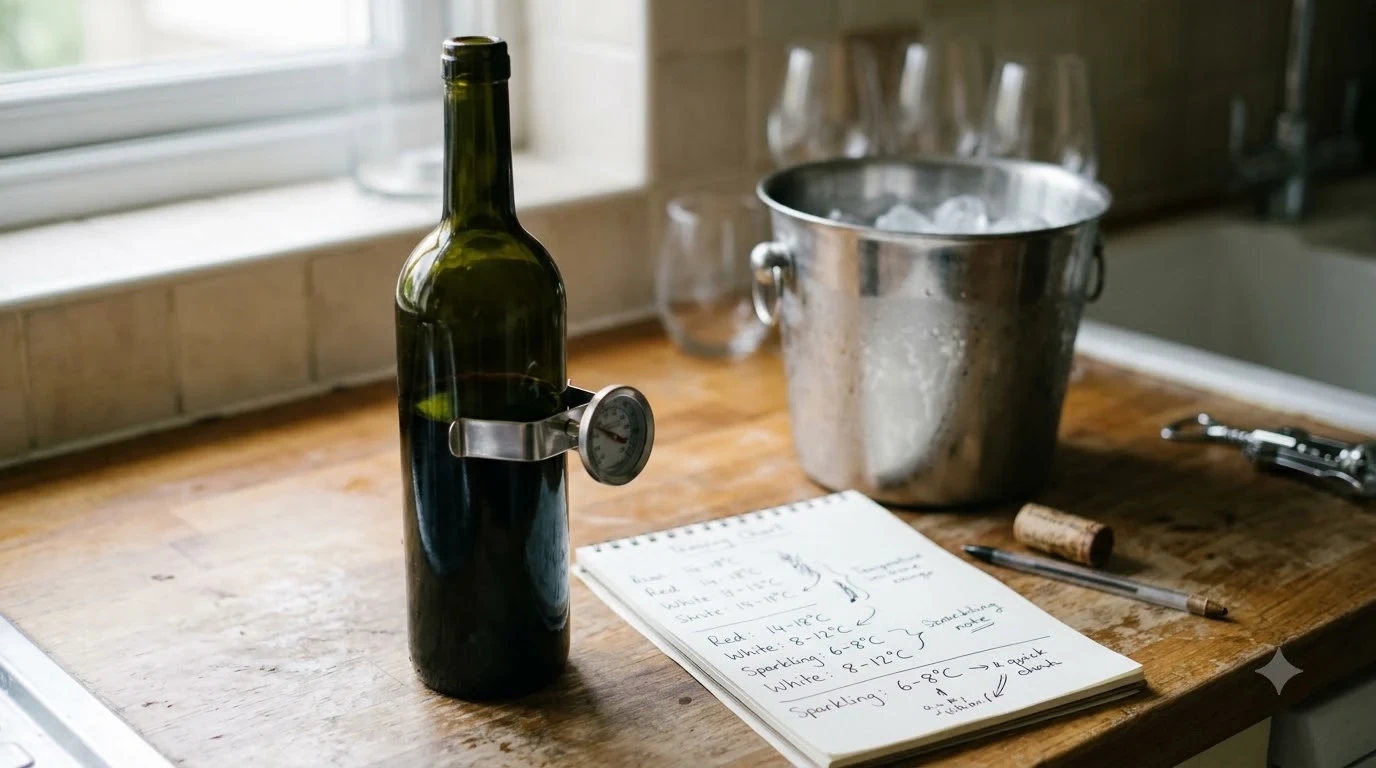
Serve petit verdot at a warm cellar temperature, around 60 to 68 degrees Fahrenheit, which is about 15 to 20 degrees Celsius. That range lets the fruit show and keeps the tannins from feeling harsh. A room-temperature bottle in a warm kitchen can taste flat and heavy, so give the wine a short rest in a cool room before pouring.
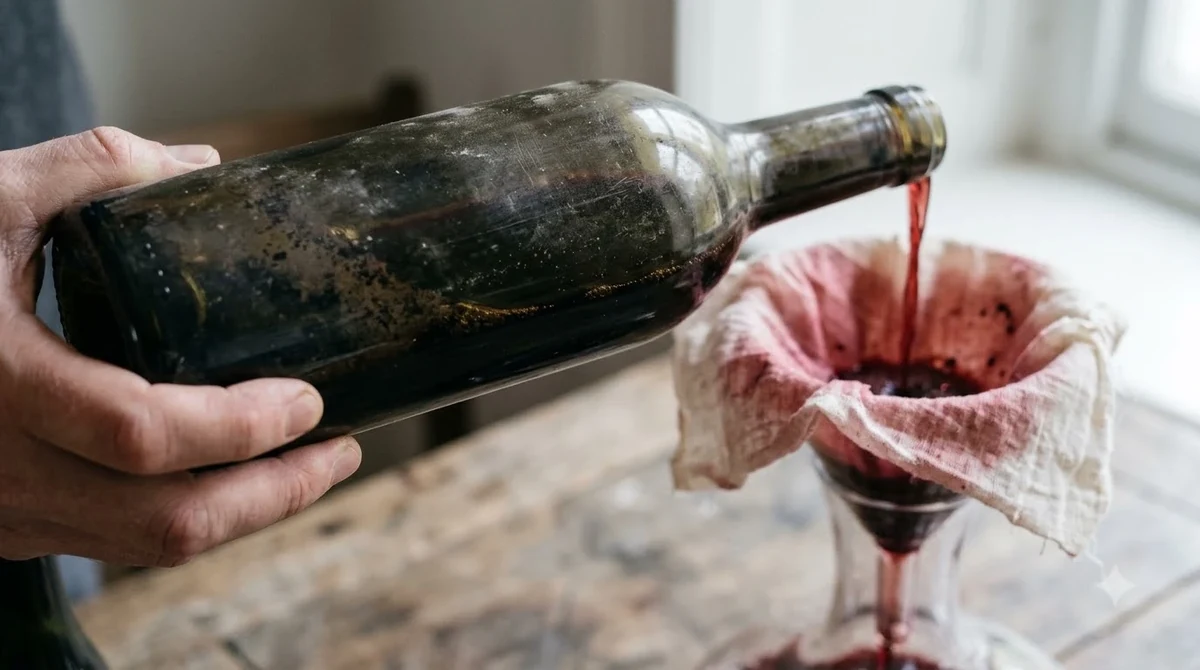
Wine Folly suggests using oversized glasses, which give the aromas space to develop. A large bowl helps the violet and sage notes come forward and lets the wine breathe as you drink it. For a young bottle, decanting for about an hour is recommended, since it softens the tannins and opens the perfume.
Tip: If a young petit verdot tastes closed or tight, give it an hour in a decanter or a larger glass. The fruit and floral notes often open up noticeably in that time.
Cellaring and Aging
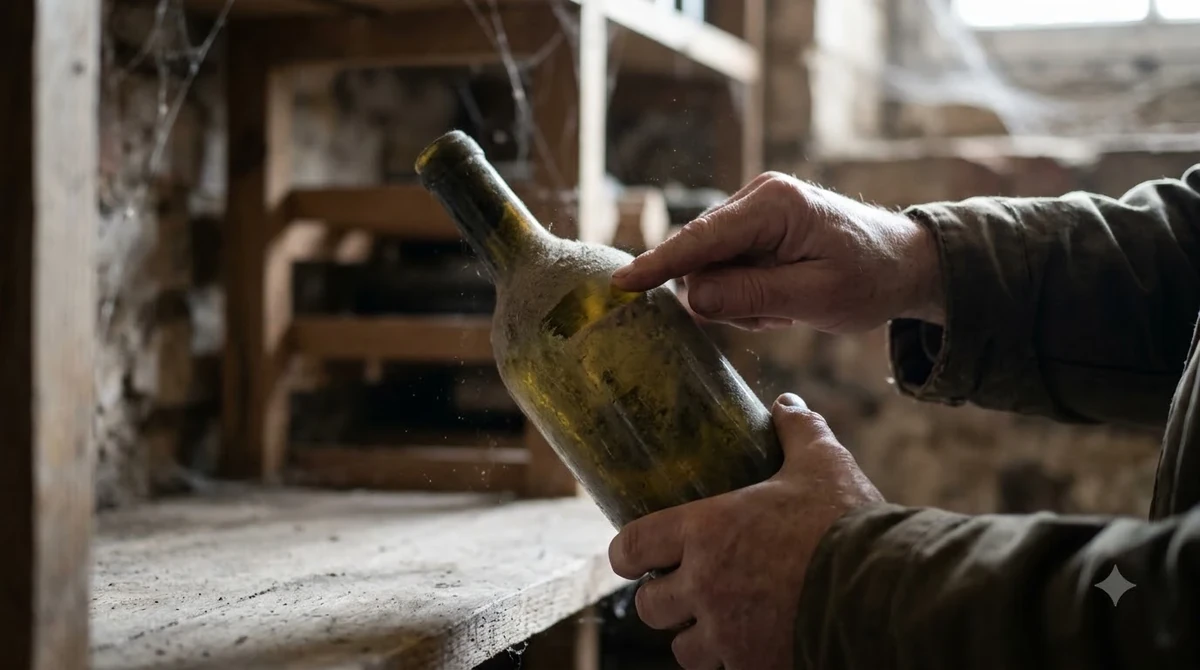
Petit verdot is a wine that improves with time, and the tannins are the main reason. The firm structure softens as the wine ages, and the fruit gives way to darker, more savory notes. Wine Folly recommends cellaring petit verdot for 10 years or more, which is a longer window than most everyday reds need.
That does not mean every bottle needs to be stored for a decade. Younger single varietal bottles from warm regions are often made to be enjoyed earlier, with softer tannins and riper fruit. Check the producer’s notes, and if the label suggests an early drinking window, follow it. A Bordeaux blend with a high share of petit verdot is more likely to reward a long wait.
| Feature | What to expect |
|---|---|
| Body | Dry and full bodied |
| Tannin | High, firm and grippy when young |
| Acidity | Medium, keeps the structure balanced |
| Main flavors | Black cherry, plum, violet, lilac, sage |
| Serving temperature | 60 to 68 degrees F (15 to 20 degrees C) |
| Cellaring | 10 years or more, according to Wine Folly |
Food Pairings for Petit Verdot
Because petit verdot is firm and tannic, it needs food with enough fat and protein to balance it. Grilled and roasted red meats are the natural match, including beef steak, lamb chops and slow-cooked dishes. The wine’s tannin softens the richness of the meat, and the fruit complements the savory char from the grill.
Rich, earthy dishes also work well. Mushroom-based sauces, braised short ribs and aged hard cheeses like Parmigiano-Reggiano show off the wine’s depth. For a lighter option, a dark-cherry sauce or a roasted vegetable dish with thyme or sage can echo the wine’s herbal notes without overwhelming the palate.
Avoid very delicate dishes, since the wine’s weight can cover them. A simple grilled fish or a light salad will taste thin next to a full petit verdot. If you are cooking with the wine, a splash in a braising liquid or pan sauce gives color and structure without making the dish heavy.
How to Choose a Bottle
Start with the label. A bottle that names petit verdot as the single grape is the best way to learn the style. Bordeaux blends are also good value for a sense of how the grape works in context, especially when they list a small share of petit verdot in the blend. Warm-region single varietals are a good option if you prefer fruit-forward reds with a softer structure.
Look at the vintage and the producer’s notes on oak and ageing. Younger bottles can be bold and vivid, while older ones show more savory and earthy notes. If you plan to cellar a bottle, buy from a seller who stores wine properly, since heat and light can damage a long-aged red.
Frequently Asked Questions
What does petit verdot wine taste like?
Petit verdot usually tastes of black cherry and plum, with floral notes of violet and lilac and a herbal touch of sage. It is dry, full bodied and firmly tannic.
Is petit verdot a blending grape?
Often, yes. In Bordeaux it is mostly used in small amounts to add color, tannin and structure to a blend. Some producers in warm regions now make it as a single varietal wine.
How long should petit verdot age?
Wine Folly suggests cellaring petit verdot for 10 years or more. Younger single varietal bottles from warm regions are often meant to be drunk earlier, so the producer’s notes are the best guide.
Should I decant petit verdot?
For a young bottle, yes. Decanting for about an hour softens the tannins and lets the fruit and floral notes open up. Older bottles may need less time, since sediment can build up in a long-aged red.
Petit verdot wine is a strong, structured red that rewards careful serving and a little patience. Try a single varietal bottle to learn the grape on its own, and then compare it with a Bordeaux blend to see how it supports the other grapes. For a neighboring grape to compare, the petit manseng grape guide covers a very different white from the same region, and the cabernet franc wine profile explores another red blending partner. The Wine by Type section groups the main red styles together. For a detailed grape profile with tasting notes, the Wine Folly petit verdot guide is a useful next read.
More in Wine Types & Grapes
 Zinfandel Sugar Content: Dry Red vs. White Zinfandel GramsUpdated Nov 21, 2026
 Best Zinfandel Substitute Options for Sipping and CookingUpdated Nov 21, 2026
 Zweigelt Food Pairing: Best Dishes, Cheeses, and Serving TipsUpdated Nov 21, 2026
 Zinfandel Tannins Explained: How Structure Shapes Every BottleUpdated Nov 21, 2026
 Zinfandel Sweetness Level: Dry Red vs. Sweet White Zin ExplainedUpdated Nov 21, 2026
 Xinomavro Food Pairing: Best Dishes, Styles, and Serving TipsUpdated Nov 21, 2026