

We may earn a commission when you buy through links on this page, at no extra cost to you. Learn more.
A pennsylvania wine festival is a statewide or regional tasting gathering where visitors sample pours from dozens of Keystone State wineries, enjoy live music, and purchase bottles directly from producers. Major annual celebrations run from late spring through early autumn at ski resorts, lakefronts, fairgrounds, and historic battlefields across Pennsylvania. Admission typically includes a souvenir tasting glass, unlimited or ticketed wine samples, and access to educational seminars or local food trucks.
With more than 400 licensed wineries and over 14,000 acres of vineyards spread across five distinct American Viticultural Areas, Pennsylvania ranks seventh nationally in wine production. Rather than requiring travelers to drive hours between rural tasting rooms, these seasonal events gather producers from Lake Erie to the Brandywine Valley onto a single festival ground.
What Defines the Pennsylvania Wine Festival Scene
Pennsylvania does not rely on a single state-run wine fair; instead, its festival calendar consists of flagship resort weekends, county wine trail open houses, and themed food-and-wine gatherings. Most major festivals take place outdoors between May and October, pairing tasting tents with multi-stage music lineups and artisan craft markets.
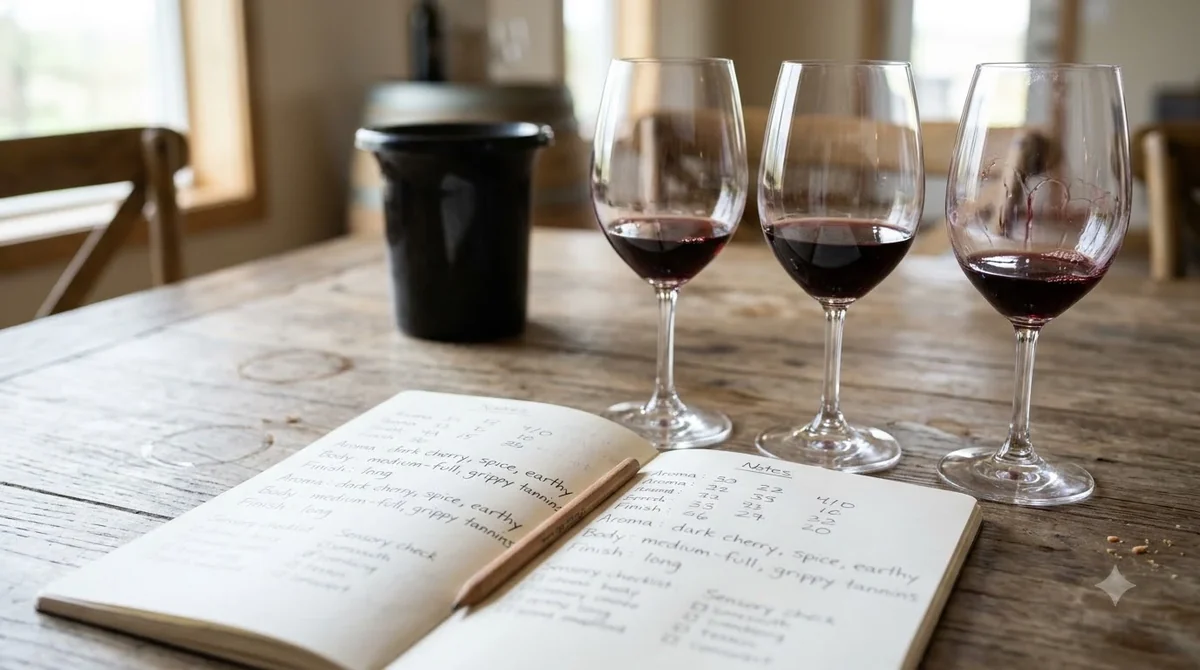
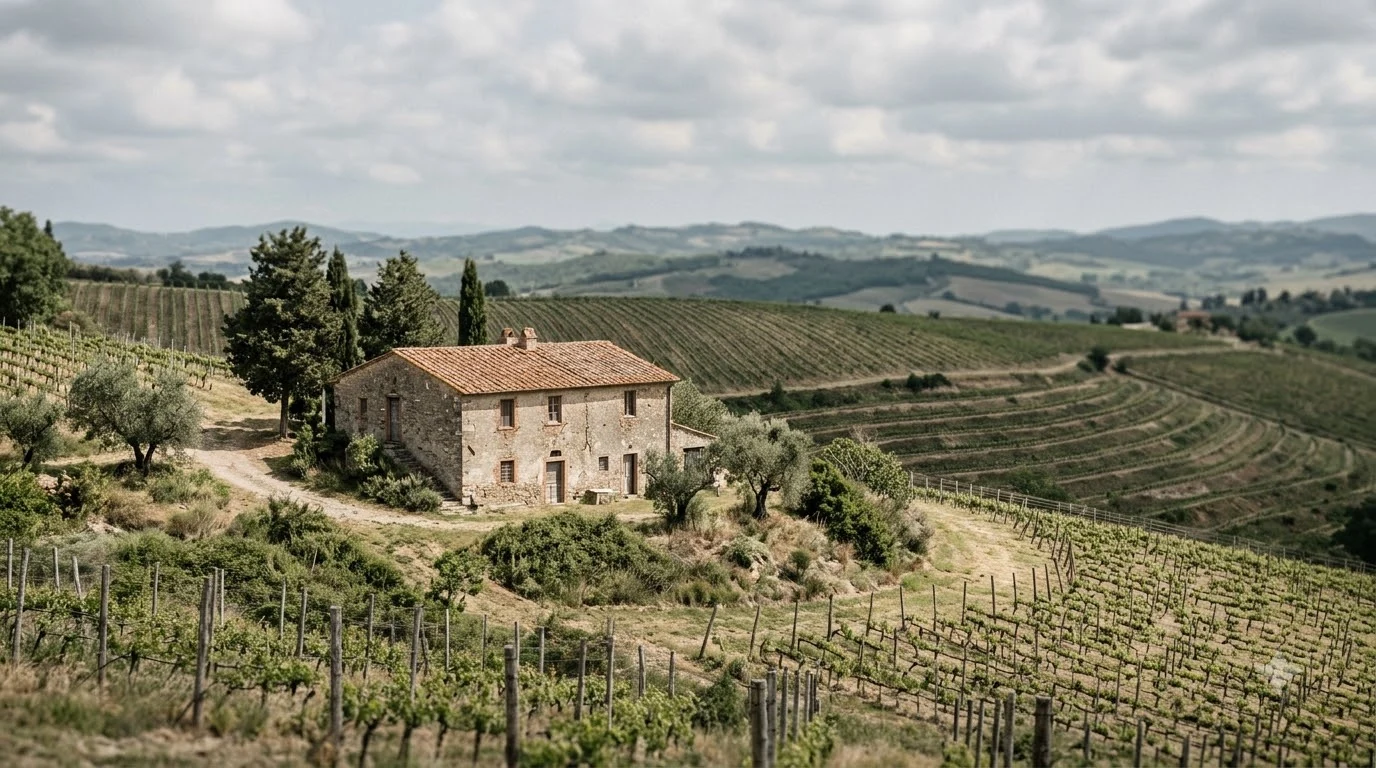
Because the state spans markedly different climates—from the glacial shores of Lake Erie in the northwest to the rolling limestone hills near Philadelphia—each festival tends to showcase a broad cross-section of winemaking styles. Visitors walking down a single row of vendor booths can taste crisp European white varieties alongside sweet native fruit wines and dry French-American hybrids.
According to the Pennsylvania Winery Association, the state’s nonprofit trade organization representing over 125 member producers, events range from massive multi-day mountain gatherings to intimate trail-wide harvest celebrations. Many festivals also incorporate complimentary wine check services, allowing attendees to buy bottles throughout the afternoon and pick them up at the exit gate rather than carrying heavy bags across the lawn.
Ticket structures generally separate general tasting admission from designated driver passes, and nearly all large-scale wine festivals in the commonwealth strictly enforce a 21-and-older entry policy, even for non-drinkers and infants. Tickets purchased online in advance almost always secure lower rates than day-of gate admission.
Major Annual Pennsylvania Wine Festivals
Several signature events anchor the annual calendar, drawing thousands of attendees to mountain resorts, Pocono lakes, and historic south-central towns. While dates shift slightly each year, these flagship festivals maintain consistent seasonal slots and formats.
| Festival Name | Location | Typical Timing | Key Highlights |
|---|---|---|---|
| Great Tastes of Pennsylvania Wine and Food Festival | Split Rock Resort, Lake Harmony (Poconos) | Late June (two days) | Outdoor tasting tents, two stages of live entertainment, craft and food vendors |
| Seven Springs Wine Festival | Seven Springs Mountain Resort, Champion | Late August (three days) | Over 20 PA wineries, educational wine seminars, multiple music stages, wine check service |
| Gettysburg Wine & Music Festival | Granite Hill Camping Resort, Gettysburg | Weekend after Labor Day | Hundreds of PA wines, local craft spirits, food trucks, all-day live music |
| Taste of Pennsylvania Wine & Music Festival | York Memorial Park Complex, York | Early May (one day) | Spring kickoff tasting, live music, regional food trucks, rain-or-shine outdoor setup |
| Wine ‘n Shine Palooza Series | Altoona, Bloomsburg, and Greensburg | Spring and Fall dates | Indoor convention and fairground events pairing wine tastings with themed comfort foods |
The Seven Springs Wine Festival in the Laurel Highlands stands as one of the longest-running end-of-summer traditions, hosting more than twenty Pennsylvania wineries across three days in late August. Beyond standard booth tastings, the event schedules seated educational seminars on Saturday and Sunday where winemakers discuss regional viticulture and cellar techniques.
In the Pocono Mountains, the Great Tastes of Pennsylvania Wine and Food Festival at Split Rock Resort kicks off the summer season every June with two days of lakeside tastings and live bands. Meanwhile, the Gettysburg Wine & Music Festival takes over Granite Hill Camping Resort on the Saturday and Sunday immediately following Labor Day, blending regional wine booths with Pennsylvania craft distilleries and lawn seating.
Key Grapes and Wine Styles You Will Taste
Attendees at a pennsylvania wine festival encounter three distinct categories of wine: classic European Vitis vinifera, cold-hardy French-American hybrids, and traditional native North American grapes. Understanding this three-part lineup helps tasters navigate vendor tables without palate fatigue.
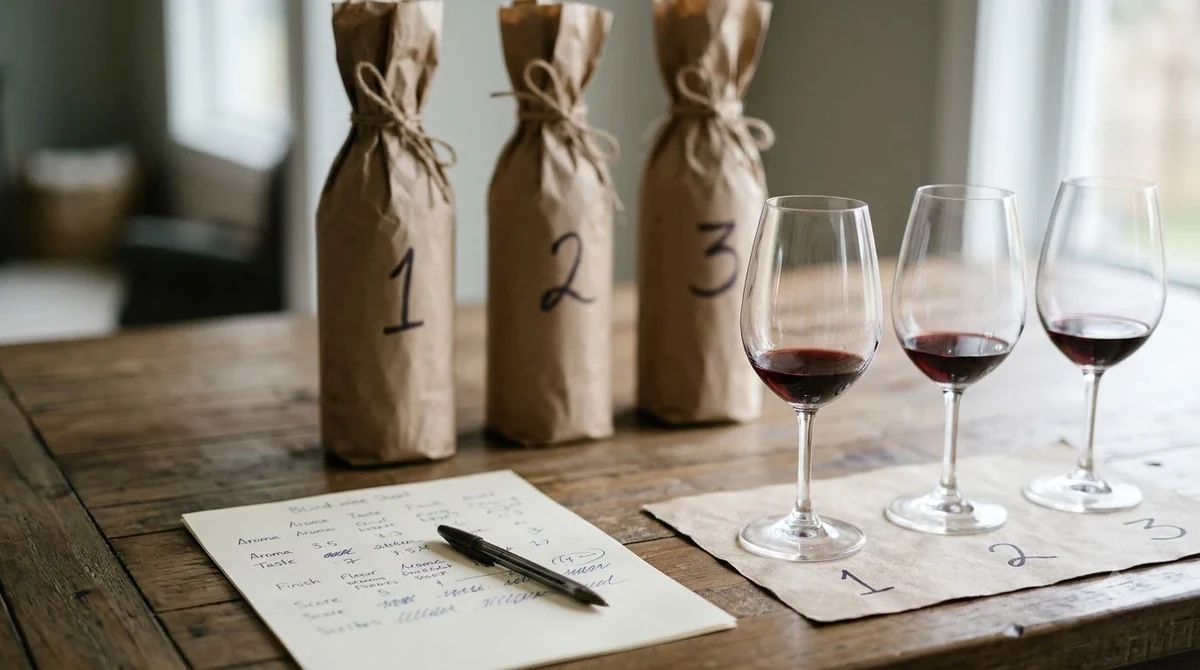
As Wine Enthusiast notes in its regional coverage, Pennsylvania’s cool pockets support expressive European varieties such as Riesling, Chardonnay, Cabernet Franc, Pinot Gris, and even Grüner Veltliner. Look for dry, mineral-driven whites from the Lehigh Valley AVA and structured reds from southeastern producers near Brandywine Valley.
French-American hybrids form the backbone of award-winning Pennsylvania winemaking because they withstand humid summers and freezing winter temperatures. Chambourcin, a dark-skinned red hybrid, frequently wins top honors at state competitions for its bright cherry fruit and food-friendly acidity, while Vidal Blanc, Traminette, and Cayuga White produce aromatic dry whites, crisp sparkling wines, and lush late-harvest dessert pours.
Native grapes—most notably Concord, Niagara, and Catawba—remain deeply rooted in the state’s agricultural identity, especially around the Lake Erie AVA. Festival booths from northwestern wineries almost always pour sweet, intensely grapey Concord wines alongside fruit-infused blends made from local apples, peaches, and berries.
Regional Wine Trail Open Houses
Alongside single-venue festivals, Pennsylvania’s regional wine trails organize multi-winery passport weekends that turn scenic country drives into self-paced festivals. Instead of gathering under tents, participating estates host special pairings, cellar tours, and live acoustic sets at their own properties.
In the southeast, the Brandywine Valley Wine Trail, Bucks County Wine Trail, and Berks County Wine Trail sit within easy driving distance of Philadelphia and Allentown. Autumn harvest weekends along these routes often pair new vintage releases with local farmstead cheeses, artisan chocolates, and covered bridge driving tours.
Central and western Pennsylvania offer equally active trail calendars. The Susquehanna Heartland Wine Trail spans 17 wineries along the Susquehanna River, while the Mason-Dixon Wine Trail links family-owned vineyards across York, Lancaster, and Gettysburg. Up north, Lake Erie Wine Country connects 16 Pennsylvania wineries along glacial ridges that supply roughly ninety percent of the state’s total grape harvest.
Readers who enjoy comparing regional tasting cultures across the country can explore how coastal climates shape a monterey wine festival, how Gulf Coast growers organize a texas wine festival, or how warm-weather events operate at a florida wine festival.
Practical Tips for Planning Your Festival Visit
A little preparation turns a crowded afternoon tasting into a comfortable, well-paced day out. Because most Pennsylvania festivals run rain or shine on grassy resort lawns or fairgrounds, practical gear and smart pacing make a noticeable difference.
Tip: Start your tasting route with dry whites and sparkling wines before moving to oak-aged reds and sweet native fruit wines, and rinse your souvenir glass with water between booths so residual sugar does not mask drier styles.
Arrive early—ideally within the first thirty minutes after gates open—to beat afternoon crowds at popular booths and claim free seating for limited-capacity wine seminars. Many events, including the Gettysburg Wine & Music Festival, open gates an hour before wine pouring officially begins so guests can set up lawn chairs and pop-up canopies in designated areas.
Pack a small soft-sided cooler within venue size limits (typically 18 inches or smaller) stocked with bottled water, crackers, and light snacks, while leaving outside alcohol and pets at home. If you plan to buy several bottles, take advantage of on-site wine check tents and bring an insulated wine tote in your car trunk so your purchases stay cool on the drive home.
For broader background on how geography, soil types, and climate zones influence local wine styles across North America, browse our guide to Wine Regions before your trip.
Frequently Asked Questions
When is the best time of year to attend a Pennsylvania wine festival?
Late spring through early fall—specifically May through October—offers the busiest festival schedule and the best outdoor weather. June brings major Pocono resort events, August hosts flagship mountain festivals like Seven Springs, and September and October align with grape harvest and autumn foliage.
Are children or pets allowed at Pennsylvania wine festivals?
Most large Pennsylvania wine festivals strictly restrict entry to guests aged 21 and older with valid government-issued photo identification, including designated drivers and infants. Pets are almost universally prohibited on festival grounds, with exceptions made only for certified service animals.
Can you buy bottles of wine to take home from the festival?
Yes, participating wineries sell bottles—and often multi-bottle cases—directly from their tasting booths at special event pricing. Most major festivals provide a complimentary wine check service that stores your labeled purchases safely until you are ready to leave.
What types of wine are most common at Pennsylvania festivals?
Festival tables feature a balanced mix of dry European varietals like Riesling and Cabernet Franc, cold-hardy French-American hybrids such as Chambourcin and Vidal Blanc, and sweet native wines made from Concord or Niagara grapes. Nearly every booth offers options ranging from bone-dry to dessert-sweet.
Whether you prefer crisp dry whites from limestone valleys, bold Chambourcin reds, or sweet lakeside Concord pours, attending a pennsylvania wine festival offers the fastest way to sample the state’s agricultural diversity in a single afternoon. Checking event calendars early and booking advance tickets ensures smooth entry to the commonwealth’s top seasonal tastings.
More in Wine Regions
 Willcox Wine Trail: Discover Arizona’s High-Elevation Wine CountryUpdated Nov 20, 2026
 Yakima Valley Wine Region: Find the Best Styles to TryUpdated Nov 20, 2026
 Vosne Romanee Wine Tasting: Identify Aromas and Choose Better PairingsUpdated Nov 20, 2026
 Yakima Valley Wine Festival: Find the Best Seasonal Wine EventsUpdated Nov 20, 2026
 Wales Vineyards: Discover Cool-Climate Wines and Where to VisitUpdated Nov 20, 2026
 Yountville Wine Festival: Discover Napa Wines and Local FoodUpdated Nov 20, 2026