

We may earn a commission when you buy through links on this page, at no extra cost to you. Learn more.
Penner-Ash wine is made by an Oregon winery on Ribbon Ridge in the Willamette Valley, and its identity is built around Pinot Noir. The estate describes its goal as uncompromising quality that reflects its Willamette Valley home, and it holds a sustainable winery certification. This guide explains where Penner-Ash wines come from, what the Pinot Noir tastes like, how to serve it, and which foods suit it.
Penner-Ash is one of the names that shoppers see when they browse Oregon Pinot Noir and wonder how it compares with the more familiar Burgundy style. The short answer is that the wine reflects a cool, green valley in the Pacific Northwest rather than the chalky slopes of France. Understanding that difference makes it easier to know what to expect in the glass and how to pair it at dinner.
Where Penner-Ash Wine Comes From
The Penner-Ash estate sits at 15771 NE Ribbon Ridge Road in Newberg, Oregon, inside the Willamette Valley. The property sits on a hill with a view of Mount Hood, which gives the vineyard a clear sense of place. The winery’s own materials point to the valley as the source of its character, and the wine list is built around Pinot Noir as the featured varietal, with white and rosé wines offered alongside it.
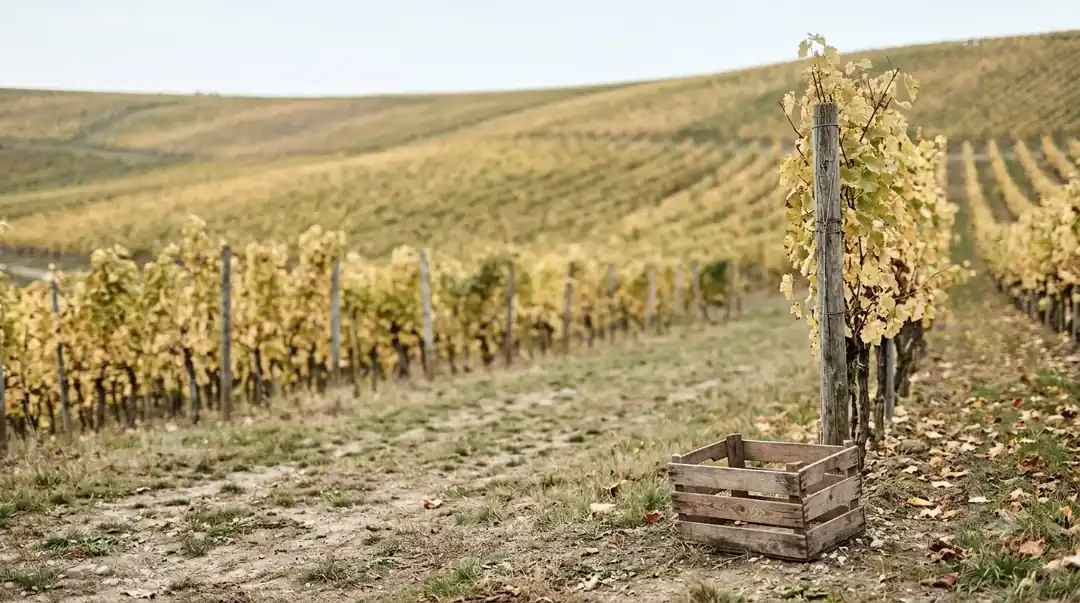
Ribbon Ridge is part of the broader Willamette Valley, a region known for cool growing seasons and a long, slow ripening period. That combination preserves acidity and gives the grapes time to develop flavor before harvest, which is why the valley is so closely associated with Pinot Noir in the United States.
What Penner-Ash Pinot Noir Tastes Like
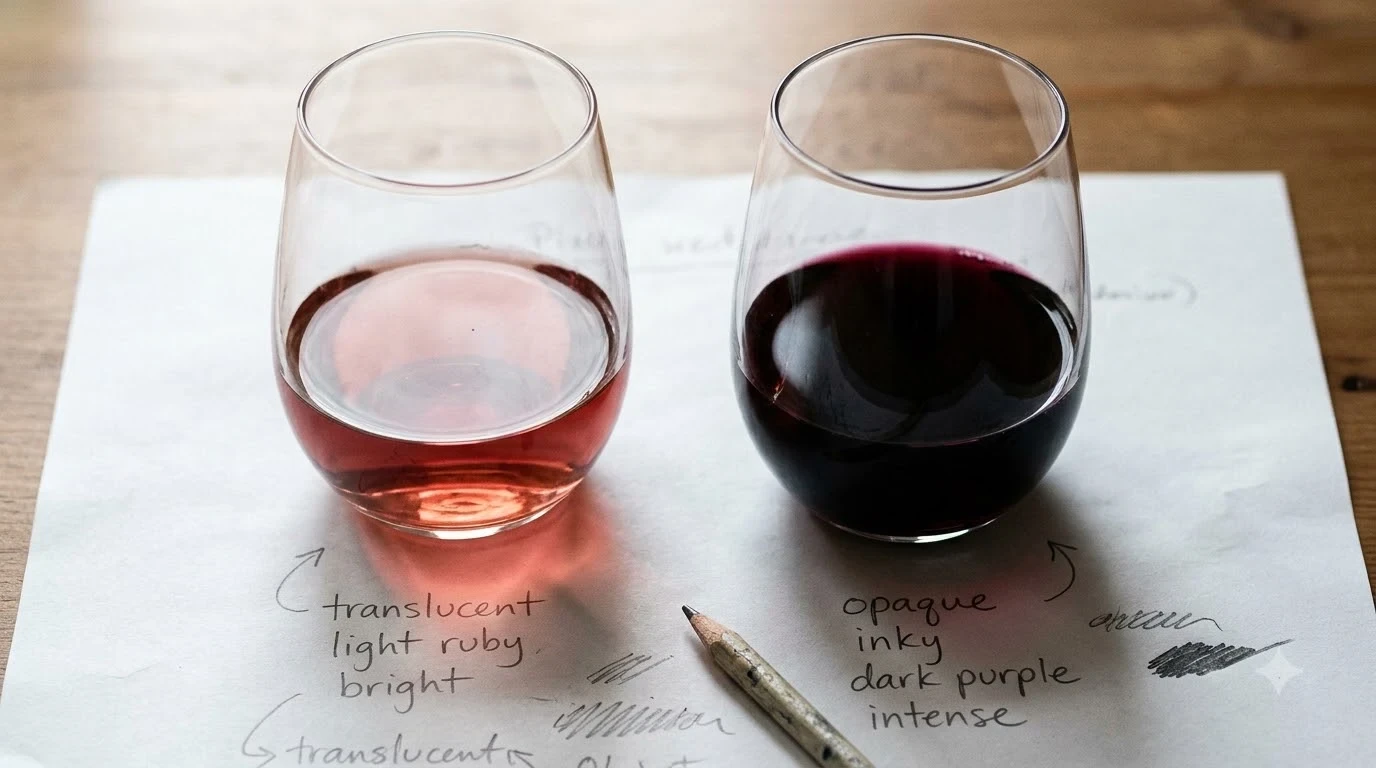
Pinot Noir in general is a red wine with red fruit at its core. Expect cherry and raspberry, with earthy notes of forest floor, tea leaves and sometimes a hint of clove. Oak-aged versions can add vanilla and smoke, while older bottles tend to develop mushroom and leather notes. As the Wine Folly Pinot Noir guide summarizes, the wine is typically pale to medium in color and light to medium-bodied, with low tannins and medium-high acidity, and it usually sits between 12 and 14 percent alcohol by volume.
Those traits explain why many drinkers find Pinot Noir easier to enjoy than heavier reds. The acidity keeps the wine lively, and the soft tannins make it approachable without a long wait. Pinot Noir from a cool region like the Willamette Valley tends to show that balance most clearly.
| Pinot Noir style | Typical aromas | Best serving temperature |
|---|---|---|
| Young, fruit-forward Pinot Noir | Cherry, raspberry, rose petal | 55 to 60 F (12 to 15 C) |
| Oak-aged Pinot Noir | Vanilla, smoke, baking spice, red fruit | 55 to 60 F (12 to 15 C) |
| Aged Pinot Noir | Mushroom, leather, forest floor, tea | 55 to 60 F (12 to 15 C) |
If you are curious about how different Pinot Noir producers approach the same grape, the Barefoot Wine range offers a different style of red for everyday drinking, while the broader wine brands section helps you see how winemaking style changes from one label to the next.
How to Serve Penner-Ash Wine
Pinot Noir is best served slightly cool, around 55 to 60 F (12 to 15 C). Serving it too warm can make the alcohol feel forward and mute the fruit, so a short time in the refrigerator before pouring is a good idea for bottles that sit at room temperature. An aroma collector glass, with a wide bowl and a narrower rim, concentrates the scent and lets the wine open up.
Decanting is not usually necessary for a young Pinot Noir. Older bottles can benefit from a gentle pour into a carafe to separate any sediment, but move slowly and avoid rough handling. Once opened, a Pinot Noir keeps well for a day or two when recorked and stored in a cool place.
Food Pairings for Penner-Ash Pinot Noir
Pinot Noir is one of the most food-friendly red wines because its acidity and modest tannins work with a wide range of dishes. Duck is a classic match, and the wine’s red fruit flavors go well with spiced duck. Salmon is another natural partner, especially when it is grilled or roasted, since the wine’s earthiness complements the fish without overwhelming it.
Earthy dishes are a good fit too. Mushroom risotto, roast chicken with herbs, and dishes built on fresh or sautéed mushrooms all echo the forest-floor character of Pinot Noir. Soft cheeses and mild aged cheeses also pair well. Heavy, smoky barbecue with thick sauces can overpower a delicate bottle, so save a bold Zinfandel for that kind of meal.
Buying Penner-Ash Wine: What to Look For
A label that names a specific estate and a single varietal gives you more information than a generic blend. With Penner-Ash, the estate’s location in the Willamette Valley is the first clue to the style. Oregon Pinot Noir from this valley is typically cool-climate, and the wines tend to show bright red fruit and fresh acidity rather than the jammy weight of a warm-climate red. If you want a wine for a relaxed dinner, that freshness is often the quality people appreciate most.
Vintage also matters for Pinot Noir. A recent release will show the bright fruit the variety is known for, while a bottle that has been held for several years may develop the earthy, savory character that collectors seek out. Neither style is better in general. The right choice depends on whether you want something to drink now or a bottle to keep and open on a special occasion.
Check the back label for the alcohol level and the varietal. Pinot Noir usually sits between 12 and 14 percent alcohol by volume, so a bottle at the high end will feel a little richer and warmer on the palate. Those numbers are a helpful way to compare one Pinot Noir with another, even when the producers are very different.
Storage is straightforward. Keep unopened bottles on their side in a cool, dark place with steady temperature, and avoid spots near the stove or in a sunny window. Once opened, Pinot Noir is more forgiving than many delicate whites, and a recorked bottle kept in the refrigerator will usually taste fine for a day or two.
Pinot Noir is also a good wine to share with a mixed group. Its moderate alcohol and light body make it easy to sip over a long meal, and its freshness pairs with a wide range of dishes, from roast chicken to salmon, so guests with different tastes can all find something they enjoy.
Frequently Asked Questions
Where is Penner-Ash wine made?
The winery’s estate is in Newberg, Oregon, on Ribbon Ridge within the Willamette Valley. The site is on a hill with a view of Mount Hood, and the winery describes its wines as reflecting that home.
What is Penner-Ash best known for?
The featured varietal on the winery’s materials is Pinot Noir. The range also includes white and rosé wines, but the red is the focus of the estate’s identity.
Is Pinot Noir a good wine for beginners?
Yes, for most people. Pinot Noir has low tannins and bright acidity, so it tastes softer than many other red wines. It also pairs with a wide range of foods, which makes it a practical choice for a first red.
What temperature should I serve Pinot Noir at?
Aim for about 55 to 60 F (12 to 15 C). A slightly cool serving temperature keeps the fruit clear and the alcohol in balance, while a warm room can make the wine taste heavy.
Penner-Ash is a useful name to know if you want an Oregon Pinot Noir with a clear sense of place. Start with the red, compare it with other Pinot Noir styles, and pay attention to how serving temperature changes the way the fruit and earth come through in the glass.
More in Wine Brands
 Underwood Wine Price: Compare Bottles, Cans, and Pack SizesUpdated Nov 21, 2026
 Zenato Wine Price: Compare Styles and Choose the Right BottleUpdated Nov 21, 2026
 Zuccardi Wine Price: Compare Bottles and Find the Right RangeUpdated Nov 21, 2026
 Yellow Tail Moscato Review: Taste, Sweetness and Serving TipsUpdated Nov 21, 2026
 Wolf Blass Yellow Label Review: Choose Your Best StyleUpdated Nov 21, 2026
 Wolffer Estate Rose Review: Choose the Right Bottle for Your TableUpdated Nov 21, 2026