

We may earn a commission when you buy through links on this page, at no extra cost to you. Learn more.
Penedes wine tasting introduces visitors to the distinctive wines of Catalonia, Spain, including expressive Xarel·lo whites, structured reds, fragrant rosés, and traditional-method sparkling wines. Located between Barcelona and Tarragona, Penedès combines Mediterranean coastal vineyards with higher-altitude inland growing areas. A tasting here offers an opportunity to explore indigenous grape varieties, historic cellars, diverse terroirs, and the region’s strong connection between wine and Catalan food culture.
Penedès is particularly rewarding for visitors who want to look beyond Spain’s best-known wine regions. Although sparkling wine has helped establish the area’s international reputation, its still wines deserve equal attention. From fresh Macabeu and distinctive Xarel·lo to Cabernet Sauvignon and Sumoll, the region offers plenty of variety for newcomers and experienced wine enthusiasts. Understanding its geography, grape varieties, and wine styles makes it easier to plan a tasting that reflects the area’s character.
Understanding the Penedès Wine Region
Penedès occupies a stretch of Catalonia between the Mediterranean Sea and the pre-coastal mountain ranges, approximately halfway between Barcelona and Tarragona. Its landscape includes coastal vineyards, rolling agricultural plains, and elevated inland sites, creating several distinct growing environments within one wine region.

The DO Penedès designation divides the territory into three principal geographical zones: Penedès Marítim, Penedès Central, and Penedès Superior. These areas differ in maritime influence, elevation, temperature patterns, and soil characteristics. The designation also recognizes 10 more specific subzones, reflecting the diversity found across the region.
Penedès Marítim lies closer to the Mediterranean Sea. Coastal conditions moderate temperatures and influence the growing season, making this area particularly interesting for visitors exploring wines shaped by maritime conditions. The landscape includes vineyards in the broader Garraf and Baix Penedès areas.
Penedès Central occupies the territory between the coast and the inland hills. It provides an important setting for traditional white grapes and sparkling-wine production. Sant Sadurní d’Anoia is one of the area’s most recognizable wine destinations, especially for visitors interested in traditional-method sparkling wines.
Penedès Superior lies closer to the pre-coastal mountain range, where altitude creates cooler conditions and greater temperature variation. According to the DO Penedès, vineyards above 600 meters experience more frequent precipitation and stronger differences between maximum and minimum temperatures. These conditions can influence grape ripening and the freshness of the resulting wines.
The region’s history also adds depth to a tasting itinerary. Archaeological evidence from Avinyonet del Penedès points to wine activity dating back approximately 2,700 years. The area’s long agricultural history continues to shape its modern identity, while contemporary producers experiment with different grape varieties and winemaking methods.
For visitors comparing Spanish destinations, Penedès offers a different experience from Willcox wine tasting in Arizona or the established vineyard landscapes of other Mediterranean regions. Its combination of local Catalan varieties, coastal influence, and sparkling-wine traditions gives the area a recognizable personality.
Grape Varieties to Look for During a Tasting
Xarel·lo is the essential starting point for understanding Penedès wines, but a worthwhile tasting should include several other local and international varieties. White grapes dominate much of the region’s reputation, while reds, rosés, and less familiar indigenous varieties provide additional perspective.
The DO Penedès identifies Xarel·lo as its flagship grape. It can produce fresh, youthful wines with good acidity as well as more substantial barrel-aged examples. Depending on the producer and winemaking approach, the wine may show citrus, orchard fruit, herbal notes, and a mineral impression.
Macabeu is another important white variety. It is widely associated with Catalan sparkling-wine production and can also appear in still wines. Its generally approachable character makes it a useful comparison with Xarel·lo, particularly when tasting wines from the same area.
Parellada traditionally contributes freshness and aromatic finesse to sparkling-wine blends. It is associated with higher and cooler vineyard areas, where conditions can help preserve acidity. Tasting Parellada alongside Xarel·lo and Macabeu helps explain why these varieties have remained important to the region’s sparkling-wine tradition.
Other white grapes broaden the tasting experience. Chardonnay, Sauvignon Blanc, Riesling, and Gewürztraminer are among the authorized varieties listed by the DO Penedès. Their presence illustrates the region’s willingness to combine established international grapes with local traditions.
Red wine enthusiasts should look for Sumoll, Garnacha Negra, Monastrell, Ull de Llebre, Cabernet Sauvignon, Merlot, Pinot Noir, and Syrah. Sumoll is particularly interesting because it is an indigenous Catalan variety associated with fresh, structured red wines. Cabernet Sauvignon and Syrah generally provide more substantial tannin and body, while Pinot Noir can offer a lighter, more aromatic style.
Malvasia de Sitges is another variety worth seeking out. It has a particular connection to the coastal area around Sitges and can appear in distinctive white and sweet wine styles. Its inclusion provides a different perspective from the better-known international varieties.
For a focused tasting, compare three wines made from different grapes rather than ordering several bottles of similar style. A Xarel·lo, a Macabeu, and a Sumoll can demonstrate how differently local varieties express themselves across white and red wines.
Still Wines, Rosés, and Sparkling Wine Styles
Penedès produces considerably more than sparkling wine. Its range includes crisp whites, fuller barrel-aged whites, aromatic rosés, structured reds, sweet wines, and traditional-method sparkling bottles. Sampling several categories provides a more accurate picture of the region than concentrating exclusively on bubbles.
White wines are an excellent place to begin. Young Xarel·lo often has a refreshing profile, with good acidity and fruit characteristics. More structured versions may spend time in oak barrels or develop additional complexity through aging. The difference between these styles makes Xarel·lo especially useful for a comparative tasting.
Rosé wines offer another perspective. Garnacha Negra and other authorized red grapes can produce fragrant wines with lively fruit aromas. Serve rosé at 45–50°F to retain freshness without suppressing its aromatic character. These wines work particularly well as an opening pour or alongside lighter Catalan dishes.
Red wines are also important to the DO Penedès identity. According to the designation’s official regional information, red wines account for approximately 35% of bottles produced under the Penedès name. Their styles range from approachable, fruit-forward examples to wines with greater structure and aging potential.
Cabernet Sauvignon generally brings high tannin and a firm structure. Merlot tends to be softer, while Syrah can deliver dark fruit, spice, and medium-plus to high tannin. Pinot Noir offers a lighter alternative with higher acidity and low-to-medium tannin. These differences make a red-wine flight especially useful for comparing grape character.
Sparkling wine deserves its own tasting section. Clàssic Penedès is a designation for organic sparkling wines made entirely from Penedès grapes using bottle fermentation. The regional designation specifies a minimum aging period of 18 months, making it an especially interesting category for visitors interested in traditional-method production.
It is also important to distinguish Penedès sparkling wine from Cava. Both are connected to Catalonia and traditional bottle fermentation, but they operate under different designation systems. Sant Sadurní d’Anoia is particularly associated with Cava’s historic production, and its cellars provide an excellent setting for learning about secondary fermentation and bottle aging.
For a broader comparison of sparkling wine terminology, remember that sweetness categories progress from Brut Nature and Extra Brut through Brut, Extra Dry, Dry, Demi-Sec, and Doux. Brut is generally dry, while Demi-Sec and Doux are noticeably sweeter. These terms help visitors compare bottles without assuming that every sparkling wine tastes the same.
| Wine style | Typical characteristics | Serving temperature |
|---|---|---|
| Xarel·lo white | Fresh fruit, herbs, good acidity | 45–50°F |
| Macabeu white | Approachable fruit, fresh finish | 45–50°F |
| Barrel-aged white | Greater body and texture | 50–55°F |
| Rosé | Fragrant red-fruit character | 45–50°F |
| Light red | Fresh fruit and moderate structure | 55–60°F |
| Full-bodied red | More tannin and concentrated flavor | 60–65°F |
| Sparkling wine | Fresh acidity and fine bubbles | 40–50°F |
| Sweet white | Noticeable sweetness and aromatic fruit | 43–50°F |
These temperatures provide practical starting points for a tasting. Individual bottles may benefit from slight adjustments depending on their structure and style. Serving sparkling wines too warm can make them seem less refreshing, while excessively cold full-bodied whites can conceal their texture and aromas.
Where to Experience Penedès Wine Tasting
Several towns make useful starting points for exploring the vineyards and wineries of Penedès. Sant Sadurní d’Anoia is particularly attractive for sparkling-wine enthusiasts, while Vilafranca del Penedès provides a broader introduction to Catalan wine culture and regional history.
Sant Sadurní d’Anoia is strongly connected to sparkling wine production. Visitors can explore historic cellars, learn about bottle fermentation, and compare different sparkling styles. It is an especially good choice for anyone who wants to understand the relationship between Xarel·lo, Macabeu, Parellada, and traditional-method winemaking.
Many winery experiences in the area combine vineyard visits with cellar tours and guided tastings. Some focus on the production process, while others emphasize grape varieties, vineyard conditions, or food pairings. Booking directly with the winery is advisable because tasting formats and visitor arrangements vary.
Vilafranca del Penedès offers a different perspective. The town is an important wine center with a strong architectural and cultural identity. Its VINSEUM Museum of Wine Cultures of Catalonia provides an opportunity to understand the historical relationship between wine, agriculture, and local communities.
The town is also suitable for visitors who prefer combining wine activities with walking and sightseeing. The Camí del Vi is a 3.5-kilometer route with eight stops explaining Vilafranca’s relationship with wine. It offers a practical way to explore the town without spending the entire day inside wineries.
Visitors interested in coastal wine landscapes can explore the broader Garraf area and the surroundings of Sitges. This part of Penedès offers a useful contrast with the inland vineyards, particularly for travelers interested in Malvasia de Sitges and the influence of the Mediterranean climate.
Other destinations include Subirats, Torrelavit, and Avinyonet del Penedès. These locations are associated with vineyard viewpoints and the wider wine-tourism network. The Miravinya viewpoints offer opportunities to appreciate the landscape from elevated positions, making them useful additions between winery appointments.
The official Penedès Wine Route tourism information is a helpful starting point for combining wine experiences with cultural attractions and local scenery. Visitors can also compare the region with destinations covered in other guides to Alsace wine tasting, where grape varieties and climate create a different tasting experience.
How to Taste Penedès Wines and Compare Their Character
A structured tasting makes it easier to recognize differences between grape varieties, production methods, and vineyard locations. Begin with lighter white wines, move toward richer whites and rosés, and finish with red and sweet wines. Sparkling wines can be tasted at the beginning or as a separate flight.
Start by observing the wine’s appearance. Look at its color, clarity, and intensity. A young white may show a pale straw color, while a more developed white can have deeper golden tones. Rosés range from pale salmon to stronger pink, and red wines vary from translucent ruby to deep purple.
Next, assess the aromas. Swirl the glass gently and look for fruit, floral, herbal, and mineral characteristics. Xarel·lo may offer citrus and orchard-fruit notes, while Macabeu can show softer fruit aromas. A barrel-aged white may add more noticeable texture and savory or oak-related impressions.
Taste the wine in small sips. Pay attention to acidity, body, tannin, alcohol, and finish. These structural elements are often more useful than trying to identify every individual aroma. A fresh white with high acidity will feel different from a full-bodied red with firm tannins, even when both wines have similar fruit intensity.
For red wines, compare tannin carefully. Cabernet Sauvignon usually has high tannin, whereas Merlot is generally softer. Pinot Noir has low-to-medium tannin and higher acidity. These differences influence how the wines feel alongside food and how they develop in the glass.
Consider the order of the tasting as well. A powerful Syrah or Cabernet Sauvignon can make a delicate white wine seem less expressive if tasted immediately beforehand. Starting with lighter styles helps preserve the distinctions between wines.
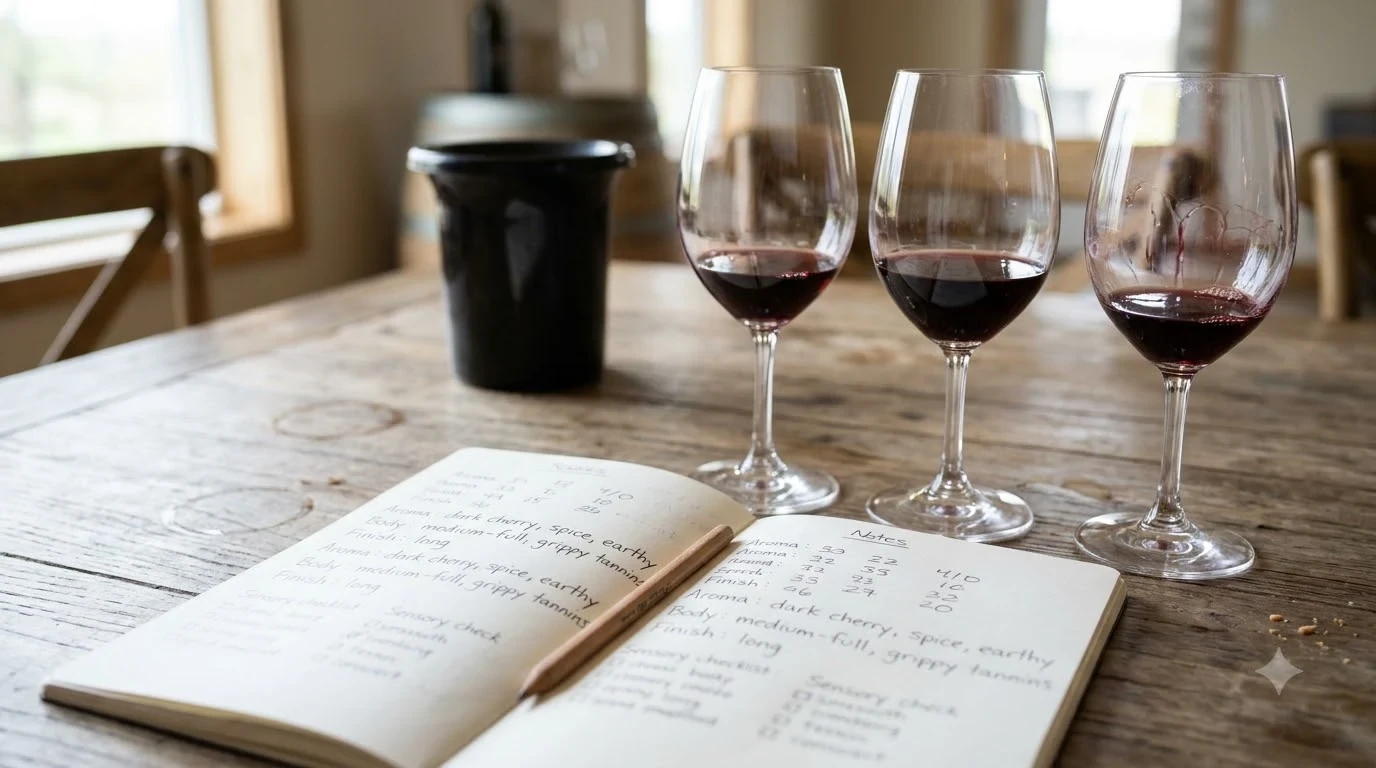
Standard tasting pours are approximately 5 ounces, and a 750-milliliter bottle provides about five such glasses. Professional tastings may use smaller samples, allowing visitors to compare more wines without committing to full pours. Taking short notes about grape variety, acidity, body, and finish can make comparisons easier later.
Tip: Ask for two Xarel·lo wines made in different styles, such as a fresh young bottling and a barrel-aged example. Comparing the same grape across different production methods is one of the clearest ways to understand Penedès wine character.
It can also be useful to compare wines from different geographical zones. A coastal white and an inland white may differ in freshness, body, and aromatic intensity. These comparisons should be treated as examples of individual vineyard and winemaking choices rather than fixed rules for every bottle.
Food Pairings for a Penedès Wine Tasting
Catalan food provides an excellent companion to Penedès wines, particularly seafood, grilled vegetables, cured meats, rice dishes, and local cheeses. The most successful pairings balance acidity, body, tannin, salt, fat, and sweetness rather than simply matching white wines with fish and red wines with meat.
Xarel·lo is a particularly versatile choice with seafood. Its acidity can complement grilled prawns, mussels, white fish, and shellfish preparations with lemon or herbs. It also works with vegetable dishes featuring olive oil, asparagus, and Mediterranean herbs.
Macabeu is a useful partner for lighter tapas. Try it with olives, almonds, soft cheeses, grilled vegetables, or simple seafood appetizers. Its approachable character makes it suitable for a relaxed opening flight where the food should not overpower the wine.
For sparkling wines, consider fried seafood, salty snacks, cured meats, and creamy cheeses. Acidity and bubbles can provide a refreshing contrast to rich textures. Brut sparkling wines are particularly flexible with savory dishes because their dryness works well with salt and fat.
Rosé pairs naturally with tomato-based dishes, grilled vegetables, chicken, and Mediterranean salads. Its fruit character can complement moderately seasoned food without overwhelming lighter ingredients. For a simple tasting menu, serve a rosé with tomato bread, grilled peppers, and mild cured meats.
Red wines require more attention to tannin and food texture. Merlot can complement roasted poultry, grilled pork, and mushroom dishes. Cabernet Sauvignon works better with richer foods such as beef, lamb, and aged hard cheeses because the protein and fat help soften its tannins.
Sumoll and lighter Pinot Noir styles can be useful with roasted vegetables, poultry, and mushroom-based dishes. Their freshness and comparatively lighter tannin can make them more adaptable than heavily structured reds.
Sweet Penedès wines should be paired with desserts that are at least as sweet as the wine. A wine that is less sweet than the dessert may taste thin or sharply acidic. Sweet wines can also accompany fruit-based pastries and selected blue cheeses when the sweetness and saltiness are balanced.
Chili-heavy dishes require caution. Alcohol and tannin can amplify the sensation of heat, so a fresh white or lightly sparkling wine may be more comfortable than a powerful Cabernet Sauvignon or Syrah. Oily fish is also generally better matched with crisp white wines than strongly tannic reds.
Visitors who enjoy comparing regional food traditions may also find the coastal Italian combinations described in Bolgheri wine tasting interesting. Both regions offer opportunities to understand how local dishes and grape varieties influence the overall tasting experience.
Planning a Penedès Wine-Tasting Visit
Penedès is accessible from Barcelona, making it a practical destination for a day trip or a longer wine-country stay. However, winery appointments, transportation, and tasting schedules should be organized before departure to make the most of the visit.
Vilafranca del Penedès is approximately 50 kilometers from central Barcelona by road, and the journey generally takes around 40 minutes under favorable traffic conditions. Rail services also connect Barcelona with Vilafranca, with a journey of approximately one hour depending on the departure station and service.
Sant Sadurní d’Anoia is another useful destination for visitors interested in sparkling wine. It can be combined with a winery appointment, a cellar tour, or a visit to the local Cava interpretation center. Because the towns are spread across the wider wine region, planning the order of visits can reduce unnecessary travel.
For a first visit, two winery appointments in one day are usually a sensible target. This allows time for a guided tasting, a cellar visit, lunch, and some sightseeing without rushing through each experience. Travelers with a particular interest in sparkling wine may prefer two contrasting sparkling producers rather than trying to cover every wine category in one day.
Confirm the tasting language, duration, included wines, and reservation requirements before traveling. Some wineries operate structured guided experiences, while others may offer different formats depending on the day. Harvest periods and local events can also influence availability.
Transportation deserves particular attention. A designated driver, private guide, organized wine tour, or public transport arrangement can make a tasting day easier. Driving between wineries after consuming alcohol is not a suitable plan, especially when the itinerary includes multiple appointments.
Seasonal conditions also influence the experience. Spring can provide comfortable temperatures and green vineyard scenery, while summer brings longer days and warmer conditions. Autumn is particularly associated with harvest activity, although access to working areas may depend on winery schedules. Winter offers a quieter atmosphere and can be appealing for visitors interested in cellar visits rather than vineyard walks.
Before the visit, browse the official Wine Regions information to put Penedès in context with other wine-growing areas. This is particularly helpful if the trip includes several destinations and the goal is to compare different regional identities.
Pack comfortable walking shoes for vineyard visits and cellar tours. Some winery experiences involve uneven ground, stairs, or extended periods of standing. A light jacket can also be useful because underground cellars and tasting rooms may feel cooler than the outdoor temperature.
Finally, leave time for the region’s food and cultural attractions. A good itinerary might combine a morning sparkling-wine cellar visit in Sant Sadurní d’Anoia, lunch featuring Catalan dishes, and an afternoon walk or museum visit in Vilafranca del Penedès. This approach gives visitors a broader understanding of the region rather than reducing the experience to a series of tasting glasses.
Frequently Asked Questions
Is Penedès the same wine region as Cava?
No. Penedès is a wine-growing region and designation of origin, while Cava is a separate sparkling-wine designation. Their geographical and historical connections are strong, particularly around Sant Sadurní d’Anoia, but the two designations have different production rules and geographical definitions. Clàssic Penedès is another distinct sparkling-wine designation associated with the region.
What is the difference between Clàssic Penedès and Cava?
Clàssic Penedès requires organic production and 100% Penedès grapes, with a minimum bottle-aging period of 18 months. Cava operates under its own regulatory framework and can include wines from a broader designated production area. Comparing the two provides an interesting way to understand how sparkling-wine regulations influence regional identity.
Which local grape is most closely associated with Penedès?
Xarel·lo is the flagship grape of DO Penedès and is especially important to the region’s identity. It is used for both youthful still whites and more structured wines suitable for aging. Sumoll and Malvasia de Sitges are also distinctive local varieties worth seeking out during a tasting.
Can visitors experience Penedès without renting a car?
Yes. Rail connections serve important destinations such as Vilafranca del Penedès, and organized tours can provide transportation between wineries. A visitor can also explore the Camí del Vi in Vilafranca, which covers 3.5 kilometers and includes eight wine-related stops. Winery transfers should be arranged in advance when traveling without a private vehicle.
What is the best way to compare wines from different Penedès subzones?
Choose wines from identifiable coastal, central, and higher-altitude inland locations, then compare their acidity, body, aromas, and finish. The DO Penedès recognizes 10 subzones, including Massís del Garraf, Costers del Lavernó, and Alts d’Ancosa. A guided tasting that identifies the vineyard origin of each wine can make these geographical differences easier to understand.
Penedès offers a rewarding introduction to Catalan wine, combining distinctive indigenous grapes, diverse vineyard landscapes, and a long tradition of sparkling-wine production. Whether the focus is a fresh Xarel·lo, an expressive Sumoll, or a bottle of Clàssic Penedès, a thoughtful tasting reveals the region’s variety and character. For the best experience, combine winery visits with local food, cultural attractions, and time to appreciate the landscape between Barcelona and Tarragona.
More in Wine Regions
 Willcox Wine Trail: Discover Arizona’s High-Elevation Wine CountryUpdated Nov 20, 2026
 Yakima Valley Wine Region: Find the Best Styles to TryUpdated Nov 20, 2026
 Vosne Romanee Wine Tasting: Identify Aromas and Choose Better PairingsUpdated Nov 20, 2026
 Yakima Valley Wine Festival: Find the Best Seasonal Wine EventsUpdated Nov 20, 2026
 Wales Vineyards: Discover Cool-Climate Wines and Where to VisitUpdated Nov 20, 2026
 Yountville Wine Festival: Discover Napa Wines and Local FoodUpdated Nov 20, 2026