

We may earn a commission when you buy through links on this page, at no extra cost to you. Learn more.
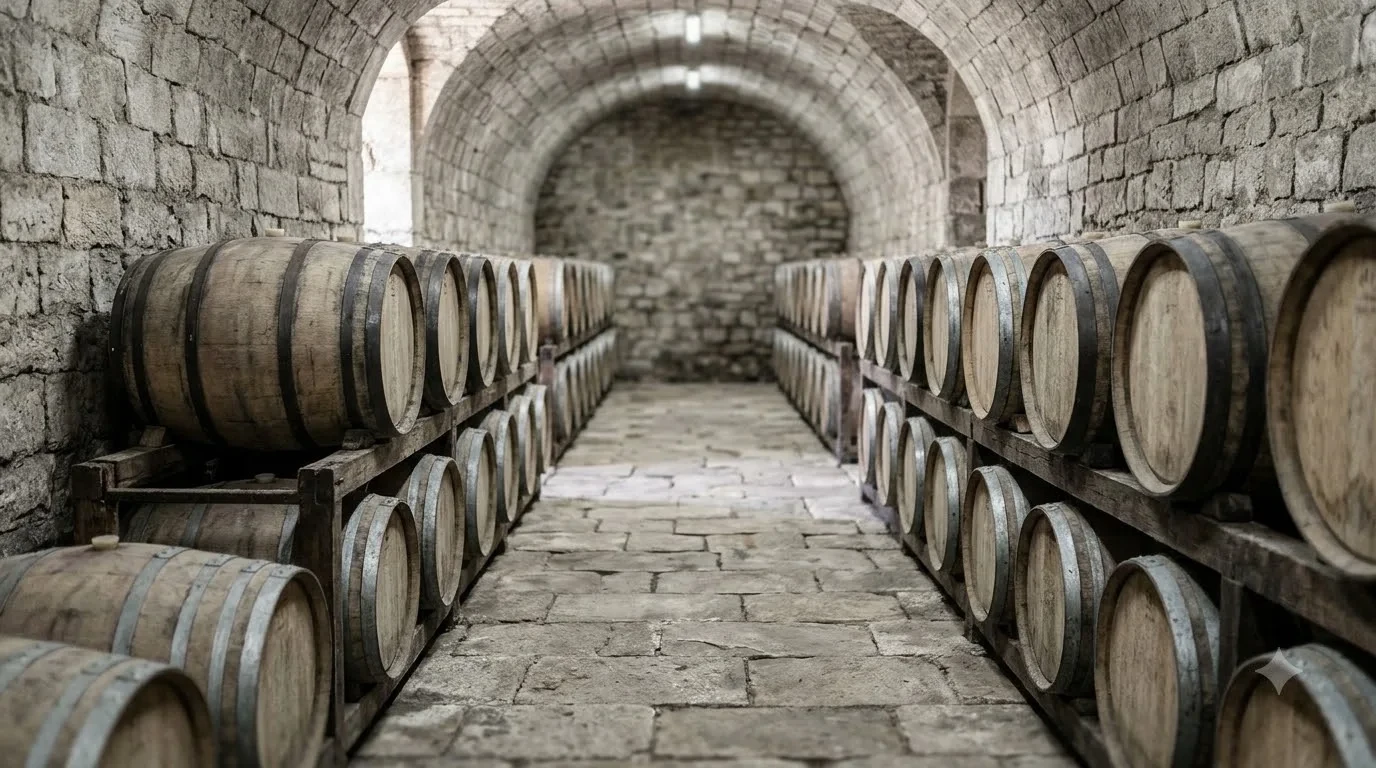
A paraduxx wine review reveals a distinctive Napa Valley wine brand known for bold, dry red blends that combine Cabernet Sauvignon with grapes such as Zinfandel, Merlot, and Syrah. Founded by Dan and Margaret Duckhorn in 1994, Paraduxx developed a recognizable style built around expressive dark fruit, polished tannins, and unconventional combinations of grape varieties. However, Duckhorn announced plans to discontinue the Paraduxx wine brand in 2025, making vintage identification, remaining inventory, and bottle condition especially important considerations for buyers.
Paraduxx occupies an interesting position in California wine history. Rather than concentrating on a single grape, the winery explored combinations inspired by celebrated European and Australian blends while retaining a distinctly Napa Valley character. Its flagship Proprietary Red became the best-known expression of that philosophy, although the portfolio also included white blends, rosé, and vineyard-specific bottlings. Understanding the differences between these wines helps buyers decide which bottles deserve attention and what to expect from an older vintage.
Who Should Consider Paraduxx Wine?
Paraduxx is particularly appealing to drinkers who enjoy full-bodied California reds but want something more layered than a conventional Cabernet Sauvignon. Its blending philosophy brings together the structure of Bordeaux grapes and the fruit-forward personality of varieties such as Zinfandel, creating wines that can work for both casual dinners and more substantial meals.
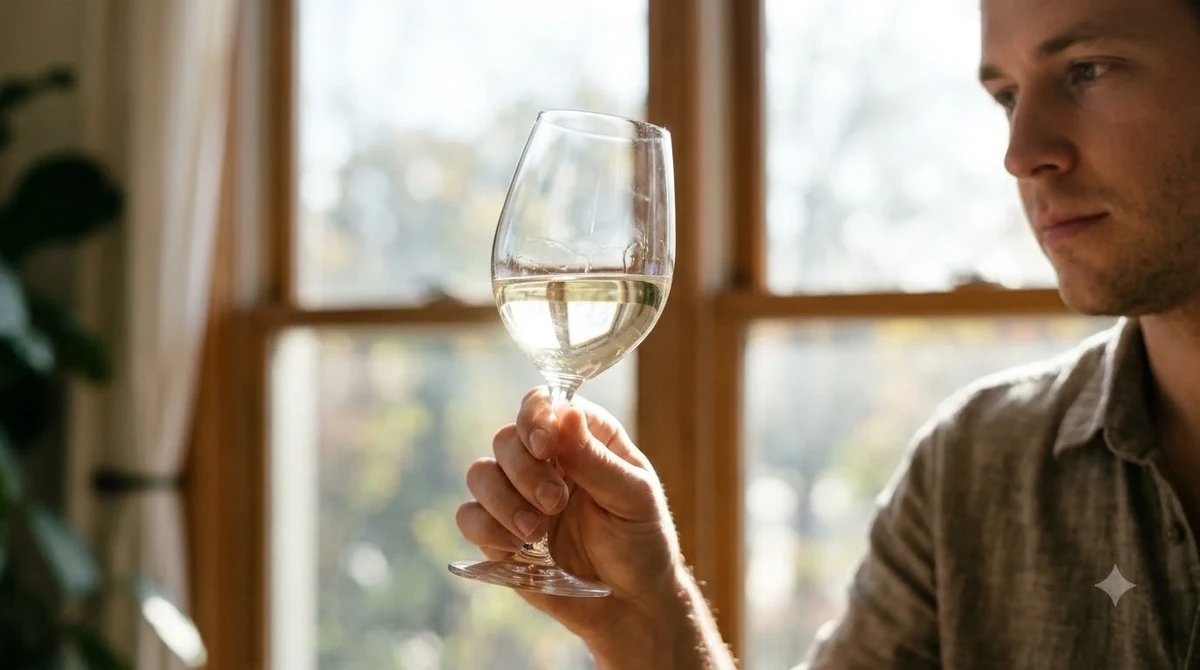
The original Paraduxx concept began with Dan and Margaret Duckhorn in Napa Valley in 1994. According to the winery’s history, the inaugural vintage combined Cabernet Sauvignon, Zinfandel, Merlot, and Petite Sirah. That combination established a direction that allowed the winemaking team to explore different grape varieties rather than follow a narrow single-varietal formula.
The approach also reflected international influences. Super Tuscan wines demonstrated how Italian producers could combine Sangiovese with Bordeaux varieties, while Spanish and Australian examples showed other ways to create distinctive blends. Paraduxx adapted those ideas to California grapes and Napa Valley fruit.
The brand may suit several types of wine drinkers:
- Cabernet Sauvignon drinkers: People who appreciate dark fruit, firm structure, and oak influence but want additional fruit complexity from Zinfandel or other varieties.
- Red-blend enthusiasts: Drinkers who enjoy comparing different grape combinations instead of concentrating on one varietal.
- Food-focused buyers: People looking for a dry red that can accompany grilled beef, roasted pork, mushrooms, and aged cheeses.
- Napa Valley collectors: Buyers interested in exploring older bottles from a winery with a distinctive blending history.
- Curious wine enthusiasts: People who enjoy unconventional combinations and want to understand how different grapes contribute to one finished wine.
Paraduxx may be less suitable for someone who prefers delicate Pinot Noir, very light-bodied reds, or sweet, fruit-forward wines. Cabernet Sauvignon contributes structure and tannin, while Zinfandel can add ripe berry character and a warmer impression of fruit. The resulting wine generally has more weight than a light red intended for slightly chilled service.
Availability is another important consideration. The San Francisco Chronicle reported on May 9, 2025, that Duckhorn was phasing out Paraduxx and had stopped producing wines under the label. Remaining inventory was expected to continue through tasting operations. Buyers should therefore approach Paraduxx as a discontinued wine brand rather than assume new vintages will keep appearing regularly.
For a wider understanding of how Napa labels fit into the American wine market, the Wine Brands overview provides useful context. Paraduxx is a particularly interesting example because its identity was built around blending rather than a single signature grape.
Key Factors to Compare Before Buying Paraduxx
The most useful comparisons involve grape composition, vintage, alcohol level, oak treatment, and bottle condition. These details can explain why two Paraduxx wines may taste noticeably different even though they share the same producer name and Napa Valley identity.
| Buying factor | What to examine | Why it matters |
|---|---|---|
| Wine category | Red blend or white blend | Determines body, structure, and serving style |
| Grape composition | Cabernet Sauvignon, Zinfandel, Merlot, and other grapes | Explains differences in fruit, acidity, and tannin |
| Alcohol | 14.5% for the 2022 Proprietary Red | Indicates a relatively full-bodied wine style |
| Oak aging | 18 months for the 2022 Proprietary Red | Provides context for spice, vanilla, and texture |
| Vintage | Harvest year and release information | Helps distinguish recipes and maturation stages |
| Bottle format | 375 ml, 750 ml, or larger formats where available | Affects serving quantity and maturation conditions |
| Storage history | Temperature, light exposure, and cork condition | Helps assess the reliability of an older bottle |
| Availability | Remaining inventory and established retailers | Important because the brand has been discontinued |
The 2022 Proprietary Napa Valley Red provides a useful example of how these specifications work together. The producer’s technical information lists a blend of 49% Cabernet Sauvignon, 15% Merlot, 10% Zinfandel, 8% Petite Sirah, 8% Petit Verdot, 5% Syrah, and 5% Malbec. Cabernet Sauvignon supplies the main structural component, while the additional varieties create a broader combination of fruit and texture.
That particular wine was aged for 18 months in French and Hungarian oak, with 40% new oak and 60% neutral oak. This approach allows oak-derived flavors to support the fruit without making wood the sole defining characteristic. Buyers comparing vintages should avoid assuming that the same percentages or aging program apply to every release.
Alcohol is another useful comparison point. Wine Enthusiast lists the 2022 Proprietary Red at 14.5% ABV in a 750 ml bottle. That relatively high alcohol level is consistent with the concentrated California red-wine style, although alcohol alone does not determine body or perceived sweetness.
It is also important to distinguish the red wines from the white bottlings. The 2022 Proprietary White, for example, contained 68% Viognier and 32% Chardonnay. Its composition, acidity, and serving temperature make it a very different purchase from the Cabernet-based red.
Vintage documentation is particularly useful when comparing older bottles. A blend from the early 2000s may have a different varietal balance from a more recent release. Buyers interested in the brand’s overall history can also explore Paraduxx wine for additional information about its portfolio and signature style.
Tip: For an older Paraduxx bottle, prioritize provenance and storage history over label appearance alone. A clean label cannot guarantee that the wine was stored properly, while a slightly worn exterior does not automatically mean the contents have deteriorated.
Step-by-Step: How to Choose a Paraduxx Bottle
A careful buying process helps narrow the selection to a bottle that matches your preferred flavor profile and intended occasion. Start with the wine category, then evaluate its vintage, composition, condition, and intended serving date.
-
Decide between red and white.
Begin by choosing the type of wine you want. The Proprietary Red is the better starting point for drinkers who prefer Cabernet-based Napa blends, while a white bottling built around Viognier and Chardonnay offers a brighter, more aromatic alternative.
-
Identify the exact bottling.
Look for the full wine name rather than relying on the Paraduxx label alone. Proprietary Red, vineyard-designated reds, appellation blends, and white wines can have substantially different compositions and flavor profiles.
-
Check the vintage.
Find the harvest year and distinguish it from the date of purchase. A bottle released several years ago may have developed different characteristics from a younger vintage, and older wines require greater attention to storage conditions.
-
Review the grape composition.
Look for Cabernet Sauvignon when structure and tannin are priorities. Zinfandel can contribute ripe berry flavors, Merlot often brings a softer texture, and Syrah may add dark fruit and peppery notes.
-
Consider oak and alcohol.
The 2022 Proprietary Red’s 18 months of oak aging and 14.5% ABV provide a useful reference point. A drinker who enjoys concentrated California reds may appreciate this style more than someone seeking a light, low-alcohol wine.
-
Inspect the bottle.
Examine the capsule, cork area, fill level, and glass for signs of leakage or poor handling. Avoid bottles with evidence of substantial seepage, damaged closures, or unexplained low fill levels.
-
Confirm the seller and remaining stock.
Because Paraduxx production has been discontinued, compare available bottles from established wine retailers and reputable sellers. Ask about storage conditions and return policies before purchasing an older vintage.
-
Plan the occasion and serving method.
Match a full-bodied red with grilled meat or rich savory dishes. For a dinner, allow enough time for the bottle to reach an appropriate serving temperature and consider decanting a young, structured red.
This process helps prevent a common buying mistake: selecting a bottle solely because its name is familiar. The individual vintage and blend composition are more informative than the brand name alone, particularly for a producer whose lineup evolved over several decades.
For buyers comparing other approachable American wine labels, Barefoot wine offers a useful contrast. Paraduxx occupies a more specialized Napa Valley red-blend position, whereas Barefoot is associated with a much broader range of everyday wine styles.
Paraduxx Wine Types and Styles Explained
Paraduxx’s defining feature was its willingness to combine grapes from different winemaking traditions. The portfolio included Cabernet-led red blends, vineyard-specific expressions, internationally inspired combinations, and white wines with a different emphasis on acidity and aromatics.
Proprietary Napa Valley Red
The Proprietary Red is the natural starting point for anyone researching Paraduxx. Its historical identity combines Cabernet Sauvignon and Zinfandel, although the precise proportions and supporting varieties change between vintages.
The 2022 version illustrates the style particularly well. Its seven-grape composition includes Cabernet Sauvignon, Merlot, Zinfandel, Petite Sirah, Petit Verdot, Syrah, and Malbec. Wine Enthusiast describes dark fruit flavors involving blackberry, blueberry, and plum, alongside mocha and baking spices. The publication also highlights polished tannins and a long finish.
This is a useful reference for buyers who want a full-flavored Napa red. The Cabernet foundation offers structure, while the other varieties create additional layers that distinguish the wine from a conventional single-varietal bottling. Read the publication’s Paraduxx 2022 Proprietary Napa Valley Red review for its tasting assessment and published bottle specifications.
Vineyard-Designated and Appellation Blends
Paraduxx also explored wines tied to particular Napa Valley vineyards and growing areas. These bottlings offered an opportunity to compare how different sites and grape combinations influence the finished wine.
Decanter identifies vineyard-designated examples associated with Candlestick Ridge in Howell Mountain, Cork Tree Estate in Oak Knoll, and Rector Creek in Yountville. These names provide useful geographical context, but buyers should not assume that every bottling contains the same grapes or follows the same production approach.
Internationally Inspired Blends
Some Paraduxx wines took their inspiration directly from famous international blending traditions. Atlas Peak was described by winemaker Don LaBorde as a Sangiovese-Cabernet combination inspired by Super Tuscan wines.
Ridgeline used Tempranillo and Cabernet Sauvignon, drawing on the style associated with Spain’s Vega-Sicilia. Another expression combined Cabernet Sauvignon and Syrah in a style inspired by Australian wines such as Penfolds Grange.
These combinations demonstrate the creative purpose behind the brand. Rather than reproducing European wines, Paraduxx used international examples as inspiration for blends made with a Napa Valley perspective.
White Blends
The white wine portfolio provided a contrast to the rich red blends. Paraduxx described its white-wine approach as emphasizing early picking, bright acidity, fresh aromatics, and relatively light body.
The 2022 Proprietary White combined 68% Viognier with 32% Chardonnay. Its tasting description included nectarine, lemon zest, Asian pear, white flowers, honeysuckle, and wet-stone mineral notes. The wine was aged for nine months across concrete egg, stainless steel, and oak vessels.
Its 13.9% ABV also distinguishes it from lighter white wines. Despite the bright aromatic profile, it offers a relatively substantial alcohol level and a creamy element from Chardonnay.
Rosé and Limited Bottlings
Paraduxx’s wider historical range also included rosé and limited-production wines. These bottlings were not necessarily as widely distributed as the Proprietary Red, making their availability more dependent on vintage and remaining stock.
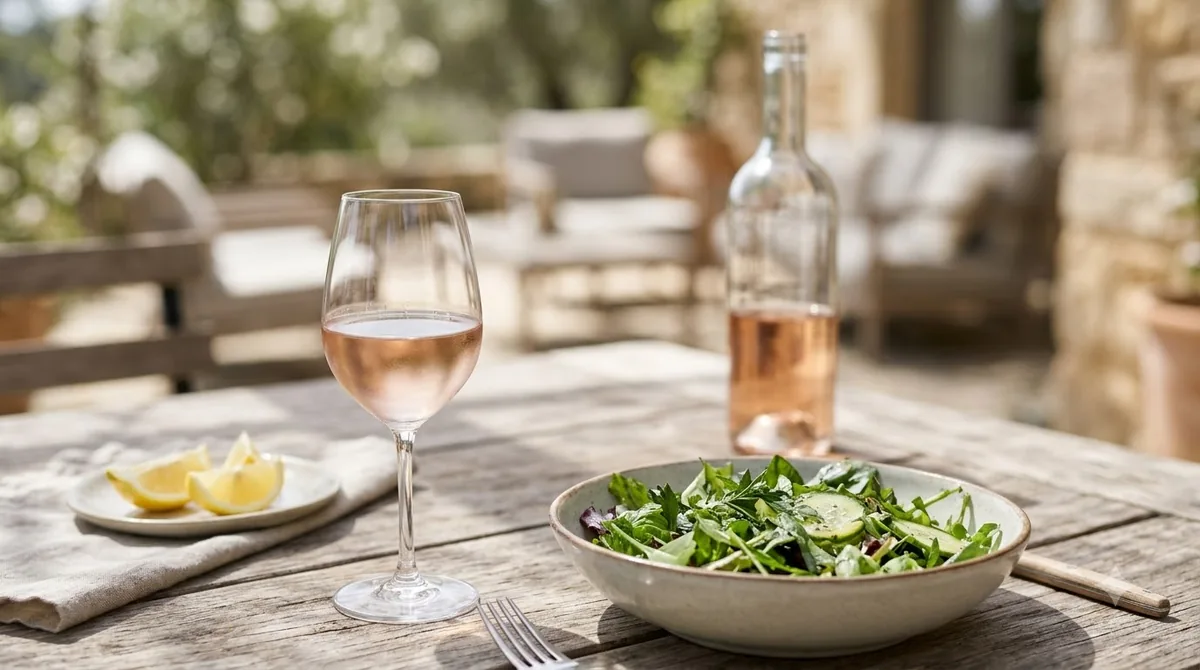
Collectors should research the exact wine name before buying. A Paraduxx-branded rosé, for example, should not be evaluated using the same expectations as the Cabernet-based flagship red. Different colors and grape combinations require different serving temperatures, food matches, and expectations about aging.
Common Mistakes When Buying or Drinking Paraduxx
Most misunderstandings about Paraduxx involve treating every bottle as the same wine, confusing fruit intensity with sweetness, or overlooking the importance of vintage and storage. A little attention to these details makes the buying decision more reliable.
Assuming Every Paraduxx Is the Same Blend
The brand was built around experimentation. Its Proprietary Red, vineyard-designated wines, Atlas Peak blend, Ridgeline bottling, and white wines all had different compositions.
Even the flagship red changed its varietal proportions between releases. A bottle containing Cabernet Sauvignon and Zinfandel should not automatically be expected to taste identical to a later blend that includes additional varieties such as Syrah, Malbec, and Petit Verdot.
Confusing Ripe Fruit With Residual Sugar
Dark cherry, blackberry, plum, and ripe raspberry can make a red wine seem fruit-forward. However, those flavors do not automatically indicate that the wine is sweet.
Paraduxx Proprietary Red is best approached as a dry red blend. Its ripe fruit character is balanced by acidity, tannin, and oak-derived flavors. Buyers who prefer sweet red wines should not assume that an intense fruit profile will provide the same experience.
Serving the Wine Too Warm
Full-bodied red wines can seem heavier and more alcoholic when served too warm. A useful serving range for a concentrated Napa red is 60 to 65 degrees Fahrenheit.
Room temperature is not always appropriate, particularly in a warm dining room. A short period in the refrigerator can bring a bottle closer to its intended serving range before pouring.
Ignoring Tannin and Food Pairing
Cabernet Sauvignon contributes relatively high tannin, which can make a full-bodied red feel firm alongside lean or delicate foods. Salt and fat soften the perception of tannin, making grilled beef, braised short ribs, and rich savory dishes natural partners.
Oily fish is generally a less successful pairing for a tannic red because the combination can create an unpleasant metallic impression. Similarly, very spicy dishes may make the alcohol and tannin feel more pronounced.
Buying Old Bottles Without Checking Provenance
Older Paraduxx bottles may be interesting purchases, but their condition depends heavily on how they were stored. Excessive heat, fluctuating temperatures, and prolonged light exposure can damage wine over time.
Buyers should be particularly cautious about bottles with seepage, damaged capsules, or unusually low fill levels. An attractive label and an appealing vintage date are not substitutes for reliable storage information.
Assuming New Vintages Will Be Released
The discontinuation announcement is essential context for anyone researching this brand. Duckhorn’s decision to phase out Paraduxx means that historical product information should not be mistaken for a promise of future production.
The San Francisco Chronicle reported that remaining Paraduxx wine would still be available through the winery’s tasting operations while inventory lasted. Its report on Paraduxx’s discontinuation and tasting-room plans also explains how the Napa property was expected to continue hosting tastings of other Duckhorn wines.
Serving, Opening, and Storage Tips
Correct serving and storage practices help preserve the character of Paraduxx wines, especially bottles that have spent several years in a cellar or retailer’s inventory. The most important details are temperature, exposure to air, closure condition, and the time between opening and drinking.
Serving Temperature
The full-bodied Proprietary Red is best served at approximately 60 to 65 degrees Fahrenheit. This range helps maintain the balance between dark fruit, oak, alcohol, and tannin.
For a lighter-bodied red, 55 to 60 degrees Fahrenheit is a useful target. White blends should generally be served between 50 and 55 degrees Fahrenheit when they have a fuller texture, although a lighter aromatic white may benefit from a cooler 45 to 50 degrees Fahrenheit range.
Avoid serving a red directly from a warm kitchen counter or placing it in a freezer for an extended period. Gradual cooling is easier to control and helps prevent the wine from becoming too cold to show its aromas.
Decanting and Aeration
A young, full-bodied red blend can benefit from 30 to 60 minutes of decanting. Exposure to air may help soften the initial impression of tannin and make the aromas easier to recognize.
Older bottles require more caution. Their structure may be more delicate, and excessive exposure to oxygen can cause aromas to fade. Open an older Paraduxx carefully, pour a small sample, and evaluate its condition before deciding whether additional aeration is appropriate.
A decanter is also useful when an older bottle contains sediment. Pour slowly and stop when sediment approaches the neck of the bottle. There is no need to transfer every last drop into the decanter.
Storage Before Opening
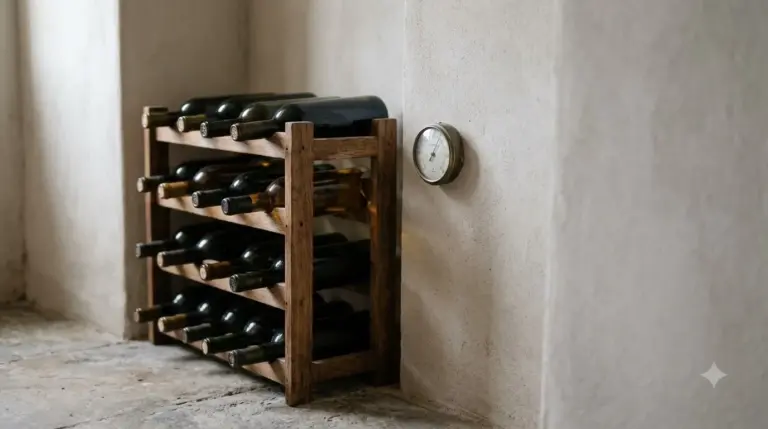
Store unopened bottles on their sides when they use natural cork closures. A stable environment near 55 degrees Fahrenheit is a useful target for longer-term storage.
Temperature consistency is more important than chasing a perfect number for a short period. Avoid placing bottles near radiators, kitchen appliances, direct sunlight, or other heat sources. Excessive temperature changes can accelerate deterioration and compromise the closure.
Storage After Opening
Refrigerate opened still wines and use a suitable closure to reduce oxygen exposure. Most opened still wines remain in reasonable drinking condition for approximately three to five days, although the actual period depends on the wine’s age, structure, and storage conditions.
For Paraduxx Proprietary Red, resealing the bottle and storing it upright in the refrigerator is a practical approach. Allow the wine to warm slightly before serving again. If the fruit character has faded significantly or the wine develops unpleasant vinegar-like aromas, its best drinking period has probably passed.
Food Pairing Suggestions
Paraduxx’s red blends are versatile with savory dishes that have enough flavor and richness to complement their structure. The Cabernet and Zinfandel combination is particularly suitable for grilled and roasted foods.
- Grilled ribeye: Fat and savory char help soften tannin while matching the dark fruit profile.
- Braised short ribs: Slow-cooked meat and a rich sauce work well with the wine’s body and oak character.
- Roasted pork: The combination of savory meat and caramelized edges complements ripe berry flavors.
- Mushroom risotto: Earthy mushrooms and creamy rice offer a useful counterpoint to the wine’s fruit and tannin.
- Aged cheddar: Salt and concentrated savory flavors help balance the wine’s structure.
- Grilled lamb: Herbs, char, and rich meat flavors provide a strong match for a Cabernet-based blend.
The white blends call for a different approach. Viognier and Chardonnay work well with roast chicken, creamy seafood dishes, mild cheeses, and dishes featuring stone fruit or citrus. For sparkling wine alongside an appetizer, a separate option such as La Marca Prosecco offers a lighter, bubbly alternative rather than a substitute for Paraduxx’s still wines.
Frequently Asked Questions
Is Paraduxx wine discontinued?
Yes. Duckhorn announced plans to phase out the Paraduxx wine brand in May 2025 and stopped producing wine under the label. The winery’s remaining inventory continued to be offered through its tasting operations. The property itself was expected to remain active as a destination for tasting other wines in the Duckhorn collection.
What does the name Paraduxx mean?
The name plays on the ideas of a pair of ducks and a paradox. Decanter explains that it reflects the brand’s combination of apparently contrasting winemaking traditions. The label and name connect with the Duckhorn family’s wider use of duck imagery across its wine portfolio.
Does Paraduxx wine need to be aged before drinking?
Not necessarily. Many Proprietary Red releases were designed to provide an approachable experience while still offering the structure associated with Napa Valley blends. The appropriate drinking window varies by vintage, and older bottles should be evaluated individually rather than assuming that additional cellaring will improve every wine.
Is Paraduxx wine suitable for a vegetarian dinner?
Yes. A dry Paraduxx red blend can accompany grilled portobello mushrooms, lentil dishes, mushroom risotto, and roasted eggplant. For vegetarian meals with substantial richness, ingredients such as aged cheese, olive oil, and caramelized vegetables can complement the wine’s tannin and fruit character.
Can an older Paraduxx bottle be a collectible wine?
Some older releases may interest collectors because of the brand’s distinctive Napa Valley history and unusual grape combinations. However, age and discontinued status alone do not establish collectible value. Vintage reputation, provenance, fill level, storage history, and the condition of the closure all influence whether a particular bottle is worth pursuing.
Paraduxx remains an interesting name in Napa Valley wine history because it demonstrated how Cabernet Sauvignon, Zinfandel, and less conventional grape combinations could create distinctive California blends. Its discontinued status makes careful vintage selection and bottle inspection more important than ever. For drinkers who appreciate structured, fruit-forward reds and the creativity of American blending, a well-preserved Paraduxx bottle can still be an appealing addition to a dinner or wine collection.
More in Wine Brands
 Winc Wine Review: Is Its Personalized Wine Subscription Worth Trying?Updated Nov 21, 2026
 Weinbach Wine Price: Compare Alsace Wines and Find the Right BottleUpdated Nov 21, 2026
 Trimbach Wine Price: Compare Styles and Bottle CostsUpdated Nov 21, 2026
 Wolf Blass Wine Review: How to Choose the Right BottleUpdated Nov 21, 2026
 Vina Sol Wine Price: What to Expect and How to BuyUpdated Nov 21, 2026
 Villa Maria Wine Price: Compare Bottles and Find Better ValueUpdated Nov 21, 2026