

We may earn a commission when you buy through links on this page, at no extra cost to you. Learn more.
This overture wine review explains what to expect from Overture by Opus One, a Napa Valley Bordeaux-style red made from estate-grown grapes and designed to offer a different, more approachable expression of the winery. It combines Cabernet Sauvignon with traditional Bordeaux varieties, delivering dark and red fruit, polished tannins, fresh acidity, and French oak character. Overture is particularly appealing to wine drinkers who appreciate structured Napa reds but want a bottle that can be enjoyed without the same level of aging commitment as Opus One.
Overture occupies an interesting position in the premium Napa Valley wine market. It comes from the same estate as Opus One and receives considerable attention during harvesting, blending, and maturation, but it has its own identity. Understanding its vintage history, grape composition, flavor profile, and serving requirements makes it easier to decide whether this wine suits your preferences and occasions.
Who Should Choose Overture Wine?
Overture is a strong choice for drinkers who enjoy Cabernet Sauvignon-based Bordeaux blends but prefer softer textures and a more immediately approachable drinking experience. Its combination of Napa Valley fruit, French oak, and carefully selected estate parcels makes it particularly interesting for people exploring premium California red wines.
The wine is produced by Opus One, the Napa Valley winery associated with a distinctive approach to Bordeaux-inspired winemaking. Overture was introduced in 1993 and was created to express the estate’s vineyards through a different blending approach. Rather than simply reproducing the flagship wine, it highlights characteristics that the winery considers especially suitable for this bottling, including red-fruit aromas, herbal notes, softer tannins, and a creamy texture.
This distinction matters when deciding whether to purchase a bottle. Someone expecting the exact structure, concentration, and aging profile of Opus One may find Overture different from what they anticipated. However, drinkers who appreciate Cabernet-led wines with a rounder mouthfeel may find its personality particularly attractive.
Several types of wine drinkers are likely to appreciate Overture:
- Cabernet Sauvignon enthusiasts: The blend is Cabernet-led, providing familiar blackcurrant, blackberry, and dark-fruit characteristics.
- Bordeaux blend enthusiasts: Cabernet Franc, Merlot, Petit Verdot, and Malbec contribute additional fruit, aromatic complexity, and structure.
- Opus One admirers: Overture provides another way to explore the estate’s winemaking approach without expecting an identical wine.
- Special-occasion buyers: Its premium positioning and polished presentation make it suitable for celebrations and thoughtful gifts.
- Collectors exploring Napa Valley: Vintage-dated releases offer an opportunity to compare the influence of different growing seasons.
Overture may be less suitable for someone who prefers inexpensive, uncomplicated reds or very light-bodied wines. It remains a premium Napa Valley Cabernet-based blend, so its oak influence, fruit concentration, and structured character are important parts of the experience.
It is also worth distinguishing Overture from everyday California Cabernet Sauvignon. A bottle such as Barefoot wine generally serves a different drinking occasion and purchasing purpose. Overture belongs to a more specialized category of estate-focused premium wine, where vineyard selection, blending, and maturation play central roles.
Key Factors to Compare Before Buying Overture
The most important buying considerations are vintage, grape composition, oak aging, body, and drinking style. These factors help explain why two bottles of Overture from different growing seasons can offer noticeably different experiences.
Although the wine has a recognizable house identity, its blend is not fixed. Opus One selects different proportions of Bordeaux varieties to express each growing season. Consequently, checking the vintage and understanding its composition are more useful than assuming every release tastes exactly the same.
| Buying factor | What to look for | Why it matters |
|---|---|---|
| Producer | Opus One Winery | Establishes the wine’s estate identity |
| Origin | Oakville, Napa Valley, California | Identifies its regional character |
| Main grape | Cabernet Sauvignon | Provides the core structure and dark fruit |
| Other varieties | Merlot, Cabernet Franc, Petit Verdot, Malbec | Add complexity and blending flexibility |
| Bottle size | 750 ml | Provides approximately five standard 5-ounce pours |
| Skin contact | 19–22 days in the documented 2021–2023 releases | Provides context for extraction and structure |
| New French oak | 18–19 months in the documented 2022–2023 releases | Contributes spice, texture, and oak character |
| Body | Medium-bodied in the 2023 tasting description | Helps determine serving and pairing choices |
These figures come from the winery’s published vintage information. They should be treated as vintage-specific production details rather than permanent specifications for every Overture release. The official Overture page from Opus One Winery provides additional information about the wine’s identity, vintage details, blend, and tasting characteristics.
Vintage differences
One particularly important development is the transition to vintage-dated Overture. Historically, the wine was known for combining fruit from multiple growing seasons. This approach allowed the winemaking team to create a consistent estate expression while incorporating the character of different vintages.
The winery identifies 2021 as the first vintage-dated bottling. The change gives buyers a clearer connection between the wine and its growing season. It also makes comparisons between releases more straightforward because each bottle communicates a specific vintage identity.
For example, the 2021 blend contained 89% Cabernet Sauvignon, 4% Cabernet Franc, 4% Petit Verdot, and 3% Merlot. The 2022 release increased Cabernet Sauvignon to 94%, while the 2023 composition contained 91% Cabernet Sauvignon, 4% Merlot, 3.4% Petit Verdot, 1% Cabernet Franc, and 0.5% Malbec.
Oak maturation and texture
French oak is another important part of Overture’s identity. The winery reports 18 months of new French oak aging for the 2022 vintage and 19 months for the 2023 release. These are substantial maturation periods that help explain the wine’s layered texture and aromatic complexity.
Oak influence can contribute impressions of cedar, toasted spice, vanilla, and mocha. However, the wine should not be understood as simply an oak-forward Cabernet. Fruit, acidity, and tannin remain central to its overall balance.
For additional background on producers, grapes, and regional differences, the Wine Brands resource provides a useful starting point for comparing wineries and their approaches to winemaking.
Step-by-Step: How to Select an Overture Bottle
Choosing Overture becomes easier when you approach the purchase systematically. Start with the vintage, confirm the bottle’s provenance, and then consider your preferred drinking window and intended food pairing.
-
Identify the vintage.
Start by establishing whether you are purchasing a vintage-dated release or an older multi-vintage bottling. The 2021, 2022, and 2023 releases have documented individual grape compositions. Older bottles may require additional research because their blending practices and labeling conventions differ.
-
Decide what flavor profile you prefer.
For a fresher, medium-bodied interpretation, the 2023 release is an interesting reference point. Its tasting description includes blueberry, blackberry, black currant, red cherry, raspberry, pomegranate, and red plum. The 2022 release emphasizes bright cherry, forest berries, violet, toasted almond, and anise.
-
Consider the wine’s structure.
Cabernet Sauvignon provides the main structural foundation. Its tannins give the wine shape, while the other Bordeaux varieties contribute different fruit and aromatic characteristics. If you prefer softer reds, consider the winery’s emphasis on Overture’s supple texture and approachable character.
-
Check the bottle’s condition and provenance.
For a premium wine, storage history is important. Choose a reputable wine merchant and look for evidence of appropriate temperature-controlled storage, particularly when purchasing older bottles. Avoid bottles with damaged capsules, leaking corks, or unusually high fill-level loss.
-
Match the vintage to your occasion.
A recently released bottle can suit a dinner where the wine will be enjoyed relatively soon. An older bottle may offer more developed aromas, depending on its condition and storage history. Do not assume that an older vintage is automatically superior.
-
Plan the serving temperature.
Full-bodied red wines are generally served around 60–65°F. For Overture, a temperature in this range helps balance fruit expression, acidity, and tannin without allowing excessive warmth to make the alcohol seem prominent.
-
Choose suitable glassware.
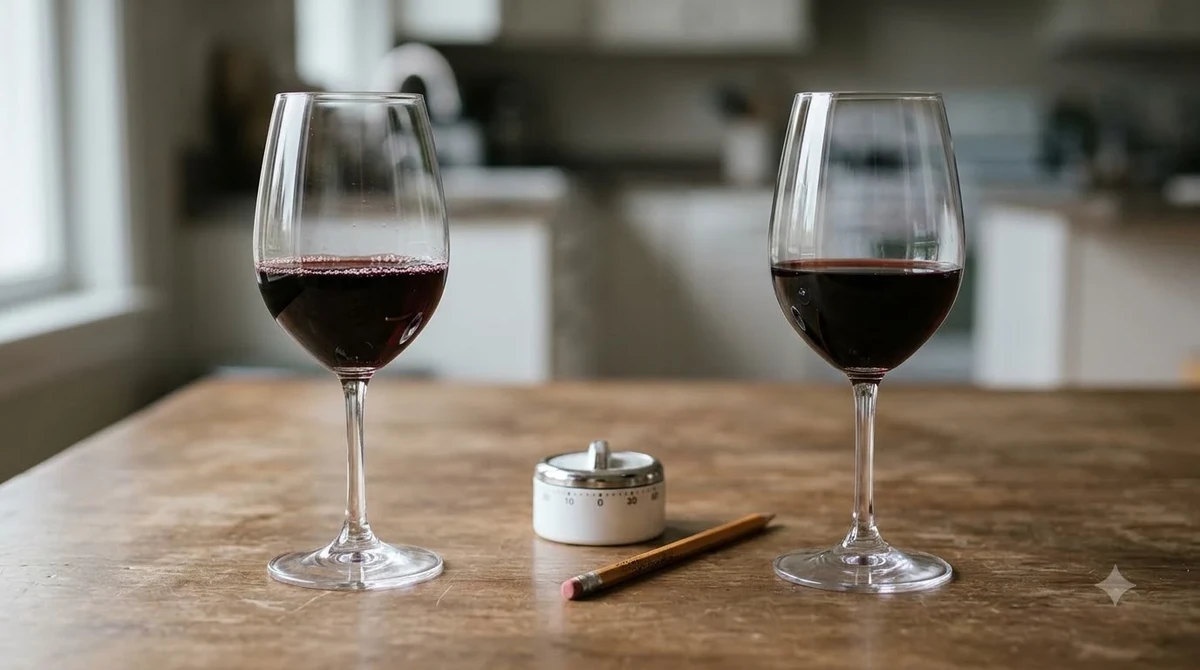
A large Bordeaux-style wine glass gives the wine room to release its aromas. Allow enough space in the glass to swirl without spilling, and begin with a moderate 5-ounce pour rather than filling the bowl.
-
Decide whether to decant.
A young bottle may benefit from approximately 30–60 minutes of aeration, especially if its aromas initially seem restrained. Older bottles require more caution because extended exposure to air can reduce delicate developed aromas.
Following these steps helps prevent a common purchasing mistake: selecting a premium wine based only on the producer’s reputation. Vintage, storage, personal taste, and drinking occasion all influence whether a particular bottle is the right choice.
Tip: If you are buying Overture as a gift, prioritize a bottle with clear vintage identification and reliable storage provenance. A well-preserved bottle from a suitable vintage is generally a better choice than an older bottle with an uncertain history.
Overture Wine Types and Styles Explained
Overture is not a collection of unrelated wines. It is a Bordeaux-style red blend whose composition changes according to the vintage and the winemaking decisions made at the estate. Understanding the traditional grape varieties and the differences between historical and newer releases helps explain its style.
Cabernet Sauvignon: The foundation
Cabernet Sauvignon is the dominant grape in the documented recent releases. It generally contributes blackcurrant, blackberry, dark cherry, and a structured tannin profile. These characteristics give Overture its recognizable Napa Valley Cabernet identity.
Cabernet Sauvignon is typically higher in tannin than Merlot or Pinot Noir. This structural quality makes it particularly suitable for pairing with rich proteins and foods containing fat, which can soften the perception of tannin.
Merlot: Roundness and softer fruit
Merlot typically contributes softer tannins and fruit characteristics that can make a blend feel more rounded. Its presence in the 2021, 2022, and 2023 compositions varies, illustrating how the winery adjusts the blend rather than following an unchanging recipe.
In a Cabernet-led wine, Merlot can help balance structure with a more approachable mouthfeel. It is one reason Bordeaux-style blends can offer greater textural complexity than a wine made from a single grape variety.
Cabernet Franc: Aromatic complexity
Cabernet Franc contributes another dimension to the blend. It is often associated with herbal, floral, and red-fruit characteristics. In Overture, its proportion changes between vintages, ranging from 1% in 2023 to 4% in 2021 and 2022.
Even relatively small percentages can influence the overall aromatic balance of a complex blend. The objective is not necessarily to make every grape individually recognizable but to create a harmonious final wine.
Petit Verdot and Malbec: Additional blending components
Petit Verdot is traditionally valued for its contribution to color, tannin, and structure. Malbec can contribute dark fruit and additional depth. Both appear in the documented Overture blends, although their proportions are relatively small.
The 2023 release includes 3.4% Petit Verdot and 0.5% Malbec. In 2022, the proportions were 0.5% Petit Verdot and 1% Malbec. This variation demonstrates why the blend should be evaluated vintage by vintage.
Historical multi-vintage Overture
Earlier Overture bottlings were associated with a multi-vintage blending approach. Rather than representing one growing season, these wines combined selected lots from different vintages to express the estate over time.
A documented earlier release combined the 2018 and 2019 vintages and received 18 months of French oak aging. This historical approach helps explain why older Overture bottles should not automatically be compared with the newer vintage-dated releases using identical expectations.
The change to vintage dating is especially useful for buyers who want to follow vintage variation, compare growing conditions, or develop a collection organized by harvest year.
Common Mistakes When Buying and Drinking Overture
Several misunderstandings can lead to disappointment with Overture, particularly when buyers assume it is simply a less expensive copy of Opus One. Recognizing the wine’s independent identity, structure, and vintage history leads to more realistic expectations.
Assuming Overture is identical to Opus One
Overture is the second wine of Opus One, but it is not intended to reproduce the flagship bottling exactly. The winery specifically describes its expression as emphasizing characteristics such as red fruit, herbal notes, softer tannins, and creamy texture.
This difference is important. A buyer looking for the most concentrated and structured expression associated with the flagship wine may have different preferences from someone seeking Overture’s more approachable style.
Assuming every bottle is multi-vintage
The historic multi-vintage approach remains an important part of Overture’s story, but it does not describe all current releases. The 2021 bottling marked the transition to vintage dating. Therefore, it is inaccurate to describe every bottle as a non-vintage blend.
Buyers comparing an older bottle with the 2023 release should recognize that the wines represent different blending approaches and labeling practices.
Expecting a soft, low-tannin red
Overture has a reputation for a supple texture, but Cabernet Sauvignon remains its principal grape. It is not equivalent to a light Pinot Noir or a soft, simple red blend.
Its fruit and texture can make it approachable, yet its Cabernet foundation still gives it structure. People who strongly dislike tannic wines should consider this distinction before purchasing.
Serving the wine too warm
Serving a premium Napa red at room temperature can be misleading because modern indoor temperatures often exceed the traditional cellar range. Excessive warmth can emphasize alcohol and make the wine feel heavier.
For a structured Cabernet-based blend, approximately 60–65°F is a useful serving range. If the bottle is warmer, a short period of cooling can improve the balance.
Pairing it with unsuitable food
Food pairing can significantly influence how a wine tastes. Overture’s Cabernet-led structure is generally more comfortable alongside savory dishes than delicate foods that could be overwhelmed by its fruit concentration and tannin.
Oily fish can clash with tannic reds, while very spicy dishes may make alcohol and tannin seem more pronounced. Sweet desserts can also make a dry red wine taste sour or harsh because the wine should generally be at least as sweet as the dessert.
Ignoring bottle provenance
Premium wine purchasing should involve more than checking the label. Heat exposure, poor storage, and damaged closures can negatively affect wine quality, especially in older bottles.
A bottle stored in a hot environment may show premature development, muted fruit, or undesirable oxidation. Reliable storage and transportation matter just as much as the vintage printed on the label.
Overture Wine Food Pairing, Serving, and Storage Tips
Overture works particularly well with savory dishes that complement Cabernet Sauvignon’s dark fruit and tannin. Serving it at an appropriate temperature, allowing moderate aeration, and storing unopened bottles correctly help preserve the wine’s intended character.
Best food pairings
Beef is one of the most natural partners for Overture. A grilled ribeye, roasted tenderloin, or slow-cooked beef short rib provides enough protein, savory flavor, and richness to complement the wine’s structure.
Lamb is another strong option. Herb-roasted lamb shoulder, grilled lamb chops, and rosemary-seasoned preparations work particularly well with the wine’s dark fruit and herbal aromatic characteristics.
For poultry, consider roasted duck or a richly prepared chicken dish. Duck has enough flavor and fat to stand up to the blend, while roasted chicken with mushrooms can provide a gentler pairing that allows the wine’s fruit to remain prominent.
Other suitable dishes include:
- Beef Wellington with mushroom filling.
- Grilled venison with rosemary.
- Roasted pork tenderloin with savory herbs.
- Wild mushroom risotto with Parmesan.
- Aged hard cheeses such as aged cheddar or Gouda.
- Slow-braised short ribs with a savory reduction.
Salt and fat generally soften the perception of tannin, which explains why rich meat dishes are often successful with Cabernet-based blends. However, acidity remains important. Foods with substantial acidity are usually best paired with wines that have equal or greater acidity.
Serving temperature and decanting
Serve Overture around 60–65°F, adjusting slightly according to the vintage and personal preference. A bottle that has been stored at a cool cellar temperature may need some time in the room before serving, while a bottle kept in a warm kitchen may benefit from brief refrigeration.
For a young full-bodied red, 30–60 minutes of decanting is a useful general guideline. Overture’s medium-bodied 2023 profile may need less aeration than a particularly concentrated Cabernet Sauvignon, so begin by opening the bottle and assessing its aromas.
Pouring the wine into a large glass also allows it to develop. Swirling gently releases aromatic compounds, making notes of cherry, blackberry, cedar, floral elements, and spice easier to appreciate.
Long-term bottle storage
Store unopened bottles on their sides when they have traditional cork closures. A stable environment near 55°F is a useful target for long-term storage. Consistency is more important than frequent temperature changes, and bottles should be protected from direct sunlight, vibration, and excessive heat.
Avoid storing Overture near ovens, radiators, or windows exposed to strong sunlight. These conditions can accelerate unwanted chemical changes and damage the wine’s freshness.
If the bottle has been opened, replace the closure and refrigerate the remaining wine. Most opened still wines retain their best qualities for approximately 3–5 days, depending on the wine, storage conditions, and oxygen exposure. Allow the wine to return toward its serving temperature before pouring another glass.
For a premium bottle, minimizing oxygen exposure is particularly useful. A suitable wine stopper can help, although no closure completely reverses the oxidation process once a bottle has been opened.
Frequently Asked Questions
Is Overture made exclusively from grapes grown in Napa Valley?
Opus One describes Overture as an expression of its estate vineyards, with selected parcels contributing to the wine. The winery’s vintage information identifies its Oakville estate context, rather than presenting Overture as a generic California red blend. This estate connection is an important part of the wine’s identity.
Does Overture contain any white wine grapes?
The documented 2021, 2022, and 2023 compositions use five traditional Bordeaux red varieties: Cabernet Sauvignon, Merlot, Cabernet Franc, Petit Verdot, and Malbec. None of the listed compositions includes a white grape variety. This makes Overture a red Bordeaux-style blend rather than a mixed red-and-white wine.
Can Overture be enjoyed without decanting?
Yes. Decanting is a serving choice rather than a requirement. A bottle can be poured directly into a large glass, especially if its aromas are already expressive. Gentle swirling provides additional aeration without requiring a separate decanter.
Does Overture have a screw-cap closure?
Overture has been associated with traditional cork closures in its historical bottlings. For collectors, the closure condition is an important part of evaluating an older bottle. A compromised cork or evidence of leakage can indicate a storage problem even when the wine label looks undamaged.
Is Overture suitable for a vertical wine tasting?
Yes. Vintage-dated releases make a vertical tasting particularly interesting because participants can compare the same wine across different growing seasons. The 2021, 2022, and 2023 releases provide documented differences in grape proportions, skin-contact duration, and barrel aging. Serving each wine at a consistent temperature and using identical glassware makes the comparison more useful.
Overture is an appealing option for wine drinkers who appreciate Napa Valley Cabernet Sauvignon and Bordeaux-style blending but want a distinctive expression of the Opus One estate. Its changing vintage compositions, French oak maturation, and combination of dark fruit, red fruit, and polished tannins make it a wine worth considering for special dinners and thoughtful collections. Choosing the right vintage and storing the bottle properly will help ensure that the experience matches the wine’s premium positioning.
More in Wine Brands
 Zuccardi Wine Price: Compare Bottles and Find the Right RangeUpdated Nov 21, 2026
 Yellow Tail Moscato Review: Taste, Sweetness and Serving TipsUpdated Nov 21, 2026
 Wolf Blass Yellow Label Review: Choose Your Best StyleUpdated Nov 21, 2026
 Wolffer Estate Rose Review: Choose the Right Bottle for Your TableUpdated Nov 21, 2026
 Wolf Blass Yellow Label Price: What to Expect for Each BottleUpdated Nov 21, 2026
 Yellow Tail Pinot Grigio Price: Compare Bottle Sizes and Retail CostsUpdated Nov 21, 2026