


We may earn a commission when you buy through links on this page, at no extra cost to you. Learn more.
The orvieto wine region in central Italy is best known for white wines built around Grechetto and Procanico, with styles ranging from crisp dry bottlings to rich wines made from late-harvest or noble-rotted grapes. The denomination spans parts of Umbria and northern Lazio, while Orvieto Classico marks its historic core around the town’s tuff-rock outcrop. Understanding the blend, the Classico and Superiore terms, and the sweetness words on the label makes it easier to choose a bottle.
Orvieto is one of Umbria’s signature white wines, but it is not a single, fixed flavor profile. Vineyard soils, grape proportions, harvest timing, and cellar choices create meaningful differences between bottles, so the best starting point is the appellation and the style named on the label.
Where Orvieto Sits and Why Its Location Matters
The Orvieto DOC lies in southwestern Umbria and reaches across the regional border into northern Lazio. Its historic Classico area circles the town of Orvieto and the steep tuff outcrop known locally as the Rupe, a landmark that helps explain the close link between the wine and the town.
The protected production area includes parts of the province of Terni in Umbria and the province of Viterbo in Lazio. The EU specification names communities such as Orvieto, Allerona, Baschi, Ficulle, Porano, Bagnoregio, and Lubriano among the eligible municipalities. This is a defined agricultural zone rather than a loose term for any wine made in the surrounding countryside.
Orvieto’s location also places it within a wider network of central Italian wine regions. The city stands between the Umbrian hills and the landscapes of northern Lazio, with the Paglia River and Lake Corbara among the geographic features that influence local vineyard sites. Readers comparing Italian appellations can use our overview of Wine Regions to see how place names, boundaries, and local grapes shape the identity of a bottle.
Orvieto’s winemaking history reaches back to the Etruscans, who cut caves and tunnels into the tuff beneath the town. The EU specification links the Classico area to this tuff massif, underlining the long relationship between the settlement and its vineyards.
Grechetto, Procanico and the Grapes Behind the Blend
Grechetto and Procanico form the foundation of Orvieto DOC, together accounting for at least 60 percent of the blend. The remaining share can come from other permitted, non-aromatic white grapes, giving producers room to adjust texture, aroma, and freshness while preserving the appellation’s recognizable local base.
Procanico is the local name used for Trebbiano Toscano, a grape that contributes freshness and a relatively neutral fruit profile. Grechetto brings more presence and flavor, often adding a broader texture and savory character. The combination helps explain why Orvieto can feel more substantial than a simple, light-bodied white even when it is made in a clean, stainless-steel style. Wine Enthusiast characterizes dry Orvieto as crisp, with exotic-fruit and peach notes, while its description of Classico Superiore emphasizes a creamier texture with fresh acidity.
The Orvieto wine consortium’s grape and style description characterizes the wines as pale straw in color and delicate and fruity in aroma. Dry examples can finish with a slight bitter note, while sweeter styles move toward candied fruit. Producers may also work with varieties such as Verdello, Malvasia, Drupeggio, or other authorized white grapes, depending on the blend and the wine’s intended character.
That flexibility matters when comparing bottles: Grechetto can give a blend a rounder palate, while a Procanico-led version may feel brisker. Other grapes can add floral detail without changing the wine’s local foundation. A similar link between regional grapes and place appears in the Savoie wine region.
Volcanic Tuff, Clay, Sand and River Soils
Orvieto’s vineyards do not sit on one uniform soil type: volcanic tuff, clay, sandy marine deposits, and silty alluvial ground all occur within the appellation. These differences help account for the range of weight and savory character found in wines made from the same two principal grapes.
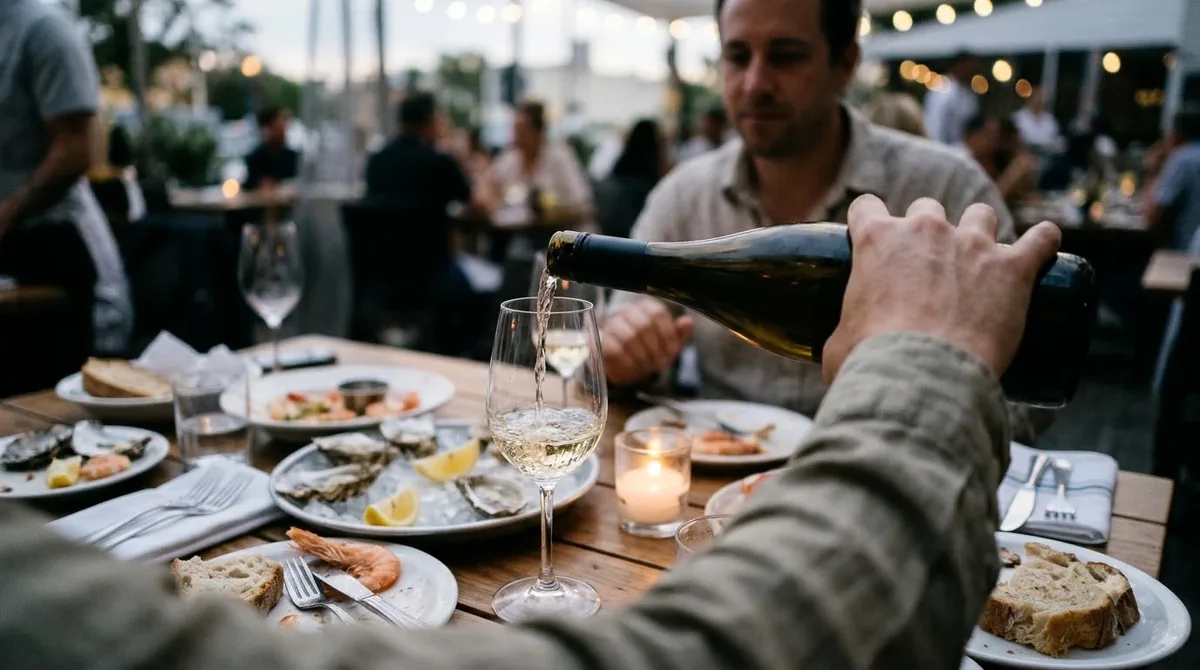
South of Orvieto, some sites contain tuffaceous soils associated with the area’s volcanic history. The geology traces back to the volcanic complex around the Vulsini Mountains and Lake Bolsena. Wine Enthusiast describes the area’s southern volcanic soils as distinct from the clay found nearer the center of the denomination, while vineyards farther northeast include sand mixed with marine fossils.
Near the Paglia River, silty alluvial soils add another element to the patchwork. Soil does not dictate flavor by itself, but drainage, water availability, and exposure influence grape maturity and can change the balance of fruit, acidity, and texture.
Decanter describes the area’s volcanic, sedimentary, alluvial, and limestone terrain, and links the town’s tufaceous hill to whites with good acidity and minerality. A producer’s site and farming choices can therefore make two Orvieto wines taste noticeably different. For another example of how small-scale geography matters, compare it with the Switzerland wine region, where vineyards occupy a very different Alpine setting.
Dry, Off-Dry and Sweet Styles of Orvieto
Most Orvieto is made in a dry style, but the appellation also covers off-dry and sweet wines, including late-harvest and noble-rot expressions. The words used for sweetness are more useful than assuming every bottle bearing the Orvieto name will taste the same.
On Italian labels, secco means dry. Abboccato indicates a lightly off-dry style, while amabile signals a noticeably sweet wine and dolce means sweet. These terms help set expectations at the table: a secco bottling suits savory dishes, while amabile or dolce can work with fruit-based desserts and pastries when the wine is at least as sweet as the food.
Two specialty categories are especially associated with concentrated sweetness. Vendemmia Tardiva means late harvest and is made from grapes left to ripen longer on the vine. Muffa Nobile refers to noble rot, the beneficial action of Botrytis cinerea on ripe grapes. In suitable autumn conditions, moisture and mist can encourage the fungus, while later drying helps concentrate the berries. Decanter describes autumn mists in the area as favorable to botrytized wines, a traditional style also known as muffato.
The EU product specification records different maximum grape yields for the main categories. Muffa Nobile can show dried apricot, candied citrus, or honeyed notes as its grapes concentrate. The figures below are maximum harvest amounts, not a promise that every producer picks at that level.
| Orvieto category | Maximum grape yield | Style cue |
|---|---|---|
| Orvieto DOC | 11,000 kg/ha | Dry through sweet, depending on the bottling |
| Orvieto Superiore | 8,000 kg/ha | A more selective category with a structured white-wine profile |
| Orvieto Muffa Nobile | 5,000 kg/ha | Noble-rot sweet wine |
| Orvieto Vendemmia Tardiva | 7,000 kg/ha | Late-harvest sweet wine |
The lowest maximum yield in this list applies to Muffa Nobile, a category made from botrytized grapes where concentration is central to the style. These figures are caps on grape weight per hectare, not finished-wine volume, and they do not guarantee a particular flavor or quality level. Weather, harvest decisions, and cellar methods still shape the final wine.
How to Read DOC, Classico and Superiore on a Label
Orvieto DOC identifies the protected origin and the production rules, while Classico identifies wines from the denomination’s oldest and historic growing area. Superiore is a separate category within the appellation, not a statement that the wine is sweeter or that it comes from a later vintage.
The word Classico is geographical. Under the EU specification, grapes for an Orvieto wine using Classico must come from the oldest area of origin around the Rupe. A bottle labeled Orvieto DOC can therefore come from the wider approved zone, while Orvieto Classico points to the historic core. Classico does not mean that the wine was aged longer, and it is not a synonym for a reserve bottling.
Superiore also describes a regulated wine category. Its maximum permitted grape yield is 8,000 kilograms per hectare, compared with 11,000 kilograms per hectare for standard Orvieto DOC. The EU specification also lists separate yield limits for Muffa Nobile and Vendemmia Tardiva, so the category name is connected to production requirements as well as style.
The label also offers clues to the grapes and sweetness. The grape names can reveal whether a producer emphasizes Grechetto or Procanico, and a sweetness term can tell you whether the wine is dry or sweet. For a reliable first purchase, match the category to the occasion: standard Orvieto DOC secco is a sensible introduction, Classico points to the historic area, and Superiore is worth considering for a more structured bottle.
How to Serve Orvieto and What to Eat With It
Serve a crisp, dry Orvieto at about 45 to 50 degrees Fahrenheit, with fuller Classico Superiore bottlings closer to 50 to 55 degrees. Sweet Orvieto is best served cool rather than icy, generally around 43 to 50 degrees, so its fruit and concentrated aromas remain clear. A standard 750-milliliter bottle yields about five 5-ounce glasses, a useful amount for planning a meal.
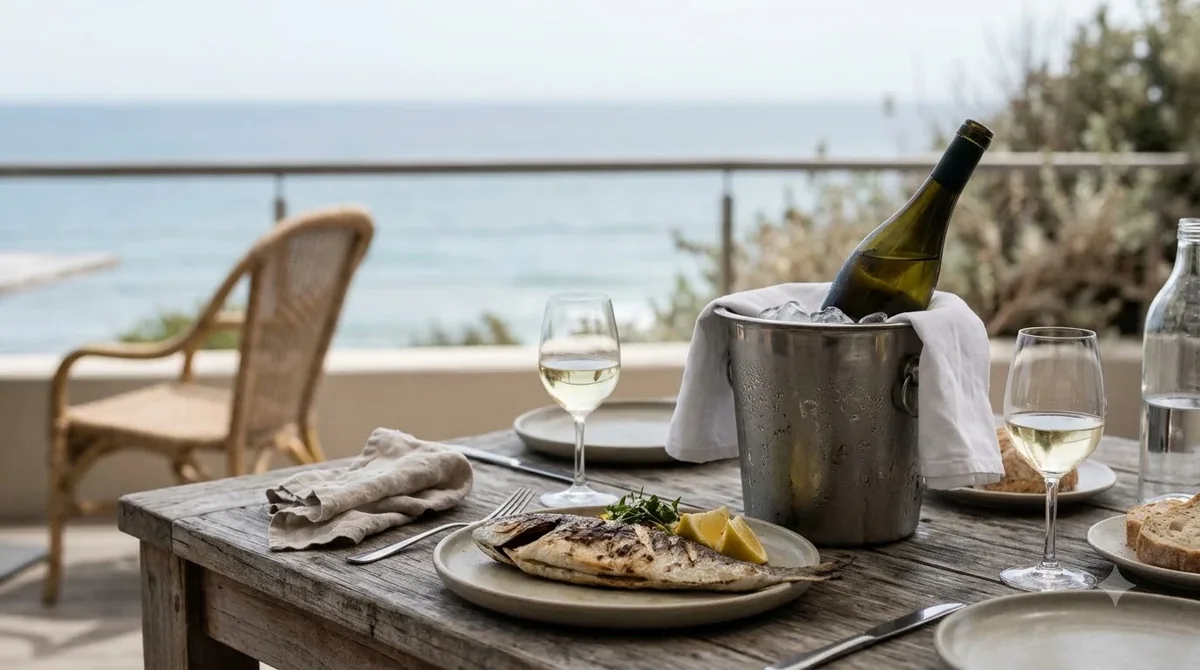
The regional consortium recommends serving its dry styles chilled and its sweet wines somewhat warmer, which supports the same practical approach: colder temperatures suit bright, simple whites, while a little extra warmth helps a richer wine show more aroma and texture. Avoid leaving the bottle in an ice bucket for an entire meal. Chill it in advance, pour a small glass, and let the wine warm slightly if the aromas seem muted.
Dry Orvieto works well as an aperitif and with fried foods, fish, seafood, and white meats. Its refreshing acidity can cut through the crisp coating on fried vegetables or seafood, while its moderate body can sit comfortably beside roast chicken, grilled white fish, or a plate of shellfish. The consortium also names fried dishes, white meat, and fish among its suggested pairings.
Keep the seasoning in mind. A dish with a strong lemon or vinegar component needs a wine with comparable or higher acidity, otherwise the wine can taste flat beside the food. Moderate richness can make a crisp white feel less sharp, while very hot chili can make alcohol seem more prominent. Sweet Orvieto, meanwhile, should be at least as sweet as the dessert and suits fruit tarts, almond pastries, or dried-fruit dishes. Muffa Nobile can also work with salty, intense foods such as pâté or blue cheese, pairings suggested by the regional consortium. After opening, recork the bottle and keep it refrigerated; most still wines remain in good condition for about 3 to 5 days.
Tip: If you are choosing one bottle for a mixed meal, start with a dry Orvieto DOC at 45 to 50 degrees Fahrenheit. It can move from an aperitif to fried appetizers, fish, or roast poultry more easily than a sweet late-harvest wine.
Frequently Asked Questions
These answers clarify the separate red designation, a few notable producers, and label or aging details that can help with a final bottle choice.
Is Orvieto always a white wine?
Orvieto DOC is the appellation for white wine, but the regional consortium also identifies a separate red designation called Orvietano Rosso or Rosso Orvietano. Its principal grapes must make up at least 70 percent of the blend and can include Sangiovese, Montepulciano, Merlot, Ciliegiolo, Cabernet Sauvignon, and other listed red varieties. It is therefore important not to confuse Orvieto DOC with the separate red-wine name.
Which producers are associated with Orvieto?
Wine Enthusiast names Barberani, Decugnano dei Barbi, and Marchesi Antinori’s Castello della Sala among producers to look for. These names offer useful starting points for comparing different expressions of the appellation, rather than representing a single house style. Their wines can differ in grape proportions, vineyard sites, and winemaking choices.
Can Orvieto Classico Superiore age?
Some examples can develop for years. Decanter describes Palazzone’s flagship Orvieto Classico Superiore as spending 18 months in bottle and having an aging potential of 10 years; the article also recounts a 1995 bottle that retained freshness and structure. That example demonstrates the potential of a particular wine, not a universal aging rule for every Orvieto.
What is the minimum alcohol strength stated for Orvieto PDO?
The EU product specification lists a minimum total alcoholic strength of 11.50 percent by volume for the PDO wine description. That is a regulatory figure for the category and should not be treated as the exact alcohol level of every bottle. Individual wines can be labeled at a higher strength.
Can an Orvieto label also say Umbria?
Yes. EU labeling provisions allow the larger geographic name Umbria to appear on the presentation of Orvieto PDO wines. The wording must follow Orvieto and sit below the traditional DOC term or the protected-designation wording, with the regional name no more prominent than the appellation.
The Orvieto wine region rewards attention to both place and style: Grechetto and Procanico provide the core, but varied soils and sweetness choices create a wider range than one simple tasting note can capture. For a first bottle, begin with a dry Orvieto DOC or Classico, then explore Superiore and the sweet specialties once you know which expression you enjoy.
More in Wine Regions
 Willcox Wine Trail: Discover Arizona’s High-Elevation Wine CountryUpdated Nov 20, 2026
 Yakima Valley Wine Region: Find the Best Styles to TryUpdated Nov 20, 2026
 Vosne Romanee Wine Tasting: Identify Aromas and Choose Better PairingsUpdated Nov 20, 2026
 Yakima Valley Wine Festival: Find the Best Seasonal Wine EventsUpdated Nov 20, 2026
 Wales Vineyards: Discover Cool-Climate Wines and Where to VisitUpdated Nov 20, 2026
 Yountville Wine Festival: Discover Napa Wines and Local FoodUpdated Nov 20, 2026