

We may earn a commission when you buy through links on this page, at no extra cost to you. Learn more.
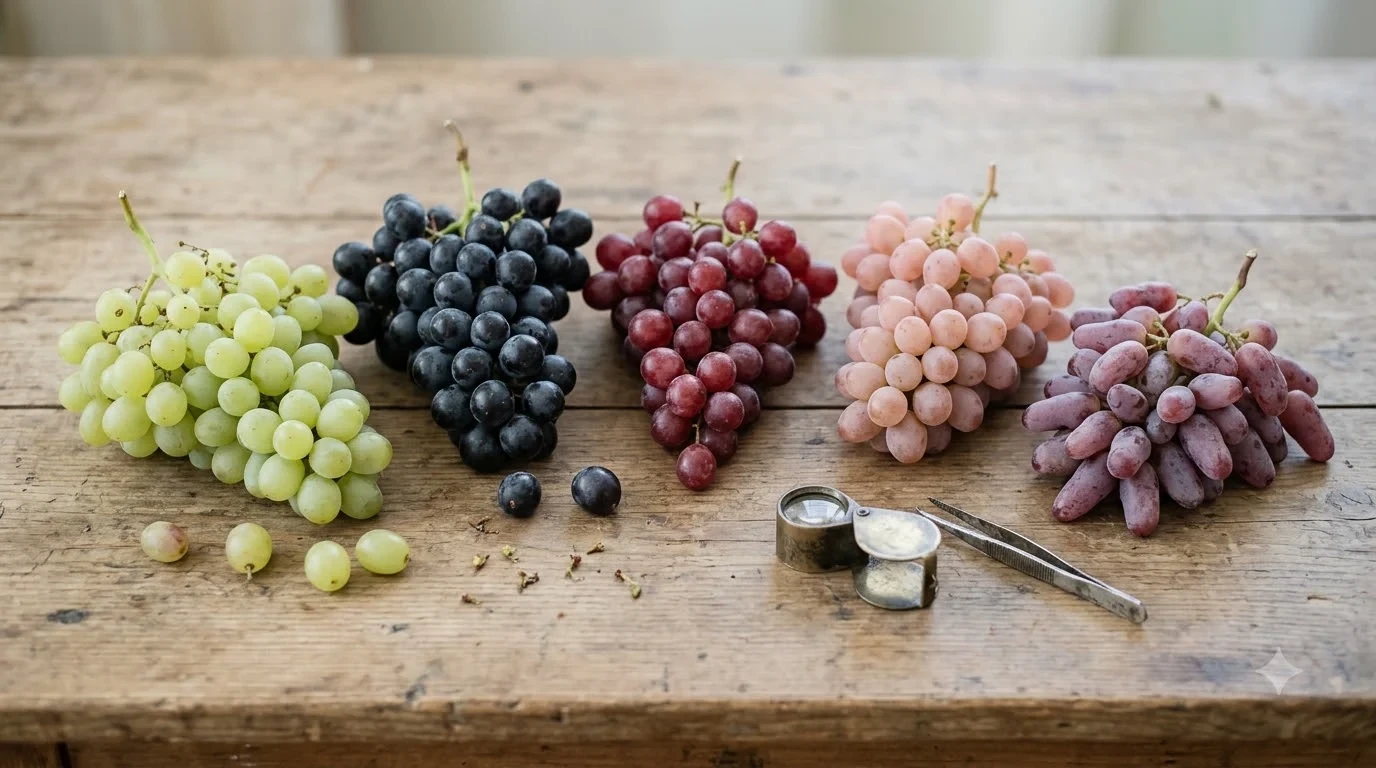
Orvieto wine grapes are primarily Grechetto and Trebbiano Toscano, locally called Procanico, which together must account for at least 60% of the grape composition under the Orvieto DOC rules. These two white varieties create wines known for delicate fruit, refreshing acidity, and a characteristic slightly bitter finish. Depending on the producer, additional permitted white grapes can contribute up to 40% of the composition, while traditional winemaking methods produce everything from crisp dry whites to richly sweet wines made with noble rot.
Orvieto is one of central Italy’s distinctive white wine appellations, with vineyards spread across parts of Umbria and neighboring Lazio. Its wines reflect a combination of local grape varieties, varied hillside conditions, and a long tradition of both dry and sweet white wine production. Understanding the grapes makes it easier to recognize the differences between bottles, select the right style, and find food pairings that suit their character.
Grechetto and Procanico: The Two Essential Orvieto Grapes
Grechetto and Procanico provide the foundation of traditional Orvieto DOC wines. Their complementary characteristics help producers create whites with fruit, structure, freshness, and a distinctive regional identity.
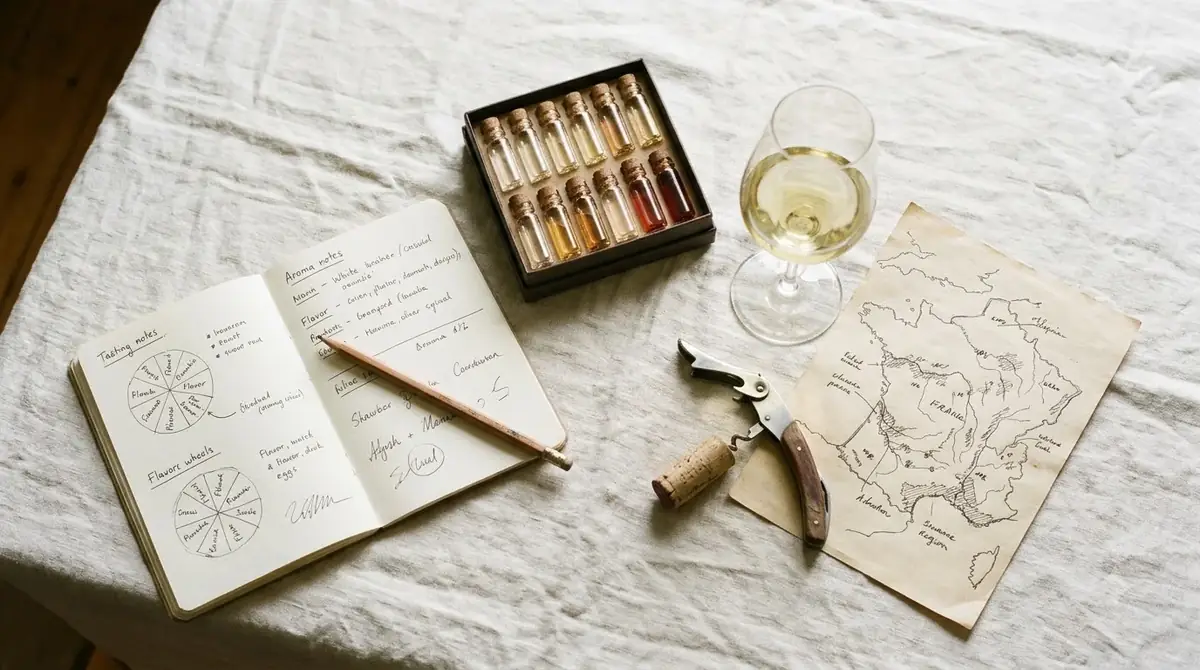
Grechetto is an important indigenous Italian white grape associated particularly with Umbria. It contributes body, texture, and a broader palate to Orvieto blends. Depending on growing conditions and winemaking choices, its flavors can suggest ripe pear, apple, citrus, and subtle herbal or nutty notes. Its relatively substantial structure helps prevent Orvieto from becoming overly light or neutral.
Grechetto is particularly useful when a winemaker wants a white wine with more presence at the table. Its texture can complement seafood dishes with richer sauces, roasted poultry, and preparations involving olive oil. In a blend, it can provide the mid-palate weight that balances the fresher character of the other principal grape.
Procanico is the local name for Trebbiano Toscano in the Orvieto production context. Trebbiano Toscano is a widely planted Italian white grape, but its local expression has an important place in the area’s wine identity. Procanico generally contributes freshness, delicate fruit, and acidity that can help make the finished wine lively and approachable.
Typical Procanico characteristics include green apple, lemon, pear, and subtle floral impressions. It can give a blend a clean, refreshing character, particularly when grapes are harvested at an appropriate level of ripeness. In warm or relatively ripe expressions, the fruit can become rounder and less sharply citrus-driven.
The two varieties are complementary rather than interchangeable. Grechetto generally supplies more weight and structure, while Procanico contributes freshness and a lighter fruit profile. Their combination explains why traditional Orvieto can be both refreshing and sufficiently substantial to accompany a meal.
One important distinction is that Orvieto is a regional appellation rather than a single-variety wine. A bottle labeled Orvieto does not necessarily contain equal quantities of the two principal grapes. Producers have flexibility within the appellation’s rules, allowing the blend to reflect vineyard conditions and the style they want to achieve.
Orvieto DOC Blending Rules and Permitted Grapes
The Orvieto DOC production specification establishes a minimum combined proportion of 60% for Grechetto and Trebbiano Toscano (Procanico). Other eligible white grapes can make up the remaining 40%, giving producers room to shape different expressions without losing the denomination’s essential identity.
The key point is that the 60% requirement applies to the two principal varieties together. It does not require each grape to represent 30%, nor does it establish a fixed 50-50 blend. A producer can use different proportions of Grechetto and Procanico as long as the combined minimum is respected.
The remaining permitted proportion can include other white grapes suitable for cultivation in Umbria and the province of Viterbo, subject to the denomination’s regulations. These varieties must meet the applicable eligibility requirements. This flexibility allows individual wineries to develop distinctive blends while maintaining the recognizable character of Orvieto DOC.
The official Orvieto protected designation of origin specification sets out the grape composition requirements and the geographic rules governing the denomination.
The following table summarizes the essential blending requirements and illustrates how different combinations can satisfy the principal-grape rule.
| Component | Permitted proportion | Role in the blend |
|---|---|---|
| Grechetto | Included in the combined minimum of 60% | Body, texture and structure |
| Procanico (Trebbiano Toscano) | Included in the combined minimum of 60% | Freshness and delicate fruit |
| Grechetto and Procanico together | At least 60% | Core Orvieto identity |
| Other eligible white grapes | Up to 40% | Additional blending flexibility |
| Total grape composition | 100% | Complete DOC blend |
For example, a wine made with 40% Grechetto, 30% Procanico, and 30% other eligible white varieties satisfies the combined minimum because its two principal grapes account for 70%. A blend containing 50% Grechetto and 50% Procanico also qualifies, as both principal varieties together represent the entire composition.
These examples are illustrations of the rules rather than prescribed recipes. Actual blends depend on vineyard plantings, harvest conditions, and the winemaker’s preferences. Some producers emphasize the texture of Grechetto, while others favor a greater contribution from Procanico for a lighter, fresher result.
It is also important to distinguish vineyard composition from the exact proportions in an individual bottle. The production specification describes the grape composition requirements within the denomination, while individual producers may communicate additional details about their particular wines. A winery’s technical information can therefore be useful when comparing two bottles carrying the same DOC designation.
Tip: When comparing Orvieto bottles, look for the grape proportions in the producer’s technical information. A higher Grechetto contribution can indicate a fuller-textured style, while a greater Procanico contribution may point toward a lighter, fresher expression. These are useful tendencies rather than guarantees of flavor.
Where Orvieto Grapes Grow: Umbria, Lazio and the Classico Area
Orvieto grapes come from a defined area covering 18 municipalities across Umbria and Lazio. The denomination’s historic center is associated with Orvieto itself, while the wider production area includes neighboring countryside with different elevations, soils, and vineyard exposures.
Thirteen of the municipalities are in the province of Terni in Umbria: Orvieto, Allerona, Alviano, Baschi, Castel Giorgio, Castel Viscardo, Ficulle, Guardea, Montecchio, Fabro, Montegabbione, Monteleone d’Orvieto, and Porano. The remaining five are in the province of Viterbo in Lazio: Castiglione in Teverina, Civitella d’Agliano, Graffignano, Lubriano, and Bagnoregio.
This geographic distribution matters because the appellation is not confined to vineyards immediately surrounding the historic town. Different locations can produce grapes with distinct ripening patterns and fruit characteristics. A producer working in the southern part of the denomination may encounter different growing conditions from one based closer to Orvieto.
The Orvieto Classico designation identifies wines made from grapes grown in the older, historically defined production area. This area is associated with the Rupe, the distinctive tuff rock formation on which the town of Orvieto stands. The name Classico therefore refers to a specific geographic distinction rather than a general indication of quality or a particular grape blend.
The area’s volcanic history is an important part of its vineyard character. Tuff and other volcanic materials are associated with the landscape, while river-related deposits contribute to soil variation in some locations. These conditions can influence drainage, water availability, vine growth, and the pace of grape ripening.
Individual vineyard examples illustrate how different the denomination can be. Sergio Mottura, whose vineyards are in Civitella d’Agliano in Lazio, describes its local soil as predominantly volcanic with alluvial material associated with the Tiber River. Its reported soil composition is 40% clay, 40% sand, and 20% silt.
These figures describe a specific producer’s vineyard site, not every vineyard in Orvieto. They are nevertheless useful for understanding why wines from the same appellation can have different textures and aromatic profiles.
For readers interested in the landscape behind the wines, exploring Orvieto vineyards provides another way to understand the relationship between local grape varieties, vineyard locations, and the finished wine.
How Orvieto Grapes Influence Flavor and Wine Structure
The combination of Grechetto and Procanico generally produces a white wine with delicate fruit, moderate acidity, and a clean finish that can include a subtle bitter note. The balance between these characteristics changes according to grape proportions, ripeness, growing conditions, and winemaking techniques.
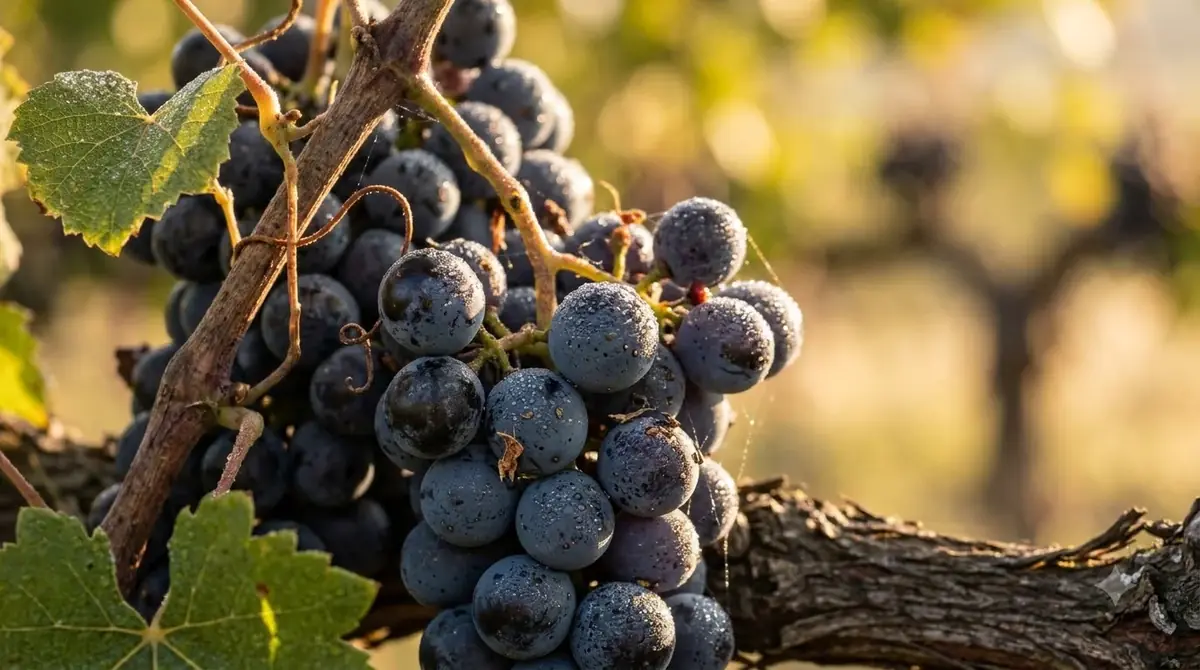
In dry Orvieto, the aroma commonly includes citrus, green apple, pear, and gentle floral notes. Some bottles show herbal impressions or a more rounded stone-fruit character. These flavors are not fixed requirements of the denomination, but they provide a useful starting point for understanding its typical profile.
The palate is generally more about balance than intense aromatic power. Procanico can contribute a refreshing impression, while Grechetto gives the wine greater weight. This combination makes Orvieto a versatile white wine that can work as an aperitif and remain interesting alongside several courses.
A slight bitter note at the end is another recognizable characteristic of traditional dry Orvieto. It should not automatically be interpreted as a defect. The regional consortium specifically describes the dry style as fruity with a tendency toward a slightly bitter aftertaste.
Texture also depends on the winemaking process. Stainless-steel fermentation is commonly used to preserve fresh fruit characteristics, while aging on fine lees can contribute additional texture and a softer impression on the palate. Some producers choose different fermentation or maturation approaches to create wines with greater complexity.
For a practical example, Sergio Mottura documents a blend consisting of 50% Procanico and 50% Grechetto. Its production information describes soft pressing, fermentation in stainless steel, and six months of aging in steel with contact with fine lees. This provides a useful illustration of how the two principal grapes can be combined in a relatively direct, fruit-focused wine.
Harvest timing also affects the final character. In the same producer’s vineyard, Grechetto is harvested during the first half of September, while Procanico is harvested during the first half of October. This difference reflects the producer’s specific vineyard and harvest decisions rather than a mandatory schedule for every winery.
Earlier picking can help preserve freshness, while later harvesting can produce riper fruit with a broader flavor profile. The ideal timing depends on the grape’s condition, weather, vineyard location, and the desired wine style.
When comparing bottles, consider three characteristics:
- Fruit profile: Look for citrus, green apple, pear, and gentle floral aromas in many dry examples.
- Texture: Notice whether the wine feels light and crisp or broader and more substantial.
- Finish: Pay attention to the characteristic slight bitterness that can distinguish traditional dry Orvieto from some other Italian white wines.
These characteristics are useful when exploring Wine Regions and comparing Orvieto with other central Italian whites. The same broad grape family can produce noticeably different results when grown in different places or handled using different cellar techniques.
Dry, Superiore and Sweet Orvieto Wine Styles
Orvieto is not exclusively a dry white wine. The denomination includes several traditional sweetness categories, as well as special styles such as Superiore, Vendemmia Tardiva, and Muffa Nobile, each offering a different expression of its principal grapes.
Orvieto Secco is the dry style and generally the most familiar expression. It typically emphasizes citrus, apple, pear, and delicate floral notes, with a refreshing palate and slightly bitter finish. It is particularly suitable as an aperitif and alongside everyday dishes involving seafood, poultry, vegetables, or fried foods.
Abboccato describes an off-dry style with a modest impression of sweetness. It can be a good choice for people who prefer a softer palate without the pronounced sweetness of a dessert wine. Its fruit can feel rounder than that of a dry example, and it can work well with dishes that have a gentle sweet or savory element.
Amabile refers to a medium-sweet expression, while Dolce indicates a sweet style. These wines provide a different experience from dry Orvieto, with more obvious sweetness and fruit concentration. The consortium describes the sweet versions as having a candied-fruit finish.
Orvieto Superiore is a distinct designation within the DOC. Its production rules include a lower maximum vineyard yield than standard Orvieto, helping establish a different production category. The EU specification sets the maximum yield at 8,000 kilograms per hectare for Superiore, compared with 11,000 kilograms per hectare for standard Orvieto.
Superiore can be dry or made in other permitted sweetness styles. Its identity is therefore not defined by sweetness alone. Instead, the designation reflects specific production requirements and a more demanding category within the appellation.
Vendemmia Tardiva means late harvest. The style uses grapes left to ripen longer before picking, allowing greater concentration of sugars and flavors. The production specification establishes October 1 as the earliest harvest date for this category.
Muffa Nobile is the denomination’s noble-rot style. It is produced using grapes affected by Botrytis cinerea, a fungus that can concentrate the fruit’s sugars and flavors under suitable conditions. This process can produce complex sweet wines with concentrated fruit, honeyed impressions, and a more developed aromatic profile.
The EU specification describes Muffa Nobile as developing a golden-yellow color that can move toward amber with age. Its special production requirements also include a lower maximum yield of 5,000 kilograms per hectare, compared with the 7,000-kilogram limit for Vendemmia Tardiva.
These different styles show why the same two principal grapes can produce wines suited to different occasions. A crisp dry bottle can accompany lunch, while a concentrated Muffa Nobile can be served after dinner with a suitable dessert or selected cheese.
Food Pairings and Serving Orvieto Wine
Dry Orvieto is particularly versatile with seafood, fried foods, white meat, and lighter vegetable dishes. Its fruit, acidity, and moderate structure make it a natural partner for foods that benefit from freshness without requiring the intensity of a powerful white wine.
Seafood is one of the most straightforward pairings. Try dry Orvieto with grilled white fish, shrimp, scallops, or a simple seafood pasta. The wine’s freshness can complement delicate seafood flavors, while its texture gives it enough presence for preparations with olive oil or mild sauces.
Fried foods are another traditional match. The wine’s acidity and refreshing character can balance the richness of fried vegetables, calamari, and lightly battered fish. A dry example is especially useful when the food has a crisp coating and a squeeze of lemon.
White meats also work well. Roasted chicken, turkey, and pork tenderloin can complement the broader texture of Grechetto-based blends. Dishes prepared with herbs, lemon, olive oil, or mild cream sauces are particularly suitable because they do not overpower the wine’s delicate fruit.
Vegetable dishes can be equally successful. Consider grilled zucchini, asparagus, artichokes, and vegetable risotto. The combination of freshness and moderate body makes Orvieto flexible enough for both simple preparations and more substantial vegetarian meals.
Sweet Orvieto requires a different pairing approach. A dessert should generally be no sweeter than the wine, because a much sweeter dish can make the wine taste thin or overly acidic. Muffa Nobile and other sweet styles can complement fruit desserts, pastries, and suitable blue cheeses.
For a simple serving guide, use the following temperature ranges as practical starting points:
- Dry Orvieto: Serve chilled at approximately 45–50°F.
- Fuller-textured white versions: Try approximately 50–55°F if additional texture and aromatic detail are desirable.
- Sweet Orvieto: Serve around 43–50°F, adjusting according to concentration and sweetness.
Serving a white wine too cold can make its aromas difficult to appreciate. Letting it warm slightly in the glass can reveal more of its fruit and texture.
A standard 750 ml bottle provides approximately five glasses when poured at 5 ounces each. This is a practical serving size for a dinner with several courses, allowing guests to enjoy the wine without overwhelming the food.
For a broader comparison of how skin contact changes the character of white grapes, see this guide to orange wine grapes. Orvieto is generally made as a conventional white wine, but the comparison helps explain why grape variety alone does not determine a wine’s final color, texture, or flavor.
Frequently Asked Questions
Are Grechetto and Procanico indigenous Italian grapes?
Grechetto is an Italian white grape strongly associated with central Italy, particularly Umbria. Procanico is the regional name used for Trebbiano Toscano in Orvieto, connecting the local wine tradition with a grape cultivated in several Italian regions. Their importance in Orvieto comes from their established place in the area’s production rules and vineyard culture.
Can Orvieto wine contain Chardonnay?
The Orvieto DOC specification permits other eligible white varieties suitable for cultivation in Umbria and the province of Viterbo, subject to the applicable national registration and production rules. The two principal grapes must still satisfy their combined 60% minimum. Whether a particular international variety is permitted should be determined from the current official grape eligibility requirements rather than assumed from its popularity elsewhere.
Does Orvieto Classico always mean a more expensive wine?
No. Classico identifies the historic production area, not a guaranteed price level or a universal quality ranking. Differences in vineyard location, producer choices, grape condition, and cellar practices can be more important when comparing individual bottles. A Classico designation is useful geographic information, but it does not replace an assessment of the producer and wine style.
Can Orvieto grapes be used to make sparkling wine?
The traditional Orvieto DOC identity is centered on still white wines and its recognized sweetness categories. A sparkling wine made with grapes from the wider area may fall under a different production designation or classification depending on its origin and production method. The presence of Grechetto or Procanico alone does not automatically make a sparkling wine an Orvieto DOC wine.
How long can a bottle of Orvieto age?
Many straightforward dry Orvieto wines are intended to be enjoyed relatively young, while selected fuller or more concentrated examples may develop additional complexity. Sweet wines such as Muffa Nobile can have a different aging trajectory because their concentration and sweetness provide a different structure. Producer recommendations are useful because aging potential varies considerably between bottlings.
Orvieto’s identity begins with Grechetto and Procanico, two complementary grapes that give the denomination its distinctive combination of freshness, texture, and delicate fruit. Its varied geography and traditional dry and sweet styles make it a rewarding Italian white wine to explore. Understanding the grape composition and the meaning of designations such as Classico, Superiore, and Muffa Nobile makes choosing the right bottle considerably easier.
More in Wine Regions
 Willcox Wine Trail: Discover Arizona’s High-Elevation Wine CountryUpdated Nov 20, 2026
 Yakima Valley Wine Region: Find the Best Styles to TryUpdated Nov 20, 2026
 Vosne Romanee Wine Tasting: Identify Aromas and Choose Better PairingsUpdated Nov 20, 2026
 Yakima Valley Wine Festival: Find the Best Seasonal Wine EventsUpdated Nov 20, 2026
 Wales Vineyards: Discover Cool-Climate Wines and Where to VisitUpdated Nov 20, 2026
 Yountville Wine Festival: Discover Napa Wines and Local FoodUpdated Nov 20, 2026