

We may earn a commission when you buy through links on this page, at no extra cost to you. Learn more.
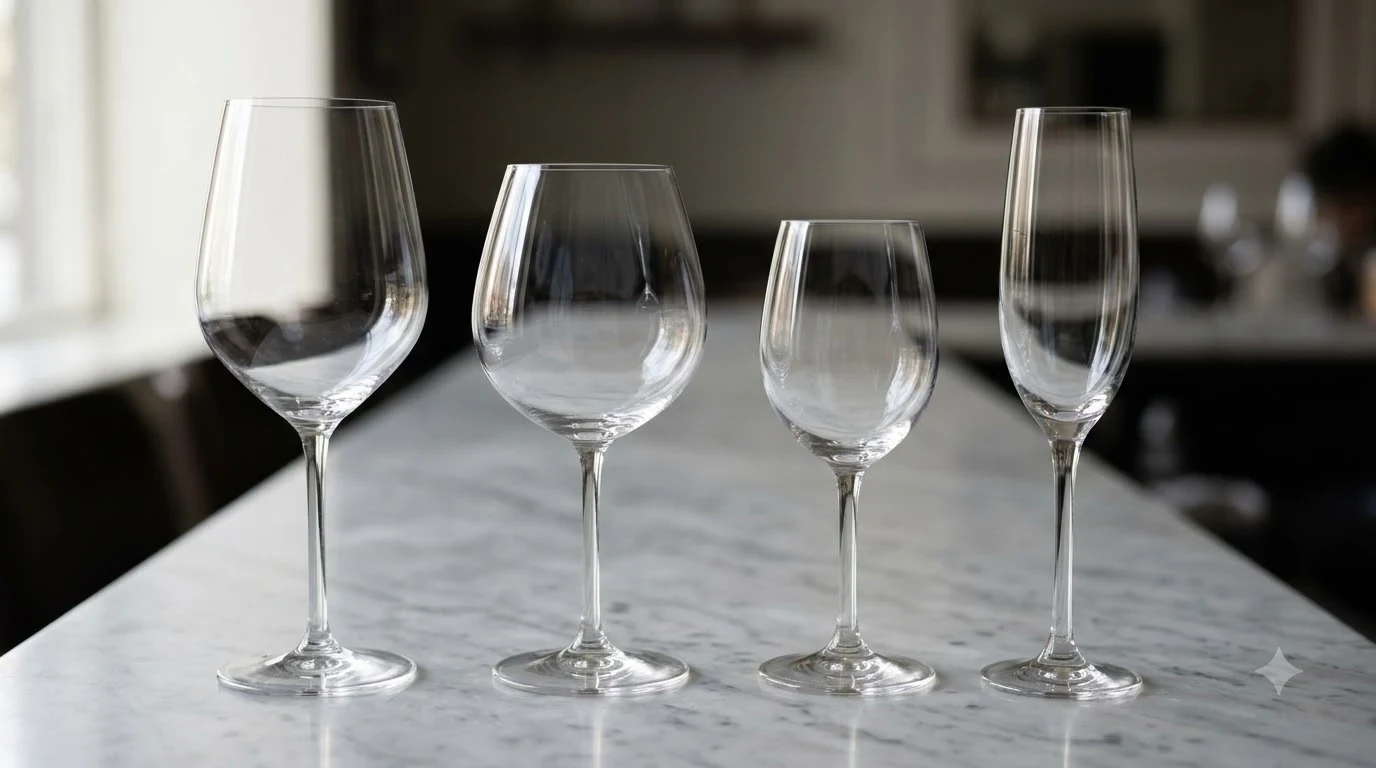
Orrefors crystal wine glasses are a strong choice for buyers who value Scandinavian design, clear crystal, and carefully differentiated bowl shapes. The range includes compact 31 cl glasses, a 60 cl Burgundy-style bowl, the gold-stemmed 20 cl Nobel glass, and handmade 45 cl and 76 cl options. The main advantages are the variety of designs and clear product specifications; the trade-offs are delicate handling and different cleaning rules across collections.
Orrefors is not one glass shape or one standard set. Its wine-glass catalog ranges from understated everyday pieces to larger bowls for particular wine styles and decorative designs for formal tables. This review looks at the differences that matter before buying: capacity, shape, material, construction, and cleaning instructions.
Specs and Key Features
Capacity is the most useful starting point because Orrefors offers compact, classic, and specialist wine glasses. The 31 cl More Bistro is a small rounded glass, the 60 cl More Pinot has an updated Burgundy shape, and the handmade Bordeaux and Riesling glasses are designed for specific wine styles.
| Glass | Capacity | Width × height | Material and care | Stated use or design |
|---|---|---|---|---|
| More Bistro | 31 cl | 79 × 172 mm | Crystal glass; dishwasher safe | Small rounded glass; Erika Lagerbielke |
| More Pinot | 60 cl | 106 × 207 mm | Crystal glass; dishwasher safe | Updated Burgundy-style bowl; Erika Lagerbielke |
| Nobel Wine | 20 cl | 66 × 181 mm | Crystal glass with gold; hand wash | Hand-painted gold stem; Gunnar Cyrén |
| Björn Frantzén Handmade Edition Bordeaux | 76 cl | 107 × 235 mm | Lead-free, mouth-blown crystal; hand wash | Full-bodied red wines; handmade |
| Björn Frantzén Handmade Edition Riesling | 45 cl | 87 × 235 mm | Lead-free, mouth-blown crystal; hand wash | Aromatic, high-acid white wines; handmade |
The More Bistro is the compact everyday option. Orrefors describes its 31 cl bowl as small and rounded, with a shape intended to provide a generous wine experience in a smaller glass. At 79 mm wide and 172 mm high, it takes up less room than the larger models. Designed by Erika Lagerbielke, it is listed as dishwasher safe, making it a sensible choice for lunch, casual dinners, and households that prefer a moderate pour. The 60 cl More Pinot is the roomier alternative: its 106 mm width and 207 mm height create a broad Burgundy-style bowl. Orrefors says it works with soft, fruity wines, highlights spiciness, and suits natural wines; it is also dishwasher safe. The Orrefors More Pinot product information provides its exact dimensions and care classification.
The Nobel Wine glass is more decorative. Gunnar Cyrén designed the 20 cl glass in 1991 for the 90th anniversary of the Nobel Prize. Its 66 mm width and 181 mm height make it much smaller than the More Pinot, while its hand-painted gold stem gives it a formal look. Orrefors says the bowl is suitable for red wine, but its small capacity and hand-wash requirement make it a special-occasion piece rather than a large everyday red-wine glass. The handmade Björn Frantzén glasses are the specialist choices: the 76 cl Bordeaux is intended for fuller reds such as Cabernet Sauvignon and Syrah, while the 45 cl Riesling is designed for aromatic, high-acid whites such as Riesling and Sauvignon Blanc. Orrefors says the Bordeaux bowl helps aerate wine and soften tannins, while the Riesling glass emphasizes fruity and floral aromas. Both are mouth-blown lead-free crystal and require hand washing.
Material terms should be read model by model. Orrefors describes the More and Nobel glasses as crystal glass, while the two handmade Björn Frantzén examples are explicitly identified as lead-free crystal. Do not generalize that statement to every product in the catalog. Shoppers comparing crystal wine glasses should treat material, bowl shape, production method, and care requirements as separate buying questions.
What Owners Like
The available owner feedback on the More family points to restrained looks and manageable proportions, especially in the stemless version. The reviews are useful context, but they concern a specific stemless set rather than the stemmed 31 cl Bistro or 60 cl Pinot.
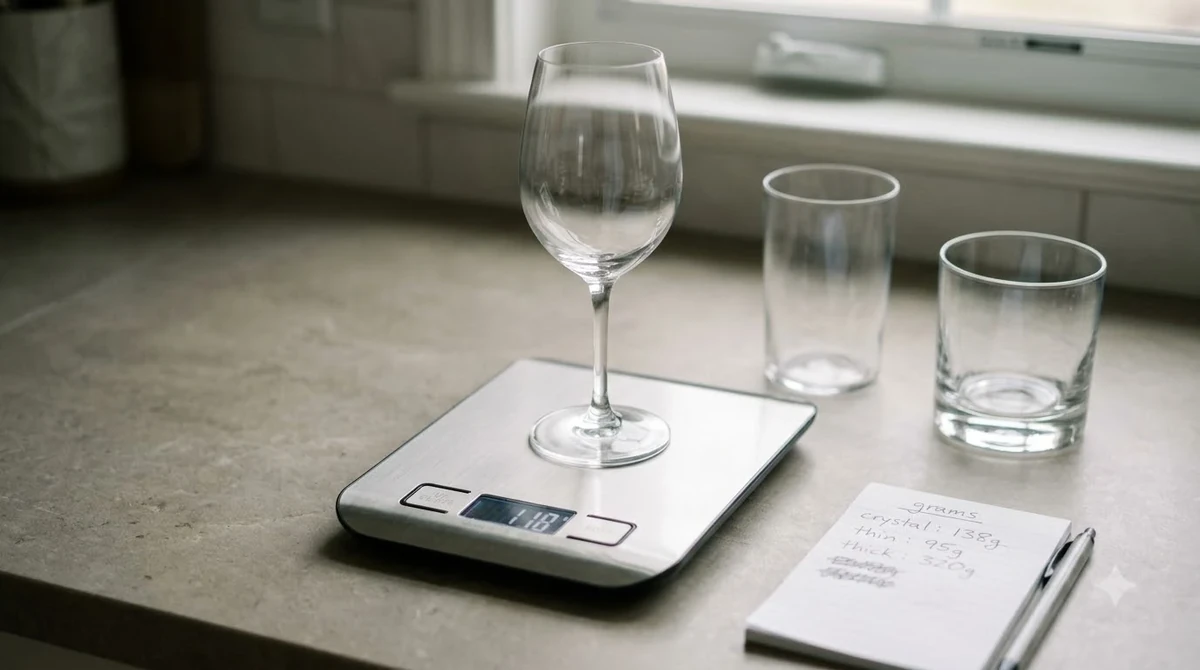
One Nordstrom purchaser described the More stemless glasses as smaller, classy-looking, and easy to hold, adding that they liked them enough to buy another set. That feedback suggests an appeal for people who prefer compact glassware and a simple appearance. The same retailer listing gives that stemless model a 13-ounce capacity and a hand-wash instruction, so it should not be confused with the dishwasher-safe stemmed More glasses.
The More design language is plain and visually quiet. That makes the glasses easier to pair with patterned plates, colored napkins, or more elaborate serving pieces without making the table feel crowded. The style can work for a casual kitchen meal as well as a formal dinner, which is useful for buyers who want one set for more than one occasion.
Orrefors describes More as a series shaped by input from professional restaurateurs and suitable for restaurant settings as well as family meals. The 31 cl Bistro and 60 cl Pinot show the range within that approach: one is moderate and rounded, while the other offers much more room in the bowl. Buyers can choose one size or combine them while keeping a consistent design character. A larger bowl is not automatically better; the best fit depends on preferred pours, cabinet space, and the wines most often served.
Common Complaints
Delicate glassware needs more attention than thick tumblers, and Orrefors does not give every model the same washing instructions. The More Bistro and More Pinot are listed as dishwasher safe, while the Nobel and handmade Björn Frantzén glasses require hand washing.
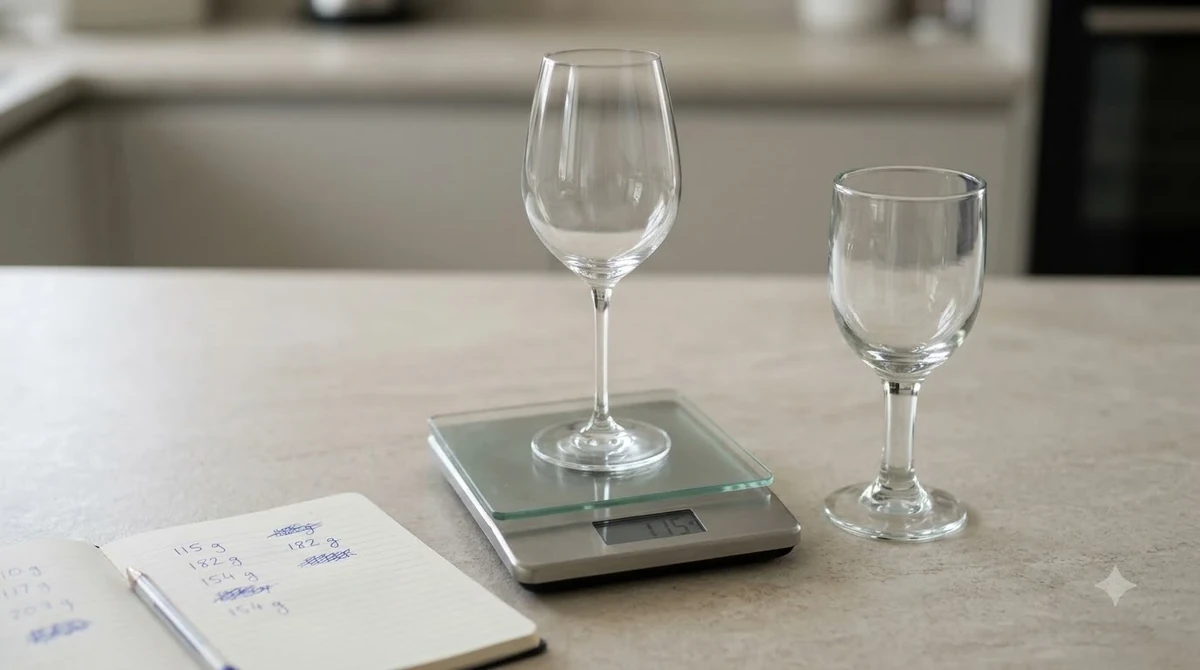
One Nordstrom reviewer said a More stemless glass broke after tipping over in a dishwasher and hitting a coffee mug. Another reviewer liked the smaller size and ease of holding. These are individual experiences, not proof of a general defect, and the breakage report concerns a stemless model rather than one of the stemmed glasses in the table. Still, it shows why dishwasher-safe and break-proof are not the same thing: a glass may be approved for a machine cycle yet still break if it collides with another item.
Orrefors divides its glassware into three care groups: dishwasher safe, machine wash with care, and hand wash only. The company says results depend on glass composition, surface condition, water quality, detergent, temperature, and cycle length. For approved glasses, it recommends a gentle or eco-friendly program at about 50°C and a short cycle. It advises against detergent doses above about 4 g/l, noting that roughly half that amount is usually enough.
Glasses should not touch one another in the dishwasher, and special wine-glass holders should be used where available. Orrefors also advises against stacking because glass-on-glass contact can scratch the surface. A shelf with enough room to lift each glass out individually is safer than a crowded row, particularly for the 60 cl More Pinot and the taller handmade models.
Tip: Sort glasses by their care instructions before washing. Keep the hand-wash-only Nobel and handmade pieces away from the dishwasher, and give dishwasher-safe More glasses enough space that they cannot strike mugs, plates, or one another.
Cloudiness may frustrate owners. Orrefors says a white or foggy appearance can result from limescale, excessive detergent, hard water, or surface damage. For limescale, it describes using vinegar in a dishwasher cycle without detergent or soaking glasses in hot water and vinegar. If marks remain, a professional glass polisher may be needed. Orrefors also advises against storing glasses upside down if moisture could be trapped inside, and warns against putting old glasses, especially lead crystal, in a dishwasher.
Who Should Buy and Who Should Skip
Orrefors suits buyers who care about design, want a choice of bowl sizes, and are prepared to follow the care instructions for each model. The 31 cl More Bistro is the practical everyday option, the 60 cl More Pinot is a roomier Burgundy-style glass, and the 76 cl handmade Bordeaux is aimed at fuller reds.
For a first purchase, the More Bistro is an easy model to justify. Its 31 cl capacity is manageable, its rounded shape is intended to give a generous wine experience in a small glass, and the manufacturer lists it as dishwasher safe. It can suit a household that mostly drinks wine with meals and does not need separate glassware for every grape. The 60 cl More Pinot is a better fit for people who like aromatic reds and want room to swirl. Its 106 mm width makes it substantially larger than the Bistro, and Orrefors associates the bowl with soft fruit, spice, and natural wines. The dishwasher-safe listing is convenient, but the broad bowl needs more cabinet space.
Collectors and hosts who want decorative stemware may prefer the Nobel Wine glass. Its gold-painted stem and link to the Nobel Prize anniversary give it a distinct identity, but the 20 cl capacity and hand-wash instruction limit its usefulness as an all-purpose red-wine glass. The handmade Björn Frantzén models suit buyers who already know what they want from a wine bowl: the 76 cl Bordeaux targets Cabernet Sauvignon and Syrah, while the 45 cl Riesling is designed for high-acid aromatic whites. Their mouth-blown lead-free crystal construction and hand-wash instructions make them more involved purchases.
Orrefors is less compelling for people who put low-maintenance use ahead of appearance. If glasses are handled roughly, taken outdoors, or loaded into a crowded dishwasher, thicker glass or break-resistant drinkware may be more sensible. Wine Enthusiast’s overview of stemware materials notes that thin crystal offers a refined rim and appearance, while handmade pieces need more care. Buyers specifically seeking a lead-free option can compare lead free crystal wine glasses, but should confirm that the individual Orrefors listing names the material as lead-free.
How It Compares to Alternatives
Orrefors stands out for its Scandinavian design identity and its mix of everyday and specialist glasses. Riedel is more closely associated with dedicated shapes for individual grapes and wine styles, while Gabriel-Glas is presented by wine professionals as a versatile design intended for a wide range of wines.
Decanter explains that Riedel advocates different glasses for grapes, wine styles, and even regions. That approach suits drinkers who enjoy matching the vessel closely to the wine, but it can lead to a larger and more specialized collection. Orrefors also offers differentiated bowls, including the More Pinot and handmade Bordeaux, but the More Bistro gives buyers a smaller option that is less tied to one red-wine style. Wine Enthusiast describes Gabriel-Glas StandArt as machine-blown from a single piece of crystal and quotes a wine director who values its shape and durability. Its article also explains that machine-blown glasses can be lighter than many machine-made options, while mouth-blown glass is shaped by hand and can vary from piece to piece.
Material is another point of comparison. Wine Enthusiast explains that crystal contains added minerals, often lead oxide in traditional formulations, while lead-free crystal can use alternatives such as barium, zinc, or potassium. Thin walls and fine rims are part of the appeal, but not every crystal glass has the same durability. Orrefors specifically labels the Björn Frantzén Handmade Edition Bordeaux and Riesling glasses as lead-free; the More and Nobel descriptions use the broader term crystal glass. For shape, Decanter recommends a rounded bowl that narrows toward the rim to help aerate wine and retain aromas. Its ISO tasting-glass reference has a stem about 5 cm tall and a bowl about 10 cm high and 6.5 cm wide at its broadest point.
For a broader comparison across styles, the best wine glasses category is a useful starting point. Choose Riedel when varietal specialization is the priority, consider Gabriel-Glas for a versatile single shape, and look at Orrefors when coordinated Scandinavian styling and a mix of everyday and decorative designs appeal most. The best fit depends on how the glasses will be used, not on a simple ranking of brand names.
Frequently Asked Questions
These questions cover details that affect ownership beyond the main specifications, including serving amounts, material terminology, and cleaning. The key differences to keep in mind are the 31 cl and 60 cl More glasses, and the 50°C dishwasher recommendation for eligible models.
Are tiny bubbles in handmade crystal always a defect?
No. Orrefors explains that tiny pinprick bubbles, sometimes called seeds, can form as gases are released while the raw ingredients melt together. The company says these small bubbles do not affect the quality or beauty of the glass.
How much wine should be poured into a 60 cl Orrefors glass?
A typical wine serving is about 5 oz, even when the bowl holds 60 cl. That leaves room for swirling and for aromas to gather above the wine. Capacity describes the glass’s full volume, not the amount that should be poured at one time.
Why can a wine glass smell after it has been washed?
Odors can linger in a cabinet, on a polishing cloth, or in detergent residue. Let glasses dry fully in a clean, ventilated place and avoid storing them beside strongly scented cleaning products. A clean glass should not add a noticeable smell to the wine.
Can a chipped Orrefors wine glass be repaired?
A glass repair specialist may be able to grind down a small chip, but the rim will change shape and the glass may become shorter. A repaired rim may feel different when drinking. A badly chipped glass should be retired from wine service rather than treated as undamaged.
What is the safest way to dry an Orrefors wine glass?
Use a clean, lint-free microfiber or linen cloth rather than a towel that may carry cooking grease or detergent. Hold the bowl and stem separately while drying to reduce twisting pressure at the joint. Avoid pulling or turning the stem while the bowl is held firmly.
Orrefors offers a clear choice between practical More stemware, decorative Nobel glassware, and specialist handmade bowls. The More Bistro is the sensible everyday starting point, while the More Pinot and Björn Frantzén pieces suit drinkers who want more capacity or a more specific wine shape. Compare the exact material and care instructions before buying, and choose the glass that fits the wines and routines already part of the household.
More in Wine Glasses
 Zwiesel Glas Champagne Flutes for Durable Everyday Sparkling WineUpdated Nov 20, 2026
 Vera Wang Crystal Wine Glasses: Design, Quality and Buying AdviceUpdated Nov 20, 2026
 West Elm White Wine Glasses: Compare Designs for Better Everyday Wine ServiceUpdated Nov 20, 2026
 Zalto Stemless Wine Glasses: Discover Their Distinctive DesignsUpdated Nov 20, 2026
 Viski Champagne Glasses That Match Your Style and Sparkling WineUpdated Nov 20, 2026
 Vista Alegre Decanter Review: Crystal Style and Wine ServiceUpdated Nov 20, 2026