


We may earn a commission when you buy through links on this page, at no extra cost to you. Learn more.
Orin Swift wine is a line of bold, creative California red blends made by Napa Valley winemaker Dave Phinney, who founded the label in 1998. The bottles are known for mixing varieties in unusual ways, with Abstract, Papillon and Machete among the best-known names. Since 2016 the brand has been part of the Gallo family of wineries, while Phinney remains the winemaker and public face of the label.
Orin Swift has built a following among American wine drinkers who want something more expressive than a standard varietal bottle. Shoppers searching for “Orin Swift wine” often want to know what the brand is known for, which wines are worth trying first and how the style compares with other California reds. This guide covers the history, the main wines, the way they are made, and how to serve them.
Who Founded Orin Swift and Why the Name Works
Orin Swift Cellars was founded by David Swift Phinney, who goes by Dave Phinney. According to the winery’s own timeline, his interest in wine began while he was studying in Florence, Italy, in the mid-1990s. He then moved to California, worked a harvest job at Robert Mondavi in Napa, and founded his own label in 1998 with about two tons of Zinfandel. The first wine did not succeed, but the second was a clear improvement, and the company’s story is built around that early learning curve.
The name combines two family names. “Orin” is his father’s middle name, and “Swift” is his mother’s maiden name. The brand has always leaned on that personal, slightly irreverent identity, and the labels are designed to stand out on a crowded shelf.
The Main Orin Swift Wines
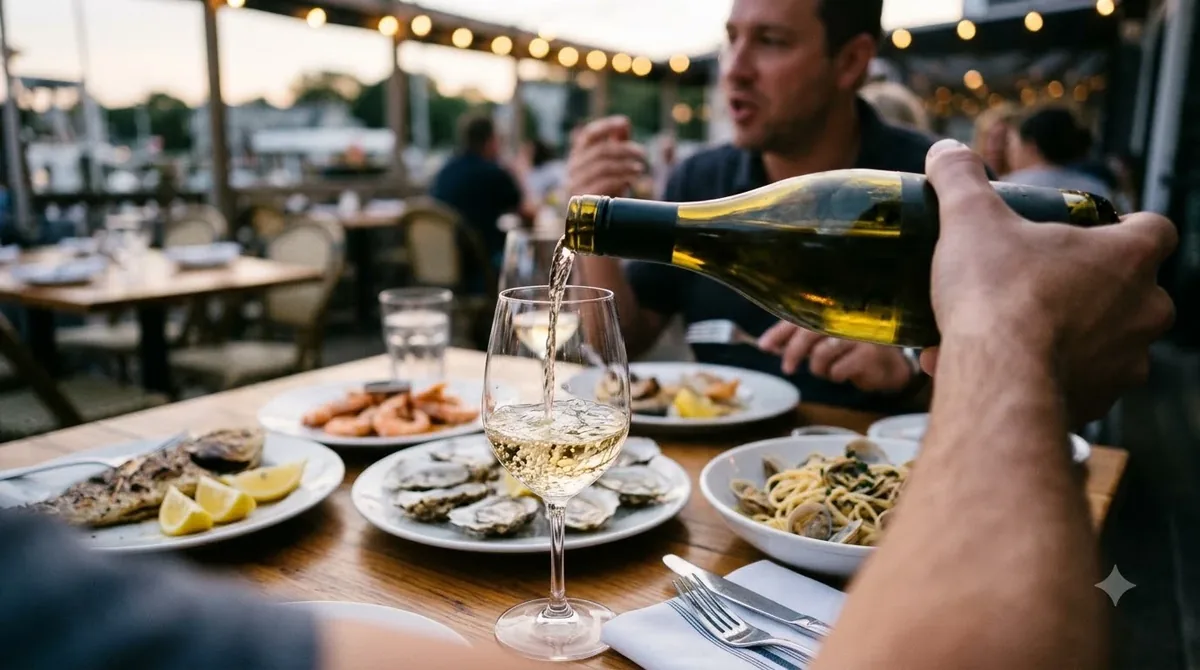
Orin Swift makes a wide range of red wines, but a few bottles define the brand. Abstract, released in 2010, is the flagship blend, built from Grenache, Petite Sirah and Syrah. It is a generous, fruit-driven red that works as an everyday wine for people who like bold flavors. Papillon, first released in 2007, is another well-known red. Machete, also released in 2010, is the brand’s more playful entry in the lineup.
The brand’s early success came from The Prisoner, a Zinfandel-based blend that Phinney created in 2000 by combining leftover good wine from his cellar. The Prisoner became a major hit, and Phinney sold the label in 2008. It is no longer part of the Orin Swift portfolio, which is worth knowing if you see older bottles or references to it online. For the brand’s own account of its history, the Orin Swift story page gives the timeline in Phinney’s words.
How the Wines Are Made
The winemaking approach is best described as blending for character rather than sticking to one grape and one vineyard. The brand’s own notes suggest that blending good wines can produce a standout, and that idea shows up across the range. The team works with fruit from several vineyards and uses blending trials to find the right balance before a wine is released.
Because the brand uses a mix of varieties, the flavor can change from one vintage to the next. A blend built on Grenache and Syrah will show more red fruit and spice, while a Petite Sirah component adds dark color, firm structure and a deeper finish. That flexibility is part of the appeal, but it also means a bottle from one year may taste a little different from another.
The company’s tasting room in St. Helena opened in 2014, and it now operates from a historic bank building on Main Street. Visitors can taste the current range in person, which is a useful way to learn the house style before buying a full case.
What Orin Swift Wine Tastes Like
Most Orin Swift reds are full-bodied, rich and generous, with ripe fruit and noticeable structure. They are not delicate wines. Grenache adds red berry and a soft texture, Syrah brings darker fruit and savory notes, and Petite Sirah contributes depth and grip. The result is a red that feels big on the palate but still has enough freshness to keep it balanced.
Compared with mass-market brands such as Barefoot wine, Orin Swift sits in a different category. Barefoot is built for easy, sweet-leaning drinking at a casual table. Orin Swift reds are drier and more structured, and they are meant for people who want to think about their wine a little more. The table below sums up the main differences.
| Feature | Typical Orin Swift red |
|---|---|
| Style | Dry, full-bodied red blend |
| Main fruit | Ripe red and dark fruit with spice |
| Texture | Rich, with noticeable structure |
| Best for | Dinners, grilled meat, and bold red fans |
| Aging | Most are made to drink young to mid-term |
How to Serve Orin Swift Wine
Serve the reds slightly below room temperature, around 60 to 65 degrees Fahrenheit, so the fruit stays bright and the alcohol does not dominate. A short time in the refrigerator before pouring is usually enough for a wine stored at room temperature. Because these blends are generous and full, a larger glass with room to swirl helps the aromas develop.
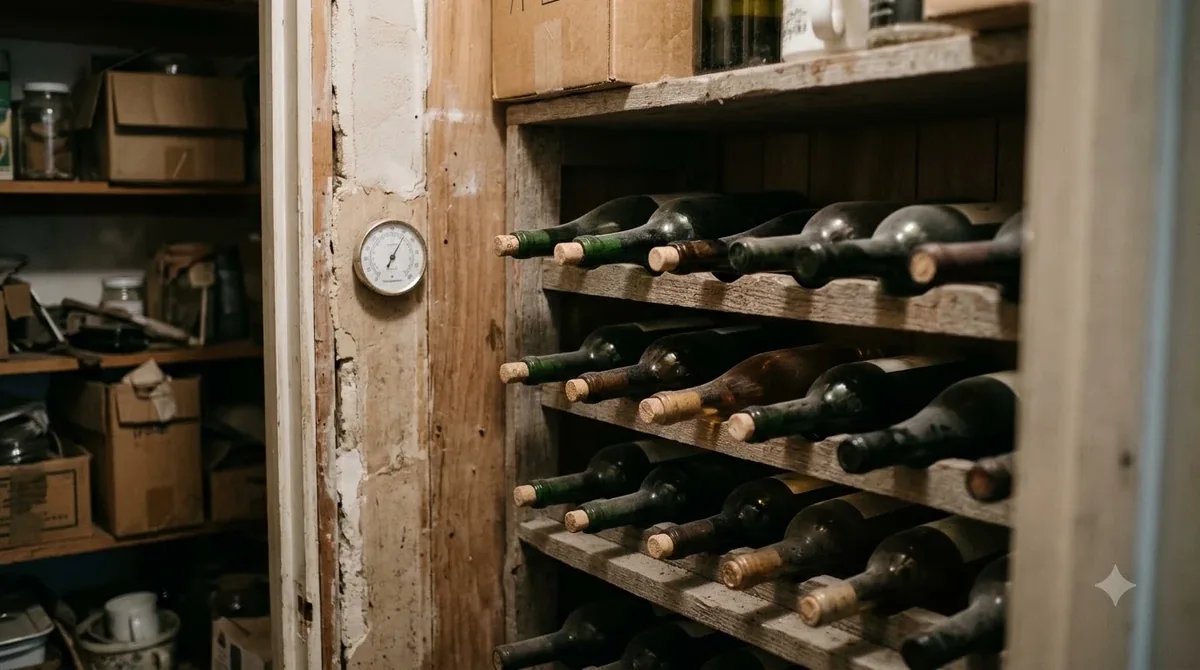
Decanting can help a younger bottle open up. Pouring the wine into a carafe about 30 minutes before serving softens the tannins and lets the spice and dark fruit come forward. Older vintages are less likely to need it, but a short decant rarely hurts a wine of this style.
Food Pairings for Orin Swift Reds
The big, structured character of these blends makes them good partners for rich food. Grilled steak, lamb chops and roast pork all match the wine’s body and grip. Barbecue, especially ribs with a smoky sauce, works because the spice in the wine complements the char on the meat.
For vegetarian meals, try mushroom dishes, roasted root vegetables or a hearty lentil stew. The savory notes in the wine pick up the earthiness of these foods, and the fruit keeps the pairing from feeling heavy. Aged cheeses such as aged cheddar or a firm Italian cheese also match the wine well, especially with the more structured bottlings.
How to Choose an Orin Swift Bottle
If you are new to the brand, start with Abstract. It is the flagship blend and gives a clear picture of the house style. Papillon and Machete offer a different angle on the same approach, so a small tasting of two or three bottles is a practical way to find your preferred style. Check the vintage on the back label, because the blend and fruit balance can change from year to year.
For a more relaxed bottle to share at a casual gathering, a bold blend like Abstract works well with a wide range of food. For a dinner where you want the wine to stand out, pick a richer bottling and plan the menu around it. Either way, it helps to know what you like before you buy a case.
Frequently Asked Questions
Who makes Orin Swift wine?
Orin Swift was founded by Dave Phinney in 1998 in St. Helena, Napa Valley. Phinney remains the winemaker, and the brand has been part of the Gallo family of wineries since 2016.
What is the most popular Orin Swift wine?
Abstract is the best-known flagship. It is a red blend of Grenache, Petite Sirah and Syrah, released in 2010, and it is a common starting point for people new to the brand.
Is Orin Swift wine dry or sweet?
Orin Swift reds are dry. They are full-bodied and fruit-forward, but they are built around structure and balance rather than sweetness.
Is The Prisoner still made by Orin Swift?
No. The Prisoner was created by Dave Phinney in 2000, and he sold the label in 2008. It is no longer part of the Orin Swift lineup.
Orin Swift wine rewards curiosity. If you enjoy bold California reds and want something more expressive than a standard varietal, the brand is a good place to start. For more context on how large and specialty producers approach their lineups, see the wine brands guide.
More in Wine Brands
 Underwood Wine Price: Compare Bottles, Cans, and Pack SizesUpdated Nov 21, 2026
 Zenato Wine Price: Compare Styles and Choose the Right BottleUpdated Nov 21, 2026
 Zuccardi Wine Price: Compare Bottles and Find the Right RangeUpdated Nov 21, 2026
 Yellow Tail Moscato Review: Taste, Sweetness and Serving TipsUpdated Nov 21, 2026
 Wolf Blass Yellow Label Review: Choose Your Best StyleUpdated Nov 21, 2026
 Wolffer Estate Rose Review: Choose the Right Bottle for Your TableUpdated Nov 21, 2026