


We may earn a commission when you buy through links on this page, at no extra cost to you. Learn more.
Orange wine tasting notes typically describe dried apricot, orange peel, bruised apple, herbs, nuts, and tea, supported by noticeable tannins and a textured, often dry finish. Made by fermenting white grapes with their skins, orange wine combines the aromatic character of white wine with some of the structure associated with red wine. Its flavor, color, acidity, and texture depend on the grape variety, length of skin contact, fermentation conditions, and aging method. Some examples are delicate and floral, while others are deeply amber-colored, savory, and firmly tannic.
Orange wine offers a different way to understand white grapes. Instead of removing the skins before fermentation, winemakers allow them to remain with the juice, extracting additional compounds that change the finished wine’s appearance and mouthfeel. Learning to recognize its fruit, spice, herbal, and earthy characteristics makes it easier to describe individual bottles, compare regional styles, and choose food pairings that bring out their best qualities.
What Orange Wine Tastes Like: The Main Flavor Profile
Orange wine generally tastes more concentrated, savory, and textured than conventional white wine made from the same grape. Common tasting descriptors include dried apricot, orange zest, ripe peach, bruised apple, chamomile, walnut, and black tea, although individual bottles can emphasize different combinations.

The first impression often comes from ripe orchard and stone fruit. Apricot, yellow peach, pear, and baked apple are familiar descriptors, particularly in wines made from aromatic varieties. Some bottles also show citrus peel rather than the fresh lemon or lime character associated with many crisp white wines. Orange zest, bitter orange, and dried mandarin can provide a distinctive aromatic impression.
As the wine opens, secondary aromas may become more noticeable. Chamomile, dried flowers, ginger, clove, tea leaves, beeswax, hazelnut, and fresh or dried herbs are common descriptive terms. More developed examples can show walnut, mushroom, dried fruit, and earthy notes. These characteristics reflect a combination of grape variety, skin extraction, fermentation, oxygen exposure, and maturation.
The palate is often more substantial than the nose initially suggests. A wine may begin with ripe pear or apricot before developing a gentle bitterness and drying sensation around the gums. This texture is one of the most recognizable differences between orange wine and a typical unoaked Sauvignon Blanc or Pinot Grigio.
Not every bottle displays all these characteristics. A short skin-contact Pinot Gris may remain light, fruity, and relatively delicate, whereas a longer-macerated Ribolla Gialla can show dried citrus, savory herbs, and a firmer tannic finish. The best tasting description identifies the dominant characteristics rather than attempting to include every possible aroma.
For a useful starting description, consider this example: an amber-colored, dry wine with aromas of dried apricot, orange peel, and chamomile, followed by a medium-bodied palate with fresh acidity, gentle tannins, and a slightly bitter finish. This communicates the wine’s main sensory characteristics without relying on vague terms such as unusual or funky.
Fruit, Floral, Herbal, and Savory Aromas
The aroma profile of orange wine can be divided into four useful groups: fruit, floral notes, herbs and spices, and savory or earthy characteristics. Identifying these categories separately makes tasting descriptions more precise and helps distinguish an aromatic, fruit-forward wine from a more mature, structured example.
Fruit aromas
Apricot is one of the most recognizable orange wine descriptors. It can appear as fresh, ripe, dried, or slightly preserved fruit. Peach, yellow plum, pear, quince, and bruised apple are also common. These aromas are particularly useful when describing wines made from Pinot Gris, Gewürztraminer, or Muscat.
Citrus character often appears in a different form from that found in conventional white wines. Rather than fresh lemon juice, a skin-contact wine may suggest orange peel, dried mandarin, grapefruit pith, or candied citrus. The peel-like quality can introduce a subtle bitterness that continues into the finish.
Floral and herbal notes
Chamomile, dried rose, honeysuckle, orange blossom, and wildflowers can contribute aromatic complexity. These notes are particularly noticeable in some Gewürztraminer and Muscat bottlings. Floral aromas may be fresh and delicate in shorter-macerated wines or more dried and concentrated in wines with extended skin contact.
Herbal descriptors include thyme, sage, rosemary, fennel, tea leaves, and dried meadow herbs. Ginger, white pepper, cinnamon, and clove may also appear. These characteristics help explain why many orange wines work with dishes containing herbs, roasted vegetables, and warming spices.
Savory and earthy characteristics
Walnut, almond skin, hazelnut, beeswax, mushroom, dried leaves, and black tea are useful descriptors for more savory examples. Some bottles develop a slightly oxidative character that resembles bruised apple or dried fruit. In carefully made wines, these qualities can add complexity without overwhelming the fruit.
It is important to distinguish a savory flavor from a wine fault. A mild nutty or earthy impression can be part of the intended style, while excessive vinegar-like aromas, unpleasantly musty smells, or harsh bitterness may indicate a problem. Cloudiness alone does not establish that a wine is defective.
A good tasting description should prioritize two or three dominant aromas, followed by any supporting characteristics. For instance, dried peach, orange peel, and chamomile provide a clearer picture than a long list of unrelated fruit, spice, and flower descriptors.
How Skin Contact Changes Color, Tannin, and Texture
Skin contact is the defining winemaking technique behind orange wine. According to the Australian Wine Research Institute, amber wine is made by fermenting white grapes with their skins and seeds, sometimes including stems, rather than separating the juice before fermentation.
In conventional white winemaking, harvested grapes are commonly pressed and the juice is fermented separately from the skins. Orange wine follows a different approach. The grape solids remain in contact with the fermenting juice, allowing additional pigments, tannins, and aromatic compounds to enter the wine.
The resulting color can range from pale gold to deep amber or copper. It depends on grape variety, skin characteristics, maceration length, oxygen exposure, and winemaking decisions. A darker color does not automatically indicate a better wine, greater sweetness, or stronger tannins. It is one visual clue among several.
Understanding tannin in white grapes
Tannin is often associated with red wines, but white grape skins and seeds also contain phenolic compounds that can create a drying sensation. During skin-contact fermentation, these compounds contribute structure and a tactile grip that conventional white wines generally have in smaller amounts.
On the palate, tannins may feel like a slight drying around the gums, tongue, and inside of the cheeks. Lightly extracted wines can have a gentle, tea-like finish. Longer macerations can create firmer tannins, sometimes approaching the texture of a light red wine. The amount of extraction and the condition of the grapes both influence the result.
Acidity and body
Acidity provides freshness and prevents the wine’s fruit and texture from feeling excessively heavy. Some orange wines have lively acidity, while others feel broader and softer. Body can range from light to full, depending on grape ripeness, alcohol, fermentation, and maturation.
The Australian Wine Research Institute notes that extended skin contact can produce noticeable tannin astringency and that phenolic under-ripeness may contribute bitterness. Excessive oxidation and unwanted microbial activity are additional winemaking risks. These distinctions explain why a balanced orange wine should have enough fruit, freshness, and structure to support its drying sensation.
When tasting, evaluate acidity and tannin separately. Acidity makes the mouth water, while tannin creates a drying sensation. A wine can have lively acidity and firm tannins simultaneously, which is part of what makes the style so useful with food.
Orange Wine Styles by Grape Variety and Region
Orange wine does not have one universal flavor profile because producers use different grapes and maceration methods. Georgia, northeastern Italy, Slovenia, and Sicily are important reference points, while producers in Australia, the United States, and other countries also make skin-contact whites.
Georgia: Rkatsiteli and traditional qvevri wines
Georgia is associated with a long history of amber wine production. Traditional winemaking uses clay vessels called qvevri, which can be buried underground. White grapes such as Rkatsiteli and Tsolikouri are fermented with their skins, creating wines with distinctive color, texture, and savory character.
Rkatsiteli-based wines can display dried apricot, orange peel, quince, nuts, herbs, and tea-like tannins. Depending on the producer’s methods and maturation, the style may be relatively approachable or considerably structured. These wines are particularly useful examples for understanding the difference between conventional white wine and extended skin-contact fermentation.
Friuli-Venezia Giulia: Ribolla Gialla and ramato
Friuli-Venezia Giulia in northeastern Italy is one of the most influential modern centers of orange winemaking. Ribolla Gialla is an important local grape, producing wines that can combine citrus peel, dried flowers, stone fruit, and firm tannins.
Skin-contact Pinot Grigio is also associated with this part of Italy. The term ramato refers to a copper-colored style of Pinot Grigio. These wines may offer dried peach, orange peel, herbal notes, and a fuller texture than pale, conventionally produced Pinot Grigio.
Slovenia: Rebula and regional skin-contact whites
Across the Italian border, the Slovenian Brda region shares a close winemaking tradition with neighboring Friuli. Rebula, the local name associated with Ribolla Gialla, is an important grape for skin-contact production. Its wines can show citrus, stone fruit, savory herbs, and mineral impressions supported by noticeable texture.
Other international styles
Orange wines made from Gewürztraminer can have expressive floral, ginger, lychee, and spice aromas. Pinot Gris often contributes pear, peach, and citrus peel, while Chardonnay may offer apple, nuts, and a broader palate. Sauvignon Blanc and Riesling can bring more pronounced acidity and aromatic freshness.
Sicilian producers use local white varieties as well as international grapes. In Australia, the Australian Wine Research Institute identifies Riesling, Chardonnay, Pinot Gris, Gewürztraminer, Semillon, Sauvignon Blanc, Muscat, and Viognier among varieties used for amber wine.
For comparison, explore Grenache tasting notes to understand the fruit and structural characteristics of a red grape, or read Petit Verdot tasting notes for an example of a considerably more tannic red wine. These comparisons make orange wine’s position between white and red styles easier to understand.
How to Taste Orange Wine and Describe Its Structure
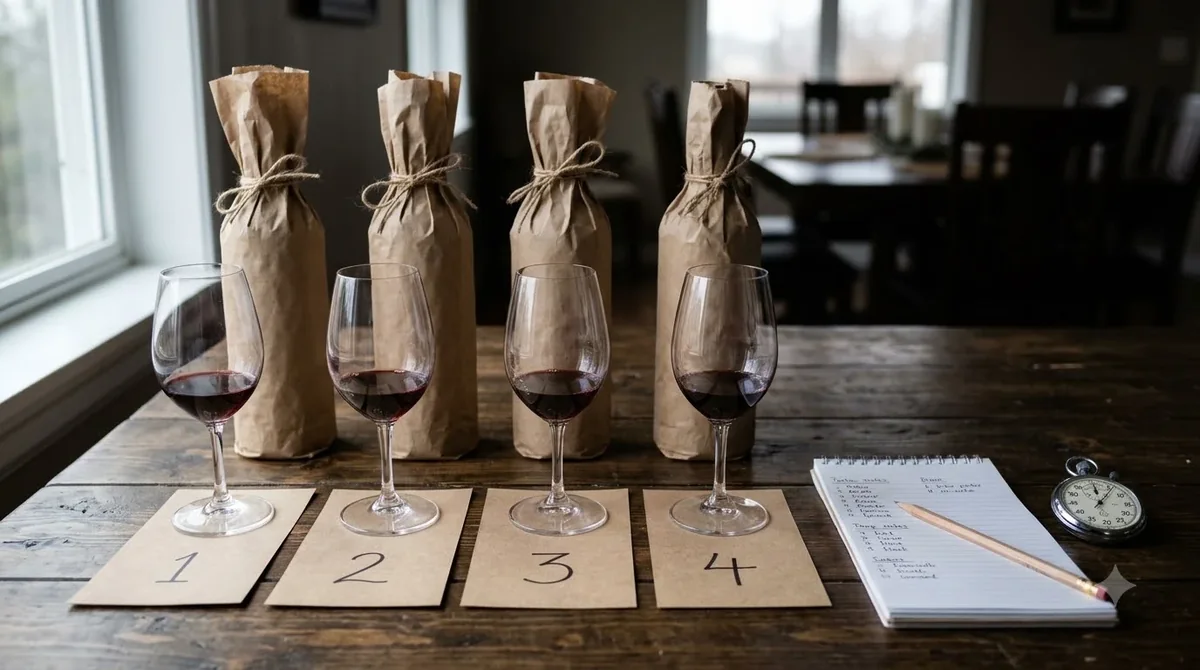
A structured tasting follows five steps: appearance, aroma, sweetness, acidity and tannin, and finish. Recording these elements separately produces more useful tasting notes than simply deciding whether the wine tastes fruity, earthy, or unusual.
1. Examine the appearance
Start by observing the color against a white background. Look for pale gold, deep yellow, copper, orange, or amber. Notice whether the wine is clear, slightly hazy, or visibly cloudy. Sediment may also be present, particularly in wines that have received minimal filtration.
Record the color and clarity independently. For example, a wine can be deep amber and clear, or pale gold and cloudy. Neither characteristic alone tells you whether the wine is sweet, dry, high in acidity, or well balanced.
2. Evaluate the aromas
Swirl the glass gently and identify the first three noticeable aromas. Begin with broad categories before moving to specific descriptors. If you recognize fruit, decide whether it resembles fresh pear, ripe peach, dried apricot, or bruised apple.
Next, look for supporting aromas such as chamomile, orange peel, ginger, hazelnut, or tea. If the wine has been aged in wood or amphorae, consider whether it displays additional savory or earthy complexity. Avoid assuming that every nutty or oxidative aroma is a sign of extended aging.
3. Assess sweetness and acidity
Many orange wines are dry, but skin contact does not determine residual sugar. A wine’s sweetness depends on fermentation and the amount of sugar remaining when fermentation finishes. Distinguish ripe fruit aromas from actual sweetness on the palate.
Acidity is assessed through the mouthwatering sensation it creates. A fresh, lively orange wine may feel bright even when its fruit aromas suggest ripe apricot or peach. Record whether the acidity is low, moderate, or high rather than confusing it with the wine’s bitterness or tannin.
4. Evaluate tannin, body, and finish
Pay attention to the drying sensation after swallowing. Gentle tannins may resemble black tea, while firmer examples can leave a pronounced grip around the gums. Body describes the weight of the wine, ranging from light and delicate to full and substantial.
The finish is the flavor and sensation that remain after swallowing. Look for lingering citrus peel, herbs, nuts, dried fruit, or bitterness. A balanced wine should have a finish that complements its fruit and structure rather than leaving an excessively harsh sensation.
Tip: Taste an orange wine alongside a conventional white made from the same grape variety. Compare a skin-contact Pinot Gris with a standard Pinot Gris, for example. The difference in aroma intensity, bitterness, tannin, and mouthfeel provides a practical demonstration of what skin contact contributes.
A useful tasting template might read: medium amber color; aromas of dried apricot, orange zest, and chamomile; dry palate with moderate acidity and medium tannins; medium-full body; lingering herbal and nutty finish. This format is specific enough for a personal tasting record and concise enough to compare several bottles.
Serving Temperature, Glassware, and Food Pairings
Orange wine generally benefits from moderate chilling rather than being served ice-cold. Lighter, fruit-forward bottles can be served around 50–55°F, while fuller, more tannic examples often benefit from temperatures around 55–60°F.
Serving temperature changes the way aromas and structure are perceived. Excessive chilling can suppress fruit and make tannins seem more prominent, while overly warm service can emphasize alcohol and soften the impression of freshness. Start with the cooler end of the appropriate range and allow the wine to warm gradually in the glass.
A medium or large wine glass gives the aromas room to develop. A white wine glass works well for lighter examples, while a larger glass can be useful for structured wines made from Ribolla Gialla or Georgian Rkatsiteli. There is no special glass requirement for the category.
Food pairings for orange wine
Orange wine is particularly versatile because it combines white-wine freshness with some of the texture and tannin associated with red wine. This makes it useful with dishes that may be challenging for delicate, conventional whites.
Cheese: Aged Gouda, Manchego, Comté, and semi-hard sheep’s milk cheeses can complement nutty and savory wine characteristics. Creamy cheeses can also work well when the wine has enough acidity to balance their richness.
Roasted vegetables: Roasted squash, cauliflower, carrots, mushrooms, and eggplant are natural companions. Their caramelized surfaces and earthy flavors work well with the wine’s dried fruit, herbs, and gentle bitterness.
Spiced dishes: Coconut curry, ginger-seasoned vegetables, turmeric dishes, and moderately spiced poultry can match the aromatic complexity of orange wine. Be cautious with very hot chili preparations because alcohol and tannin can amplify the sensation of heat.
Poultry and meat: Roast chicken, turkey, pork, and herb-crusted poultry are useful choices, especially with wines that have moderate to firm tannins. Salt and fat can soften the perception of tannin, helping the wine feel more balanced with richer dishes.
Vegetarian dishes: Lentil stew, spanakopita, roasted mushrooms, chickpeas, and dishes containing rosemary or thyme are especially suitable. Their savory elements complement the tea-like, nutty, and herbal notes found in many skin-contact whites.
Seafood: Shellfish, grilled shrimp, and richly seasoned seafood can work well with fresh, moderately textured orange wines. Avoid assuming that every orange wine will suit every fish dish. Particularly tannic examples can clash with delicate or oily fish, so consider the preparation and the wine’s structure before pairing.
For a broader understanding of different wine styles and their typical characteristics, visit Wine by Type. Comparing orange wine with other white and red categories helps clarify why its combination of acidity and tannin is useful at the dinner table.
Quick reference: orange wine tasting characteristics
| Tasting element | Typical characteristics | What to record |
|---|---|---|
| Color | Pale gold to deep amber | Hue and clarity |
| Fruit aromas | Apricot, peach, pear, apple, orange peel | Fresh, ripe, or dried fruit |
| Floral aromas | Chamomile, honeysuckle, dried flowers | Intensity and freshness |
| Herbal aromas | Thyme, sage, fennel, ginger | Fresh or dried character |
| Savory aromas | Walnut, almond, tea, beeswax | Nutty, earthy, or oxidative notes |
| Acidity | Low to high, depending on grape and style | Freshness and mouthwatering effect |
| Tannin | Light to firm | Drying sensation and grip |
| Serving temperature | 50–60°F, depending on structure | Cooler for lighter styles; warmer for fuller styles |
| Typical food matches | Cheese, mushrooms, poultry, lentils, curry | Balance of acidity, tannin, salt, and fat |
Common Orange Wine Misconceptions and Tasting Mistakes
Orange wine is sometimes misunderstood because its color and texture differ from those of conventional white wine. Understanding the distinction between winemaking technique, wine style, and quality helps prevent inaccurate tasting descriptions.
Orange wine is not made from oranges
The term refers to the color developed through skin-contact fermentation, not to the addition of citrus fruit. Orange wine is made from white grapes. Its flavor may include orange peel or mandarin-like aromas, but those characteristics come from the grapes and winemaking process rather than actual oranges.
Orange wine is not necessarily natural wine
Skin contact is a winemaking technique, whereas natural wine describes a broader approach to production. Some orange wine producers use spontaneous fermentation and minimal intervention, while others use controlled fermentation and conventional cellar practices. The color alone does not establish whether a wine is organic, biodynamic, natural, or made without added sulfites.
The WSET explanation of skin-contact white wines provides useful background on how the method developed and how it influences the finished wine. Its discussion of Friuli and the Italian-Slovenian border also illustrates how different producers can interpret the same broad technique.
Cloudiness does not automatically indicate poor quality
Some wines contain visible sediment or appear cloudy because they have received little or no filtration. This can be a deliberate production choice. However, cloudiness should not automatically be treated as evidence of quality either. The wine still needs to show balance, pleasant aromas, and an acceptable finish.
More skin contact does not always mean a better wine
Extended maceration can increase color, flavor intensity, and tannin extraction, but it also introduces risks of excessive bitterness and astringency. A shorter maceration may produce a more delicate and approachable wine. The right duration depends on the grapes, their ripeness, and the desired style.
Another frequent mistake is describing every orange wine as funky. Some have pronounced earthy or oxidative aromas, but others are clean, floral, fruit-forward, and precise. A well-made skin-contact Chardonnay can be quite different from a deeply amber, long-macerated Rkatsiteli.
Decanter’s orange wine tasting and evaluation illustrates the range of styles within the category. The important lesson is to assess each bottle on its individual characteristics instead of expecting every orange wine to share the same aroma, color, or texture.
Finally, avoid judging a bottle exclusively by its appearance. A pale skin-contact white may have considerable tannin, while a deeply amber wine may feel surprisingly fresh and balanced. Tasting the wine is the only reliable way to understand its complete profile.
Frequently Asked Questions
Is orange wine sweet or dry?
Most orange wines are made in a dry style, although sweetness varies with fermentation and residual sugar. Skin contact does not determine whether fermentation finishes completely. A wine can smell like ripe peaches or dried apricots while remaining dry on the palate.
Does orange wine contain more antioxidants than regular white wine?
Skin contact changes the wine’s phenolic composition because compounds from the skins and seeds enter the fermenting juice. However, the amount and type of these compounds vary substantially with grape variety and production method. A wine’s amber color alone cannot establish its nutritional or antioxidant properties.
Can orange wine be aged for several years?
Some structured orange wines are suitable for extended bottle aging, particularly those with balanced acidity, sufficient fruit concentration, and well-integrated tannins. Other examples are intended for earlier drinking. Producers’ recommendations and the individual wine’s construction are more useful than color alone when considering aging potential.
What is the difference between orange wine and rosé?
Orange wine is made from white grapes fermented with their skins, while rosé is generally made from red grapes with limited skin contact to extract a lighter color. Their production methods therefore differ in the type of grapes used and the resulting phenolic structure. A copper-colored ramato wine is still a skin-contact white, not a rosé simply because of its appearance.
Can orange wine be made without oak barrels?
Yes. Stainless steel tanks, clay amphorae, and other fermentation vessels can all be used for orange wine production. Oak is an optional maturation choice rather than a defining requirement. The vessel influences the winemaking process, but skin contact is what identifies the category.
Orange wine combines the fruit and freshness of white grapes with the color, texture, and tannin extracted through skin-contact fermentation. Recognizing apricot, orange peel, chamomile, nuts, herbs, and tea-like structure provides a practical foundation for describing its different styles. Start with a lightly textured Pinot Gris or aromatic Gewürztraminer, then compare it with a more structured Ribolla Gialla or Georgian Rkatsiteli to discover the full range of orange wine tasting notes.
More in Wine Types & Grapes
 Zinfandel Sugar Content: Dry Red vs. White Zinfandel GramsUpdated Nov 21, 2026
 Best Zinfandel Substitute Options for Sipping and CookingUpdated Nov 21, 2026
 Zweigelt Food Pairing: Best Dishes, Cheeses, and Serving TipsUpdated Nov 21, 2026
 Zinfandel Tannins Explained: How Structure Shapes Every BottleUpdated Nov 21, 2026
 Zinfandel Sweetness Level: Dry Red vs. Sweet White Zin ExplainedUpdated Nov 21, 2026
 Xinomavro Food Pairing: Best Dishes, Styles, and Serving TipsUpdated Nov 21, 2026