

We may earn a commission when you buy through links on this page, at no extra cost to you. Learn more.
Opus One wine is a Napa Valley red blend built in the Bordeaux style, created in 1979 as a joint venture between Robert Mondavi and Baron Philippe de Rothschild of Château Mouton Rothschild. The wine is based on Cabernet Sauvignon, is produced in Oakville, and was first released in 1984. It is one of the best-known California wines, and it is often used as a reference point for the Napa Valley style.
Opus One is a name that many wine drinkers recognize even if they have never opened a bottle. It sits at the top of the California red wine world, and its story connects two very different wine traditions. This guide explains where the wine came from, what the blend is designed to do, how to serve it, and how to decide whether it fits your table or your budget for a special occasion.
How Opus One began
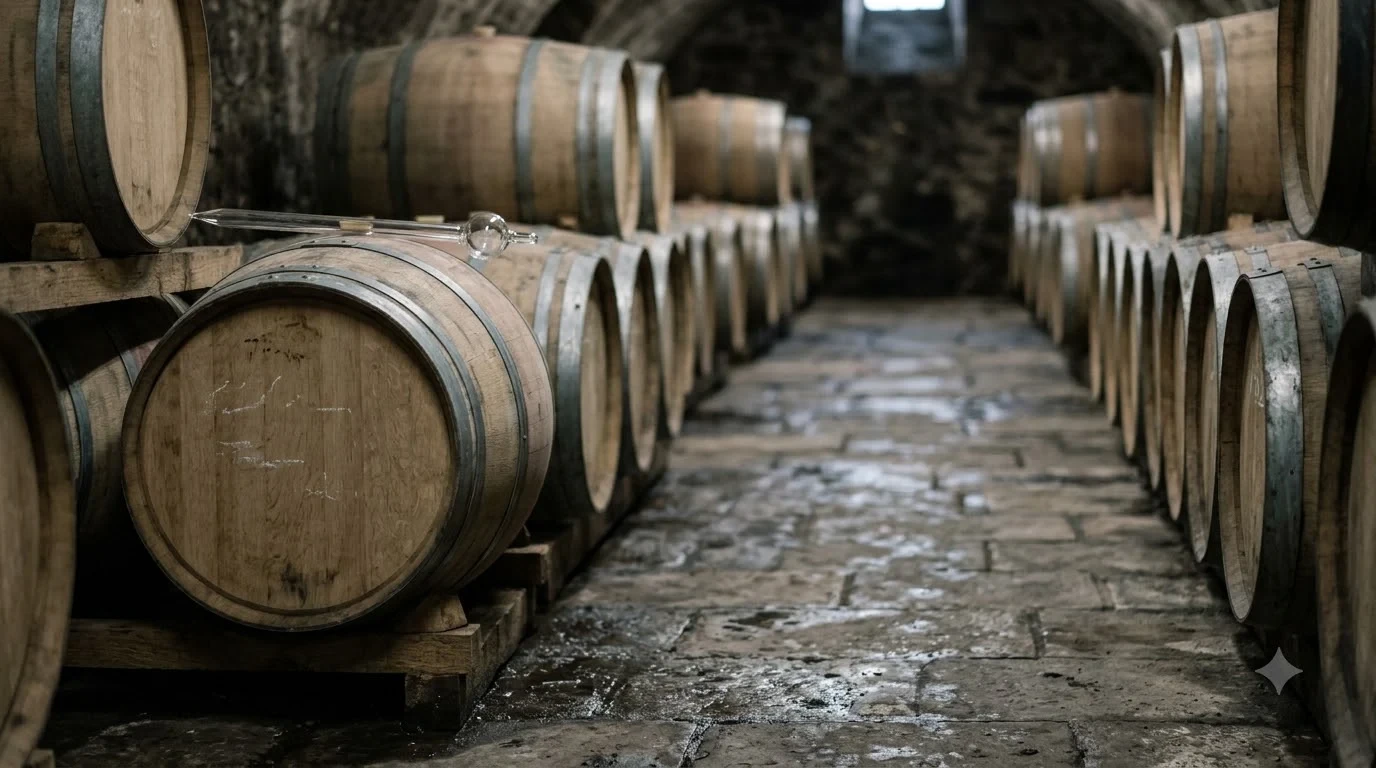
The origin of Opus One is a partnership between two men who came from very different wine worlds. Robert Mondavi was a leading figure in Napa Valley winemaking, and Baron Philippe de Rothschild ran Château Mouton Rothschild in Bordeaux. According to an account of the venture, the two first met in 1970 in Hawaii during an industry gathering, but the project was delayed and was revived in 1978. The result was a 50/50 partnership with winemakers from both sides working together.
The first vintage was made in 1979. The partners asked for one blend rather than two competing versions, which set the tone for the wine’s identity. The 1979 and 1980 vintages were released together in 1984. At the first public auction in 1981, the wine was listed under a working name, and the later name Opus One was chosen in 1982, with the Baron suggesting the word “Opus.”
The Bordeaux style in Napa Valley
Opus One is designed as a Bordeaux-style blend made with California fruit. Cabernet Sauvignon forms the core of the wine, and the blend is shaped to combine power, structure, and aging potential. The goal was not to copy a Bordeaux wine, but to bring the Bordeaux approach to Napa Valley grapes and climate. That approach is one reason the wine is often compared with the classic red blends of the Left Bank.
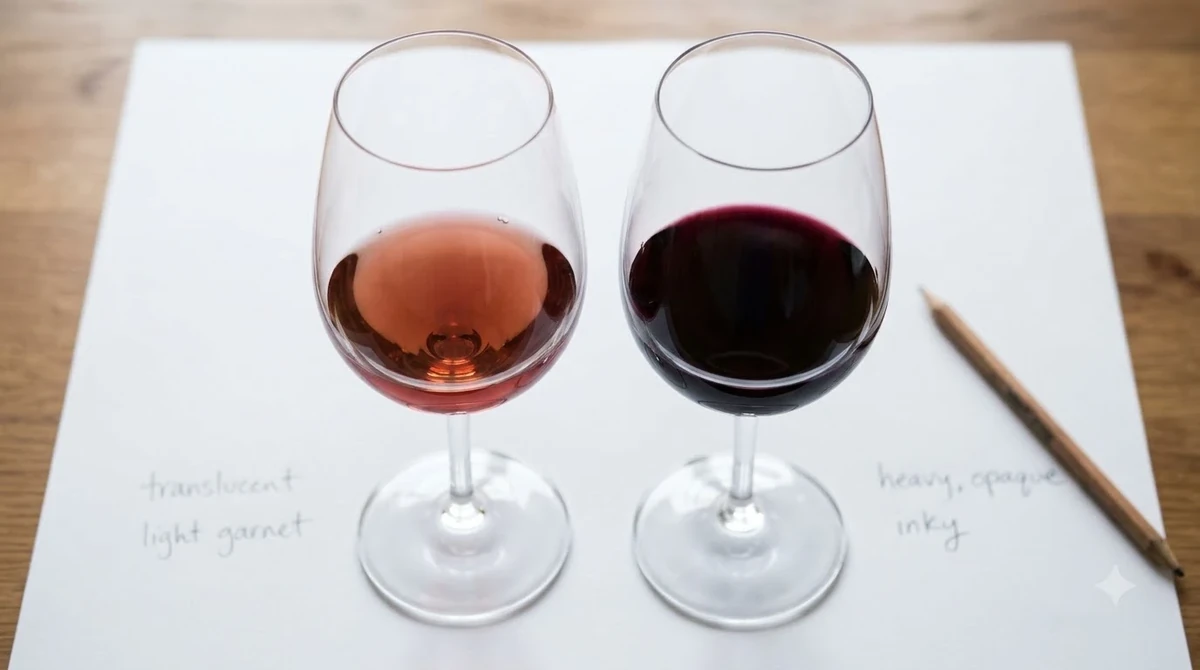
Because the wine is built on Cabernet Sauvignon, it tends to show dark fruit, firm tannins, and a long finish. Oak plays a major role in the style, and the origin account of the venture notes that Château Mouton Rothschild supplied the oak barrels for the early vintages. These details matter because they explain why the wine can feel more structured than many fruit-forward California reds.
| Element | What it contributes | What to look for |
|---|---|---|
| Cabernet Sauvignon | Core structure and dark fruit | Firm tannins and long finish |
| Bordeaux-style blend | Balance and complexity | Layered flavor rather than a single note |
| Oak aging | Vanilla, spice, and texture | A polished, structured mouthfeel |
| Napa Valley fruit | Ripeness and generous body | A warmer, fuller style than classic Bordeaux |
The table is a simplified guide to how the wine is built. Vintages differ with weather, and a younger bottle will usually show more fruit and firmer tannins than an older one, so the exact profile depends on the year.
How Opus One is served and aged
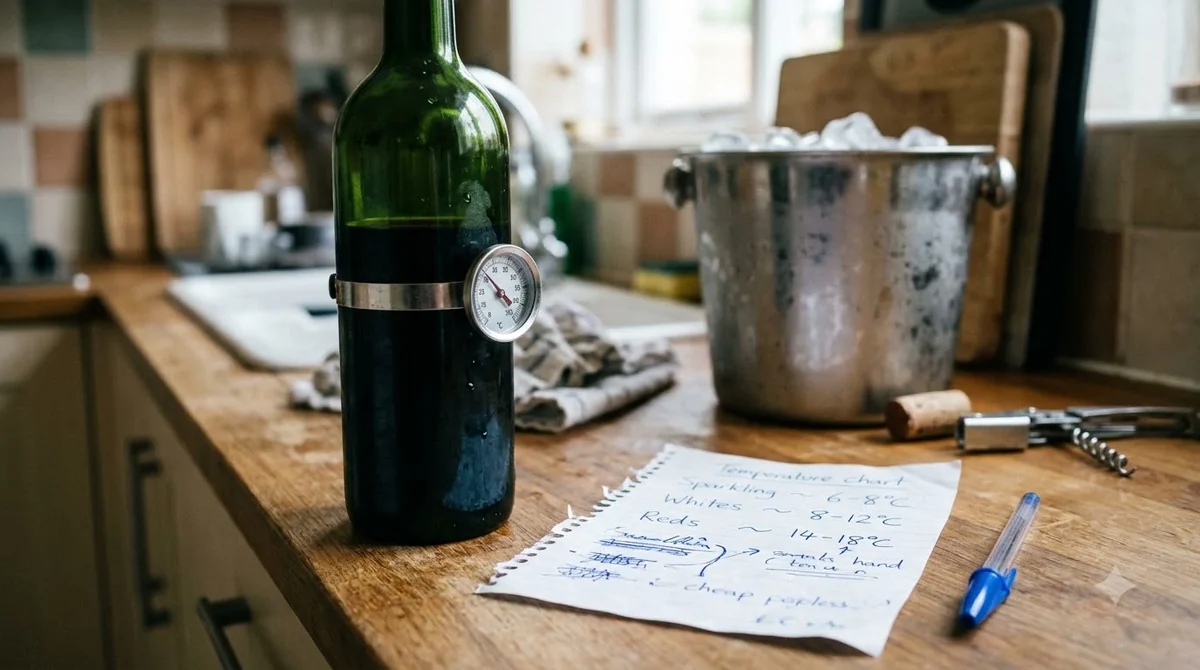
A structured red like Opus One benefits from careful serving. Most reds of this style are best served slightly below room temperature, which keeps the wine from tasting flat or overly warm. Decanting a young bottle for an hour or so can help the wine open up, while an older bottle usually needs gentler handling so that sediment stays in the bottle. Use a large red wine glass so the aroma can gather and the wine can breathe as you pour.
Aging is part of the appeal of a wine like this. Bottles often improve with time in the cellar, and many drinkers prefer a mature bottle because the tannins soften and the flavors become more integrated. Cellaring conditions matter as well. A cool, dark, and steady environment helps protect the wine, and the label and producer’s notes can guide the range of years a bottle is expected to hold its style.
Food pairings for a structured red
Opus One pairs best with food that has enough richness and flavor to stand up to the wine’s structure. Grilled or roasted red meats, such as beef, lamb, and venison, are classic partners because the fat and protein soften the tannins. Hard cheeses and aged cheeses also complement the wine, as do mushroom dishes and rich braises. The key is to avoid very light or delicate foods, which can be overwhelmed by the wine’s body.
Spicy or acidic dishes need more care. Heavy chili or vinegar-based sauces can make the wine taste sharper, so choose preparations that focus on herbs, roasting, or slow cooking. For a special dinner, a simple dish with quality ingredients often works better than an elaborate sauce, because the wine is the star of the meal.
Who buys Opus One and who might look elsewhere
Opus One is a wine for special occasions, collectors, and drinkers who want to experience a benchmark Napa Valley blend. It is often chosen for anniversaries, milestone dinners, and gifts for serious wine lovers. Its reputation and its place in the market make it a reference point, which is why many people seek it out once they want to understand what a top California red can be.
Shoppers looking for an everyday red may find the wine too formal or too expensive for regular meals. If you want a fruit-forward red that is easy to open on a weeknight, a more approachable California blend or a value Bordeaux may serve you better. Comparing the two categories will help you decide where Opus One fits in your buying plan.
Tip: If you want to understand the wine before you open a bottle, read the producer’s description of the vintage and the blend. The details of each year can explain why one bottle tastes different from another.
Why Opus One is a reference point for Napa Valley
Opus One is often discussed as a benchmark because it shows what a Napa Valley red can achieve when it is built around a classic Bordeaux framework. The wine’s early vintages helped establish the idea that California could produce a serious, age-worthy blend that could be compared directly with the wines of Bordeaux. That idea has shaped how many producers in the region approach their top bottles, even when they make very different styles.
The wine also reflects a particular philosophy of blending. Rather than chasing a single varietal flavor, the blend aims for balance across fruit, structure, and oak. Tasting the wine alongside other top California reds is a useful way to understand that approach, because the differences in fruit weight and tannin show how each producer interprets the Napa Valley climate.
Buying Opus One with confidence
When you buy a wine with a long history, the vintage and the storage condition matter as much as the label. Look for bottles that have been kept cool and away from direct light, and be cautious about wines that show signs of heat damage, such as a bulging cork or a leaking capsule. If you plan to cellar a bottle, buy from a seller who stores wine in a controlled environment, because consistent storage protects the balance that makes an older bottle worth opening.
For a gift, the story of the wine can be as valuable as the bottle itself. The partnership between Mondavi and the Rothschild family, the naming history, and the long-running focus on the Bordeaux style give the wine a narrative that many recipients appreciate. Pair the bottle with a handwritten note about the vintage and the occasion to make the gift more personal.
Frequently Asked Questions
Where is Opus One made?
Opus One is made in Napa Valley, in the Oakville area of California. It is a Bordeaux-style red blend made from Napa Valley fruit.
What grape is Opus One mainly made from?
Cabernet Sauvignon forms the core of the blend. The wine is built as a Bordeaux-style blend, so other red varieties can be part of each vintage.
Who founded Opus One?
Opus One was founded as a joint venture between Robert Mondavi, the Napa Valley winemaker, and Baron Philippe de Rothschild of Château Mouton Rothschild in Bordeaux. The first vintage was made in 1979.
Should Opus One be decanted?
A young bottle often benefits from decanting for an hour or so to open up. Older bottles need gentler handling to keep sediment in the bottle, so pour them carefully.
Opus One is one of the clearest examples of the Bordeaux style in Napa Valley. Learn its history, serve it with care, and pair it with rich food to see why it has remained a benchmark for so long. For a broader view of how wine brands fit into different price and style categories, see our wine brands guide, and compare a more approachable California label with our Barefoot wine guide. For the origin story in more detail, the origin story of Opus One covers the early years of the partnership.
More in Wine Brands
 Underwood Wine Price: Compare Bottles, Cans, and Pack SizesUpdated Nov 21, 2026
 Zenato Wine Price: Compare Styles and Choose the Right BottleUpdated Nov 21, 2026
 Zuccardi Wine Price: Compare Bottles and Find the Right RangeUpdated Nov 21, 2026
 Yellow Tail Moscato Review: Taste, Sweetness and Serving TipsUpdated Nov 21, 2026
 Wolf Blass Yellow Label Review: Choose Your Best StyleUpdated Nov 21, 2026
 Wolffer Estate Rose Review: Choose the Right Bottle for Your TableUpdated Nov 21, 2026