


We may earn a commission when you buy through links on this page, at no extra cost to you. Learn more.
The NutriChef wine aerator is an electric wine dispenser designed to aerate and pour wine directly from its bottle with the push of a button. The rechargeable PSLWPMP250 combines a pump, an aerating mechanism, and a metal pouring spout in one compact attachment. It is a convenient option for people who want simpler serving without transferring wine into a separate decanter, although its battery-powered design and cleaning requirements deserve consideration before purchase.
Wine accessories should make serving easier without creating unnecessary work after dinner. NutriChef approaches that goal with an electric dispenser that attaches to an opened bottle, draws wine through a tube, and delivers it through a dedicated spout. The brand has also offered other electric aerator models with different battery arrangements, so identifying the exact model matters. This review focuses primarily on the rechargeable PSLWPMP250 and explains where its design makes sense, what its specifications actually tell buyers, and where a traditional decanter remains a better choice.
NutriChef PSLWPMP250 Specs and Key Features
The PSLWPMP250 is a compact electric wine pump aerator intended to combine bottle-top dispensing and aeration. Its rechargeable battery, aluminum-alloy construction, and one-button operation make it different from a basic handheld wine aerator.
| Specification | NutriChef PSLWPMP250 |
|---|---|
| Product type | Electric wine pump aerator and dispenser |
| Power source | Rechargeable lithium battery |
| Battery voltage | 3.7 V |
| Battery capacity | 400 mAh |
| Construction material | Aluminum alloy |
| Body dimensions | 2.36 x 2.36 x 5.41 inches |
| Included charging cable | USB cable, 1.48 feet |
| Pouring mechanism | Electric pump with metal spout |
| Operation | One-button dispensing |
| Package contents | Dispenser and USB charging cable |
These specifications come from the manufacturer’s PSLWPMP250 documentation. The listed dimensions exclude the spout, an important distinction when estimating the device’s overall height once assembled. NutriChef also does not publish a precise dispensing speed, battery runtime, or measured aeration performance in the documentation reviewed. Buyers should not mistake the presence of a rechargeable battery for proof of a particular number of pours per charge. The official NutriChef PSLWPMP250 product page provides the manufacturer’s product details and availability information.
The main attraction is the combination of pumping and serving. A conventional wine pourer relies on gravity, while the PSLWPMP250 uses an electric mechanism to move wine from the bottle through its tube and out of the spout. The manufacturer describes the attachment as having an airtight bottle fit and a metal spout intended to help prevent splashing. This arrangement can make serving more convenient at a dinner table where several people want individual glasses.
Its 400 mAh battery is relatively small, which suits the compact format but makes charging an important part of ownership. The included cable measures only 1.48 feet, so it is sensible to keep a suitable USB charging location available rather than assume the cable will reach a distant outlet. The manufacturer identifies the product as rechargeable but does not specify a guaranteed operating duration or charging time in the manual.
What Owners May Appreciate About the Design
The strongest reasons to consider the NutriChef dispenser are its simple controls, reduced need to lift a heavy bottle repeatedly, and compact bottle-mounted format. These are practical design advantages, although they should be distinguished from independently established long-term owner satisfaction.
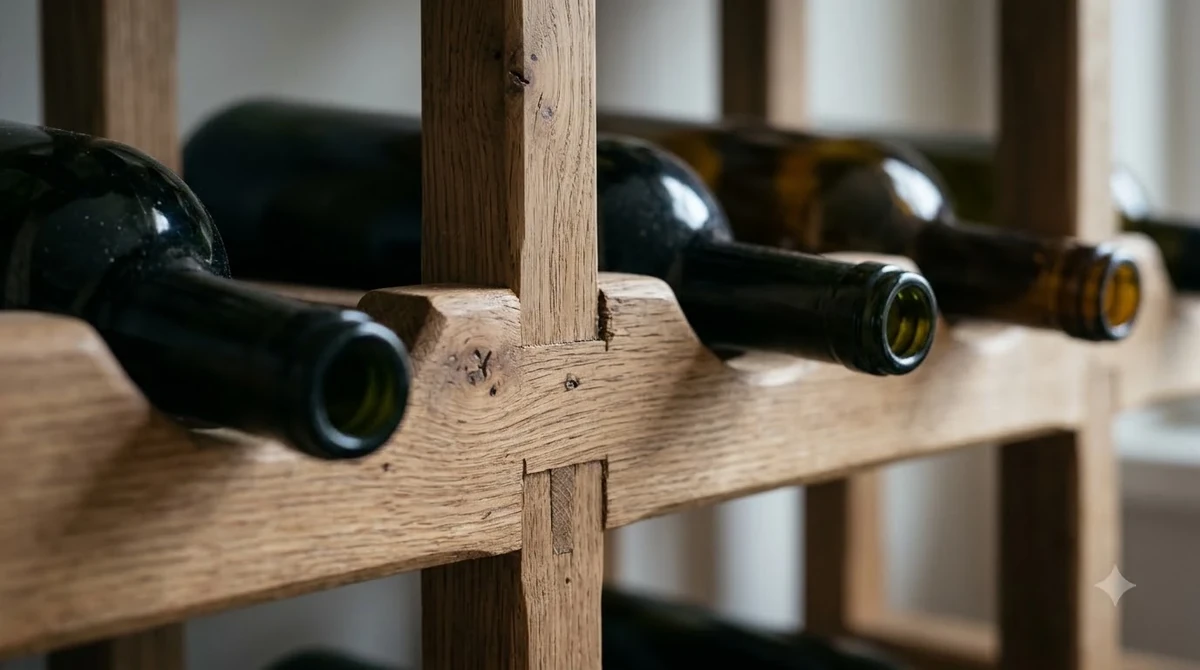
The one-button arrangement is particularly straightforward. After attaching the dispenser to an opened bottle, the user presses the operating button to start the dispensing process. There is no complicated menu, electronic display, or sequence of adjustable aeration settings described in the PSLWPMP250 instructions. That simplicity is appealing for casual wine drinkers who prefer an appliance that performs one clearly defined job.
Another useful feature is the combination of an integrated pump and pouring spout. Instead of holding a bottle above each glass, the user can leave the bottle standing while the dispenser moves wine through its tube. This can be convenient when serving several guests, especially when the bottle is heavy or the serving area is crowded. The metal spout also provides a more directed pouring point than simply tipping the bottle.
The rechargeable design is another advantage over models that depend on disposable batteries. The PSLWPMP250 has a built-in 3.7 V, 400 mAh lithium battery and comes with its own USB cable. Owners do not need to keep six or two AAA batteries available for this particular model. That difference is especially relevant because NutriChef has sold several visually similar electric wine accessories with different power requirements.
The aluminum-alloy body gives the PSLWPMP250 a more substantial construction than a simple plastic pouring attachment. Its compact body also makes storage relatively straightforward. A drawer, cabinet shelf, or organized bar cart can accommodate the device without requiring the counter space needed by a full-size glass decanter.
However, available manufacturer specifications should not be confused with verified owner consensus. The product documentation establishes the materials, battery, controls, and operating instructions, but it does not establish how long the pump lasts after years of regular use. Prospective buyers should look for recent feedback concerning battery longevity, tube fit, cleaning, and replacement parts rather than relying solely on promotional descriptions.
Common Complaints and Practical Limitations
The PSLWPMP250 has several limitations that matter more than its simple controls suggest. Battery dependence, tube maintenance, uncertain compatibility details, and limited published performance measurements make it a less straightforward purchase than a basic gravity-fed aerator.
First, the dispenser cannot operate indefinitely without electrical power. Its rechargeable battery must have sufficient charge before serving. A traditional pouring spout or handheld aerator does not introduce this extra preparation step. The manufacturer does not provide a published battery-life figure, so frequent entertainers should not assume that one charge will reliably cover a particular number of bottles.
Second, the pump introduces more cleaning work than an ordinary wine pourer. Wine travels through an internal tube and dispensing channel, leaving potential residue after use. Dried wine can create unpleasant smells, interfere with liquid flow, and make the next serving less pleasant. NutriChef’s instructions specifically recommend cleaning and drying the unit immediately after use, rather than leaving wine inside the mechanism overnight.
Third, bottle compatibility deserves attention. The manufacturer describes a universal-fit attachment, but the available PSLWPMP250 documentation does not provide a numerical bottle-neck diameter range. Unusually shaped bottles, nonstandard openings, and bottles with unusual shoulders may not provide the same fit as an ordinary wine bottle. It is better to confirm compatibility than interpret the word universal as a guarantee that every bottle will work.
There is also a limitation in the way aeration performance is described. NutriChef explains that air mixing helps wine express its aromas and flavors, but the manual does not publish a measured oxygenation rate or a comparison against a traditional decanter. The pump’s ability to dispense wine through an aerating mechanism is documented; a guaranteed improvement in every wine’s aroma is not.
Availability is another consideration. The manufacturer’s PSLWPMP250 product page displayed an out-of-stock status when reviewed. That does not establish that the model has been permanently discontinued, but buyers should confirm that the exact rechargeable version is available before ordering. Similar-looking NutriChef models are not necessarily interchangeable.
Who Should Buy the NutriChef and Who Should Skip It?
The NutriChef electric dispenser makes the most sense for casual wine drinkers who value convenience and prefer to pour from a stationary bottle. People who prioritize traditional wine service, minimal maintenance, or complete control over aeration may prefer another approach.
Good reasons to consider it
The PSLWPMP250 is worth considering if you frequently serve wine at home and dislike repeatedly lifting and tilting bottles. Its one-button dispensing arrangement can simplify serving, particularly when glasses are arranged around a dining table or outdoor entertaining area. The rechargeable battery also avoids the recurring need to replace disposable batteries.
It may appeal to people who enjoy a compact collection of wine accessories. Unlike a large decanter, the pump does not need its own serving vessel. It can be stored alongside other small accessories and brought out when needed. For someone assembling a gift collection with a wine opener, stopper, and glassware, an electric dispenser can offer a different kind of convenience from traditional equipment.
It is also worth considering for people who regularly open bottles of different wine styles and want a consistent dispensing routine. NutriChef’s documentation discusses its use with wine and also mentions other beverages. However, cleaning between different liquids becomes particularly important if the device is used for anything other than wine.
Reasons to choose something else
Skip this style of dispenser if you want to avoid rechargeable electronics in your wine accessories. A conventional pouring spout has fewer components and does not depend on battery condition. It is also easier to rinse and store.
People who regularly serve older red wines may prefer a traditional decanter. Older bottles can contain sediment, and careful decanting provides greater control over separating clear wine from deposits. An electric pump should not be treated as a substitute for that process.
Likewise, wine enthusiasts who want to experiment with different aeration durations may find the PSLWPMP250 restrictive. The available instructions describe straightforward electric dispensing rather than adjustable aeration levels. Someone who prefers to compare a glass immediately after opening with another glass after 30 to 60 minutes of decanting will have more control with a separate decanter.
Finally, buyers who cannot easily obtain replacement tubes or accessories should investigate parts availability before committing. The purchase decision should include the expected maintenance routine, not just the convenience of the first pour.
How It Compares to Other Wine Aeration Options
The NutriChef electric pump occupies a different category from a simple aerator pourer and a traditional glass decanter. Its main distinction is powered dispensing, while the alternatives focus on gravity-fed pouring or allowing wine to rest in a larger vessel.
A handheld aerator generally attaches to a bottle or sits between the bottle and glass. Wine passes through an aerating chamber during pouring, without requiring an electric motor. This arrangement is generally easier to clean and does not require charging. However, it still requires the user to lift and tilt the bottle.
A traditional decanter works differently. Wine is transferred from the bottle into a vessel with a larger exposed surface area. The user can control how long the wine rests before serving. For young, full-bodied reds, a decanting period of 30 to 60 minutes is a common starting point, although the ideal duration depends on the wine’s structure and age. Wine Enthusiast’s explanation of wine aeration also emphasizes that not every wine benefits from the same amount of exposure to air.
A decanter also offers a practical advantage when sediment is present. Pouring carefully allows the sediment to remain in the original bottle while clearer wine enters the serving vessel. An electric bottle-top dispenser does not provide the same degree of separation.
For buyers considering a combination of traditional serving and air exposure, a decanter with aerator offers another format. It combines the visual presentation of a decanter with an aeration accessory. This is a better fit for people who prefer serving wine in a dedicated vessel rather than dispensing it directly from the original bottle.
Neither option is automatically superior for every wine. A young Cabernet Sauvignon may benefit from additional exposure to air, while a delicate older Pinot Noir can lose some of its more subtle aromatic qualities if handled too aggressively. The wine itself should determine the serving method, rather than assuming every bottle needs the same amount of aeration.
| Serving option | Power required | Serving method | Main advantage | Main limitation |
|---|---|---|---|---|
| NutriChef PSLWPMP250 | Rechargeable battery | Electric bottle-top dispensing | Convenient powered pouring | Charging and internal cleaning |
| Handheld aerator | None | Gravity-fed pouring | Simple operation | Requires bottle lifting |
| Traditional decanter | None | Transfer and rest | Greater control over decanting | Requires another vessel and cleaning |
| Basic wine pourer | None | Direct gravity-fed pouring | Minimal maintenance | Limited aeration function |
For anyone building a broader wine-accessory collection, the Accessory Brands section can provide useful context about different types of equipment. The right choice depends on whether the priority is convenient pouring, controlled aeration, sediment separation, or a more traditional presentation.
Cleaning, Charging, and Everyday Care
Proper care is particularly important for an electric wine dispenser because wine passes through internal components that cannot simply be wiped with a cloth. The manufacturer’s instructions emphasize immediate cleaning, tube removal, and thorough drying after each use.
Before the first serving, NutriChef recommends running clean water through the aerator. This helps rinse the internal pathway and confirms that water can pass through the tube and spout when the device is fitted securely. It is a useful preparation step, especially for a unit that has been stored for some time.
A practical cleaning routine
- Remove the dispenser from the wine bottle after serving.
- Remove the tube from the electronic body before cleaning.
- Rinse the appropriate liquid-contact components with clean water.
- Follow the manufacturer’s instruction not to use detergent on the tube.
- If additional cleaning is needed, the manual mentions a small amount of lemon juice or vinegar in the rinsing water.
- Dry the components thoroughly before reassembling or storing the device.
Do not assume the electronic body can be submerged or rinsed under a running tap. The available manual does not establish that the complete powered assembly is waterproof. Keep water away from electronic components and use a careful cleaning method consistent with the manufacturer’s instructions.
Tip: Clean the tube immediately after serving instead of waiting until the next time you open wine. A quick rinse and thorough drying help prevent dried wine residue from accumulating in the dispensing pathway.
Charging is similarly straightforward but should be treated as routine maintenance. The PSLWPMP250 includes a USB charging cable, and its rechargeable battery is rated at 3.7 V and 400 mAh. Keep the charging cable with the device so it does not become separated during storage. Because the manufacturer does not publish a guaranteed runtime, avoid planning an important gathering around an assumed number of servings per charge.
Storage should also protect the tube and spout from dust and accidental damage. A dedicated drawer or small accessory organizer is preferable to leaving the dispenser loose among heavier kitchen tools. If it will remain unused for an extended period, ensure the device is clean and completely dry before putting it away.
For households that open wine only occasionally, a simpler manual aerator may require less attention. For regular entertainers, however, a consistent cleaning and charging routine can make the electric format more practical.
Frequently Asked Questions
Does the NutriChef wine aerator work with sparkling wine?
The PSLWPMP250 documentation does not specifically establish compatibility with sparkling wine. Carbonated wine behaves differently during dispensing because pressure and dissolved carbon dioxide affect foaming. A conventional sparkling-wine stopper and careful pouring are generally more appropriate for preserving bubbles.
Can the NutriChef wine aerator dispense wine into small glasses?
Its electric dispensing format allows wine to be directed into an individual glass, but the manufacturer does not publish a minimum dispensing volume or a calibrated serving measurement. For a standard 5-ounce wine serving, stop the dispensing process manually when the desired amount has been reached.
Can the PSLWPMP250 be used with a half-full wine bottle?
The manual describes a tube that draws wine from the bottle, but it does not provide a minimum fill level or a guaranteed operating angle. A half-full bottle may therefore require careful positioning to keep the tube immersed in the remaining wine. Avoid assuming that the pump will dispense every last drop.
Does the NutriChef dispenser have an automatic shutoff?
The PSLWPMP250 instructions describe button-operated dispensing but do not specify an automatic measured-pour shutoff or a programmable serving volume. Buyers who need precise portions for wine flights or formal tastings should consider a measuring pourer or graduated serving vessel instead.
Can the NutriChef wine aerator be used for liquor?
NutriChef documentation for its PSLWPMP250 describes wine dispensing, while other NutriChef electric aerator documentation discusses additional beverages such as whiskey and beer. Compatibility depends on the particular model and its tube arrangement. Confirm the instructions for the exact device rather than assuming all NutriChef aerators have identical capabilities.
The NutriChef PSLWPMP250 is an interesting choice for wine drinkers who value electric dispensing and a compact rechargeable design more than traditional serving rituals. Its one-button controls and integrated spout are appealing, but battery maintenance, cleaning, and uncertain performance specifications are genuine considerations. Before buying, confirm that the rechargeable model is available and that its maintenance requirements suit your routine. For a more traditional collection, pairing a manual aerator with a dedicated decanter may provide greater flexibility.
More in Wine Accessories
 Oster Wine Opener Review: Features, Reliability, and Buying AdviceUpdated Nov 21, 2026
 Rabbit Gift Set Review: A Practical Wine-Opening KitUpdated Nov 21, 2026
 Oster Wine Opener Not Working? Diagnose Problems and Find the Right FixUpdated Nov 21, 2026
 Oster Wine Aerator Review: Features, Setup, and CleaningUpdated Nov 21, 2026
 Ozeri Corkscrew Review: Features, Performance and Buying AdviceUpdated Nov 21, 2026
 Ozeri Replacement Parts: Find the Right Fix for Your Kitchen ScaleUpdated Nov 21, 2026