

We may earn a commission when you buy through links on this page, at no extra cost to you. Learn more.
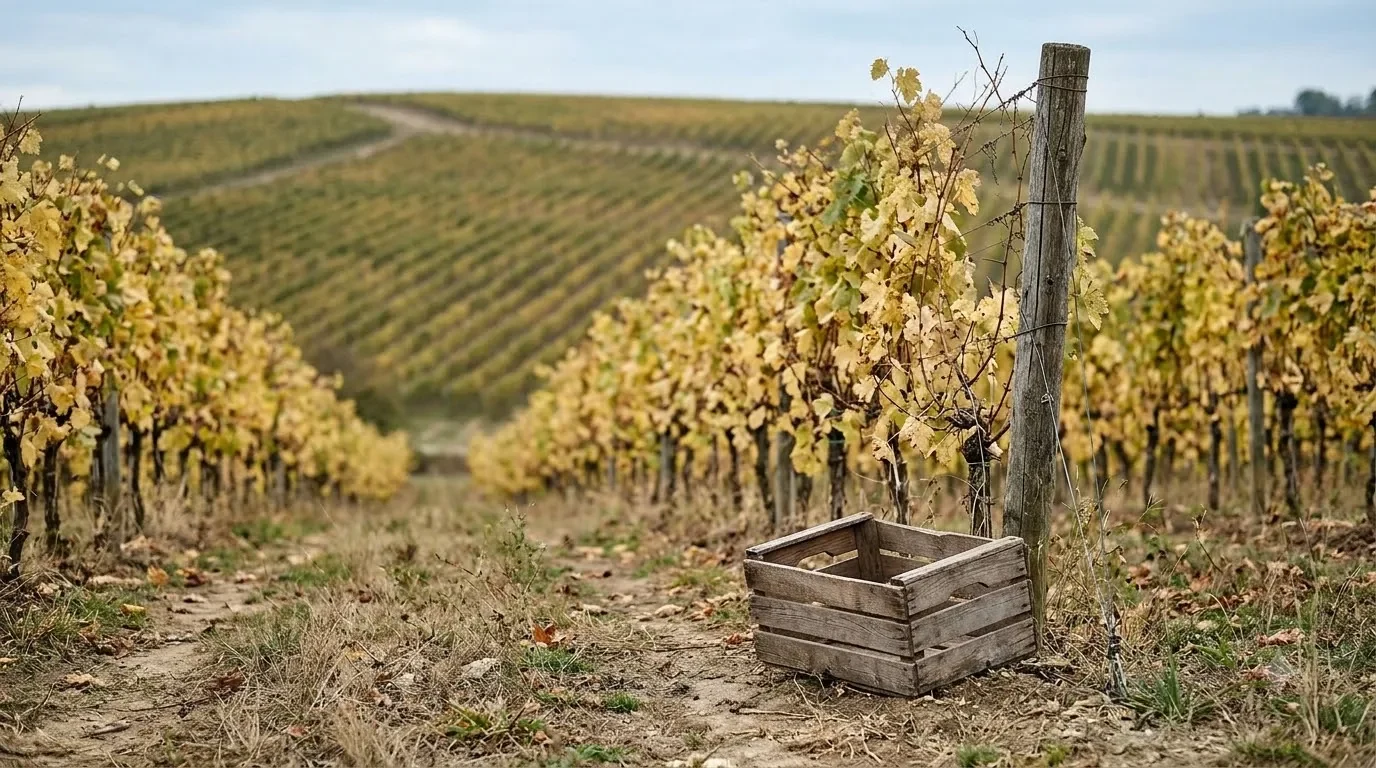
North Fork wine country is the eastern arm of Long Island’s wine region, where more than 30 vineyards grow cool-climate grapes on a narrow peninsula between Long Island Sound and the Peconic Bays. The North Fork of Long Island AVA was established in 1985. The first vineyard, Hargrave, was founded in 1973 and still operates today under a different name. Visitors mostly come for tasting rooms, farm stands and a short drive from New York City.
The North Fork is a long, narrow finger of land at the eastern end of Long Island, New York. Its wine industry is younger than the vineyards of California or Europe, but it has grown into one of the most visited wine areas on the East Coast. This guide explains where the vineyards are, what grows there, why the water around the peninsula matters, and how to plan a visit.
Where North Fork wine country is located
Vineyards on the North Fork stretch from Baiting Hollow in the west to Southold in the east. Newer plantings have also appeared in Greenport and Orient at the far tip of the peninsula. Because the land is narrow, almost every vineyard sits within a short drive of both bays and the Sound.
The peninsula is bordered by Long Island Sound to the north and by the Great Peconic, Little Peconic and Gardiners bays to the south. Those bodies of water are the defining feature of the region, even though many guides describe the wines without linking them to the geography.
| Feature | Detail |
|---|---|
| AVA established | 1985 |
| Vineyards | More than 30, many with tasting rooms |
| First vineyard | Hargrave, founded 1973; now operates as Castello di Borghese |
| Main towns for visitors | Baiting Hollow, Southold, Greenport, Orient |
Grape varieties and wine styles
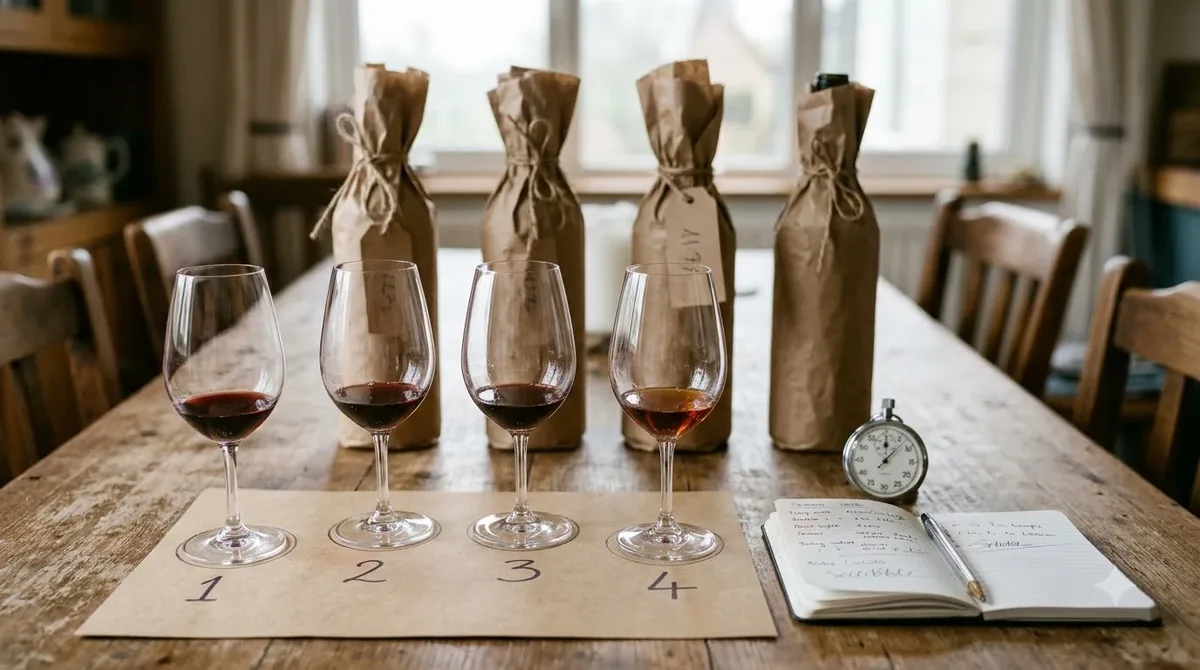
Most North Fork wineries focus on European varieties that suit a cool, maritime climate. Merlot and Cabernet Franc are among the best-known reds, while Chardonnay, Sauvignon Blanc and Riesling are the common whites. Many producers also make sparkling wines and rosés, which give visitors a wider range of bottles to try.
The grapes you see most often reflect how the wineries present themselves rather than a single regional rule. Visitors should expect a mix of crisp whites, structured reds and lighter rosés, and should read tasting notes to see which style a winery focuses on.
Why the bays matter
Large bodies of water tend to moderate both winter cold and summer heat, and the Sound and bays are a central part of the region’s identity. Growers often note that the surrounding water changes temperatures and humidity, although the exact effect varies from site to site and from year to year.
The history of North Fork vineyards
Modern grape growing on the North Fork is usually traced to the early 1970s, when researchers and growers began testing European varieties on the peninsula. The first commercial vineyard, Hargrave, opened in 1973. Its success encouraged others to plant, and the AVA designation in 1985 gave the region a formal identity and a legal boundary.
The region’s growth reflects a shift from farming potatoes and other crops to growing wine grapes. Many wineries are family-run, and tasting rooms are often the main way they sell bottles.
Visiting North Fork wine country
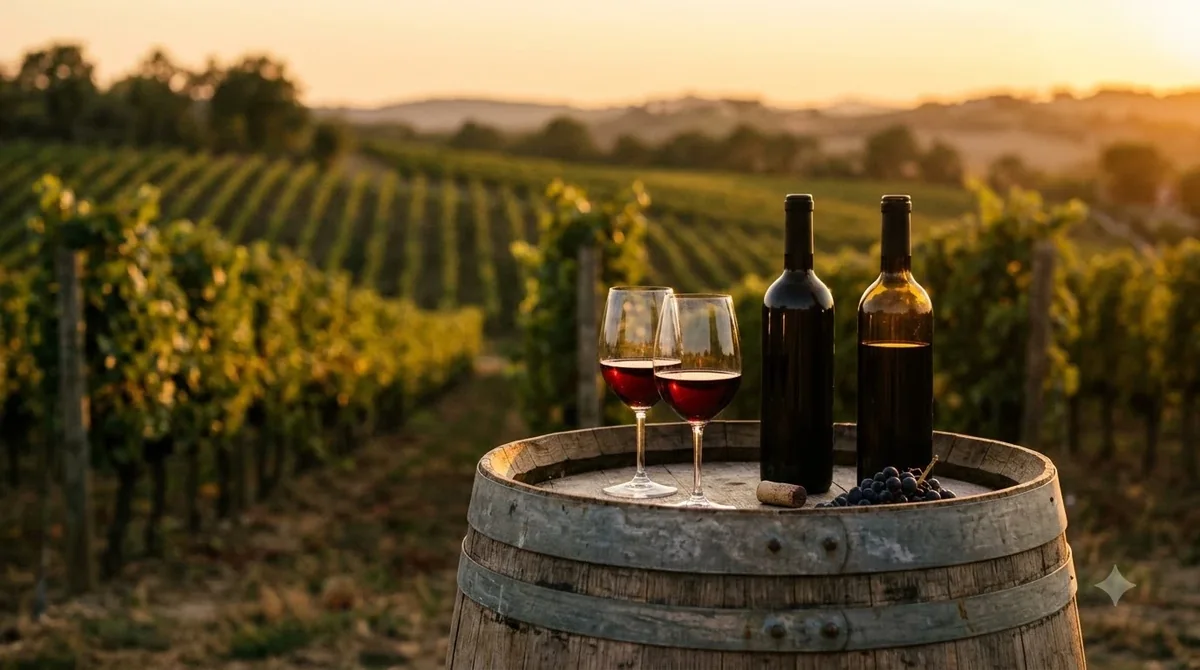
The North Fork is best explored by car, since vineyards are spread along a single road with side routes to the bays. Plan a day with two or three stops rather than trying to cover the whole peninsula in one visit. Weekends are busy, and reservations are often recommended for tastings during the summer.
Many wineries pair tastings with local food, and the farm stands along the route offer seasonal produce that matches the wines. Visitors who plan to taste several stops should arrange a driver or a tour to keep the day safe and relaxed.
Tip: Visit the western vineyards first if you are coming from New York City, then work east toward Greenport so the drive back is shorter.
How to choose a North Fork bottle
A Long Island wine label usually lists the AVA, the grape and the vintage. For a first bottle, a crisp white such as Sauvignon Blanc or Chardonnay gives a clear sense of the region’s cool-climate style. Rosé and sparkling wines are good choices for warm-weather visits, while a Merlot or Cabernet Franc suits a dinner.
Food, farms and the rest of the day
A North Fork visit is as much about food as about the vineyards. The farm stands along the main road sell seasonal produce, and many tasting rooms serve small plates or partner with local kitchens. Seafood is a natural match for the region’s crisp whites, and a Sauvignon Blanc or Chardonnay pairs well with shellfish and light fish dishes that reflect the bays nearby.
Red wines from the North Fork, especially Merlot and Cabernet Franc, suit grilled meats and roasted vegetables. Rosé is a practical choice for a hot afternoon on a patio, and sparkling wine works from the first tasting to the last course. Pairing the wine to the food of the day helps the tasting feel like a meal rather than a series of pours.
Planning a North Fork day
Because the peninsula is narrow and the vineyards are spread out, the most useful planning tool is a map. Start at the western end if you are driving from New York City, then move east, leaving time for a stop at a farm stand or a short walk near the water. A relaxed day with three tastings is usually more enjoyable than a rushed day with six.
Choose a designated driver or book a van tour if you plan to taste at more than two stops. Summer weekends fill up quickly, so calling ahead is the safer choice, while quieter weekdays give more room for conversation with the winemakers and staff.
Many visitors also use the North Fork as a base for a longer stay. Small inns, bed and breakfasts and rental houses are spread along the peninsula, so an overnight trip lets you taste across several days and visit at a slower pace. Staying nearby also makes it easier to return to a favorite winery for a second visit, which is often where the best conversations with the winemakers happen.
Frequently Asked Questions
Is the North Fork a good place for wine tasting?
Yes. The peninsula has more than 30 vineyards, many with tasting rooms, and the short distances between them make it easy to visit several in one day. It is a popular day trip from New York City.
When was the North Fork AVA established?
The North Fork of Long Island AVA was established in 1985. The first commercial vineyard, Hargrave, was founded in 1973.
What grapes grow on the North Fork?
Merlot and Cabernet Franc are among the best-known reds, and Chardonnay, Sauvignon Blanc and Riesling are common whites. Many producers also make sparkling wines and rosés.
How do I get to the North Fork wineries?
Most visitors drive from New York City or from other parts of Long Island. The vineyards are spread along one main road, so a car is the most practical way to reach several wineries in a day.
The North Fork offers a compact, walkable-by-car wine region with a clear history and a mix of European styles. Its maritime setting and short distances make it easy to compare several producers in one trip. If you are comparing wine areas along the Atlantic, see michigan wine country and ohio wine country for regions with very different climates, or browse the Wine Regions guide. For more on the region’s history and AVA status, see North Fork of Long Island on Wikipedia.
More in Wine Regions
 Willcox Wine Trail: Discover Arizona’s High-Elevation Wine CountryUpdated Nov 20, 2026
 Yakima Valley Wine Region: Find the Best Styles to TryUpdated Nov 20, 2026
 Vosne Romanee Wine Tasting: Identify Aromas and Choose Better PairingsUpdated Nov 20, 2026
 Yakima Valley Wine Festival: Find the Best Seasonal Wine EventsUpdated Nov 20, 2026
 Wales Vineyards: Discover Cool-Climate Wines and Where to VisitUpdated Nov 20, 2026
 Yountville Wine Festival: Discover Napa Wines and Local FoodUpdated Nov 20, 2026