

We may earn a commission when you buy through links on this page, at no extra cost to you. Learn more.
Nicolas Feuillatte wine is Champagne made by a large cooperative based in Chouilly, near Épernay, and sold under a range that includes Brut, Rosé and drier or sweeter styles. The brand is built on the work of many growers rather than one estate, which gives it a consistent house style across its lineup. Most bottles are sparkling and suit aperitifs, celebrations and a wide range of food.
This guide covers where Nicolas Feuillatte comes from, how the cooperative is organized, the main styles you are likely to see, and how to serve and pair them. If you are choosing a Champagne for a celebration or an everyday bottle of sparkling wine, the sections below should help you decide.
Where Nicolas Feuillatte comes from
The brand traces back to a storage and winemaking unit founded in 1972 by Henri Macquart, which handled wine for growers who did not have the facilities to make their own Champagne. The Nicolas Feuillatte name dates to 1976, and the organization took its current name in 1986. That history explains why the brand is closely linked to a network of producers instead of a single family estate.
The cooperative is set on a hill in the commune of Chouilly, overlooking Épernay, which is the main town of the Champagne trade. It describes itself on its official site as the oldest union of Champagne producers, and it works with 82 winemaking cooperatives that represent more than 5,000 vineyards. Separately, about 1,000 individual growers belong to a union of individual producers.
How the cooperative shapes the wine
A cooperative model means the brand can draw on fruit from many vineyards and blend it into a consistent style. The company operates on a large scale, with about 2,162 hectares of vineyard, roughly 7 percent of the Champagne region’s total, and it produces about 24 million bottles each year.
That scale is useful for shoppers because it makes the house style predictable from one bottle to the next. Each cuvée is designed to taste the same way year after year, even though the base wines change with the harvest. In December 2021 the organization announced a merger with the Coopérative Régionale des Vins de Champagne, a move that reflects how the region’s cooperatives are consolidating.
Champagne is a sparkling wine that can only be made in its designated area in France, as the Champagne region’s own site makes clear, and it is produced with a second fermentation in the bottle. The cooperative’s wines follow that method, so they share the fine bubbles and toasty notes common to the appellation.
The main Nicolas Feuillatte styles
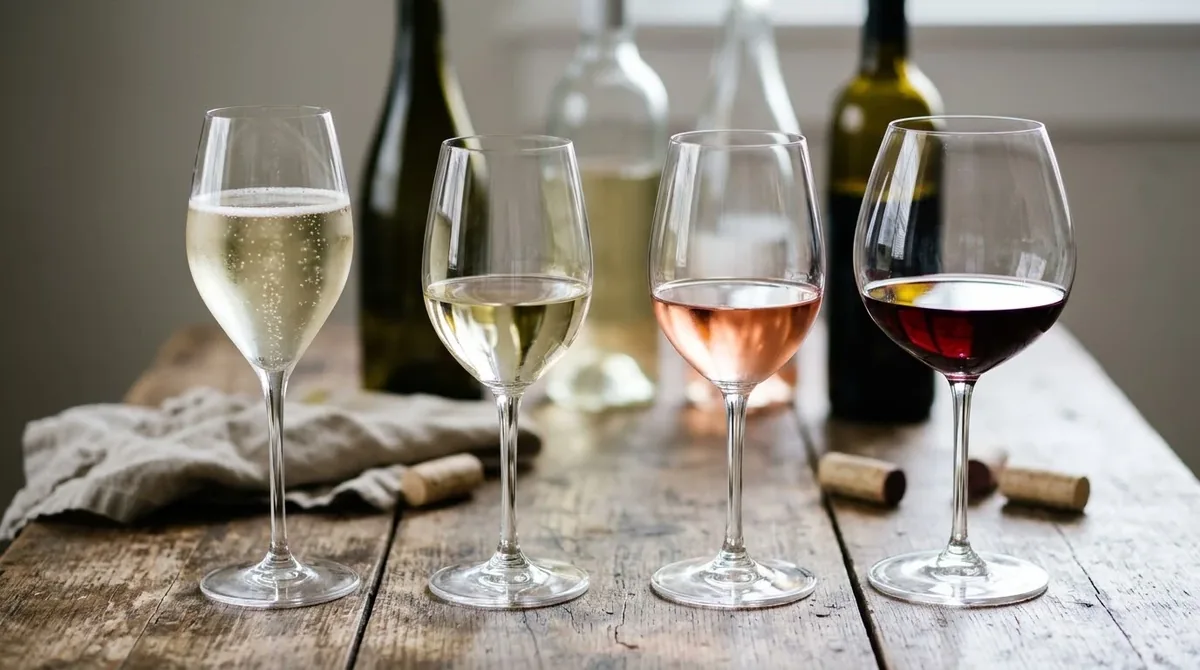
The range is organized around a few families of wine. The Réserve Exclusive Brut is the core of the lineup, built for everyday celebration and easy to match with food. It is a dry style, which means it has little residual sugar and a clean finish.
The Réserve Exclusive Rosé is a pink sparkling wine with a fresher, fruitier character than the Brut. It is a natural choice for brunch, light salads and desserts with red fruit. The Réserve Exclusive Premier Cru Extra Brut is drier than the standard Brut, with a tighter structure and a crisp finish. The Organic Extra Brut is a dry style made to appeal to buyers who look for organic production.
The Réserve Exclusive Demi-Sec sits at the sweeter end of the range. Demi-sec Champagne has more residual sugar, so it pairs well with desserts and fruit-based dishes and is often a good pick for guests who prefer a softer style.
| Style | Sweetness | Best suited for |
|---|---|---|
| Réserve Exclusive Brut | Dry | Aperitifs and general celebrations |
| Réserve Exclusive Rosé | Dry, fruit-forward | Brunch, salads and red-fruit desserts |
| Premier Cru Extra Brut | Very dry | Seafood and oysters |
| Organic Extra Brut | Very dry | Buyers looking for organic production |
| Réserve Exclusive Demi-Sec | Off-dry | Desserts and fruit dishes |
How to serve Nicolas Feuillatte
Serve Champagne cold, but not icy. A temperature around 6 to 8 degrees Celsius keeps the bubbles lively and lets the fruit and acidity show. Chill the bottle in the fridge for several hours, or in an ice bucket with water for about 20 minutes if you are short on time.
Open the bottle gently. Hold the cork firmly, turn the bottle rather than the cork, and ease the pressure out slowly to avoid a loud pop and wasted wine. Pour into a tulip-shaped glass or a standard white wine glass, which keeps the aromas together and lets the bubbles rise steadily. Flutes are classic, but many tasters prefer a slightly wider glass for showing the character of a Brut.
Tip: Pour a small amount first and let the foam settle before filling the glass. A half-full glass keeps the wine fresher for the next pour.
Food pairing for Nicolas Feuillatte
Dry styles like the Brut and the Premier Cru Extra Brut are versatile at the table. Their acidity and minerality cut through rich foods, which makes them a strong match for fried snacks, soft cheese and simple grilled fish. Oysters and shellfish are a classic combination with dry Champagne.
The Rosé suits lighter dishes with a little fruit or spice, such as grilled chicken, fresh berries and mild cheeses. The Demi-Sec works better with desserts, especially fruit tarts and creamy desserts, where its sweetness is balanced rather than overwhelmed. Matching sweetness to sweetness is the simplest rule: the wine should never taste drier than the food. Not every guest wants sparkling wine, and if the table needs a still option, our Aveleda wine guide covers a lighter white that works alongside the same dishes.
How to choose a bottle
Start with what you plan to serve. For an aperitif or a party, the Réserve Exclusive Brut is the most flexible choice because it suits most guests and most snacks. If the table includes people who prefer sweeter drinks, the Demi-Sec may be a better fit, and the Rosé brings colour and a fruitier character to a celebration.
Read the label for the style word, not just the brand. Terms such as Brut, Extra Brut, Rosé and Demi-Sec describe the sweetness level and the colour, and they matter more than the name when you want a particular taste. Our wine brands guide explains how producers in other regions use similar labelling.
Frequently Asked Questions
Is Nicolas Feuillatte real Champagne?
Champagne can only come from the Champagne region of France, and the cooperative is based in that region. Its wines are made with the traditional method, so they are Champagne in the strict sense of the appellation.
What is the difference between Brut and Extra Brut?
Both are dry styles, but Extra Brut has even less residual sugar than standard Brut. That makes it taste sharper and more mineral, which many people prefer with seafood.
Is the Rosé a sweet wine?
The Réserve Exclusive Rosé is a dry, fruit-forward style rather than a sweet one. If you want a sweeter bottle, look for the Demi-Sec on the label.
How long does an opened bottle keep?
Sparkling wine loses its fizz quickly once opened. Reseal it with a proper stopper, keep it cold, and drink it within a day or two for the best texture.
Nicolas Feuillatte offers a clear range for different occasions, from a dry Brut for everyday celebrations to a Demi-Sec for dessert. Start with the style that matches your food and your guests, and read the label carefully. For a broader view of sparkling and still wines from other houses, explore our wine brands section.
More in Wine Brands
 Underwood Wine Price: Compare Bottles, Cans, and Pack SizesUpdated Nov 21, 2026
 Zenato Wine Price: Compare Styles and Choose the Right BottleUpdated Nov 21, 2026
 Zuccardi Wine Price: Compare Bottles and Find the Right RangeUpdated Nov 21, 2026
 Yellow Tail Moscato Review: Taste, Sweetness and Serving TipsUpdated Nov 21, 2026
 Wolf Blass Yellow Label Review: Choose Your Best StyleUpdated Nov 21, 2026
 Wolffer Estate Rose Review: Choose the Right Bottle for Your TableUpdated Nov 21, 2026