

We may earn a commission when you buy through links on this page, at no extra cost to you. Learn more.
A New York sour recipe is a whiskey sour topped with a float of red wine, usually Shiraz or Malbec, that sits on the surface of the drink instead of mixing in. The base is rye or bourbon, simple syrup, and fresh lemon juice, shaken with a few drops of egg white for a silky texture. The International Bartenders Association lists it as an official IBA cocktail, so the recipe is easy to find and reproduce at home.
If you have ever ordered a whiskey sour and wished it had a bit more depth, a New York sour is worth making. The wine float adds dark fruit aroma and a soft tannic edge that cuts through the sweetness and sourness underneath. This guide walks through the ingredients, the method for getting a clean float, and the small choices that change how the drink tastes, so you can make a New York sour that looks as good as it drinks.
What Makes a New York Sour Different From a Whiskey Sour
A New York sour starts from the same template as a classic whiskey sour, which is spirit, citrus, and sweetener. The difference is the final layer. Instead of mixing everything together, the drink is finished with a thin pour of dry red wine that rests on top of the ice. Reviewers and bartenders often describe the result as two drinks in one: a bright, frothy sour underneath and a fruity, slightly dry red on top.
According to the IBA’s official New York Sour specification, the drink is built on rye whiskey or bourbon, with 15 ml of red wine added last. That makes the wine a finishing touch rather than a base ingredient, which is why the choice of wine and the way it is poured matter more than most people expect.
Ingredients and Measurements
The IBA recipe is short, and each ingredient has a clear job. The spirit provides backbone, the lemon juice provides brightness, the syrup balances the acid, and the egg white gives the foam and body. Use the table below as a reference when you are building the drink at home.
| Ingredient | IBA amount | Role in the drink |
|---|---|---|
| Rye whiskey or bourbon | 60 ml | Base spirit, spice and structure |
| Simple syrup | 22.5 ml | Sweetness to balance the lemon |
| Fresh lemon juice | 30 ml | Acidity and brightness |
| Egg white | A few drops | Foam and a smooth mouthfeel |
| Red wine (Shiraz or Malbec) | 15 ml | Float on top for aroma and color |
Fresh lemon juice matters more than any other choice here. Bottled juice tends to taste flat and slightly cooked, and it will muddy the clean sour edge that makes the drink work. Squeeze the lemons shortly before you shake. For the syrup, a 1:1 mix of sugar and water is the simplest option and dissolves easily in cold drinks.
How to Build a Clean Red Wine Float
The float is the part that most people get wrong. If you pour the wine too fast, it sinks into the drink and turns the whole glass a muddy purple. The goal is a distinct dark layer on the surface, and the technique is simple once you know it.
First, shake the whiskey, syrup, lemon juice, and egg white with plenty of ice until the shaker is very cold and frothy. This is called a dry shake when you do it without ice first, and some bartenders do that step to build more foam. Next, strain the mixture into a chilled rocks glass filled with fresh ice. Finally, pour the red wine slowly over the back of a bar spoon so it spreads across the surface. The IBA method describes the wine being floated on top rather than stirred in, and that is the detail that gives the drink its look and its layered taste.
Choosing the Right Red Wine for the Float
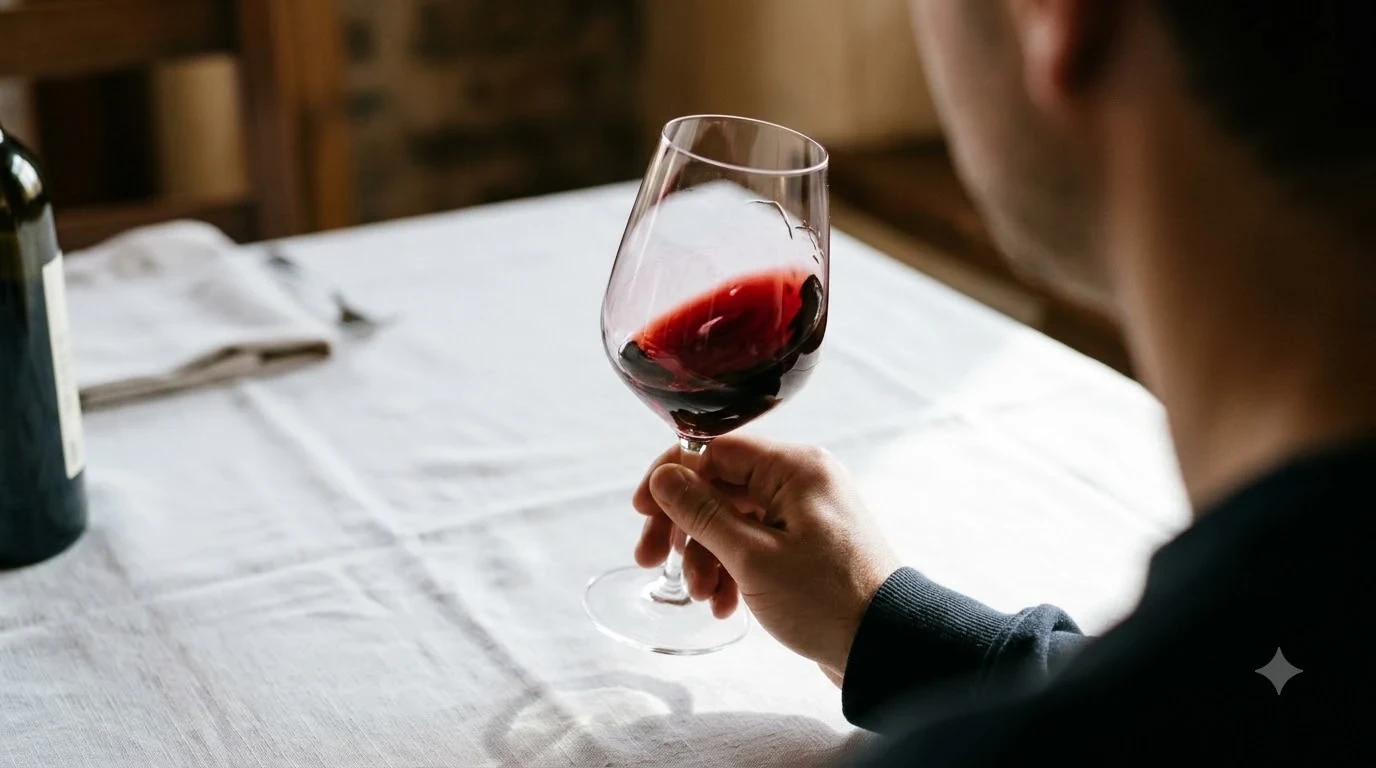
Shiraz and Malbec are the two wines the IBA names for the float, and there is a good reason for that. Both tend to be full-bodied and fruit-forward, with enough color to show clearly on top of the drink and enough tannin to give a dry finish. A light red such as Pinot Noir can work, but it will disappear visually and taste thin against the whiskey.
Look for a dry red that you would happily drink on its own. You do not need an expensive bottle, because only a small amount goes into each glass, but avoid sweet or heavily oaked reds that will overpower the sour base. A bottle that is fruity, medium-bodied, and not too tannic is the practical target.
Glassware, Garnish, and Serving
A New York sour is served on the rocks, in a chilled rocks glass, sometimes called an old fashioned glass. Fresh ice helps keep the float on top, so use large cubes rather than crushed ice, which will melt faster and blend the layers. Chill the glass in the freezer for a few minutes before you strain the drink into it.
The IBA garnish is lemon or orange zest with a cherry. Twist the zest over the glass to release the oils, then drop it in or hang it on the rim. The cherry adds a small sweet note that echoes the dark fruit in the wine. Serve the drink right after the float goes in, because the layers will slowly mix as the ice melts.
Variations and Ways to Adjust the Drink
Once you have the classic version down, small changes can make the drink fit your taste. Using bourbon instead of rye gives a rounder, sweeter base, while rye keeps the drink drier and spicier. If you prefer a lighter sour, reduce the syrup slightly, but keep the lemon juice steady so the drink does not turn flat. Some home bartenders add a few drops of orange bitters to the shaker, which ties in with the orange zest garnish.
Batching the drink for a group is possible, but do the float one glass at a time. Mix the whiskey, syrup, and lemon juice in a pitcher with the egg white beforehand, then shake each serving separately with fresh ice. Pouring the wine last for every glass keeps the layers clean and stops the foam from collapsing. Make the base mix no more than a few hours ahead, since fresh lemon juice loses its brightness over time.
If you do not want to use egg white, aquafaba, the liquid from a can of chickpeas, can produce a similar foam in a dry shake. The texture will be a little lighter, but the drink will still look right under the wine float. Keep the wine float as it is, since it is the signature of the drink.
Frequently Asked Questions
Is a New York sour the same as a whiskey sour?
No. A whiskey sour is shaken and served with the whiskey, lemon, and syrup mixed together. A New York sour uses the same base but adds a float of red wine on top, which changes both the appearance and the aroma.
What red wine is best for a New York sour?
The IBA recipe names Shiraz or Malbec. Choose a dry, fruit-forward red that is medium to full-bodied. Avoid sweet wines, since they will make the drink taste heavy and syrupy.
Does the egg white make the drink taste like eggs?
No. Only a few drops are used, and the egg white is shaken hard with the other ingredients. It creates a light foam and a smooth texture, and the flavor is not noticeable once the drink is finished.
Can I make a New York sour without a shaker?
Yes. A sealed glass jar works well for shaking, as long as it is large enough to hold the ice and liquid with some room to move. Strain the drink through a fine sieve into the glass if you do not have a cocktail strainer.
A New York sour is a good way to take a familiar whiskey sour and make it a little more interesting. Once you know the float technique, the drink takes only a few minutes to build. If you enjoy the layered look of this drink, you may also like the lighter spritz recipes in our aperol spritz recipe and hugo spritz recipe guides, and you can browse more ideas in Wine Recipes & Cocktails.
More in Food & Wine Pairing
 Risotto With White Wine Recipe: Make a Creamy Dinner at HomeUpdated Nov 20, 2026
 Wassail With Wine Recipe for a Festive Spiced Holiday DrinkUpdated Nov 20, 2026
 Spritz Veneziano Recipe: Make a Classic Venetian Aperitivo at HomeUpdated Nov 20, 2026
 Summer Wine Punch Recipe for Easy Homemade EntertainingUpdated Nov 20, 2026
 Bishop Recipe: How to Make a Bright, Citrus-Forward Red Wine CocktailUpdated Nov 20, 2026
 Wine Cupcakes Recipe: Bake Rich Chocolate Cupcakes at HomeUpdated Nov 20, 2026