

We may earn a commission when you buy through links on this page, at no extra cost to you. Learn more.
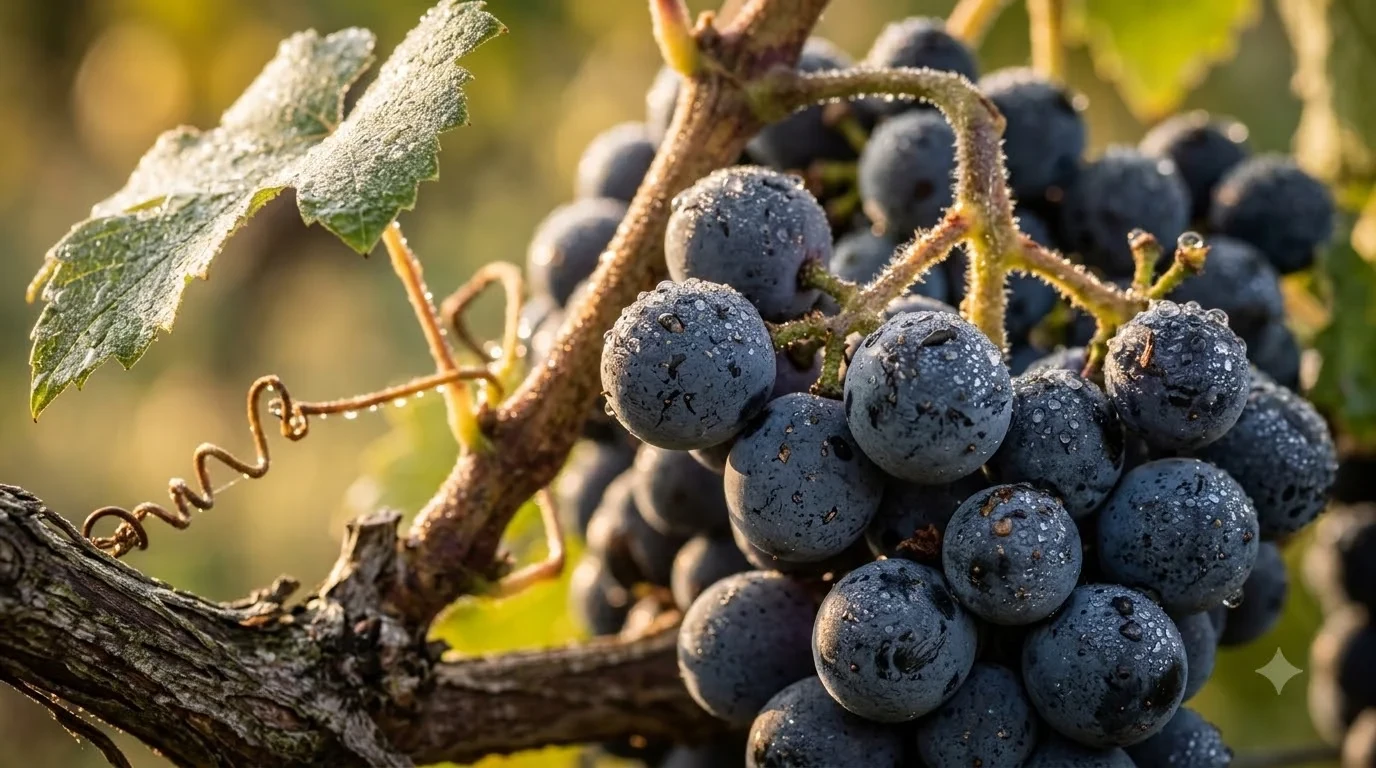
The New Mexico wine region is one of the oldest winemaking areas in North America, with grapes first planted in 1629 near modern Socorro. Today the state has three main American Viticultural Areas, including the Mesilla Valley and the Middle Rio Grande Valley, and it grows both classic vinifera and hybrid varieties. The wines range from fresh whites to structured reds, and the state’s sites are spread across a dry, high-elevation landscape.
This guide explains the region’s history, its main sub-areas, the grapes you are likely to find and how to start tasting. It is written for American readers who see a New Mexico label and want a clear sense of what it means.
A long history in a dry landscape
New Mexico has one of the longest winemaking histories in the country. According to the Wikipedia entry on New Mexico wine, the first recorded plantings were of the Mission grape in 1629, near what is now Socorro in the Middle Rio Grande Valley. The Mission grape is still grown in the state today, which gives the region an unusual link to its past.
The industry grew strongly in the late 1800s. By 1880, the reference data notes that grapes covered more than 3,000 acres, although the same source gives a lower production figure in another section. Prohibition forced many wineries to close, and floods in 1943 destroyed vineyards that had been producing for fifty years. Modern winemaking restarted in the 1970s and 1980s, when La Viña Winery opened in 1977 and St. Clair Winery opened in 1984.
The three main sub-areas
New Mexico’s wine production is organized around three main American Viticultural Areas: the Mesilla Valley AVA, the Middle Rio Grande Valley AVA and the Mimbres Valley AVA. Each area has its own climate, elevation and soil, so the wines from one can taste different from the wines of another.
The Mesilla Valley is in the south of the state, while the Middle Rio Grande Valley runs through the central part of the region near the historic Socorro plantings. The Mimbres Valley is a smaller, more remote area. If you see one of these names on a label, it tells you more about the style than the state name alone.
| Area | Where it is | Why it matters |
|---|---|---|
| Middle Rio Grande Valley AVA | Central New Mexico | Home of the 1629 Mission plantings |
| Mesilla Valley AVA | Southern New Mexico | A major sub-area for many producers |
| Mimbres Valley AVA | Southwestern New Mexico | Smaller and more remote |
Grapes you will find
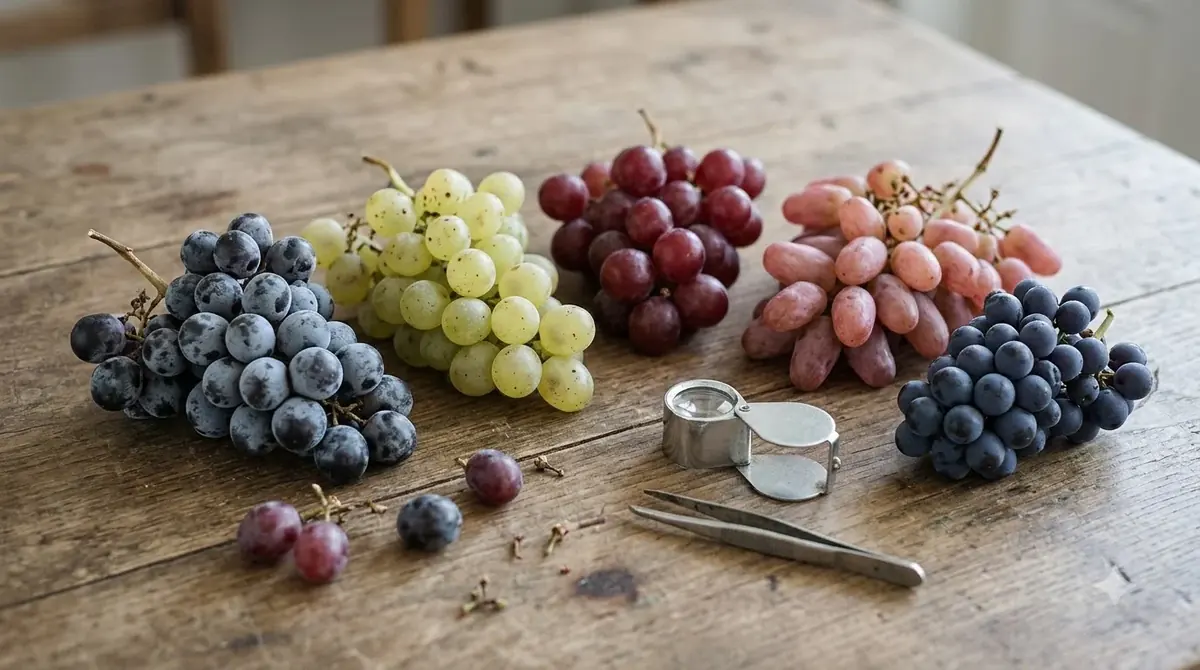
The reference lists a wide mix of grapes. Red vinifera includes Cabernet Sauvignon, Zinfandel, Sangiovese, Pinot noir, Merlot, Syrah and Tempranillo. White vinifera includes Chardonnay, Riesling, Viognier and Sauvignon blanc. Hybrids such as Baco noir, Chambourcin and Vidal blanc are also grown, and they suit the state’s weather patterns.
Cabernet Sauvignon is one of the grapes you are most likely to see on a New Mexico label. Wine Folly’s Cabernet Sauvignon guide describes the grape as dry and full-bodied, with black cherry, black currant, cedar and graphite as its main flavors. It recommends serving Cabernet at 60–68°F (15–20°C), which is a good starting point for a red from this region.
Tip: Hybrid grapes such as Chambourcin and Vidal blanc are less familiar to many buyers, so read the back label for the grape name before you choose. They often show a different character from the classic European varieties.
Scale and the number of wineries
The region is modest in size compared with the major wine states. The reference gives about 1,200 planted vineyard acres and produces around 900,000 US gallons a year. Its wineries are also counted differently across sources: the infobox cites over 42, while the introduction says more than 60. Check a current winery directory before you plan a visit, because the number changes as new producers open. Because the count is still moving, treat any single figure as a snapshot rather than a fixed total.
Smaller production means many bottles are sold close to home. If you are in the state, tasting rooms and local shops are a good place to find wines you cannot buy elsewhere, and staff can often explain which grapes do best in each sub-area.
How to start tasting New Mexico wine
Start with a flight of two or three wines from different producers rather than trying to taste the whole list. Pick one white and one red so you can compare the range. Ask each tasting room which grape the wine is made from and which sub-area it comes from, since those details shape the style.
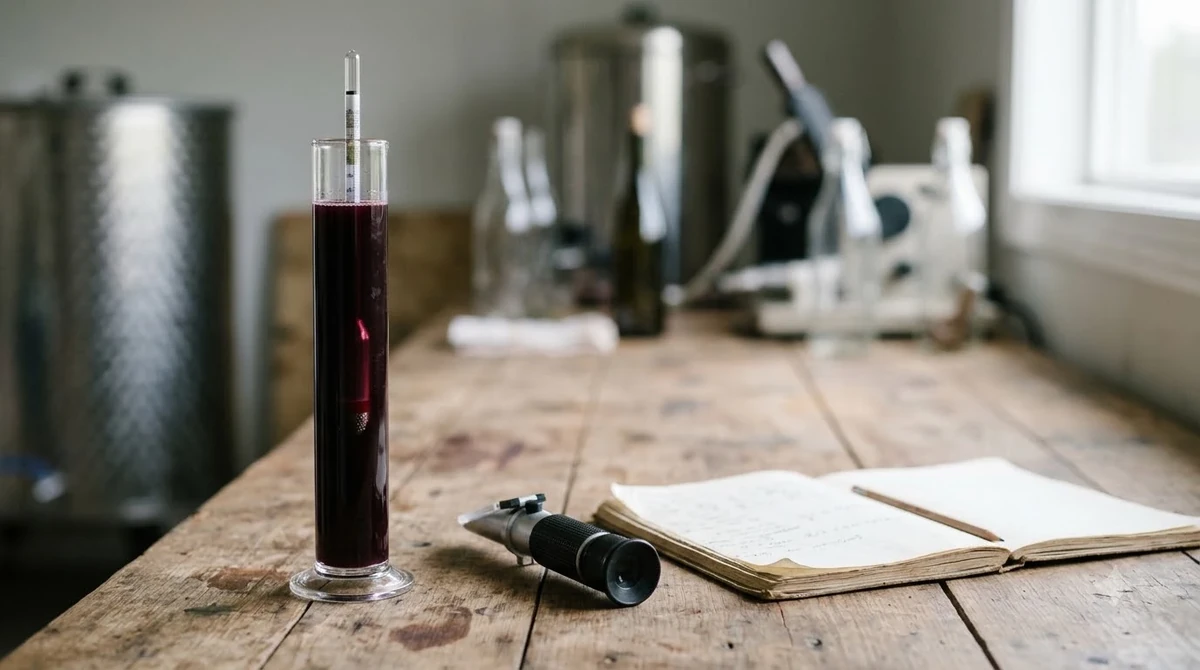
Keep notes on what you like. Many visitors find that a fresh white or a Tempranillo is a good match for warm-weather meals, while a Cabernet or Merlot suits a heavier dinner. Taking a few notes helps you return to a producer you enjoy or ask for a similar bottle at a shop.
Why hybrids matter in the state
Hybrid grapes are a practical part of the state’s wine story. They were developed to handle cold, disease and difficult growing conditions, and they remain useful choices for growers who want a reliable crop. Chambourcin and Vidal blanc are the names you are most likely to see, and they often show a fruity, approachable character.
Hybrids are not a lesser choice, though they do taste different from classic European varieties. A buyer who likes a fresh, lively white or a soft red may find a hybrid more appealing than a formal Cabernet. Trying one of each type helps you understand what the region does well.
Planning a visit to the state’s wineries
Tasting rooms are spread across the state, so plan a route with a few stops rather than trying to cover every producer in one day. Start with the sub-area you are most interested in, whether that is the Mesilla Valley in the south or the Middle Rio Grande Valley near Socorro and Albuquerque. Local staff can suggest the wineries that best match your interest.
Ask each tasting room about its production size and whether it sells bottles in other states. Small producers often sell mainly at the winery, while larger estates may have wider distribution. Keeping a list of the wines you enjoy will help you find them again later.
Frequently Asked Questions
When did New Mexico start making wine?
According to the reference, the first recorded plantings were of the Mission grape in 1629, near what is now Socorro. That makes the region one of the oldest winemaking areas in North America.
What are the main wine areas in New Mexico?
The three main American Viticultural Areas are the Mesilla Valley, the Middle Rio Grande Valley and the Mimbres Valley. Each has a different climate and suits different grapes.
Which grapes grow best in New Mexico?
The region grows many varieties, including Cabernet Sauvignon, Merlot, Syrah, Tempranillo, Chardonnay and Riesling, along with hybrids such as Chambourcin. Results vary by sub-area and producer.
How many wineries are in New Mexico?
Sources give different counts. One part of the reference says over 42 and another says more than 60, so check a current directory before planning visits.
The New Mexico wine region rewards a careful tasting. Compare a white and a red from different sub-areas, and note how each grape shows its character. For a broader view of American wine regions, see our wine regions guide. If you are interested in the festival scene, our pages on the Colorado wine festival and the Arizona wine festival offer useful comparisons for nearby states.
More in Wine Regions
 Willcox Wine Trail: Discover Arizona’s High-Elevation Wine CountryUpdated Nov 20, 2026
 Yakima Valley Wine Region: Find the Best Styles to TryUpdated Nov 20, 2026
 Vosne Romanee Wine Tasting: Identify Aromas and Choose Better PairingsUpdated Nov 20, 2026
 Yakima Valley Wine Festival: Find the Best Seasonal Wine EventsUpdated Nov 20, 2026
 Wales Vineyards: Discover Cool-Climate Wines and Where to VisitUpdated Nov 20, 2026
 Yountville Wine Festival: Discover Napa Wines and Local FoodUpdated Nov 20, 2026