

We may earn a commission when you buy through links on this page, at no extra cost to you. Learn more.
The new jersey wine region is a diverse Mid-Atlantic wine area with four American Viticultural Areas (AVAs), ranging from the sandy, maritime Outer Coastal Plain to the cooler river valleys of Warren Hills. Its wineries make Cabernet Franc, Chardonnay, Riesling, Pinot Noir, Chambourcin, and a broad range of other wines from European grapes and French-American hybrids. The best way to understand the state is to compare its AVAs, then taste wines from more than one part of the Garden State.
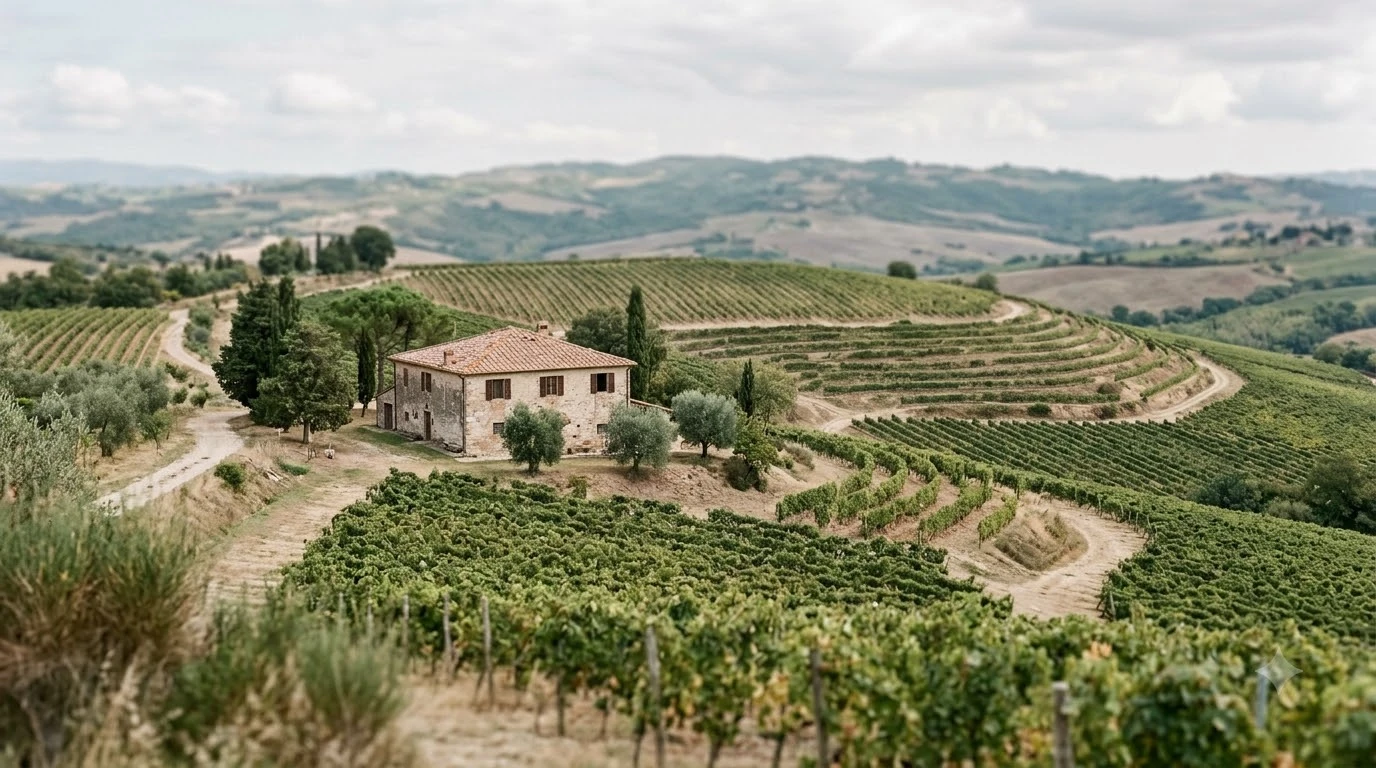
New Jersey’s wine identity is built on variety rather than one signature grape. Southern vineyards benefit from a long, relatively warm growing season and sandy soils, while vineyards in the northwest face cooler nights, hills, and a shorter season. That range gives visitors a reason to explore New Jersey wine country as a collection of distinct local growing areas instead of a single tasting style.
New Jersey’s Wine Identity Is Defined by Four Appellations
New Jersey has four federally recognized American Viticultural Areas, or AVAs: Central Delaware Valley, Warren Hills, Outer Coastal Plain, and Cape May Peninsula. Each name describes a place with recognizable growing conditions, not a promise that every wine from the area will taste alike.
An AVA is a geographic designation based on distinguishing features such as climate, soil, elevation, and local winegrowing history. The state’s four areas span the Delaware River border near Philadelphia, the northwestern hills, the broad southeastern plain, and the Cape May peninsula. For readers learning how an appellation fits into the broader system of Wine Regions, New Jersey is a useful example of how one state can contain several different vineyard environments.
The four designations also have different approval dates. Central Delaware Valley was recognized in 1984, Warren Hills in 1988, Outer Coastal Plain in 2007, and Cape May Peninsula in 2018. Cape May Peninsula is a sub-AVA wholly contained inside the larger Outer Coastal Plain AVA, so the map includes four named AVAs but only three separate broad geographic areas.
| AVA | Recognition | Geography and growing signature | Grapes to look for |
|---|---|---|---|
| Central Delaware Valley | 1984 | Delaware River corridor north of Philadelphia; about 96,000 total acres and 55 planted | Chardonnay, Riesling, Cabernet Sauvignon, Delaware, Chambourcin |
| Warren Hills | 1988 | Northwestern New Jersey; river valleys, hills, and elevations from about 160 to 1,560 feet | Cabernet Franc, Chambourcin, Chardonnay, Riesling |
| Outer Coastal Plain | 2007 | Southeastern plain across nine counties; sandy loam and maritime moderation | Cabernet Franc, Merlot, Syrah, Chardonnay, Albariño |
| Cape May Peninsula | 2018 | Southern peninsula within the Outer Coastal Plain; long, frost-moderated growing season | Albariño, Sauvignon Blanc, Cabernet Sauvignon, Merlot |
The dates and boundaries matter because the place-name on a bottle can tell you more than the state name alone. Wine Enthusiast describes the Central Delaware Valley as a cool continental river corridor with gravelly, silty, and shale-based loam; its 96,000 acres include only about 55 acres planted to vines. Local wines include Chardonnay, Riesling, Cabernet Sauvignon, the native Delaware grape, and cold-hardy hybrids such as Chambourcin and Vidal Blanc. A wine labeled Warren Hills points toward a cooler northwestern environment, while Outer Coastal Plain suggests the warmer, well-drained south. The Central Delaware Valley designation crosses the New Jersey–Pennsylvania line, an important reminder that growing regions do not stop at state borders.
Climate and Soil Shape the Northern and Southern Styles
The strongest contrast is between the long growing season in the south and the cooler, more varied terrain in the northwest. The Atlantic Ocean and Delaware Bay moderate temperatures across the Outer Coastal Plain, while rivers, slopes, and elevation influence vineyard conditions in Warren Hills.

The Outer Coastal Plain covers more than 2.25 million acres, according to the Garden State Wine Growers Association, and reaches across parts of nine southern counties. Much of the land is flat or gently rolling, with well-drained sandy loam. The Atlantic and Delaware Bay soften temperature swings, and the association describes a growing season of roughly 190 to 217 days. Cape May Peninsula has the state’s most frost-free days and longest growing season, helped by water surrounding the peninsula and cooling coastal breezes.
Warren Hills is different: the AVA covers about 182,000 acres in Warren County, rising from roughly 160 feet along the Delaware River to 1,560 feet on Kittatinny Mountain. Sandy loam, sedimentary bedrock, glacial material, and limestone create varied sites, while its growing season is about 180 days. River valleys can moderate airflow and spring frost; Wine Enthusiast describes morning fog and day-to-night temperature variation that suit Pinot Noir, Chardonnay, and Cabernet Franc. Spring frosts and early fall freezes still make harvest less predictable than in the coastal south.
Grapes and Wine Styles Range From Cabernet Franc to Chambourcin
New Jersey does not depend on one flagship grape. European varieties, French-American hybrids, and native grapes all have a place, with choices shaped by frost risk, heat, drainage, and the length of the growing season.
Cabernet Franc is one of the most useful grapes to seek out because it appears in both northern and southern vineyards. It can make a medium-bodied red with red cherry, raspberry, herbal, and savory notes, and often ripens more reliably in the Mid-Atlantic than later-ripening Cabernet Sauvignon. Look for it on its own in Warren Hills or in southern blends with Merlot, Cabernet Sauvignon, and Petit Verdot. Chardonnay is also widely planted; cooler, restrained versions lean toward apple, pear, and citrus, while fuller examples may gain texture from barrel fermentation or lees contact.
Riesling suits cooler northern sites, where its high acidity can support dry, off-dry, or sweeter bottlings. Pinot Noir can show freshness in Warren Hills, though its ripening is less predictable. In the south, varieties such as Merlot, Syrah, Albariño, Sauvignon Blanc, Petit Manseng, Sangiovese, and Barbera broaden the choice. Hybrids are central to the picture too: Chambourcin is a notable red, while Vidal Blanc, Vignoles, Seyval Blanc, Traminette, and Cayuga are among the whites and aromatics. A good first flight is Cabernet Franc, Chambourcin, Chardonnay, and Riesling or Traminette; it lets you compare different grapes and growing strategies without assuming the state has one house style.
Producers Offer Different Ways to Taste the State
A few wineries make the regional map easier to understand, but the best visit depends on the wines and setting you want to compare. Northern estates are useful for cool-climate reds and hybrids, while southern producers offer a closer look at Bordeaux grapes and coastal growing conditions.
In Warren Hills, Alba Vineyard is a reference point for Cabernet Franc, Pinot Noir, Chardonnay, and hybrid varieties. Wine Enthusiast’s Warren Hills profile describes its Cabernet Franc as a wine that surprised tasters who assumed it came from outside New Jersey, and identifies Chambourcin and Cabernet Franc among the AVA’s leading reds, with Chardonnay and Riesling prominent in whites and rosés. Brook Hollow Winery, Four Sisters Winery, and Villa Milagro Vineyards are other Warren-area names highlighted by the Garden State Wine Growers Association; the association points to Vidal Blanc and Seyval Blanc as hybrids that can show finesse when grown and handled thoughtfully.
Further south, names to know include William Heritage Winery in Mullica Hill, Sharrott Winery in Hammonton, Hawk Haven Vineyard in the Cape May area, and Cape May Winery. Each tasting room has its own lineup and visitor policies, so check current hours, tasting formats, reservation requirements, and whether the style you want is being poured. Ask for one wine that represents the estate’s site and another that shows a less familiar grape; questions about oak use, residual sweetness, and whether a hybrid is bottled alone or blended can make a flight more informative. The New Jersey Department of Agriculture’s wine overview also outlines the four AVAs and the state’s broad grape selection.
Wine Trails Make Winery Visits Easier to Plan
New Jersey’s trail network groups tasting rooms by area, making it easier to plan a day around nearby vineyards instead of driving from one end of the state to the other. The Garden State Wine Growers Association lists regional routes and themed statewide weekends.
The Cape May Wine Trail is a natural starting point for visitors staying near the shore. The association lists seven wineries in the area: Cape May Winery, G&W Winery, Hawk Haven Vineyard, Jessie Creek Winery, Natali Vineyards, Turdo Vineyards, and Willow Creek Winery. The peninsula combines beaches and restaurants with vineyard stops, and its long season supports a wide selection of varieties. For a northern itinerary, the Hunterdon County Wine Trail connects Beneduce Vineyards and Mount Salem Vineyards in Pittstown with Old York Cellars and Unionville Vineyards in Ringoes; Vintage North Jersey brings together ten wineries across Sussex, Warren, Hunterdon, and Mercer counties.
Southern options include the Two Bridges Wine Trail in Gloucester and Salem counties, the Wine & Ale Trail around Hammonton, and the Monmouth-Ocean County Wine Trail, which links 4JG’s Winery, Fox Hollow Vineyards, Cream Ridge Winery, and Laurita Winery. Choose one cluster rather than trying to fit distant destinations into the same afternoon. Use the New Jersey wine trail guide to shortlist stops, then confirm hours, reservations, food service, and event participation directly with each winery.
A relaxed day usually means two tasting rooms and a meal, with time to ask questions at each estate. Pick a base such as Cape May, Hammonton, Pittstown, or Ringoes and keep the drive radius tight. Arrange a designated driver or other transportation before tasting, share flights rather than treating every stop as a full glass, and record the producer, grape, vintage, and one or two impressions so you can identify favorite bottles later.
Buying, Serving, and Pairing New Jersey Wines
Start with the grape and the style rather than assuming that every New Jersey wine is sweet or every red is full-bodied. Most wineries offer a mix of dry and sweeter wines, so the producer’s description can help you decide whether a bottle is meant for seafood, grilled meat, cheese, or dessert.
Cabernet Franc is a versatile first red: its medium weight and savory character work with roast chicken, grilled pork, mushrooms, and tomato-based dishes. Merlot is softer and can suit burgers or braised short ribs, while Pinot Noir’s lower-to-medium tannin and bright acidity pair well with roast poultry and salmon. Avoid serving tannic reds with oily fish, which can make the wine seem harsher. Salt and fat soften tannin, so aged cheddar or a grilled burger can make a Cabernet Franc feel more balanced.
For whites, match acidity to the food. Riesling and Sauvignon Blanc have high acidity and can stand up to lemon, vinegar, and herb sauces; Chardonnay has medium acidity and suits roast chicken, creamy pasta, and grilled vegetables. Albariño’s citrus and saline character can complement shellfish, while a dry Vidal Blanc is a useful alternative with simple seafood. Sweetness matters too: a wine should be at least as sweet as the dessert, or it may taste thin or sour. A fruit-forward off-dry white can work with spicy food, but chili heat is amplified by alcohol and tannin.
Serve whites and rosés around 45 to 50 degrees Fahrenheit, fuller whites around 50 to 55 degrees, and lighter reds around 55 to 60 degrees. Full-bodied reds generally show better around 60 to 65 degrees than at a warm room temperature. A standard pour is about 5 ounces, and a 750-milliliter bottle provides roughly five glasses. Store bottles on their sides in a cool place near 55 degrees, away from direct sunlight and large temperature swings.
Tip: Buy one bottle that represents the AVA and one that represents the producer’s personal style. Compare them at a similar serving temperature; temperature can change how fruit, acidity, and tannin come across.
Frequently Asked Questions
These answers cover label rules, grape diversity, and a few details that can be easy to miss when comparing local wines.
How much of a wine must come from an AVA to use its name?
At least 85 percent of the grapes must come from within the named AVA for that designation to appear on the label. The rule applies to American Viticultural Areas generally, not only New Jersey.
How many grape varieties are grown in New Jersey?
The New Jersey Department of Agriculture describes more than 40 varieties growing in the state. That total spans international grapes, French-American hybrids, and native American vines, which helps explain the diversity of tasting flights.
Does New Jersey make wine from fruit other than grapes?
Yes. The state agriculture department lists wines made from apple, blackberry, blueberry, cranberry, cherry, plum, raspberry, and strawberry. Some wineries also offer port, ice wine, sparkling wine, and sangria.
Has a New Jersey winery earned a high score in a state competition?
Sharrott Winery in Hammonton received a score of 95 for its 2018 Merlot in the New Jersey Wine Competition, earning the Best Red Wine Governor’s Cup and Best in Show honors reported by the Garden State Wine Growers Association. The result is a notable example of a southern New Jersey dry red.
Is every winery in Hunterdon County part of the Warren Hills AVA?
No. Hunterdon County sits just below Warren Hills and is not part of that AVA or another current AVA, according to the Garden State Wine Growers Association. Some vineyards there share the Delaware River’s influence, but the county is outside the appellation boundary.
New Jersey rewards curious drinkers who compare places rather than make assumptions about the state’s wines. Start with a Cabernet Franc, a hybrid such as Chambourcin or Vidal Blanc, and a fresh white from a coastal or river-valley producer; a focused visit to one wine-trail cluster can reveal how much the state’s four AVAs have in common—and how much they differ.
More in Wine Regions
 Willcox Wine Trail: Discover Arizona’s High-Elevation Wine CountryUpdated Nov 20, 2026
 Yakima Valley Wine Region: Find the Best Styles to TryUpdated Nov 20, 2026
 Vosne Romanee Wine Tasting: Identify Aromas and Choose Better PairingsUpdated Nov 20, 2026
 Yakima Valley Wine Festival: Find the Best Seasonal Wine EventsUpdated Nov 20, 2026
 Wales Vineyards: Discover Cool-Climate Wines and Where to VisitUpdated Nov 20, 2026
 Yountville Wine Festival: Discover Napa Wines and Local FoodUpdated Nov 20, 2026