

We may earn a commission when you buy through links on this page, at no extra cost to you. Learn more.
The documented nero d avola history begins in southeastern Sicily around the coastal town of Avola, with written records mentioning the vine as early as 1696. Long known locally as Calabrese, the grape spent centuries providing dark color and body to bulk blending wines before visionary Sicilian estates bottled it as a flagship varietal in the late twentieth century. Today, it stands as Sicily’s premier indigenous red grape, celebrated for balancing ripe dark fruit with savory Mediterranean character.
Understanding how this sun-loving grape rose from an anonymous blending workhorse to an international cellar staple reveals much about modern Italian winemaking. Across centuries of shifting trade routes, agricultural reforms, and cellar innovations, Sicilian growers transformed a regional staple into one of Italy’s most recognizable red wines.
Ancient Roots and the Name Behind the Grape
Nero d’Avola takes its modern name directly from Avola, a historic town situated near Syracuse on the southeastern tip of Sicily. The Italian phrase translates literally to “Black of Avola,” a fitting tribute to the grape’s deeply pigmented skins and inky juice.
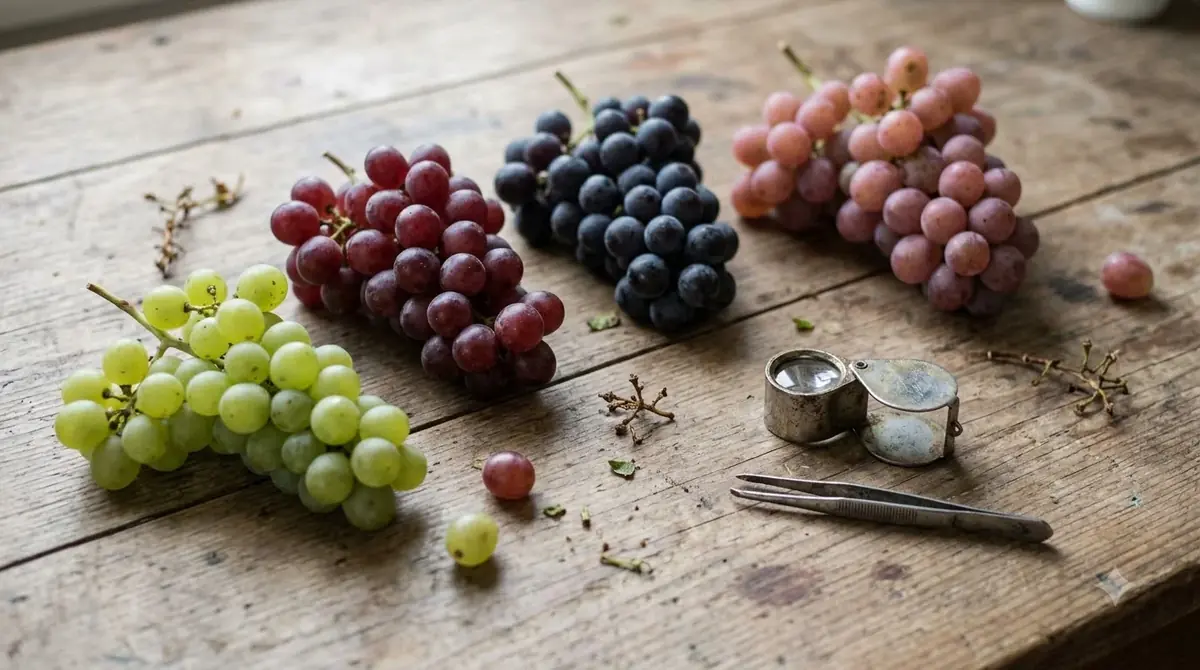
While the vine’s exact arrival on the island predates formal ampelography, historical accounts tie its early cultivation to ancient Mediterranean trade. Greek and Phoenician seafarers established thriving coastal settlements across eastern Sicily in antiquity, introducing viticultural practices—including the low-lying bush-vine training method known locally as alberello—that allowed vines to survive scorching summers. Over the ensuing centuries, the grape adapted to the limestone soils and intense sunlight of the Val di Noto, earning a reputation among local farmers for resilience and generous yields.
For much of its past, the grape was widely called Calabrese rather than Nero d’Avola. Although many assumed this synonym pointed to mainland Calabria across the Strait of Messina, wine historians note that the term is actually an Italianized form of the Sicilian dialect phrase calavrisi or calaulisi, meaning “grape from Avola”. If you are brushing up on how to pronounce nero d avola, knowing this regional dialect background makes the traditional Italian phrasing much easier to remember. The first explicit written mention of the variety appeared in 1696 in the botanical works of Sicilian naturalist Francesco Cupani, cementing its documented place in the island’s agricultural record.
From Blending Workhorse to Single-Varietal Star
Before the late twentieth century, very few consumers outside Sicily ever saw the grape’s name printed on a front label. Instead, Nero d’Avola served primarily as a structural backbone sent north to bolster lighter-bodied wines across mainland Italy and France.
Because Sicily’s warm, arid climate reliably ripened the fruit to high sugar levels, growers harvested dense, deeply colored grapes prized for adding alcohol, extract, and dark hue to paler blends. During the mid-twentieth century, Sicilian viticulture focused heavily on volume rather than estate-bottled identity. Prior to the major vineyard restructuring that occurred between 1955 and 1960, southeastern Sicily was officially zoned around its two dominant red varieties—Nero d’Avola and Frappato—spanning the provinces of Syracuse and Ragusa. Even then, much of the harvest left the island in bulk tankers rather than finished bottles.
A decisive turning point arrived in the 1980s and 1990s when a new generation of Sicilian winemakers began prioritizing quality over quantity. According to Wine Folly’s comprehensive guide to Nero d’Avola, pioneering estates including Planeta, COS, Curto, and Donnafugata championed single-varietal bottlings in the late 1990s, proving the grape could stand proudly on its own. By lowering vineyard yields, harvesting at balanced ripeness, and refining cellar aging, these producers shifted global perception and sparked widespread plantings across the entire island.
Historical Milestones of Nero d’Avola
Tracing the evolution of Sicily’s signature red shows how geography, agricultural policy, and winemaking philosophy intersected over three centuries. Each era reshaped how the grape was grown, named, and enjoyed at the table.
| Era / Period | Key Development | Impact on Nero d’Avola |
|---|---|---|
| Antiquity | Greek and Phoenician settlers expand coastal viticulture in southeastern Sicily | Establishes drought-tolerant bush-vine training suited to hot Sicilian summers |
| 1696 | First documented botanical reference recorded in Sicily | Formally identifies the indigenous grape under its traditional dialect synonym |
| 19th – Mid-20th Century | Expansion of bulk wine trade to northern Italy and Europe | Positions the grape as an indispensable blending wine for color and structure |
| 1955 – 1960 | Post-war Sicilian vineyard zoning and restructuring | Recognizes the Syracuse and Ragusa zone specifically for Nero d’Avola and Frappato |
| 1980s – 1990s | Quality revolution led by estates like Planeta, COS, Curto, and Donnafugata | Launches acclaimed single-varietal bottlings and introduces modern oak and amphora aging |
| 21st Century | Expansion across Sicily and international plantings in Australia and California | Establishes two distinct expressions: fresh unoaked reds and cellar-worthy reserve styles |
This progression mirrors the broader renaissance of southern Italian wine over the past forty years. Rather than uprooting indigenous vines in favor of international varieties during late-twentieth-century European agricultural subsidy programs, committed Sicilian growers doubled down on their native heritage. Today, readers exploring Wine by Type will find Nero d’Avola categorized alongside major full-bodied reds rather than relegated to regional obscurity.
Flavor Evolution and Modern Winemaking Styles
As winemaking techniques matured in Sicily, the sensory profile of Nero d’Avola split into two compelling stylistic camps. Understanding both styles helps explain why the grape appeals equally to fans of vibrant, food-friendly reds and collectors seeking structured cellar bottles.
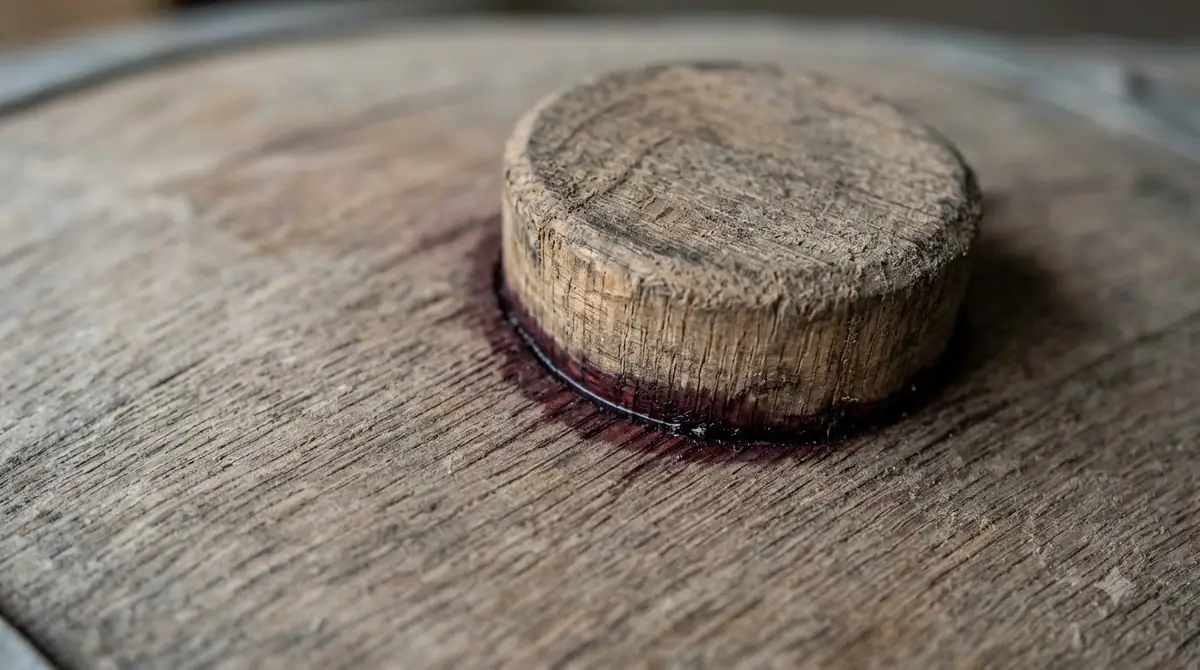
Early modern bottlings in the 1990s often leaned toward maximum ripeness and generous French oak aging, emphasizing plush dark fruit, sweet spice, and dense tannins. While those powerful expressions helped put Sicily on the international map, contemporary producers have increasingly favored earlier harvests and gentler extraction to preserve natural freshness. When exploring what is nero d avola across modern wine lists, you will encounter both youthful, stainless-steel-fermented versions bursting with red cherry and herbal lift, alongside richer oak-matured bottlings built for decade-long aging.
Across both interpretations, certain varietal signatures remain unmistakable. Reviewers at Wine Folly highlight core aromas of black cherry, black plum, licorice, tobacco, and a subtle hint of chili pepper. Typical alcohol levels fall between 13.5% and 15% ABV, supported by medium-high tannins and lively medium to medium-high acidity that keeps the wine from feeling heavy on the palate. If you want a deeper breakdown of how soil and oak influence these aromas, check out our guide to nero d avola tasting notes.
Tip: Serve Nero d’Avola slightly below room temperature at 60–68°F (15–20°C) in an oversized red wine glass, and decant younger oak-aged bottles for about an hour to soften their tannins.
Where Nero d’Avola Grows Today
Although its historical heartland remains the limestone plains and coastal hills of southeastern Sicily around Avola, Noto, Pachino, and Ragusa, the grape now thrives across nearly every wine-growing province on the island. Different microclimates and elevations bring out distinct nuances in the finished wine.
In the warm, sun-drenched south and southeast, vineyards rooted in white calcareous soils yield concentrated, velvety reds brimming with ripe plum, cocoa, and Mediterranean scrub. Moving inland and upward into higher elevations around Caltanissetta and Agrigento, cooler nighttime temperatures slow ripening and accentuate bright acidity, violet aromatics, and savory herbal notes. In southeastern Ragusa, Nero d’Avola also plays a starring role in Cerasuolo di Vittoria—Sicily’s prestigious DOCG blend—where it is paired with the lighter, floral Frappato grape to create an aromatic, silky red.
Beyond Italian borders, the grape’s natural heat tolerance has attracted adventurous growers in other warm-climate regions. Small but dedicated plantings have taken root in South Australia—particularly in McLaren Vale and the Riverland—as well as dry-farmed pockets of Mendocino, California, where winemakers value its ability to retain refreshing acidity under intense summer sun.
Frequently Asked Questions
Where did Nero d’Avola originate?
Nero d’Avola is indigenous to the Italian island of Sicily, taking its name from the southeastern coastal town of Avola near Syracuse. While its vines likely arrived in antiquity via Greek and Phoenician maritime trade, the first explicit written mention of the variety dates to 1696 in Sicilian botanical records.
Why was Nero d’Avola historically called Calabrese?
Despite sounding like a reference to the mainland region of Calabria, the synonym Calabrese actually stems from the Sicilian dialect phrase calavrisi, which translates to “grape from Avola”. Growers and merchants used the name for centuries before the modern designation Nero d’Avola became standard on wine labels.
When did Nero d’Avola become popular as a single-varietal wine?
For much of the nineteenth and twentieth centuries, Nero d’Avola was exported primarily in bulk to add color and body to northern Italian and French blends. It gained international recognition as a standalone varietal wine during the 1980s and 1990s when quality-focused Sicilian estates began lowering yields and bottling single-varietal expressions.
How does modern Nero d’Avola differ from older styles?
Early modern single-varietal bottlings in the 1990s emphasized ultra-ripe fruit and heavy new oak aging. Today, many Sicilian winemakers harvest slightly earlier and use neutral vessels, large casks, or amphorae to highlight vibrant red and black fruit, lively acidity, and saline minerality.
From an ancient coastal vine prized by Mediterranean seafarers to the undisputed flagship red of modern Sicily, Nero d’Avola has earned its place among Italy’s great indigenous grapes. Whether poured as a bright, unoaked table red or cellared as a structured reserve bottling, every glass reflects centuries of Sicilian resilience and viticultural craft.
More in Wine Types & Grapes
 What Does Mourvèdre Taste Like? Flavor Profile, Regions, and PairingsUpdated Nov 20, 2026
 What Does Marsanne Taste Like? Flavors, Styles, and Food PairingsUpdated Nov 20, 2026
 What Does Malvasia Taste Like? Styles, Flavors, and Food PairingsUpdated Nov 20, 2026
 What Does Grenache Blanc Taste Like? Flavor Profile, Styles, and PairingsUpdated Nov 20, 2026
 What Does Garnacha Taste Like? Key Flavors, Styles, and Pairing TipsUpdated Nov 20, 2026
 What Does Fruit Wine Taste Like? A Complete Flavor and Style BreakdownUpdated Nov 20, 2026