

We may earn a commission when you buy through links on this page, at no extra cost to you. Learn more.
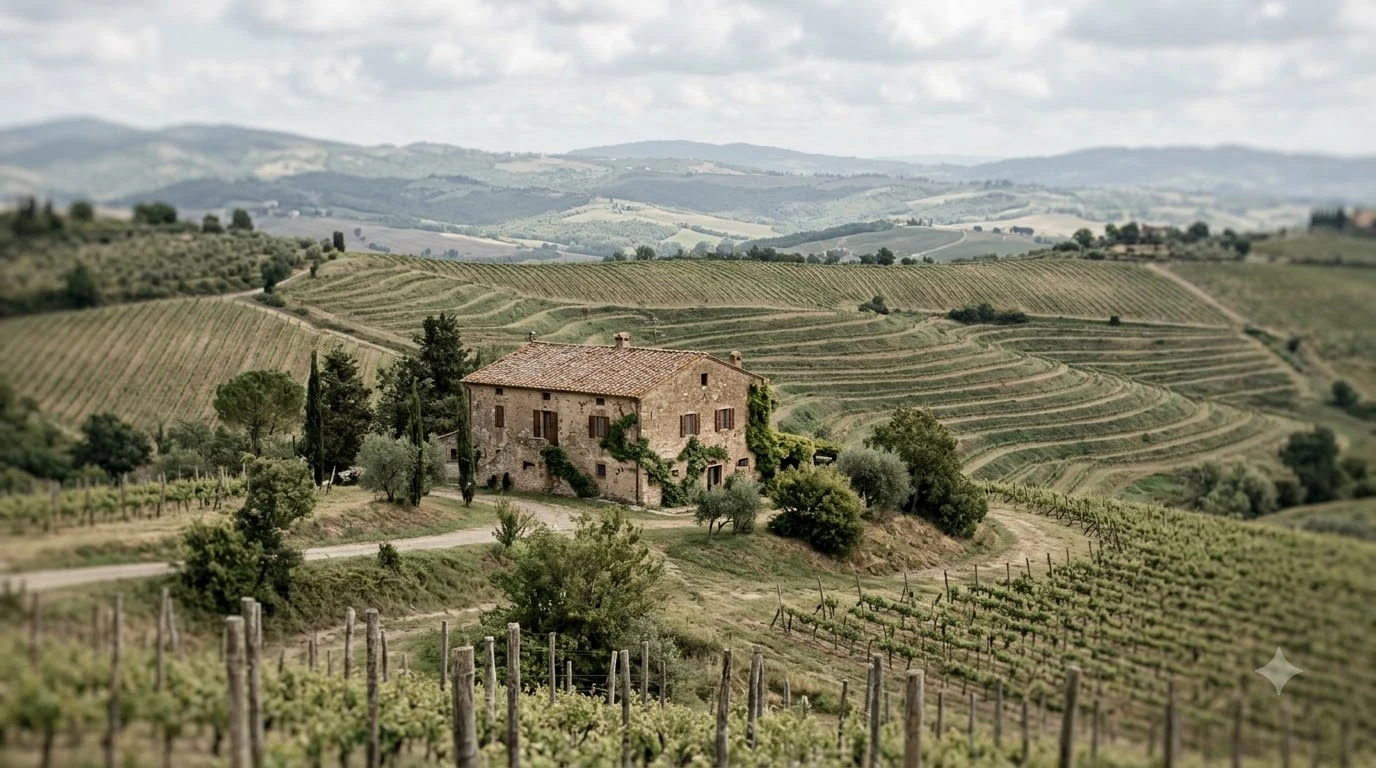
Nashik wine tasting offers visitors an opportunity to explore India’s leading wine-producing region through vineyard walks, guided winery tours, and tastings of locally produced red, white, rosé, and sparkling wines. Located in Maharashtra, Nashik combines elevated vineyards, distinctive seasonal growing conditions, and established producers such as Sula Vineyards and Grover Zampa. Visitors can explore production facilities, learn how Indian wines are made, and enjoy regional food alongside their glasses. A well-planned visit can include two wineries, a leisurely lunch, and time to appreciate the surrounding countryside.
Indian wine has developed a distinctive identity, and Nashik is an excellent place to understand how that industry works. Its vineyards are spread across a landscape of hills, agricultural valleys, and grape-growing communities, with wineries offering different approaches to hospitality and wine education. Whether you are a curious beginner or an experienced wine enthusiast, understanding the region’s geography, producers, seasonal calendar, and tasting opportunities will help you plan a more rewarding visit.
Why Nashik Is India’s Leading Wine Destination
Nashik has become closely associated with Indian wine because of its established grape-growing industry, favorable vineyard conditions, and concentration of commercial wineries. Its location in Maharashtra also makes it accessible to travelers exploring western India, particularly those coming from Mumbai and Pune.
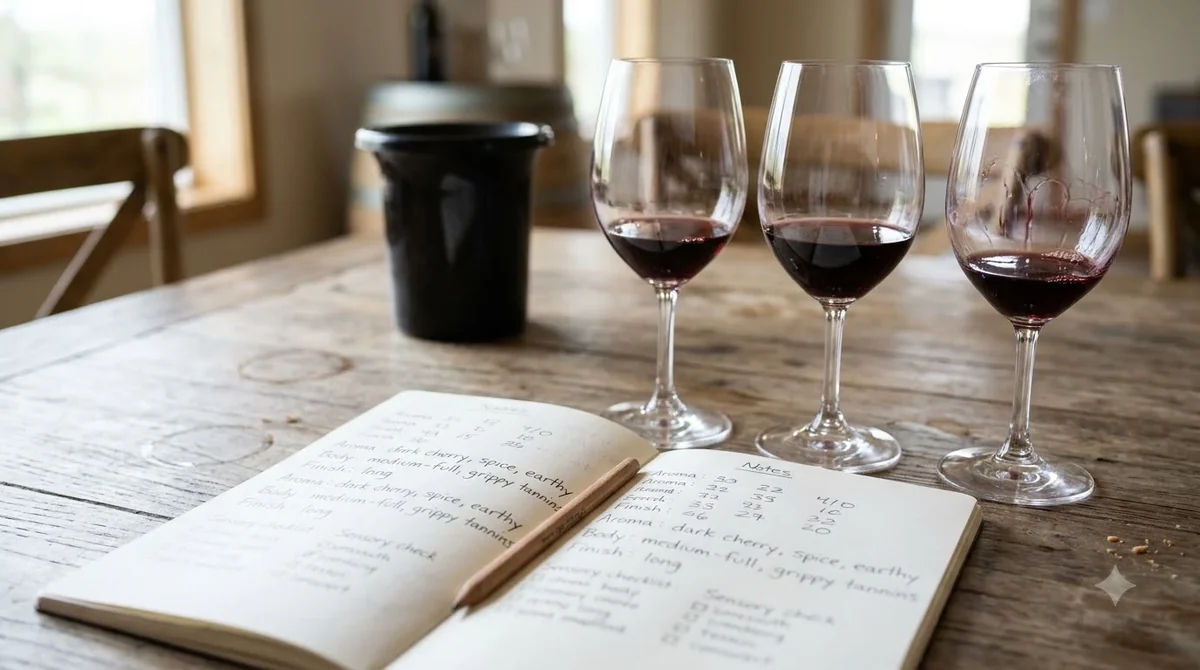
The region’s elevation is an important part of its identity. According to Decanter’s introduction to Indian wine, Nashik sits at approximately 670 meters above sea level. This altitude provides cooler growing-season temperatures than those found in many lower-lying parts of the country. Cooler conditions help grapes retain acidity, which contributes to freshness and balance in finished wines. That characteristic is particularly valuable when producing aromatic whites and wines intended for warm-weather drinking.
Nashik’s climate also reflects the broader seasonal pattern of Indian viticulture. The region experiences wet summer months associated with the monsoon and a cooler, drier winter growing period. Vineyard management must account for these conditions, including rainfall, temperature changes, pruning schedules, and the timing of grape development. These factors influence how individual wineries select vineyard sites and manage their fruit.
The National Horticulture Board identifies Nashik as an important grape-growing center, with Niphad and Dindori together contributing approximately 80 percent of the district’s grape production. Other important agricultural areas include Igatpuri, Sinnar, Yeola, and Nashik taluka. This agricultural foundation helps explain why wine tourism has developed around the district rather than being confined to a single estate.
Nashik also has geographical recognition for its agricultural identity. Nashik Valley Wine received geographical indication status in 2008, followed by Nashik grapes in 2010. These designations distinguish products associated with the region and reinforce its importance in Maharashtra’s grape-growing economy.
The modern Indian wine industry developed through entrepreneurial investment and experimentation. WSET traces its contemporary foundations to the activities of pioneering producers during the 1980s, while Maharashtra’s introduction of a state wine policy in 2001 helped encourage further winery development. Nashik subsequently became an important destination for both wine production and visitor experiences.
For travelers, this history makes a vineyard visit more interesting than a simple tasting appointment. You can see how an agricultural region developed a recognizable wine identity and how producers adapted winemaking to India’s seasonal conditions.
Best Wineries to Visit Around Nashik
Nashik has several winery experiences, but Sula Vineyards and Grover Zampa are useful starting points for visitors seeking organized tours and guided tastings. Their experiences differ in setting and presentation, so choosing between them depends on whether you prefer a larger hospitality destination or a more production-focused winery visit.
Sula Vineyards is one of the best-known names associated with Indian wine tourism. Its Nashik property combines vineyards, guided tastings, cellar visits, and estate dining. Visitors can explore cellar spaces, bottling lines, and barrel rooms before participating in a tasting led by the winery’s team. The estate also offers a vineyard walk that introduces guests to grape varieties, cultivation, and the seasonal character of the property.
Sula is particularly suitable for visitors who want several activities in one location. The Rasa Restaurant serves contemporary Indian and Italian food with vineyard views, while the Starlight Terrace offers an outdoor dining setting overlooking the estate. Its tasting room balcony provides another opportunity to enjoy wine while looking across the vineyard rows.
Grover Zampa Vineyards offers a guided Nashik Valley experience at Sanjegaon, in the Igatpuri taluka. Its itinerary introduces visitors to vineyard cultivation, grape reception, winery operations, and barrel aging before concluding with a guided tasting. The producer’s official Nashik Valley winery tour information describes the experience and provides scheduled tour details.
Grover Zampa is particularly interesting for people who want to understand the technical side of wine production. Visitors can learn about the processes involved in making red, white, rosé, and sparkling wines. The barrel room also provides an opportunity to see imported oak barrels used for aging premium wines.
Other producers and wine-related hospitality businesses contribute to Nashik’s broader wine-tourism scene. However, not every property offers the same combination of public tours, tastings, restaurant facilities, or accommodation. It is sensible to identify your preferred experience before planning a route rather than assuming every winery operates like a large visitor center.
For a first visit, consider choosing one winery with a comprehensive guided experience and another with a different tasting or dining atmosphere. This approach creates a useful comparison without making the day feel rushed.
Grape Varieties and Wine Styles to Discover
Nashik’s wine scene includes international grape varieties and Indian-grown grapes, with producers offering white, red, rosé, and sparkling styles. Understanding the main categories before arriving makes it easier to compare wines and identify the differences between vineyard fruit, winemaking decisions, and finished wine character.
White wines are an excellent starting point for a regional tasting. Sauvignon Blanc is particularly interesting because its naturally high acidity can produce a refreshing style with citrus, green fruit, and herbal characteristics. Chardonnay offers a different experience, with medium acidity and the possibility of richer textures or oak-related flavors depending on the winemaking approach.
Visitors interested in red wines can compare Cabernet Sauvignon, Merlot, and Syrah when available in a producer’s tasting selection. Cabernet Sauvignon typically has high tannin, making it useful for understanding structure and grip. Merlot usually has softer, medium tannin, while Syrah can produce medium-plus to high tannin and darker fruit characteristics.
Rosé provides another useful comparison. Its color and structure depend on grape selection and production methods, but it often works particularly well in warm weather. A fresh rosé can demonstrate how producers balance fruit character and acidity without making a wine as substantial as a full-bodied red.
Sparkling wine deserves attention, too. Comparing a traditional-method sparkling wine with a tank-method sparkling wine can reveal how fermentation choices influence texture and flavor. The traditional method involves a second fermentation in the bottle, while the tank method conducts the second fermentation in a pressurized tank.
India also has a substantial table-grape industry, and Nashik is particularly important in that agricultural sector. According to the National Horticulture Board, varieties grown in the district include Thompson Seedless, Sonaka, Sharad Seedless, and Tas-e-Ganesh. These grapes are associated with fresh-fruit production and should not automatically be confused with the wine grapes featured in winery tastings.
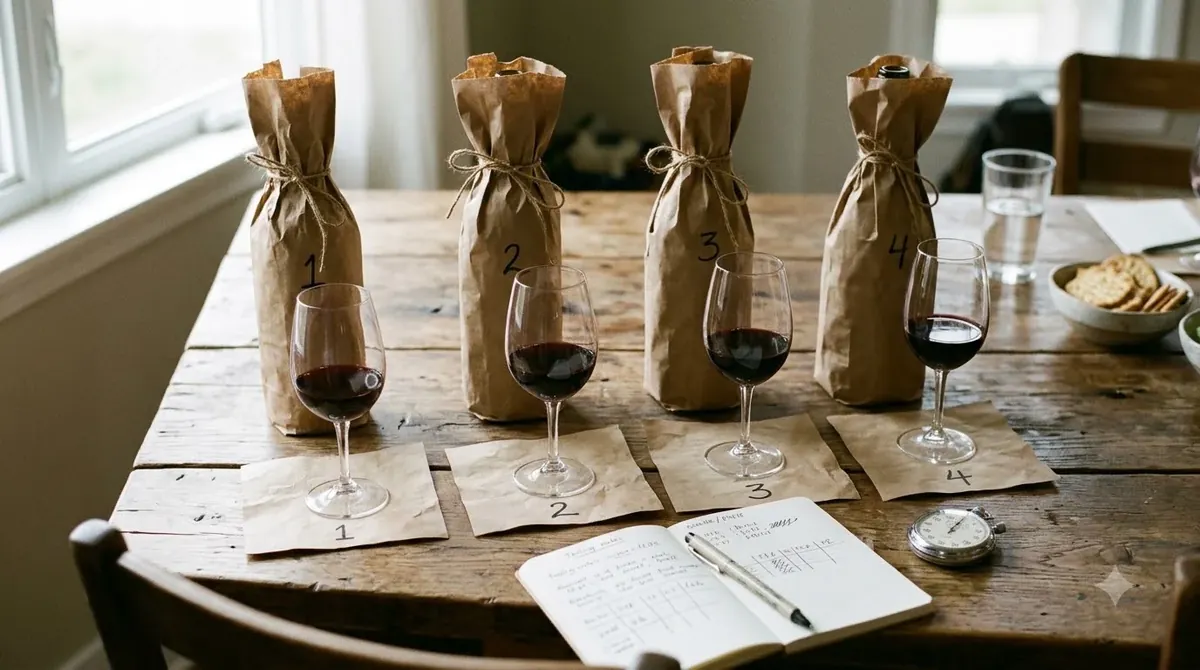
A useful tasting strategy is to compare two wines from different grape varieties before moving to different examples of the same variety. For instance, tasting Sauvignon Blanc alongside Chardonnay highlights differences in acidity, texture, and aromatic character. Comparing Cabernet Sauvignon with Merlot then illustrates how tannin affects the sensation of structure.
Tip: Ask the tasting-room host which wines best demonstrate the winery’s regional identity. If a flight includes Sauvignon Blanc, Chardonnay, Cabernet Sauvignon, and a sparkling wine, compare them in that order, moving from lighter and fresher styles toward more structured examples.
When to Plan a Nashik Vineyard Visit
The cooler, drier growing season is generally the most comfortable period for exploring Nashik’s wine country. Winter conditions offer a welcome contrast to the wet summer monsoon, while the changing vineyard calendar provides opportunities to understand different stages of grape cultivation and production.
India’s grape-growing calendar differs from that of traditional European wine regions. The seasonal cycle is influenced by the monsoon and winter weather, so vineyard activities do not follow exactly the same pattern as those in Bordeaux, Burgundy, or California. Understanding this difference is helpful when deciding whether you want to see green vines, observe grape handling, or concentrate on cellar activities.
The National Horticulture Board reports that Nashik’s table-grape harvest generally runs from early February through early April. This period is particularly relevant to the district’s agricultural activity, although the timing of individual wine-grape harvests can vary according to grape variety, vineyard location, and production decisions.
December through February can be attractive months for a comfortable vineyard visit, with cooler conditions providing a pleasant setting for outdoor activities. The period around February and March can also offer opportunities to appreciate grape-growing activity. Visitors interested in observing actual harvest operations should ask their chosen winery about its specific schedule rather than assuming that every vineyard harvests at the same time.
The monsoon months bring a different experience. Rainfall changes the appearance of the landscape and can make outdoor vineyard walks less predictable. Visitors planning a trip during the wetter period should prioritize confirmed indoor tastings and cellar tours.
Time of day matters as well. Morning visits generally provide a comfortable opportunity to walk through the vineyard before the warmer part of the afternoon. Later tours can be attractive for travelers who want to combine winery activities with a relaxed lunch or evening meal.
There is no single month that guarantees every desired vineyard activity. A winery may have an excellent tasting program even when grape harvesting is not underway. The most useful approach is to decide whether your priority is comfortable weather, vineyard scenery, harvest activity, or a guided production tour.
How Winery Tours and Tastings Work
Most organized winery experiences follow a straightforward progression: an introduction to the vineyard, an explanation of winemaking, a look at production facilities, and a guided tasting. The amount of technical detail and the number of wines included depend on the individual producer and selected experience.
Grover Zampa provides a clear example of a structured winery visit. Its Nashik Valley tours begin with an introduction to the company and vineyard cultivation before moving into the vineyard itself. Guests then visit the winery to learn about grape processing, fermentation, filtering, tank storage, bottling, labeling, and packaging.
The experience also includes a barrel room visit, where visitors can see the imported oak barrels used for aging premium wines. This is a useful opportunity to understand how oak aging differs from stainless-steel storage and why some wines develop additional complexity and texture during maturation.
According to Grover Zampa’s published visitor information, its scheduled tour starting times are:
| Tour detail | Published information |
|---|---|
| First daily tour | 10:30 a.m. |
| Second daily tour | 2:30 p.m. |
| Third daily tour | 4:00 p.m. |
| Typical duration | 1.5–2 hours |
| Standard wine tasting | 5 Art Collection varieties |
| Extended tasting | 5 wine varieties plus 2 sparkling wines |
These details provide a useful example of the level of organization available at an established Nashik winery. Tour schedules, admission arrangements, and tasting inclusions can change, so visitors should confirm the current booking details directly with the property before traveling.
For visitors who want to explore production techniques, it is worth paying attention to the order of the tour. Grape reception and processing explain what happens to the fruit after harvest. Fermentation introduces the transformation of grape juice into wine, while filtering and storage demonstrate how the product is prepared before bottling.
At the tasting stage, listen for explanations of grape selection, fermentation vessels, oak aging, and the differences between wine styles. These details make it easier to understand why two wines produced in the same region can have very different characteristics.
Allow additional time for photographs, a meal, and browsing the winery’s visitor facilities. Grover Zampa states that lunch requires an advance reservation and is served after the tasting. A relaxed schedule is more useful than trying to squeeze multiple long tours into a short afternoon.
How to Taste Indian Wines and Pair Them With Food
A structured tasting helps visitors identify the differences between grape varieties and production methods. Start with appearance and aroma, then assess acidity, tannin, body, sweetness, and finish rather than concentrating only on whether a wine tastes pleasant.
Begin by looking at the wine against a light background. White wines can range from pale straw to deeper golden shades, while red wines may show purple, ruby, or garnet tones. Color can offer clues about grape variety, age, and winemaking, but it does not independently determine quality.
Next, smell the wine before tasting it. Sauvignon Blanc may show citrus, green fruit, or herbal notes, while Chardonnay can offer apple, pear, stone fruit, or richer aromas associated with oak maturation. Cabernet Sauvignon often shows dark fruit and more noticeable tannin, whereas Merlot tends to feel softer.
When tasting, pay particular attention to acidity and tannin. Acidity creates freshness and makes a wine feel lively. Tannin creates a drying or gripping sensation, especially in structured red wines. Comparing a high-tannin Cabernet Sauvignon with a softer Merlot can help beginners recognize the distinction.
Food pairing offers another way to understand these characteristics. Indian cuisine provides an especially interesting range of combinations because dishes can include aromatic spices, chili, creamy sauces, fried textures, and tangy ingredients.
Pairing whites and rosé
High-acidity Sauvignon Blanc works well with tangy dishes, fresh salads, grilled vegetables, and seafood prepared with citrus or herbs. The acidity helps match the sharpness of the food instead of allowing the wine to taste flat.
Chardonnay can work with grilled chicken, creamy vegetable dishes, and mild Indian curries. A richer, oak-aged example may suit dishes with butter or cream, while a fresher unoaked style can work better with lighter preparations.
Rosé is a flexible option for grilled paneer, vegetable kebabs, lightly spiced chicken, and dishes with tomato-based sauces. Its fruit character and refreshing acidity can bridge the gap between white-wine freshness and red-wine structure.
Pairing red and sparkling wines
Merlot is a useful choice for moderately spiced dishes, mushroom preparations, and grilled meats. Cabernet Sauvignon is better suited to richer foods such as lamb, grilled beef, and dishes with substantial protein and fat, which can soften its firm tannins.
Syrah can complement grilled meats, smoky vegetables, and dishes with black pepper. However, very spicy food requires caution because alcohol and tannin can amplify chili heat. A fruit-forward, lower-tannin wine or refreshing white may be a better match for particularly hot curries.
Sparkling wines can pair with fried appetizers, savory snacks, and salty foods. Their acidity and bubbles refresh the palate, making them especially useful at the beginning of a meal or alongside a variety of small dishes.
For a broader understanding of how geography influences wine styles, comparisons with Alsace wine tasting can be useful. Alsace offers another perspective on aromatic white wines, acidity, and regional food matching. Visitors interested in contrasting warm-climate and European red-wine traditions can also explore Bolgheri wine tasting.
Planning Your Route, Reservations, and Practical Details
A successful Nashik wine itinerary should prioritize confirmed appointments, reasonable driving distances, and sufficient time between tastings. Two carefully selected winery experiences generally provide more useful comparisons than attempting to visit every available property in one day.
Begin by selecting the winery that offers the experience most important to you. If vineyard scenery, restaurants, and a range of visitor facilities are priorities, Sula is a logical starting point. If you want a guided explanation of vineyard cultivation, fermentation, bottling, and barrel aging, Grover Zampa provides a structured alternative.
Grover Zampa’s published tour schedule includes a 10:30 a.m. session, a 2:30 p.m. session, and a 4:00 p.m. session. A morning appointment leaves more flexibility for a later lunch or another activity, while an afternoon appointment can suit visitors who prefer a slower start.
For a one-day itinerary, consider the following general structure:
- Morning: Arrive at your first winery with enough time for a vineyard walk and guided tasting.
- Midday: Enjoy lunch at an estate restaurant or another confirmed dining location.
- Afternoon: Visit a second producer for a different wine selection or production-focused tour.
- Late afternoon: Allow time for photography, shopping, and a relaxed return journey.
Reservations are important, especially when a visit includes a guided tasting, lunch, or a particular tour time. Some wineries may have restrictions on certain dates, including government holidays and locally designated dry days. Check the property’s current visitor information before setting out.
Transport deserves attention because wine tasting involves several pours, and winery locations may be separated by agricultural roads rather than convenient urban streets. Arrange a driver, private vehicle, or suitable transport service for the day. Do not plan to drive after drinking.
Visitors arriving from Mumbai or Pune should allow sufficient time for the journey and account for traffic conditions. The National Horticulture Board lists Nashik at approximately 185 kilometers from Mumbai and 202 kilometers from Pune, although actual road travel times depend on the departure point and traffic.
Pack comfortable walking shoes, sun protection, and clothing suitable for outdoor vineyard areas. A phone or camera is useful for photographs, although individual wineries may impose restrictions in certain production areas. At Grover Zampa, its published tour information permits photography in the winery and barrel room, but visitors should follow staff instructions during their visit.
For more ideas about regional wine destinations beyond India, the site’s Wine Regions section offers useful comparisons. Travelers interested in a contrasting American vineyard experience can also read about Willcox wine tasting in Arizona.
Finally, approach the visit as an educational experience rather than a competition to taste the greatest number of wines. Taking notes on grape varieties, acidity, tannin, and food pairings will help you remember what you enjoyed and make more informed choices when exploring Indian wines elsewhere.
Frequently Asked Questions
Is Nashik officially recognized for wine production?
Yes. Nashik Valley Wine received geographical indication status in 2008, making it a recognized regional wine designation. Nashik grapes received a separate geographical indication in 2010, reflecting the district’s broader agricultural importance.
Can visitors learn about the winemaking process during a tasting?
Yes. Guided visits can explain fermentation, filtration, storage, and bottling in addition to vineyard cultivation. At Grover Zampa, the tour also includes an explanation of processing, labeling, and packaging, providing an overview of several stages between grape reception and the finished bottle.
Does Nashik produce wine from indigenous Indian grape varieties?
Nashik’s agricultural identity includes several locally cultivated grape varieties, including Thompson Seedless, Sonaka, Sharad Seedless, and Tas-e-Ganesh. These are important in the district’s table-grape industry, but they should not all be assumed to be standard varieties in commercial wine tastings.
How does the Indian wine industry differ from European wine regions?
India’s wine industry operates under tropical and subtropical seasonal conditions, with monsoon rainfall and cooler winter growing periods shaping vineyard management. Maharashtra’s wine policy, introduced in 2001, was an important development in the growth of the country’s contemporary commercial wine sector.
Can visitors explore Nashik beyond its vineyards?
Yes. Nashik district also includes agricultural communities and religious destinations, including Trimbakeshwar, an important Hindu pilgrimage site. Combining a winery visit with a separate cultural or sightseeing excursion can provide a broader introduction to the region.
Nashik offers an engaging introduction to India’s developing wine identity, combining established producers, distinctive growing conditions, and accessible visitor experiences. Whether you choose Sula Vineyards, Grover Zampa, or a combination of winery visits, take time to compare the wines and understand the agricultural landscape behind them. A thoughtful itinerary, confirmed reservations, and an interest in regional wine styles will make your Nashik visit considerably more rewarding.
More in Wine Regions
 Willcox Wine Trail: Discover Arizona’s High-Elevation Wine CountryUpdated Nov 20, 2026
 Yakima Valley Wine Region: Find the Best Styles to TryUpdated Nov 20, 2026
 Vosne Romanee Wine Tasting: Identify Aromas and Choose Better PairingsUpdated Nov 20, 2026
 Yakima Valley Wine Festival: Find the Best Seasonal Wine EventsUpdated Nov 20, 2026
 Wales Vineyards: Discover Cool-Climate Wines and Where to VisitUpdated Nov 20, 2026
 Yountville Wine Festival: Discover Napa Wines and Local FoodUpdated Nov 20, 2026