

We may earn a commission when you buy through links on this page, at no extra cost to you. Learn more.
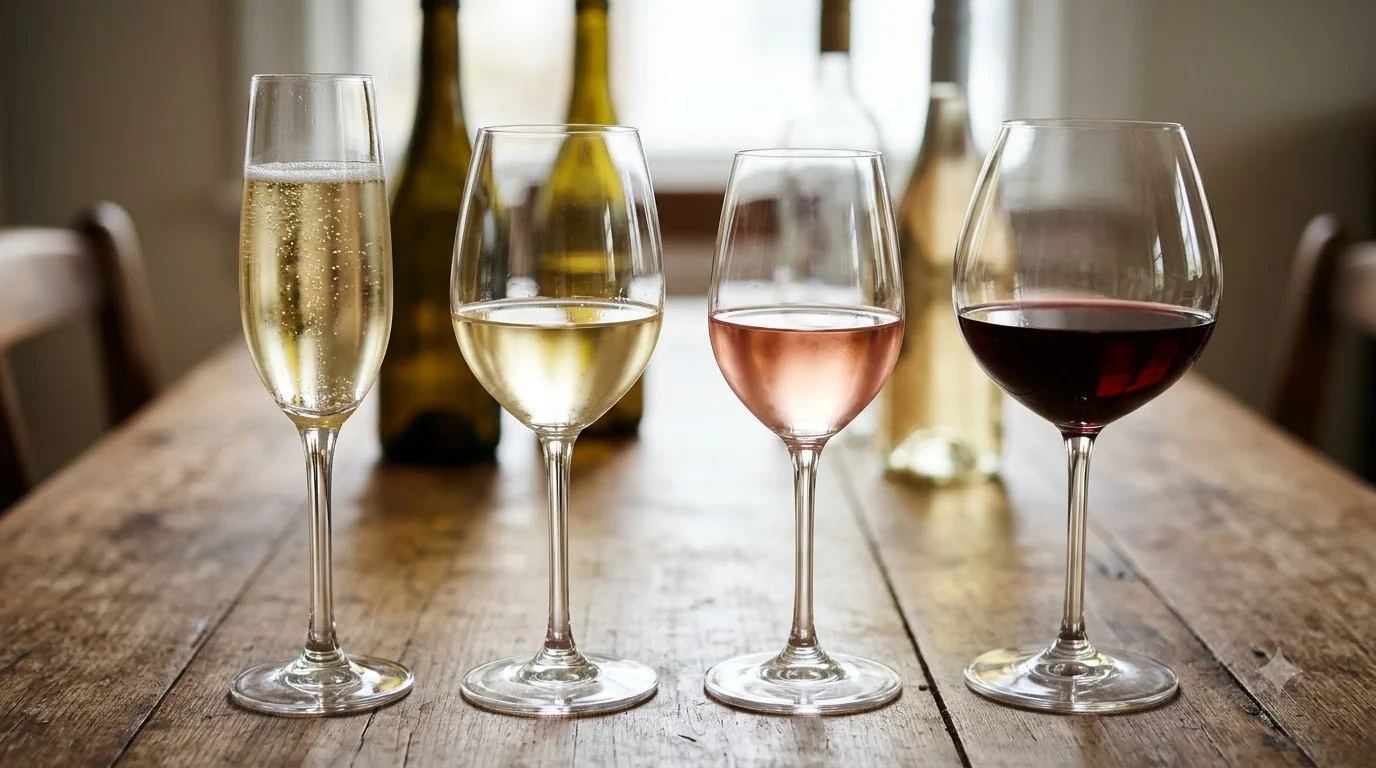
Nahe wine comes from the Nahe river valley in southwestern Germany, a compact quality wine region prized primarily for mineral-driven Rieslings and crisp Pinot varieties. Positioned between the Mosel and Rheinhessen valleys, the region spans roughly 4,166 to 4,239 hectares of vineyards across more than 180 distinct soil formations. Because its terrain combines slate, volcanic porphyry, sandstone, and loam, Nahe wine bridges the racy elegance of the Mosel with the fuller body of the Rheingau.
Although winemaking along the Nahe River dates back over 2,000 years to Roman times, Germany only recognized it as an independent quality wine region in 1971. Today, white grapes account for roughly three-quarters of all plantings, led by Riesling, alongside expressive dry and off-dry bottles that reward both casual weeknight dinners and long-term cellar aging. Understanding how soil, ripeness levels, and German labeling terms shape each bottle makes exploring the nahe wine region straightforward for any wine drinker.
What Is Nahe Wine?
Nahe wine refers to any Qualitätswein or Prädikatswein produced within the Nahe Anbaugebiet, one of Germany’s 13 designated regions for quality wine. Located in the state of Rhineland-Palatinate, the growing area follows the winding course of the Nahe River and its tributaries—including the Glan and Alsenz—as they flow northeast toward the Rhine at Bingen.
Unlike larger German regions defined by a single dominant soil type, the Nahe sits at a geological crossroads where igneous, sedimentary, and metamorphic rocks meet within a single valley. Vineyards climb steep, rocky cliffs around villages like Niederhausen and Schlossböckelheim before softening into rolling, fertile hills near Bad Kreuznach. According to the German Wine Institute, the region encompasses over 300 individual vineyard sites grouped into seven collective sites, giving winemakers an extraordinary range of microclimates.
Protection from the Hunsrück hills to the west shields the valley from cold winds and heavy rainfall, creating a mild, balanced climate with minimal frost risk. This long, even growing season allows grapes to ripen slowly without losing their signature natural acidity. While Riesling commands the international spotlight, local estates also bottle dry Pinot Blanc, Pinot Gris, Silvaner, and light-to-medium-bodied reds from Spätburgunder and Dornfelder.
Flavor Profile and Key Styles
Nahe wine is defined by bright, crystalline acidity balanced against ripe stone fruit and a distinct salty or stony minerality. Depending on the vineyard soil and winemaker’s intent, bottles span the full sweetness spectrum from bone-dry table wines to honeyed, botrytis-affected dessert selections.
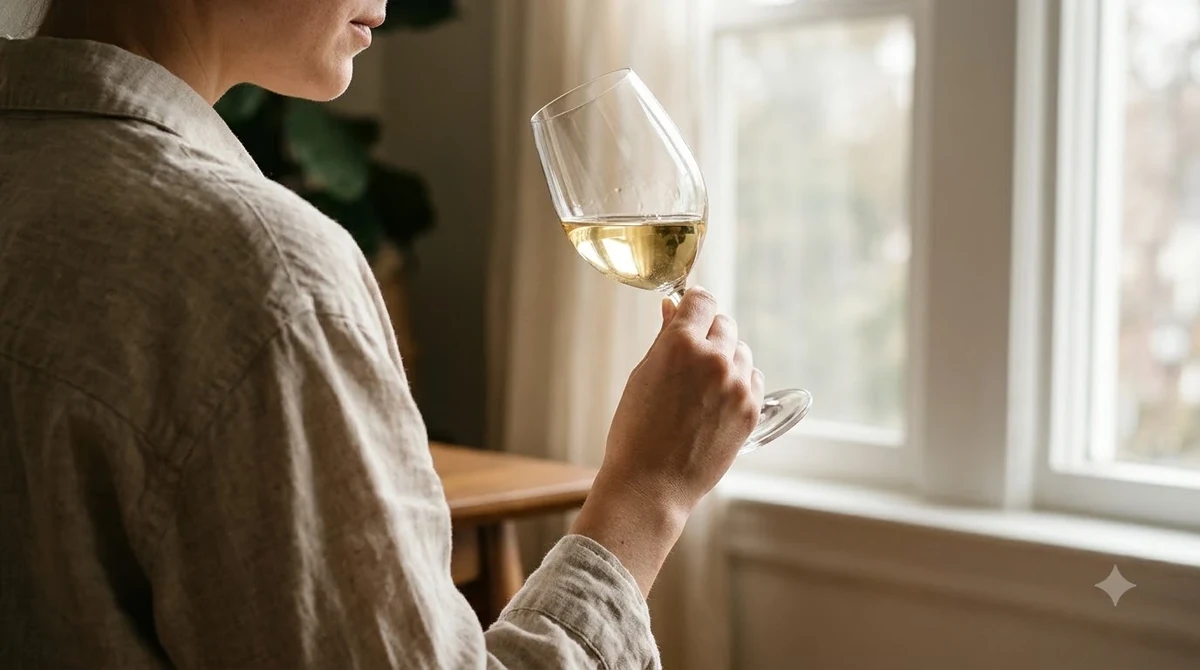
Dry styles, labeled trocken on German bottles, typically sit around 11.5% to 12.5% ABV and showcase crisp green apple, white peach, lemon zest, and wet slate or flint. Vineyards rooted in red sandstone or loess tend to yield rounder, slightly broader wines with yellow plum and herbal notes, whereas steep volcanic porphyry and weathered slate slopes produce taut, linear wines with electric tension. Reviewers at major wine publications frequently highlight how top dry Nahe Rieslings combine aromatic intensity with a restrained, savory finish that stays refreshing from the first sip to the last.
Off-dry and sweet styles carry lower alcohol—often between 7% and 10% ABV—because fermentation stops early, leaving natural grape sugars behind to cushion the vibrant acidity. A classic off-dry bottle, often labeled feinherb or bottled at the Kabinett level, pairs zesty lime and apricot flavors with a light, buoyant texture that never feels syrupy. At the sweeter end, late-harvest Spätlese and Auslese wines offer concentrated flavors of ripe mango, mandarin orange, and wildflower honey, while rare Beerenauslese, Trockenbeerenauslese, and Eiswein bottles deliver intense, nectar-like richness.
| Style / Labeling Term | Sweetness Level | Typical ABV | Core Flavor Notes |
|---|---|---|---|
| Gutswein / Ortswein Trocken | Dry (typically under 9 g/L residual sugar) | 11.5%–12.5% | Green apple, grapefruit zest, white peach, wet stone |
| Grosses Gewächs (GG) | Dry (top single-vineyard sites) | 12.0%–13.0% | Concentrated citrus, flint, crushed rock, savory herbs |
| Kabinett (Off-Dry / Sweet) | Off-dry to medium-sweet | 7.5%–10.0% | Lime blossom, crisp pear, apricot, slate minerality |
| Spätlese & Auslese | Medium-sweet to sweet (also made dry) | 7.5%–12.5% | Ripe stone fruit, candied citrus, honey, tropical notes |
| Weissburgunder & Grauburgunder | Usually dry | 12.0%–13.0% | Yellow pear, toasted almond, quince, gentle spice |
| Spätburgunder (Pinot Noir) | Dry red | 12.5%–13.5% | Sour cherry, wild raspberry, forest floor, subtle smoke |
Key Grape Varieties and Sub-Areas
White grapes cover roughly 75% to 77% of Nahe vineyard acreage, with Riesling alone accounting for nearly 30% of total plantings. Red varieties make up the remaining quarter, concentrated mainly in the warmer, wider valleys of the lower Nahe near Bad Kreuznach.
Along the cooler middle and upper stretches of the river—around villages such as Monzingen, Niederhausen, Oberhausen, and Schlossböckelheim—steep south-facing slopes trap daytime heat while cool night air preserves sharp acidity. These conditions make the upper and middle Nahe premier territory for Riesling, particularly on renowned sites like Niederhäuser Hermannshöhle, Oberhäuser Brücke, and Monzinger Halenberg. Further downstream toward Bingen, gentler slopes with deeper loam and clay soils support strong plantings of Müller-Thurgau, Grauburgunder (Pinot Gris), and Weissburgunder (Pinot Blanc), which produce fuller-bodied, everyday dry whites.
Red wine production centers on Dornfelder, prized for deep color and plush dark berry fruit, alongside Spätburgunder (Pinot Noir), which delivers silky red-cherry flavors and earthy nuance. If you are comparing European Wine Regions known for Pinot Noir, Nahe Spätburgunder feels markedly lighter and more briskly acidic than rich Burgundian appellations such as aloxe corton wine, offering a bright, cool-climate counterpoint.
Leading estates that have shaped the region’s modern reputation include Weingut Dönnhoff, Schäfer-Fröhlich, Emrich-Schönleber, Gut Hermannsberg, Kruger-Rumpf, and Weingut Tesch. Many of these producers belong to the VDP (Verband Deutscher Prädikatsweingüter), Germany’s association of top estates, which classifies their finest single vineyards as Grosse Lage and labels their top dry wines as Grosses Gewächs.
How to Serve Nahe Wine
Proper serving temperature brings out the aromatic lift and mineral precision of Nahe wine without muting its fruit. Most white bottles shine when chilled in a standard refrigerator and allowed to warm slightly in the glass over the course of a meal.
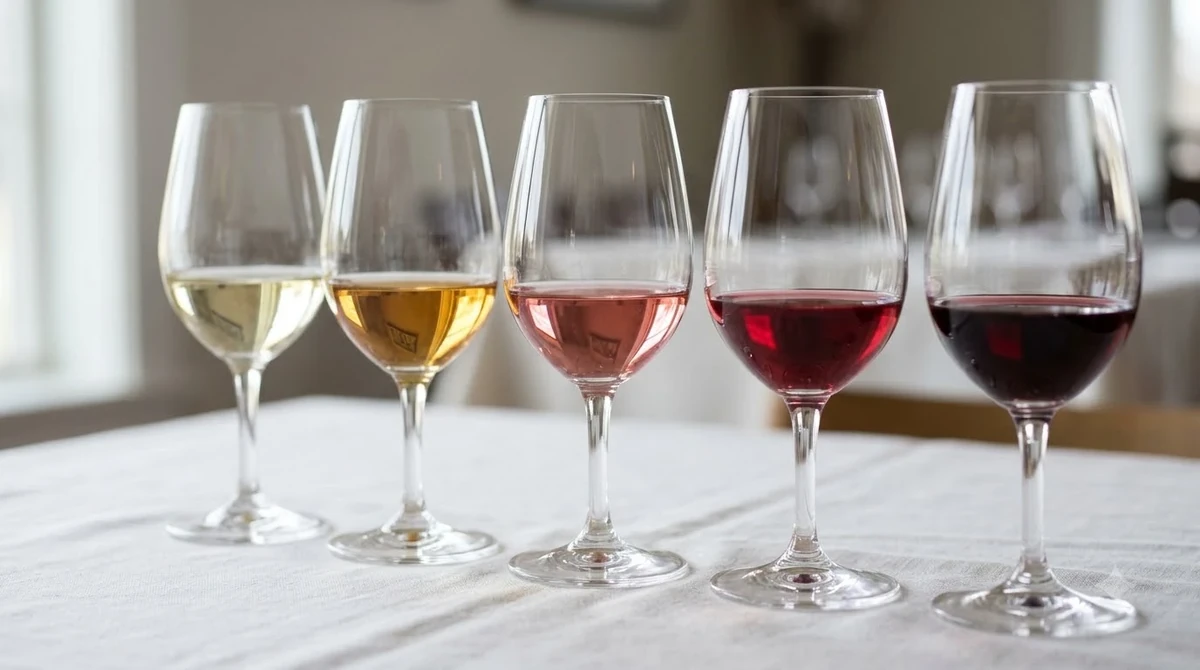
For young, crisp dry Rieslings, Kabinett bottles, and Pinot Blanc, aim for 48°F to 52°F (9°C to 11°C). Serving these styles straight from an ice-cold fridge at 38°F suppresses their delicate floral and citrus aromatics; pulling the bottle out 15 minutes before pouring lets the bouquet open naturally. Fuller-bodied dry whites—such as barrel-fermented Grauburgunder or single-vineyard Grosses Gewächs Riesling—benefit from a slightly warmer pour between 52°F and 55°F (11°C to 13°C), which highlights their textural weight and stony depth. Intensely sweet Auslese, Beerenauslese, and Eiswein bottles show best well chilled around 45°F to 50°F (7°C to 10°C) so their bright acidity stays front and center.
Glassware and aeration also play a practical role, especially with young dry single-vineyard Rieslings. Standard tulip-shaped white wine glasses focus citrus and stone-fruit aromas cleanly toward the nose. Young Grosses Gewächs bottles can occasionally show reductive, struck-match notes upon opening; decanting them for 30 to 45 minutes softens the edges and reveals layered orchard fruit.
Tip: Chill a room-temperature bottle of Nahe Riesling in 15 minutes by submerging it up to the neck in a bucket filled with half ice and half cold water.
Food Pairing with Nahe Wine
High natural acidity and moderate alcohol make Nahe wine one of the most versatile food companions at the dinner table. Because the wines cleanse the palate quickly without heavy oak tannins or high alcohol heat, they adapt easily to rich, salty, and spicy dishes alike.
Dry Nahe Riesling and Weissburgunder pair naturally with pan-seared river trout, scallops, oysters, and roast chicken with fresh herbs. Their crisp citrus backbone cuts cleanly through buttery sauces, Schnitzel, and creamy wild mushroom risotto, while their stony finish complements fresh goat cheese and aged Comté. When cooking with aromatic spices—such as Thai green curry, Sichuan peppercorn dishes, or ginger-glazed pork belly—reach for an off-dry Kabinett or Spätlese Riesling, where a touch of residual sweetness tames chili heat while lime acidity keeps the pairing lively.
For red Nahe bottles, pair a lightly chilled Spätburgunder (served around 57°F to 60°F) with cedar-plank salmon, duck breast, or herb-roasted pork tenderloin. Fruity, approachable Dornfelder works well alongside grilled sausages, burgers, and hearty mushroom stews.
How to Choose a Bottle
Reading a German wine label becomes simple once you check two details: the producer’s quality tier and the dryness indicator. Unlike American wine labels from places such as augusta vineyards that emphasize grape variety and brand name, traditional German labels prioritize vineyard origin and grape ripeness at harvest.
Start by looking for the word trocken if you want a completely dry wine, or feinherb if you prefer a hint of off-dry fruitiness. If neither word appears on a Riesling bottle carrying a Prädikat term like Kabinett, Spätlese, or Auslese, expect noticeable sweetness balanced by sharp acidity. You can also check the back label for the ABV: dry Nahe whites generally list 11.5% to 13% alcohol, whereas bottles between 7.5% and 9.5% ABV retain unfermented grape sugar.
Next, match the bottle tier to your occasion. Entry-level estate wines (Gutswein) and village wines (Ortswein) offer fresh, accessible drinking within one to four years of the vintage and represent the signature house style of each winery. Single-vineyard bottles—whether labeled with a VDP eagle emblem or a historic site name like Hermannshöhle or Felseneck—carry greater concentration and can age gracefully for 10 to 20 years. As outlined by Wine Folly’s guide to German wine, checking for the VDP eagle on the bottle capsule is a reliable shortcut to identifying top-tier dry and Prädikat producers.
Frequently Asked Questions
Is Nahe wine sweet or dry?
Nahe wine is produced in both completely dry and sweet styles, though dry wines make up the largest share of modern production. Check the label for the word “trocken” for a bone-dry wine, or look at the alcohol percentage—bottles at 11.5% ABV or higher are typically dry, while bottles around 7.5% to 9.5% ABV carry noticeable residual sweetness.
How does Nahe Riesling differ from Mosel Riesling?
Nahe Riesling generally has slightly fuller body and riper stone-fruit character than Mosel Riesling because the Nahe valley enjoys a milder, drier climate sheltered by the Hunsrück hills. At the same time, Nahe wines retain brisk acidity and pronounced mineral tension from volcanic and slate soils, sitting stylistically between the featherweight delicacy of the Mosel and the richer power of the Rheingau.
What is the best temperature to serve Nahe Riesling?
Serve young, light dry Rieslings and off-dry Kabinett bottles between 48°F and 52°F (9°C and 11°C) so their floral and citrus aromatics stay expressive. Fuller-bodied single-vineyard dry Rieslings show best slightly warmer at 52°F to 55°F (11°C to 13°C), while sweet dessert styles like Auslese benefit from a colder chill around 45°F to 50°F (7°C to 10°C).
Can you age Nahe wine in a cellar?
Yes, high-quality Nahe Rieslings age exceptionally well thanks to their high natural acidity and low pH. While entry-level dry estate wines drink best within two to five years of harvest, single-vineyard Grosses Gewächs, Spätlese, and Auslese bottles routinely develop complex notes of petrol, dried apricot, and honey over 10 to 20 years in a cool, dark cellar.
Whether you start with a crisp, dry Gutswein Riesling for weeknight seafood or uncork a single-vineyard Spätlese alongside spicy takeout, Nahe wine delivers remarkable clarity and balance in every glass. Once you learn to spot the dryness cues and soil-driven village names on the label, exploring this compact German valley becomes one of the most rewarding ways to expand your white wine rotation.
More in Wine Regions
 Willcox Wine Trail: Discover Arizona’s High-Elevation Wine CountryUpdated Nov 20, 2026
 Yakima Valley Wine Region: Find the Best Styles to TryUpdated Nov 20, 2026
 Vosne Romanee Wine Tasting: Identify Aromas and Choose Better PairingsUpdated Nov 20, 2026
 Yakima Valley Wine Festival: Find the Best Seasonal Wine EventsUpdated Nov 20, 2026
 Wales Vineyards: Discover Cool-Climate Wines and Where to VisitUpdated Nov 20, 2026
 Yountville Wine Festival: Discover Napa Wines and Local FoodUpdated Nov 20, 2026