

We may earn a commission when you buy through links on this page, at no extra cost to you. Learn more.
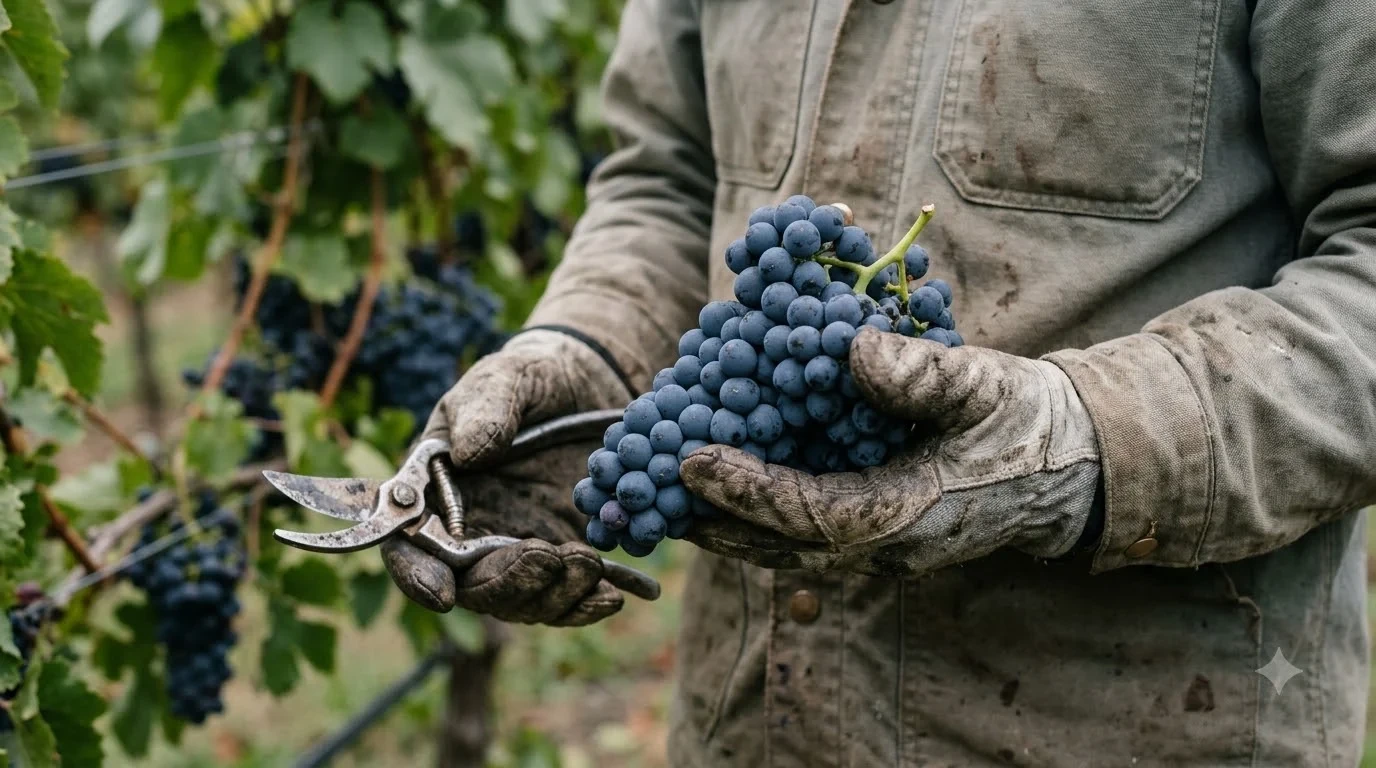
The mourvedre grape is a dark-skinned red variety that makes firm, tannic wines with earthy, savory notes over soft red fruit. It is generally considered Spanish in origin, where it is known as Monastrell, and it is now grown in southern France, California, and Australia. Winemakers use it both on its own and as a partner for Grenache and Syrah in blends.
This guide covers what the mourvedre grape tastes like, where it grows, how its wines are usually made, and how to serve and pair them. If you are choosing a bottle for the first time, the sections below will help you know what to look for on the label.
What the Mourvedre Grape Is
Mourvedre is a late-ripening red grape. Its thick skins produce deep color and plenty of tannin, which is the dry, grippy sensation you feel on your gums and tongue after a sip. Because the vine needs a long, warm growing season to fully ripen, it does best in regions with plenty of sun. Growers in cooler sites often find it hard to bring the fruit to full ripeness, which is one reason its plantings cluster in warmer districts.
The grape has many names. In France it is called Mourvèdre, in Spain it is Monastrell, and in Portugal and parts of the New World it is often labeled Mataro. Wine writers also sometimes list it under the older name Balzac noir. The variety is not closely related to Balzac blanc or to Graciano, even though some older sources group them together.
Historians think the grape may have reached the Valencia area of Spain through early trade, possibly carried by the Phoenicians around 500 BC, according to the Mourvèdre entry on Wikipedia. That long history is one reason the variety is so widely planted today, even though its popularity has shifted over time.
Flavor Profile and Typical Styles
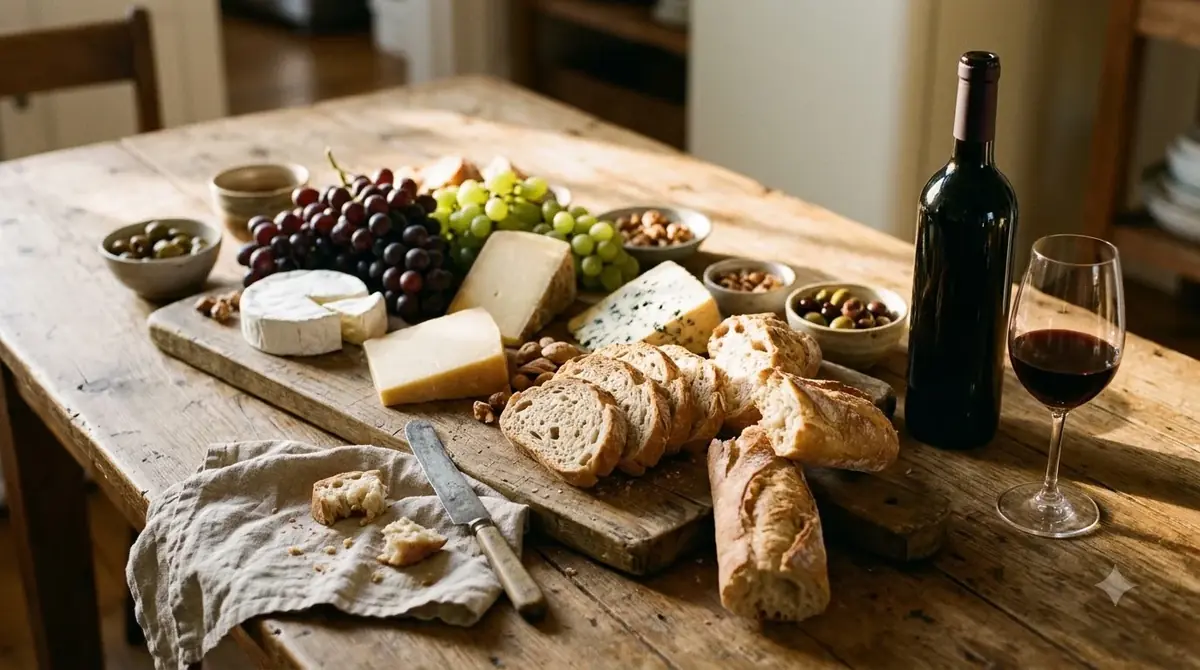
A mourvedre grape wine usually shows dark fruit, black pepper, and a savory, almost meaty character. Critics often describe notes of wild game and earth, sitting on top of soft red fruit. Young bottles can taste rough or even a little funky, with barnyard-like aromas that tend to soften and integrate as the wine ages.
Alcohol can run high, and the tannins are firm, so these wines feel structured in the mouth. Reviewers note that American examples are often less tannic than the classic wines from Bandol in southern France, which makes them easier to enjoy young.
The grape appears in several styles. Varietal bottlings let the grape speak for itself. Blends of Grenache, Syrah, and Mourvedre, often called GSM blends, are very common in the Rhône and in California. Rosé wines made from the grape are another option, and some producers make port-style fortified wines from it as well.
| Style | What to expect | Good food match |
|---|---|---|
| Varietal red | Firm tannin, dark fruit, earthy and savory notes | Grilled or braised red meats |
| GSM blend | Grenache adds brightness, Syrah adds structure, Mourvedre adds depth | Roast chicken, lamb, mushroom dishes |
| Rosé | Dry, savory, with red berry character and more body than most rosés | Charcuterie, grilled vegetables |
| Port-style | Sweet, rich, with dried fruit and spice | Dark chocolate or nut-based desserts |
Where the Mourvedre Grape Grows
Spain still has the largest planting of the variety. Spanish plantings were reported at about 43,049 hectares in 2015, which ranked the grape fourth among red varieties in the country, although the total had been above 100,000 hectares in the mid-1990s. Its historical roots are tied to the Valencia area, which is where many scholars place its early spread.
In France, the grape is best known in the south. The Bandol appellation has the strictest rules: reds must contain at least 50 percent Mourvèdre, and rosés at least 20 percent. For a producer-facing profile of the variety, Decanter’s grape page is a useful next stop. Châteauneuf-du-Pape also grows the grape as one of its permitted varieties, and it is a key part of many blends from the southern Rhône.
Outside Europe, California and Australia have grown the grape steadily since the late twentieth century. California plantings were small in the mid-2000s and grew over the following decade, while Australian growers have used it for both table wines and fortified styles. Because the grape loves heat, the warmest parts of each region tend to produce the most concentrated bottles.
How to Serve and Pair Mourvedre Wines
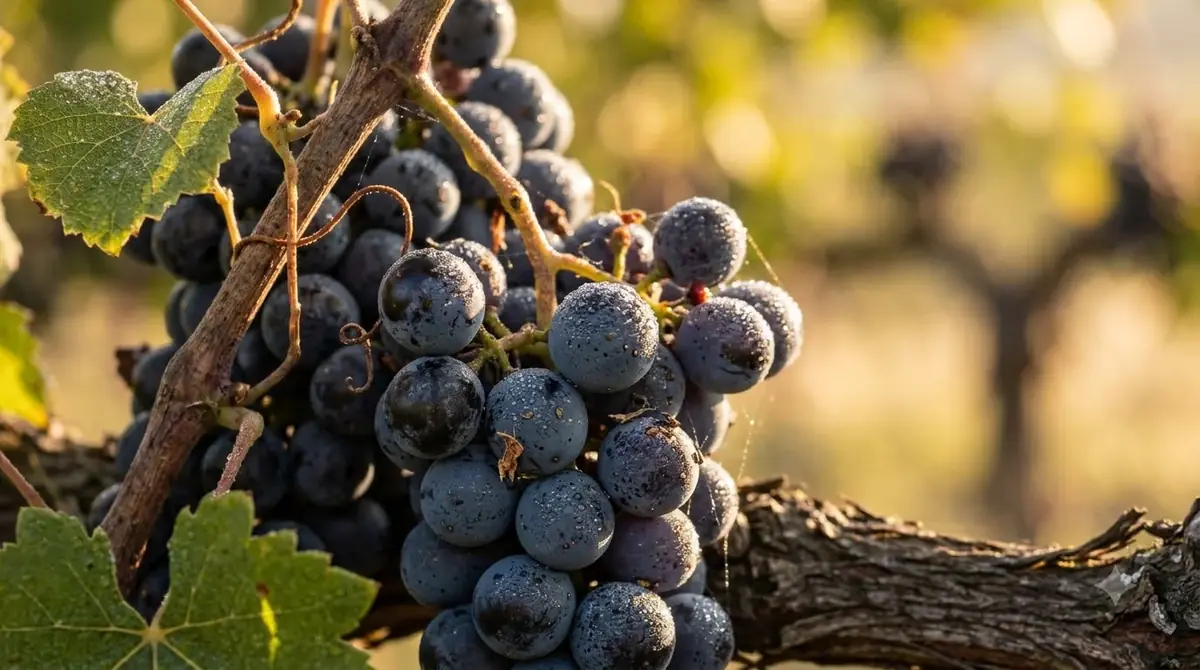
Because these wines are structured and fairly full, they show best when served a little below room temperature rather than warm. A slightly cool red lets the fruit come forward without making the tannins taste harsh, so a bottle that has been chilled should be given a little time to warm up before serving.
Decanting a young, tannic bottle can soften the grip and open up the aromas. Older bottles that have thrown sediment should be decanted carefully and poured soon after, with the sediment left behind in the bottle. A wide-bowled glass gives the aromas room to develop, which is useful with a wine that is as aromatic as this one.
For food, look for dishes with fat, salt, and char. Lamb, beef, and roasted pork all match the savory character well, and the grape works nicely with mushrooms, olives, and dishes built on smoked paprika. A GSM blend is often the easier choice for a mixed table because the Grenache adds fruit and softens the edges, so the wine suits more dishes.
Tip: If a young mourvedre tastes too tight, give it more time in the glass or a short decant before you judge it.
How to Choose a Bottle
Start with the label. A bottle labeled as a varietal mourvedre or Monastrell tells you the wine is mostly the grape itself. A blend lists the other grapes in order of proportion, so a GSM bottle that lists Mourvèdre first or second is likely to show more of the grape’s savory side than one where it appears last.
Read the back label and the producer’s technical sheet if one is available. Many producers describe the balance of fruit and tannin, and a description that mentions firm structure or cellar potential is a good sign that the wine will need food or time. A rosé or lighter blend, by contrast, is usually meant for drinking young and cold.
Pay attention to the region. Bandol and other southern French wines are usually firmer and more structured, and they often reward a few years of cellaring. New World examples can be fruitier and softer, which suits people who want a more approachable red on a weeknight.
If you are comparing this grape with other reds, it helps to know that it sits between the lighter style of pinot noir grape wines and the bolder side of many blends. For a broader overview of red and white options, the Wine by Type guide places it alongside other popular varieties, including the white profile of chardonnay grape.
Storage matters as well. Firm, tannic reds generally keep well in a cool, dark place, while rosés and fresh young blends are best enjoyed within a year or two of release. Keeping a note of the vintage on your shelf helps you decide which bottles are ready and which need more time.
Frequently Asked Questions
Is the mourvedre grape the same as Monastrell?
Yes. Monastrell is the Spanish name for the same grape, and Mourvèdre is the French name. Mataro is another name used in Portugal and parts of the New World. The wine is labeled by whichever name the producer uses.
Is mourvedre wine dry or sweet?
Most mourvedre wines are dry red or dry rosé. Sweet versions exist, but they are usually fortified port-style wines made from the grape, which are a separate category from table wine.
What does mourvedre taste like?
Expect dark fruit, black pepper, and an earthy or savory note, with firm tannins. Young examples can taste rough, and the character softens with time in the bottle.
Should mourvedre be decanted?
Young, tannic bottles often benefit from a decant before serving. Older bottles that have thrown sediment should be decanted carefully, and they usually need less time in the decanter than a young wine.
The mourvedre grape rewards curiosity. Start with a GSM blend if you want an easy introduction, then try a varietal bottle from Bandol or California to see how the grape behaves on its own. Drink responsibly, and enjoy the savory side of a variety that has been part of the Mediterranean table for centuries.
More in Wine Types & Grapes
 Zinfandel Sugar Content: Dry Red vs. White Zinfandel GramsUpdated Nov 21, 2026
 Best Zinfandel Substitute Options for Sipping and CookingUpdated Nov 21, 2026
 Zweigelt Food Pairing: Best Dishes, Cheeses, and Serving TipsUpdated Nov 21, 2026
 Zinfandel Tannins Explained: How Structure Shapes Every BottleUpdated Nov 21, 2026
 Zinfandel Sweetness Level: Dry Red vs. Sweet White Zin ExplainedUpdated Nov 21, 2026
 Xinomavro Food Pairing: Best Dishes, Styles, and Serving TipsUpdated Nov 21, 2026