


We may earn a commission when you buy through links on this page, at no extra cost to you. Learn more.
Monticello wine tasting takes place in Virginia’s historic Monticello AVA, a wine region surrounding Charlottesville where visitors can explore more than 40 wineries, sample distinctive Virginia wines, and enjoy views of the Blue Ridge Mountains. The region is particularly known for Viognier, Cabernet Franc, Chardonnay, Petit Verdot, and expressive red blends. Its combination of historic significance, varied vineyard landscapes, and approachable tasting experiences makes it an appealing destination for both beginning wine enthusiasts and experienced collectors.
Located in Central Virginia, the Monticello wine region offers considerably more than a collection of tasting rooms. Its story connects Thomas Jefferson’s early ambitions for American winemaking with generations of modern Virginia growers. Visitors can spend a weekend exploring vineyards near Charlottesville, enjoy guided tastings in the countryside, and discover how Virginia’s climate and soils influence the wines in their glasses. Understanding the region’s geography, signature grapes, and winery locations makes it easier to plan a rewarding visit.
1. The Monticello AVA: Geography, History, and Wine Heritage
The Monticello American Viticultural Area is a designated grape-growing region in Central Virginia’s Piedmont. Its location along the eastern slopes of the Blue Ridge Mountains, combined with the surrounding rolling countryside and Southwest Mountain, creates a recognizable agricultural landscape for wine production.

The region’s identity is closely connected to Charlottesville and the historic Monticello estate. Thomas Jefferson developed an interest in European wine and hoped to establish vineyards capable of producing wines comparable to those of France and Italy. He enlisted Italian winemaker Filippo Mazzei to investigate the local growing conditions and plant thousands of grapevines. Their early work encountered serious difficulties, including environmental challenges, disease, and the disruption of the American Revolution. Jefferson’s personal ambition did not produce a successful commercial wine industry during his lifetime, but his influence became central to the region’s later identity.
Virginia’s wine history continued through the nineteenth century. In 1835, Dr. D.N. Norton propagated the native Norton grape, which became important to Virginia winemaking because of its resistance to phylloxera. The Monticello Wine Company subsequently earned international recognition, receiving a gold medal in Vienna in 1873 and a silver medal in Paris in 1878. These achievements demonstrated that Virginia wines could compete for attention beyond their immediate agricultural communities.
The industry experienced another major interruption through Virginia’s statewide prohibition in 1914 and national Prohibition in 1920. Modern commercial development began gaining momentum again during the 1970s. Barboursville Vineyards started operations in 1976 under the direction of Italian wine company Zonin S.p.A., helping establish a foundation for the contemporary regional industry.
The Monticello AVA was proposed in 1982 and officially established in 1984. Its boundaries recognize a combination of historical significance and geographical characteristics that distinguish its vineyards. Today, the Monticello Wine Trail brings together more than 40 wineries, giving visitors numerous ways to experience the region’s agricultural heritage.
For travelers interested in comparing historic wine regions internationally, exploring Alsace wine tasting offers another perspective on how geographical identity, regional traditions, and grape varieties influence a destination’s wine culture.
2. Climate, Soil, and the Grapes That Define Monticello Wines
Monticello’s wine character comes from its Piedmont geography, mountain influences, and relatively long growing season. These conditions support a varied selection of grape varieties rather than a single dominant wine style.
According to Virginia Wine, Central Virginia has granite-based clay soils and a growing season exceeding 200 days. The eastern slopes of the Blue Ridge Mountains and the surrounding countryside create differences in elevation, exposure, and vineyard conditions. These variations matter because grapevines respond to sunlight, water availability, soil drainage, and temperature throughout the growing season.
The region’s warm summers support the ripening of several red varieties, while site selection and vineyard management help maintain balance in wines that benefit from freshness. The surrounding mountains also contribute to the area’s distinctive topography. Individual vineyards may experience different growing conditions even when they are relatively close to one another.
Five grape varieties deserve particular attention during a Monticello tasting:
- Viognier: One of Virginia’s most recognizable white grapes. It can produce aromatic wines with peach, apricot, citrus, and floral characteristics. Its relatively moderate acidity and expressive fruit make it especially interesting as a regional white wine.
- Chardonnay: A versatile grape that can produce fresh, citrus-driven wines or fuller styles influenced by oak and malolactic fermentation. Look for differences in texture, acidity, and aromas between producers.
- Cabernet Franc: An important red variety in Virginia. Typical characteristics include red cherry, raspberry, herbs, and sometimes green pepper. Its medium body and moderate-to-firm tannins make it adaptable to food pairing.
- Petit Verdot: Often associated with Bordeaux-style blends, this grape contributes deep color, dark fruit, structure, and firm tannins. Some producers also bottle it as a single-variety wine.
- Cabernet Sauvignon: Known for darker fruit, fuller body, and higher tannin levels. Its presence provides another useful comparison with the region’s more aromatic and medium-bodied red varieties.
Blended wines are also important to the regional identity. Combining varieties allows winemakers to balance fruit intensity, acidity, tannin, and structure. A Cabernet Franc-led blend might emphasize freshness and red fruit, while the addition of Petit Verdot can contribute darker flavors and greater structure.
Tip: Ask the tasting room to pour a Viognier, a Cabernet Franc, and a Petit Verdot or red blend during your visit. Comparing these three styles provides a useful introduction to the aromatic whites, fresh reds, and structured wines that define much of Monticello’s wine identity.
Regional identity is not limited to one grape or production method. Producers make different decisions about harvesting, fermentation, oak aging, and blending. Tasting wines from multiple vineyards is therefore more informative than assuming every bottle from the AVA will have the same flavor profile.
For additional background on the area’s geography, the Virginia Wine overview of Central Virginia explains how the Blue Ridge foothills, Piedmont soils, and regional growing conditions contribute to its wine-growing identity.
3. Wineries to Visit Around Charlottesville and the Blue Ridge
The Monticello Wine Trail offers a broad range of winery experiences, from established vineyard estates to smaller producers. For a first visit, choosing destinations in different parts of the region provides a useful introduction to its landscape and wine styles.
Barboursville Vineyards is an important starting point for understanding modern Virginia winemaking. Its history dates to 1976, when the property began operations under Zonin S.p.A. The winery’s connection to the revival of the regional wine industry makes it particularly interesting for visitors who want to understand how Monticello developed into a recognized wine destination.
Jefferson Vineyards is another natural choice for visitors interested in the area’s historical connections. Its location near Monticello places it within the landscape associated with Jefferson’s early viticultural ambitions. A visit offers an opportunity to connect the region’s historical narrative with its contemporary wine production.
Blenheim Vineyards is located approximately 20 minutes southeast of Charlottesville. According to Visit Charlottesville, its vineyard sites grow Chardonnay, Viognier, Cabernet Franc, Petit Verdot, and Cabernet Sauvignon. This selection makes it a useful destination for comparing several important regional varieties in one setting.
Afton Mountain Vineyards offers another perspective on the area’s modern vineyard history. Vines were first planted there in 1978, making the property one of Virginia’s early vineyard sites. Its location near Afton Mountain also places visitors in an attractive section of the Blue Ridge foothills.
King Family Vineyards is another name worth considering, particularly for visitors interested in organized educational experiences. The Monticello Wine Trail specifically recommends King Family Vineyards, alongside Barboursville, for regularly scheduled guided tours.
Other wineries and vineyards listed along the trail include Veritas Vineyard & Winery, Pollak Vineyards, Cardinal Point Vineyard & Winery, Glass House Winery, Keswick Vineyards, and Pippin Hill Farm & Vineyards. Each offers a different combination of wines, hospitality, and vineyard surroundings.
The best choice depends on the purpose of the visit. History enthusiasts may prioritize Jefferson Vineyards and Barboursville. Visitors interested in comparing several grape varieties may prefer Blenheim. Those seeking mountain scenery can consider Afton Mountain and nearby western trail destinations.
There is also value in exploring wineries outside the immediate Charlottesville area. For example, comparing the regional character of Virginia with Bolgheri wine tasting in coastal Tuscany highlights how different climates and grape-growing traditions influence the wines of two established destinations.
4. Planning a Monticello Wine Trail Itinerary
A successful Monticello wine trip depends more on selecting suitable wineries than on visiting the greatest possible number of tasting rooms. The official Monticello Wine Trail recommends choosing two or three wineries for a day, allowing enough time to enjoy each visit without rushing between destinations.
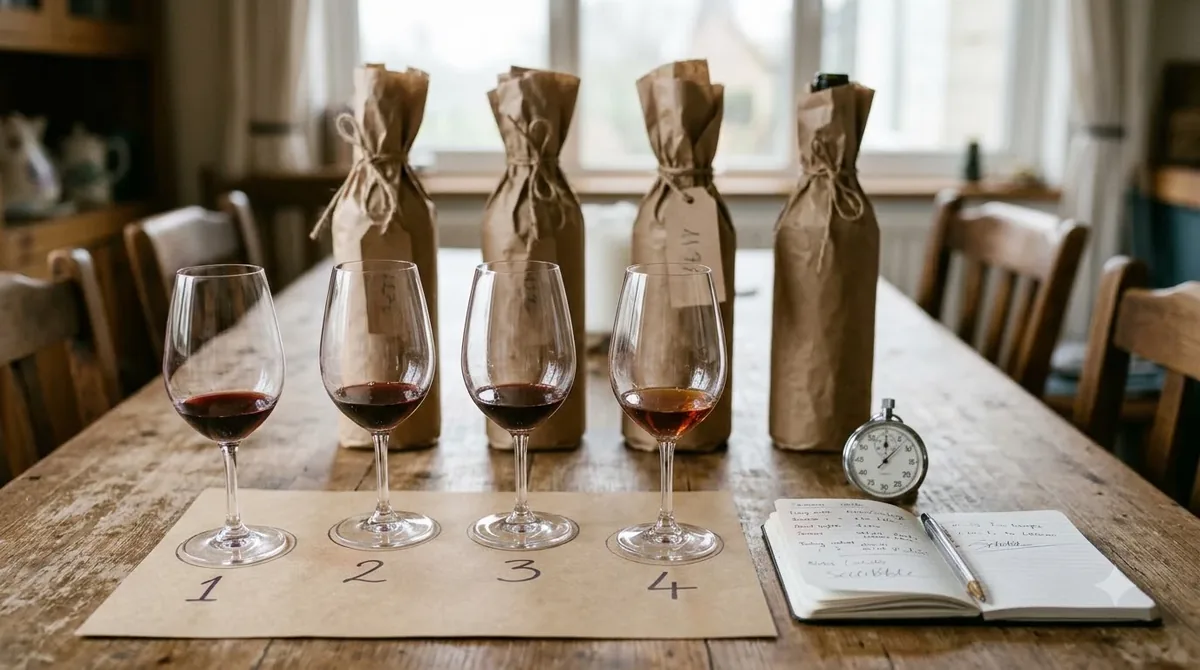
The trail covers a broad geographical area, with wineries located around Charlottesville, Crozet, Afton, Keswick, and the surrounding countryside. Although these destinations belong to the same wine region, they are not all immediately adjacent. A little geographical planning can prevent unnecessary driving and leave more time for vineyard visits.
A useful first step is to divide potential destinations by general location:
- Near Charlottesville: Jefferson Vineyards, Blenheim Vineyards, Gabriele Rausse Winery, and other properties close to the historic city center and Monticello.
- Western wine country: Afton Mountain Vineyards, Cardinal Point Vineyard & Winery, and Veritas Vineyard & Winery.
- Eastern destinations: Barboursville Vineyards and Keswick Vineyards, among other producers.
- Northern destinations: Glass House Winery, White Hall Vineyards, and Stinson Vineyards.
These groupings provide a starting point rather than a fixed driving itinerary. Check actual road distances and travel times before arranging appointments. A winery that appears close on a regional map may require more driving than expected because of rural roads and differences in elevation.
The following example illustrates a practical two-day approach:
| Day | Suggested focus | Stops | Primary experience |
|---|---|---|---|
| Day 1 | Charlottesville area | 2 wineries | Regional history, Viognier, Cabernet Franc |
| Day 2 | Western wine country | 2 wineries | Mountain scenery, red blends, vineyard tours |
| Optional extension | Eastern destinations | 1 winery | Additional producer comparison and tasting |
On the first day, visitors might combine Jefferson Vineyards with Blenheim Vineyards, creating a trip that connects the region’s history with its contemporary grape varieties. On the second day, Afton Mountain Vineyards and Veritas Vineyard & Winery provide a different geographical perspective. The optional eastern extension could include Barboursville Vineyards.
These are suggested combinations, not confirmed appointment schedules. Individual wineries determine their opening days, reservation availability, tasting formats, and visitor policies.
The Monticello Wine Trail offers an online route planner that lets visitors select participating wineries and organize a personalized itinerary. This is particularly helpful for travelers who want to compare destinations before committing to a route.
Transportation deserves equal attention. Wine tastings can involve several pours, and driving between rural vineyards requires concentration. Arrange a designated driver, private transportation, or an organized wine tour rather than relying on the assumption that short distances make driving after tastings appropriate.
5. What to Expect During a Monticello Wine Tasting
Monticello wineries offer several tasting formats, including traditional flights, seated guided experiences, wine by the glass, and vineyard tours. Understanding these options helps visitors select an experience that matches their interests and available time.
A traditional tasting flight generally allows visitors to compare several wines in a planned sequence. A flight might include Viognier, Chardonnay, Cabernet Franc, and a red blend. This format is particularly useful for identifying differences in acidity, body, aromatic intensity, and tannin.
Seated tastings usually provide a more structured experience. Staff may introduce the winery, explain grape varieties, discuss vineyard conditions, and describe production decisions. Visitors interested in learning about regional winemaking can benefit from asking questions about harvesting dates, fermentation vessels, oak aging, and blending.
Guided vineyard or production tours provide additional context. A vineyard visit may explain why certain slopes receive different sunlight, how growers manage the canopy, and why drainage matters. A winery tour can demonstrate the relationship between harvesting, fermentation, aging, and bottling.
When tasting, begin by examining the wine’s appearance, then assess its aromas before taking a sip. Consider the following characteristics:
- Acidity: Notice whether the wine feels refreshing or relatively soft. Viognier and Chardonnay provide useful examples of different white-wine structures.
- Body: Consider whether the wine feels light, medium, or full on the palate.
- Tannin: Pay attention to the drying sensation associated with red varieties such as Cabernet Sauvignon and Petit Verdot.
- Fruit character: Look for citrus, peach, apricot, cherry, raspberry, blackberry, and darker fruit notes.
- Oak influence: Consider whether vanilla, toast, spice, or a creamier texture contributes to the wine’s character.
- Finish: Notice how long the flavors remain after swallowing or spitting.
There is no requirement to prefer the most expensive-looking bottle, the darkest red, or the most heavily oaked wine. The purpose of a tasting is to discover which combinations of grape variety, texture, acidity, and flavor you enjoy.
Visitors should also ask about the winery’s tasting policies. Some locations accept walk-ins, while others require reservations for guided experiences or vineyard tours. Larger groups may face additional restrictions, especially when arriving by bus or private transportation.
Weekends and holidays can be busy. Checking availability and booking ahead is a practical way to avoid arriving at a winery that cannot accommodate your party.
The Monticello Wine Trail’s visitor tasting tips provide further guidance on winery policies, reservations, outside food, pets, and making the most of a tasting visit.
6. Food Pairings, Serving Temperatures, and Practical Visitor Tips
Food can make a Monticello tasting more enjoyable and reveal how Virginia wines perform alongside different dishes. Cabernet Franc, Viognier, Chardonnay, and structured red blends each offer distinct pairing possibilities.
Viognier works well with roasted chicken, pork, mildly spiced dishes, and soft cheeses. Its aromatic fruit character complements foods that are flavorful without overwhelming the wine. Creamy poultry dishes can also work particularly well with fuller examples.
Chardonnay is a flexible choice for seafood, roast chicken, mushrooms, and dishes with butter-based sauces. A fresher, unoaked style can complement lighter seafood, while a fuller oak-influenced wine can accompany richer preparations.
Cabernet Franc pairs naturally with grilled poultry, roasted vegetables, pork, and herb-seasoned dishes. Its medium body and acidity make it particularly useful with food that has savory flavors but does not require the weight of a powerful Cabernet Sauvignon.
Petit Verdot and Cabernet Sauvignon generally work best with more substantial dishes. Consider grilled beef, lamb, roasted mushrooms, and aged hard cheeses. Their firmer tannins interact favorably with protein and fat, which can soften the perception of astringency.
For a regional tasting lunch, a cheese board with aged cheddar, mild goat cheese, crackers, nuts, and seasonal fruit provides several useful pairing comparisons. Visitors should confirm whether outside food is allowed. According to the Monticello Wine Trail, food policies vary: some wineries provide snacks, cheese boards, or full menus, while others permit picnics brought by visitors.
Serving temperature also affects how wines express themselves. A wine served too warm can seem heavy, while excessive chilling may suppress its aromas. The following temperatures provide useful starting points:
| Wine style | Recommended temperature | Serving observation |
|---|---|---|
| Light white wines | 45–50°F | Preserves freshness and acidity |
| Full-bodied white wines | 50–55°F | Allows richer textures and aromas to show |
| Light-bodied red wines | 55–60°F | Maintains freshness and aromatic definition |
| Full-bodied red wines | 60–65°F | Allows fruit, structure, and complexity to develop |
| Sparkling wines | 40–50°F | Maintains freshness and lively bubbles |
These temperatures are useful general guidelines rather than strict rules. A crisp Chardonnay may benefit from cooler service, while a fuller oak-aged Chardonnay can show more complexity when served slightly warmer.
For visitors who plan to purchase bottles, proper storage matters after returning home. Keep wine bottles on their sides when sealed with natural corks, ideally in a cool, dark location near 55°F with relatively stable conditions. Avoid storing bottles in a sunny room, near a heating appliance, or in an area with frequent temperature changes.
There are also a few practical details that can improve the visit:
- Wear comfortable shoes if your itinerary includes vineyard walking or production tours.
- Bring water and allow time between tasting appointments.
- Keep notes on grape varieties, producers, and favorite bottles.
- Ask whether a tasting includes food, guided instruction, or a vineyard walk.
- Confirm whether children, pets, or outside food are permitted before arrival.
- Check whether a winery has special events that might change its regular visitor arrangements.
- Arrange transportation before beginning the tasting portion of the day.
A thoughtful itinerary usually provides a better experience than attempting to visit every possible destination. Two or three well-chosen wineries leave room for conversation, scenery, lunch, and a more meaningful comparison of regional wines.
7. Frequently Asked Questions
Is Monticello wine tasting suitable for beginners?
Yes. The region offers traditional tasting flights and guided experiences that introduce visitors to different grape varieties and winemaking techniques. Many wineries welcome visitors who are unfamiliar with Virginia wines, and the Monticello Wine Trail specifically encourages asking tasting room staff questions. Beginners can start by comparing Viognier, Chardonnay, and Cabernet Franc.
What is the difference between the Monticello AVA and the Monticello Wine Trail?
The Monticello AVA is the federally recognized grape-growing area established in 1984. The Monticello Wine Trail is a regional winery association that connects participating producers and provides visitor resources. A winery can be geographically associated with the AVA without every vineyard or tasting experience being represented by the same trail membership.
Can visitors buy wine directly from Monticello wineries?
Many participating wineries offer opportunities to purchase bottles during a visit, although individual selections and availability differ. Some producers also offer wine club memberships or shipping arrangements. Visitors should ask the winery about its current purchasing and shipping policies, particularly when returning home to another state.
Does Monticello produce sparkling wine?
Yes. Sparkling wine is part of the broader Virginia wine offering, and the Charlottesville region includes producers with sparkling selections. Styles can vary according to grape composition and production method. Visitors interested in traditional-method sparkling wine should ask whether a producer uses a second fermentation in the bottle or a different production technique.
Is Monticello wine country worth visiting outside the summer season?
Yes. Autumn offers an opportunity to see the vineyards during and after harvest, while spring brings renewed growth and changing vineyard landscapes. Winter visits can provide a quieter tasting-room experience, although individual winery schedules may be more limited. Visitors should confirm seasonal opening arrangements and special event calendars before traveling.
Monticello wine tasting offers a rewarding combination of American wine history, distinctive grape varieties, and attractive Virginia countryside. Whether you focus on the historic wineries near Charlottesville or explore the vineyards around Afton and Keswick, a carefully planned visit provides an excellent introduction to the Monticello AVA. Choose two or three wineries, make time for guided experiences, and leave room to discover a Virginia wine that deserves a place in your collection.
More in Wine Regions
 Willcox Wine Trail: Discover Arizona’s High-Elevation Wine CountryUpdated Nov 20, 2026
 Yakima Valley Wine Region: Find the Best Styles to TryUpdated Nov 20, 2026
 Vosne Romanee Wine Tasting: Identify Aromas and Choose Better PairingsUpdated Nov 20, 2026
 Yakima Valley Wine Festival: Find the Best Seasonal Wine EventsUpdated Nov 20, 2026
 Wales Vineyards: Discover Cool-Climate Wines and Where to VisitUpdated Nov 20, 2026
 Yountville Wine Festival: Discover Napa Wines and Local FoodUpdated Nov 20, 2026