

We may earn a commission when you buy through links on this page, at no extra cost to you. Learn more.
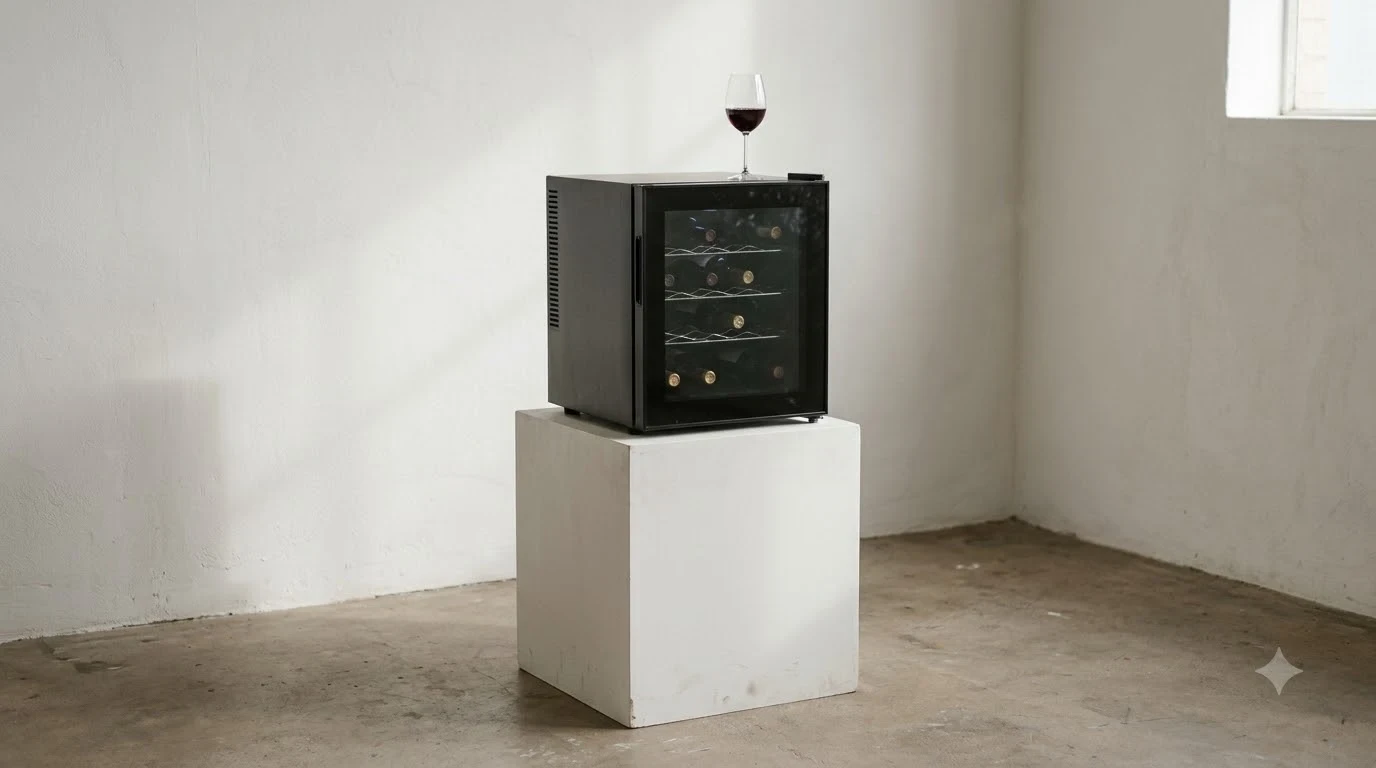
The best modern wine cooler for most spaces is a freestanding or flush unit with a glass door, a clean front panel and a steady digital temperature display. Contemporary styling works best in open kitchens and living rooms where the cooler is in view, while compact versions suit small apartments and dark-finish models fit home bars. Check the finish, the vent path and the temperature range before you choose, because the look of a modern cooler only pays off if it keeps wine stable.
Modern wine coolers have moved from a utility appliance to a piece of furniture. Flat fronts, minimal handles, interior lighting and matte or stainless finishes let them sit beside a kitchen island or a sideboard without looking out of place. The options below are grouped by the setting and the way people use the unit, so you can narrow the choice before you compare specific products.
Style and storage are separate questions. A cooler can look very contemporary and still be a poor match for long aging, and a plain unit can hold a steady temperature for years. Decide what the cooler has to do first, then choose the look that fits the room.
Quick Comparison of Modern Wine Cooler Styles
Most contemporary coolers fall into five families. They differ in how they are installed, how much floor or counter space they take, how many temperature zones they offer and how their finish reads in a room. The table below compares those points so you can match a style to a setting.

| Style | Temperature zones | Footprint | Look | Best suited for |
|---|---|---|---|---|
| Glass-door freestanding | One | Floor space, with airflow at the back and sides | Bright, shows bottles and lighting | Open kitchens and display areas |
| Flush built-in | One or two | Fits a cabinet opening, front vent | Blends into the cabinetry | Kitchens where storage should look built in |
| Compact countertop | One | Small, sits on a counter | Minimal, often solid door | Small apartments and tight kitchens |
| Dark-finish bar cooler | One | Medium, freestanding | Matte black or deep tones | Home bars and media rooms |
| Dual-zone modern | Two | Larger, freestanding | Clean front with a digital panel | Entertaining and mixed whites and reds |
The table shows the main trade-off. Glass doors give the most visual appeal, but they let more light in, which matters for wine. A solid door or a tinted glass panel protects bottles better, and that is worth weighing against how much the display is meant to show.
Best for a Flush Glass-Door Cooler in an Open Kitchen
A flush glass-door cooler suits an open kitchen where the unit sits at the edge of an island or within a run of cabinets and is seen from the dining area.
Why it stands out: The glass front shows the bottles and interior lighting, which gives the cooler a finished look without extra decoration. Flush models sit at the same depth as the surrounding cabinetry, so the kitchen reads as one design.
Keep in mind: Glass lets light reach the bottles, so keep the cooler away from direct sun and choose a model with a tinted or double-paned door if the room gets bright. Confirm the vent path before installing a flush unit, since the cabinetry around it must not block airflow.
Best for: Open-plan kitchens and homes where the cooler is part of the visual design rather than hidden in a utility room.
Best for a Freestanding Cooler as a Living Room Feature
A freestanding modern cooler works in a living room, lounge or dining area where the unit is meant to be seen and used at the same time.
Why it stands out: A freestanding unit can be placed anywhere with a power outlet and open space around it, which makes it easy to move when the room changes. Clean fronts and digital panels keep the appearance calm, so the cooler blends into a space with other furniture.
Keep in mind: Freestanding coolers need airflow at the back and sides, and they take more floor space than built-in models. Position the unit away from radiators, heating vents and windows that let in afternoon sun, since those conditions push the internal temperature out of its best range.
Best for: Living rooms and dining areas where guests see the cooler and the owner wants a stable setting without a separate cellar.
Best for a Compact Modern Cooler in a Small Apartment
A compact modern cooler fits a small apartment, studio or tight kitchen where floor space is limited and the unit has to sit on a counter or in a narrow gap.
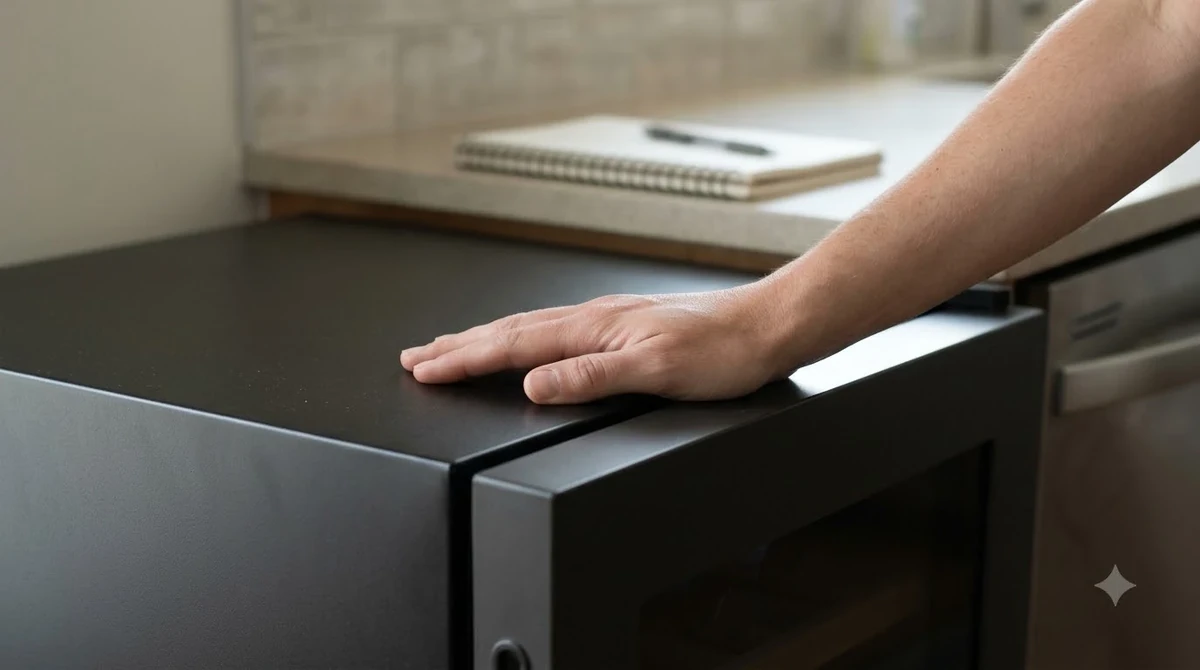
Why it stands out: A small footprint keeps a modest collection close to the table without taking space from cooking or storage. Many compact models use a solid door, which reads as minimal and also limits light exposure for the bottles.
Keep in mind: Compact units hold fewer bottles, and some run warmer in a hot room, so check the rated count and the ambient temperature range in the manual. A small cooler is best for wine you drink within a few weeks rather than for long-term storage.
Best for: Renters, small households and anyone who wants a tidy setup that fits under or beside existing counters.
Best for a Dark-Finish Cooler in a Home Bar
A dark-finish cooler suits a home bar, media room or lounge corner where a matte black or deep-toned front matches the furniture and lighting.
Why it stands out: Dark finishes read as contemporary and hide fingerprints better than bright stainless, which helps in rooms that are used every evening. They also blend with cabinetry in moody lighting setups.
Keep in mind: Dark surfaces absorb more heat from nearby light and sun, so place the unit away from bright lamps and windows. Look at the finish closely in person, since matte coatings can show scuffs differently from glossy ones.
Best for: Home bars, entertainment rooms and spaces where the cooler is part of a themed corner.
Best for a Dual-Zone Modern Cooler for Entertaining
A dual-zone modern cooler gives two temperature settings in one cabinet, which suits households that host and serve whites and reds at different temperatures.
Why it stands out: Two zones let whites sit at a cooler setting and reds at a warmer one, matching how the bottles are usually served. A clean digital panel usually controls both zones, which keeps the front uncluttered while still giving control.
Keep in mind: Each zone holds fewer bottles than a single-zone unit of the same size, and the internal shelving may limit the shapes that fit. Check the shelf layout and whether the two sections are separated well enough to hold different settings.
Best for: Hosts who serve several styles at one meal and want both colors ready without moving bottles between rooms.
How to Choose the Right Modern Wine Cooler
Choose the look after you decide how the cooler will be used. The checks below cover the practical points that matter most in a contemporary setting.
- Placement: Freestanding units need airflow at the back and sides, while flush units need a clear vent path in the cabinetry.
- Door type: A glass door shows the collection, a solid or tinted door limits light exposure for the wine.
- Temperature control: A display that shows the actual temperature, with small steps, helps you keep the setting stable.
- Zones: One zone suits one wine habit, two zones suit homes that serve whites and reds at clearly different temperatures.
- Finish: Matte dark tones hide marks well, while stainless and light finishes show more fingerprints.
- Capacity: Compare the rated count with the number of bottles you actually keep, and leave room for wider bottles.
Storage temperature still matters more than the look. The Wikipedia article on wine cellars gives a range of 7–18 °C (45–64 °F) that wine can tolerate when changes are gradual, and it calls 13 °C (55 °F) ideal for short-term storage and long-term aging. It also says swings of 14 degrees or more are said to make wine breathe through the cork. A modern cooler that holds a steady setting in that range is doing its job, whatever its finish. To see how the wider range of cooler sizes lines up with different spaces, browse the wine fridges sorted by type and match the style to the room.
The Wikipedia article on wine cellars is the reference for the temperature figures above.
Frequently Asked Questions
Is a glass-door modern wine cooler bad for wine?
Not necessarily, but glass lets light reach the bottles. Choose a tinted or double-paned door if the cooler sits in a bright room, and keep it away from direct sun to protect the wine over time.
Can a compact modern cooler store wine for years?
A compact unit is better suited to wine you drink within a few weeks. For long aging, a larger cooler with a steady temperature range and a solid door is the more reliable choice.
Should I choose a dark finish or stainless steel?
Dark matte finishes hide fingerprints and suit home bars, while stainless and light finishes show marks more easily. Pick the finish that matches the room and the amount of cleaning you are willing to do.
Do I need a dual-zone cooler for a modern look?
No. A single zone is enough for most households with one main wine habit. Dual zones help when you serve whites and reds at clearly different temperatures and want both ready at the same time.
Once the style and zone count are settled, compare the practical points that decide daily use, such as temperature control, placement and the vent path. If you want a built-in look, an under counter wine cooler is worth comparing, and a single zone wine cooler is the simpler option for a single wine style.
More in Wine Fridges by Type
 Best White Wine Fridge for Reliable Chilling and StorageUpdated Nov 20, 2026
 Best Smart Wine Fridge for Steady Temperatures and Remote ChecksUpdated Nov 18, 2026
 Best Black Under Counter Wine Fridge Options for Kitchens and IslandsUpdated Nov 18, 2026
 Best Black Slim Wine Fridge for Narrow Gaps and Dark KitchensUpdated Nov 18, 2026
 Best Built In Dual Zone Wine Fridge Options by Kitchen LayoutUpdated Nov 18, 2026
 Best Slim Built in Wine Cooler: 5 Space-Saving Styles for Tight KitchensUpdated Nov 18, 2026