

We may earn a commission when you buy through links on this page, at no extra cost to you. Learn more.
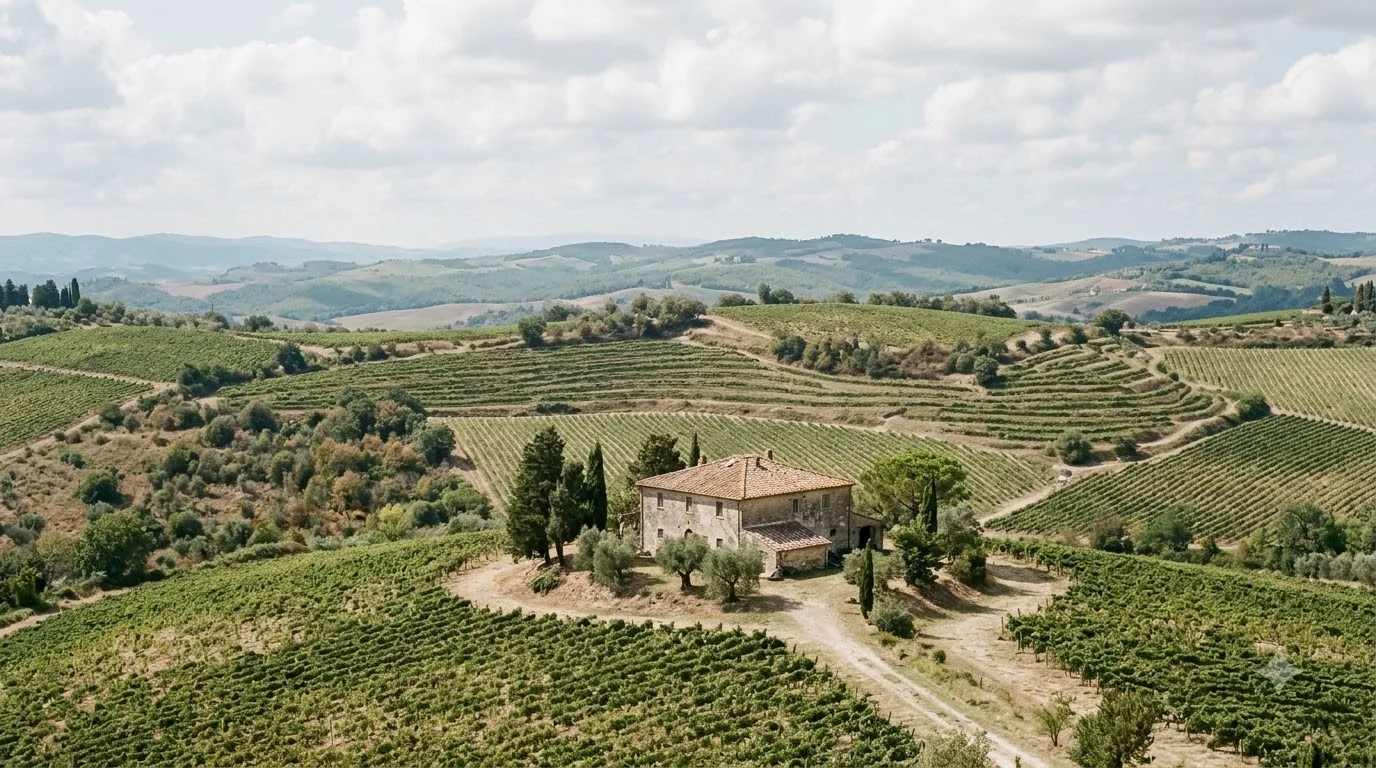
The missouri wine region is a historic American wine-growing area known for the country’s first federally recognized AVA, distinctive hybrid grapes, and its signature Norton red wine. Located across several different landscapes, Missouri combines nineteenth-century German winemaking traditions with modern viticulture and a growing collection of distinctive wineries. Its five designated wine-growing areas produce everything from structured dry reds to aromatic whites, sparkling wines, and sweet dessert styles.
Missouri deserves attention from wine drinkers looking beyond the familiar California, Oregon, and Washington wine regions. Its history reaches back to the early nineteenth century, while its modern wine industry reflects the challenges of a continental climate, locally adapted grape varieties, and an enduring connection to European immigrant traditions. Understanding its geography, signature grapes, and principal wine towns makes it easier to appreciate what Missouri bottles bring to the table.
How Missouri Became an Important American Wine Region
Missouri’s wine history began long before the modern American wine industry took shape. German immigrants established vineyards along the Missouri River during the 1830s, and their communities eventually developed into important commercial wine centers.
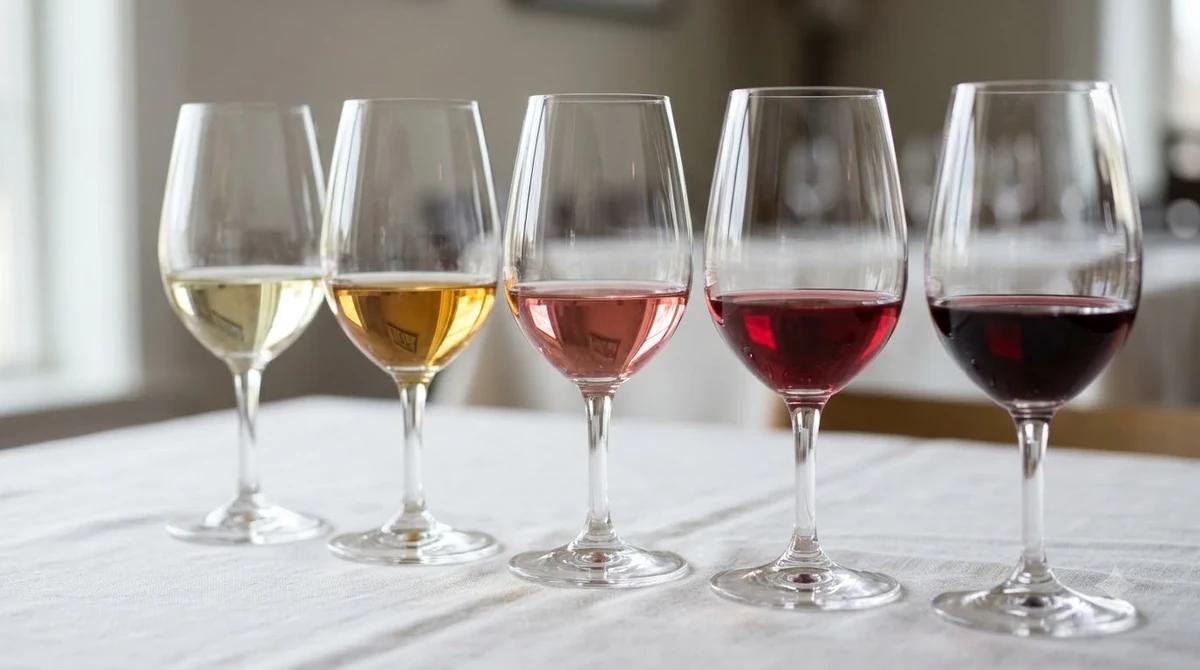
The town of Hermann became particularly important. Established in 1837, it attracted German settlers who recognized similarities between the surrounding landscape and familiar European wine-growing areas. They planted vineyards, established wineries, and developed a local wine culture that became influential throughout the nineteenth century.
By the 1850s, the Hermann area reportedly supported nearly 60 wineries producing more than 10,000 gallons of wine annually. Italian immigrants also contributed to Missouri’s developing wine industry, particularly around St. James. The combination of immigrant knowledge, regional grape-growing experimentation, and expanding commercial production helped Missouri become one of the country’s significant early wine-producing states.
Missouri also played an unexpected role in European viticulture. During the 1870s, phylloxera, a destructive root-feeding insect, devastated vineyards throughout France and other European wine-growing areas. American grape species possessed resistance to the pest, and Missouri researchers and growers contributed valuable knowledge and resistant rootstocks to European recovery efforts.
C. V. Riley, Missouri’s state entomologist, was among the important figures associated with research into phylloxera resistance. American rootstocks subsequently became essential to rebuilding European vineyards. This historical contribution connects Missouri to the survival of many traditional European wine regions.
Prohibition brought a severe interruption. Beginning in 1920, the national ban on alcohol destroyed much of Missouri’s established wine industry. Vineyards were abandoned or removed, wineries closed, and historic wine-producing communities lost much of their commercial activity.
The recovery took decades. Jim and Betty Held reopened Stone Hill Winery in 1965, while Jim and Pat Hofherr established St. James Winery in 1970. These families helped rebuild production and encouraged renewed interest in locally adapted grapes.
Federal recognition of Augusta as the first American Viticultural Area in 1980 gave Missouri another important milestone. The state’s wine industry subsequently developed a stronger identity based on regional geography, grape research, and the revival of historic producers.
The Five AVAs and Their Distinctive Geography
The Missouri wine region includes five recognized AVA designations associated with different landscapes, soils, and grape-growing conditions. Augusta and Hermann are closely connected to the Missouri River Valley, while the larger Ozark Mountain and Ozark Highlands areas extend into southern Missouri.
An American Viticultural Area is a federally recognized grape-growing region defined by distinguishing geographical characteristics. An AVA designation identifies a wine’s geographical origin rather than guaranteeing a particular quality level or production method. Under federal labeling rules, at least 85 percent of the grapes used in a wine labeled with an AVA must come from that designated area.
Augusta AVA
Augusta received federal recognition on June 20, 1980, making it the first AVA in the United States. Its approximately 15 square miles surround Augusta, west of St. Louis, near the Missouri River.
The area’s historical importance comes from its established nineteenth-century vineyards and distinctive growing conditions. Its position near the river creates a landscape of rolling hills and varied exposures. These geographical differences influence vineyard placement and the conditions individual grape varieties experience.
Augusta’s historic status makes it an excellent starting point for understanding Missouri wine. Visitors can explore established producers, vineyard landscapes, and tasting rooms while learning how the area’s early wine-growing traditions influenced the broader state industry.
Hermann AVA
The Hermann AVA was recognized in 1983 and encompasses approximately 51,200 acres between St. Louis and Jefferson City. German immigration and nineteenth-century vineyard development remain central to its identity.
Hermann offers a particularly strong connection between wine and regional food culture. Traditional German influences appear in local restaurants, with dishes such as schnitzel, bratwurst, and German potato salad providing natural companions for regional wines.
The region also contains historically significant wineries, including Stone Hill, Adam Puchta, and Hermannhof. Their different approaches demonstrate how the area’s traditional wine culture continues to develop.
Ozark Mountain AVA
Established in 1986, the Ozark Mountain AVA covers approximately 3.5 million acres across southern Missouri, northwestern Arkansas, and northeastern Oklahoma. It is considerably larger than the other Missouri-centered wine-growing areas.
Several smaller AVAs lie within its boundaries, including Augusta, Hermann, and Ozark Highlands. This geographical relationship matters because an individual vineyard can belong to a smaller, more specific AVA while also being situated inside the broader Ozark Mountain designation.
Ozark Highlands AVA
The Ozark Highlands AVA was designated in 1987 and covers approximately 1.28 million acres across portions of 11 Missouri counties. St. James is one of its important wine-producing communities.
The region’s landscape includes the rolling terrain associated with the Ozarks. Producers work with grape varieties suited to the local growing conditions, including Norton and other American or French-American hybrids.
Loess Hills District AVA
The Loess Hills District AVA was established in 2016 and extends through northwestern Missouri and western Iowa. It is distinguished by deep deposits of windblown loess soil and a landscape of rolling to steep hills.
Loess is particularly interesting from a vineyard perspective because its depth allows roots to penetrate the ground while its drainage characteristics can help manage excess water. Soil composition and slope influence how individual vineyard sites perform.
The following table summarizes the five designations and their geographical characteristics.
| AVA | Recognition year | Approximate area | Geographical distinction |
|---|---|---|---|
| Augusta | 1980 | 15 square miles | Missouri River Valley near St. Louis |
| Hermann | 1983 | 51,200 acres | Historic German-American wine country |
| Ozark Mountain | 1986 | 3,500,000 acres | Southern Missouri and neighboring states |
| Ozark Highlands | 1987 | 1,280,000 acres | South-central Missouri, including St. James |
| Loess Hills District | 2016 | 12,897 square miles | Northwestern Missouri and western Iowa |
These figures describe different types of geographical measurements, so square miles and acres should not be compared without conversion. The important distinction is that Missouri’s wine country is not one continuous vineyard landscape. It consists of several geographically distinct areas with their own growing conditions and historical identities.
Norton and the Grapes That Define Missouri Wine
Norton is the most recognizable grape associated with Missouri and has been the state’s official grape since 2003. However, the state’s wine identity extends beyond this distinctive red variety to include hybrid whites, aromatic grapes, and other reds adapted to regional conditions.
Norton: Missouri’s Signature Red
Norton, also known as Cynthiana, is identified botanically as Vitis aestivalis. Unlike many internationally familiar European wine grapes, it belongs to an American grape species and has a long history of cultivation in Missouri.
The Missouri Secretary of State identifies Norton as the official state grape and describes it as adaptable and self-pollinating. Its hardy growth characteristics make it particularly valuable in a region where summer heat, winter cold, and seasonal weather changes can challenge grape production. The state’s official description of the Norton/Cynthiana state grape also highlights its long history and importance to Missouri winemaking.
Norton typically produces a full-bodied red wine with substantial color, dark-fruit character, and a firm structure. Depending on the producer and winemaking approach, its aromas and flavors can include blackberry, black cherry, plum, spice, and earthy notes.
Some examples receive oak aging, which can contribute additional texture and flavors such as vanilla, toast, and baking spice. Others emphasize fruit and freshness through different fermentation and aging choices.
Norton is not necessarily a simple substitute for Cabernet Sauvignon. Although both can produce structured red wines, their grape characteristics and flavor profiles differ. Norton has its own identity, and its acidity and dark-fruit character make it particularly interesting with hearty regional food.
Chambourcin
Chambourcin is another important red grape in Missouri. It generally produces lighter-bodied or medium-bodied wines than Norton, with red-fruit, herbal, and earthy characteristics.
Its versatility allows producers to create different styles, including fruit-forward reds and wines with more pronounced structure from oak aging. Chambourcin can appeal to drinkers who prefer a less powerful red while still wanting something with savory character.
Vignoles
Vignoles is one of Missouri’s most interesting white grapes. This French-American hybrid can produce dry, aromatic wines as well as sweeter dessert-style expressions.
Dry Vignoles may show citrus, pineapple, apple, and floral characteristics. Its natural acidity can give the wine freshness, particularly when producers balance ripeness and sweetness carefully.
Sweet Vignoles provides another option for drinkers who enjoy fruit-driven wines. The grape’s aromatic character can work particularly well with fruit desserts and mildly sweet dishes.
Vidal Blanc and Chardonel
Vidal blanc is valued for its adaptability and is used in Missouri sparkling wine production. Depending on the producer, it can also appear in still wines with citrus, orchard-fruit, and floral characteristics.
Chardonel is a hybrid created from Seyval blanc and Chardonnay. It combines the regional adaptability of hybrid viticulture with some of the familiar characteristics associated with Chardonnay-based wines.
Stainless-steel fermentation can emphasize fresh fruit, while oak aging may introduce a richer texture and additional complexity. Producers can therefore make very different wines from the same grape depending on their intended style.
Other varieties, including Riesling and Seyval blanc, also contribute to Missouri’s white-wine selection. The overall range means visitors should not assume that every local white wine will be sweet or that every red will be heavy.
What Missouri Wines Taste Like
Missouri wines cover a broader range of flavors and sweetness levels than their historical reputation sometimes suggests. Norton is generally the best-known dry red, while Vignoles, Vidal blanc, Chardonel, and Riesling offer several different white-wine experiences.
The state’s continental climate creates important growing challenges. Warm summers can help grapes achieve ripeness, while cold winters and variable seasonal conditions require producers to select suitable varieties and manage vineyards carefully.
American and French-American hybrid grapes are particularly important because they can offer useful growing characteristics in climates where some traditional European varieties are more difficult to cultivate consistently.
Dry and Structured Red Wines
Norton is the obvious starting point for someone interested in Missouri red wine. Its full-bodied style, dark-fruit flavors, and firm acidity make it a natural choice for drinkers who enjoy concentrated reds.
Chambourcin provides a different experience. Its lighter body and red-fruit profile can make it more approachable for people who find heavily structured wines too intense.
Some Missouri producers also work with Cabernet Sauvignon, Merlot, and other familiar varieties. These wines provide a useful comparison between traditional international grapes and regional hybrids.
Fresh and Aromatic Whites
Dry Vignoles and Vidal blanc are good introductions to Missouri white wines. Their fruit-forward character can include citrus, green apple, tropical fruit, and floral notes.
Chardonel offers another direction, especially for drinkers who appreciate Chardonnay. Depending on the production method, it can be crisp and fresh or fuller in texture with more pronounced oak influence.
Sweet and Dessert Wines
Missouri also has a substantial tradition of sweeter wine styles. Sweet Vignoles and other fruit-forward expressions appeal to drinkers who prefer noticeable residual sugar.
The key distinction is between grape variety and finished wine style. A particular grape does not automatically determine sweetness. Fermentation choices and winemaking techniques influence how much natural grape sugar remains in the finished bottle.
Back blending, for example, involves adding unfermented grape juice to finished wine to adjust its sweetness and balance its acidity. This approach can be useful with naturally high-acid varieties.
For readers exploring other distinctive regional wine traditions, the Savoie wine region offers another interesting comparison, particularly for its use of locally adapted grapes and its strong connection to regional cuisine.
Missouri Wineries and the Best Areas to Explore
Missouri’s best-known wine destinations are concentrated around Augusta, Hermann, and St. James, although interesting producers operate in other parts of the state. These communities offer different combinations of historic architecture, vineyard scenery, regional food, and contemporary winemaking.
Augusta and Its Historic Vineyards
Augusta is an excellent introduction to Missouri wine country because of its place in American wine history. The small AVA provides a concentrated setting for visiting vineyards and tasting rooms without needing to cross the entire state.
Noboleis Vineyards is one producer highlighted for its experimentation with different styles, including orange wine and port aged in apple brandy barrels. The winery also offers vineyard scenery and food options.
Other Augusta-area producers include Mount Pleasant Estates, Augusta Winery, and Montelle Winery. Their offerings provide an opportunity to compare different approaches to regional grape varieties.
Hermann and Its German Heritage
Hermann is particularly appealing to visitors interested in historical wineries and traditional regional food. Its German-American heritage remains visible in its architecture, restaurants, and wine culture.
Stone Hill Winery is one of Missouri’s most important historic producers. Its extensive underground limestone cellars are a notable feature, and its wines include Norton alongside other regional varieties.
Adam Puchta Winery has operated under the Puchta family since 1855. Its long history makes it an especially significant stop for understanding how Missouri winemaking survived through changing generations.
Hermannhof Winery, founded in 1858, is another important destination. Its modern wine selection includes sparkling wine made with Vidal blanc and Chardonel.
Visitors interested in traditional food should also consider the local restaurants and food producers. Schnitzel, bratwurst, smoked meats, and regional cheeses provide excellent opportunities to explore wine and food pairings.
St. James and the Ozark Highlands
St. James is a major wine destination in the Ozark Highlands. The town is home to St. James Winery, which has contributed to the modern development of Missouri wine since 1970.
Its selection includes local varieties such as Norton, Chambourcin, and Vignoles, with both dry and sweeter options available. This makes the winery a useful stop for visitors who want to compare several Missouri grapes in one location.
Other Interesting Producers
Missouri’s wine scene extends beyond the most established destinations. Röbller Vineyard in New Haven is notable for its limestone-rich vineyard soils and dry Vignoles wines.
Chaumette Vineyards in the St. Genevieve area combines wine production with hospitality and dining. Its stainless-steel-fermented Chardonel provides an example of how producers can emphasize freshness rather than oak influence.
Les Bourgeois Vineyards in Rocheport is another useful destination, particularly for sparkling wine. Its Vidal blanc brut demonstrates that Missouri producers are not limited to still reds and sweet whites.
Visitors can also explore regional routes connecting multiple producers. The best itinerary depends on whether the priority is historical wine country, contemporary experimentation, or a combination of wine tasting and local dining.
Missouri Wine Pairings, Serving Temperatures, and Buying Tips
Missouri wines are particularly rewarding with foods that reflect the state’s agricultural and culinary traditions. Norton works with substantial meat dishes, while aromatic whites and sparkling wines offer more flexible choices for lighter meals and appetizers.
Food Pairings for Norton and Other Reds
Norton’s full body, dark-fruit flavors, and acidity make it a strong partner for grilled beef, smoked pork, and game. Its structure works particularly well with rich dishes containing fat and protein.
Try Norton with smoked brisket, grilled steak, barbecue ribs, or venison. Salt and fat can soften the perception of tannin, while the wine’s acidity helps balance rich meat dishes.
Chambourcin is more versatile with moderately rich dishes. Roasted chicken, grilled pork, mushroom dishes, and sausages can complement its lighter body and red-fruit flavors.
Pairing Missouri White Wines
Dry Vignoles is a natural match for roast chicken, grilled vegetables, fresh goat cheese, and seafood. Its acidity can help refresh the palate between bites.
Vidal blanc works well with shellfish, mild fish dishes, and lighter appetizers. Sparkling versions are particularly useful with fried foods because bubbles and acidity provide contrast to the richness of the dish.
Chardonel can accompany roast poultry, creamy pasta, and mild cheeses. Unoaked examples tend to work better with delicate flavors, while fuller oak-influenced styles can handle richer sauces.
Sweet Wines and Dessert
Sweet Vignoles can accompany fruit tarts, peach desserts, and lightly sweet pastries. The basic rule is to serve a wine at least as sweet as the dessert, otherwise the wine can taste thin or sharply acidic.
For stronger desserts, choose a sweeter wine with enough acidity to maintain balance. A moderately sweet white may work with fruit-based desserts, while richer desserts generally require a more concentrated wine.
Serving Temperatures
Serving temperature can change how a Missouri wine tastes. Reds served too warm may seem alcoholic and heavy, while whites served too cold can lose their aromatic detail.
| Wine style | Recommended temperature |
|---|---|
| Sparkling wine | 40–50°F |
| Light white wine | 45–50°F |
| Full-bodied white wine | 50–55°F |
| Light-bodied red wine | 55–60°F |
| Full-bodied red wine | 60–65°F |
| Sweet white wine | 43–50°F |
Practical Buying and Storage Advice
When purchasing Missouri wine, begin with the grape variety and preferred sweetness level. A drinker who enjoys structured reds should start with Norton, while someone who prefers aromatic whites may find dry Vignoles or Vidal blanc more appealing.
Look for information about the AVA and producer as well. A bottle from Hermann may offer a different geographical and historical context from one produced in the Ozark Highlands or Augusta.
Storage also matters. Keep unopened bottles in a cool, dark location near 55°F, with cork-finished bottles stored on their sides. Avoid locations exposed to direct sunlight or frequent temperature changes.
Most still wines are best consumed within several days after opening. Refrigerating an opened bottle can help preserve its freshness for approximately three to five days, although delicate wines may lose their aromatic character sooner.
Tip: If you are new to Missouri wine, arrange a tasting that includes Norton, Chambourcin, dry Vignoles, and a sweeter Vignoles. Comparing these four styles gives you a practical introduction to the state’s most distinctive grape varieties and the range of sweetness and structure its producers offer.
Missouri wine also makes an interesting comparison with other regions that have developed distinctive identities through local grapes and challenging growing conditions. The Tasmania wine region provides a useful contrast because of its cooler climate and strong emphasis on sparkling wine and aromatic whites. Readers interested in a broader geographical overview can also explore wine regions around the world.
Frequently Asked Questions
Was Missouri’s Augusta AVA recognized before Napa Valley?
Yes. Augusta received federal AVA recognition on June 20, 1980, while Napa Valley received its designation on January 28, 1981. This made Augusta the first federally recognized American Viticultural Area. The distinction concerns the date of federal recognition, not a claim that Augusta produces more wine than Napa.
Why is Norton sometimes called Cynthiana?
Norton and Cynthiana are names associated with the same grape variety, botanically identified as Vitis aestivalis. The name used can vary among producers and historical wine-growing communities. Missouri legislation officially identifies Norton/Cynthiana as the state grape under the botanical designation Vitis aestivalis.
Can Missouri wine be aged for several years?
Yes. Some structured Norton wines can develop additional complexity with bottle aging, particularly examples made with sufficient concentration and balanced acidity. Aging potential depends on the individual wine, its production method, and storage conditions. Not every Missouri wine is intended for extended cellaring, so fresh aromatic whites and lighter wines are generally better enjoyed younger.
What does AVA mean on a Missouri wine label?
AVA stands for American Viticultural Area, a federally recognized geographical designation for wine-grape-growing regions. Federal regulations generally require at least 85 percent of the grapes in a wine carrying an AVA name to originate within that area’s boundaries. The designation identifies geographical origin rather than establishing a minimum quality rating or a required grape variety.
Does Missouri produce sparkling wine using traditional methods?
Yes. Missouri producers make sparkling wines using grapes such as Vidal blanc and Chardonel. Some sparkling wines use the traditional method, in which the second fermentation takes place in the bottle, while others use alternative production techniques. The specific method depends on the producer and the wine’s intended style.
The Missouri wine region combines an important place in American wine history with distinctive grapes and an increasingly diverse modern industry. Norton, Vignoles, and Chambourcin provide excellent starting points for discovering its character, while Augusta, Hermann, and St. James offer rewarding destinations for wine-focused travel. Exploring several producers and styles is the best way to understand why Missouri remains one of America’s most distinctive regional wine destinations.
More in Wine Regions
 Willcox Wine Trail: Discover Arizona’s High-Elevation Wine CountryUpdated Nov 20, 2026
 Yakima Valley Wine Region: Find the Best Styles to TryUpdated Nov 20, 2026
 Vosne Romanee Wine Tasting: Identify Aromas and Choose Better PairingsUpdated Nov 20, 2026
 Yakima Valley Wine Festival: Find the Best Seasonal Wine EventsUpdated Nov 20, 2026
 Wales Vineyards: Discover Cool-Climate Wines and Where to VisitUpdated Nov 20, 2026
 Yountville Wine Festival: Discover Napa Wines and Local FoodUpdated Nov 20, 2026