

We may earn a commission when you buy through links on this page, at no extra cost to you. Learn more.
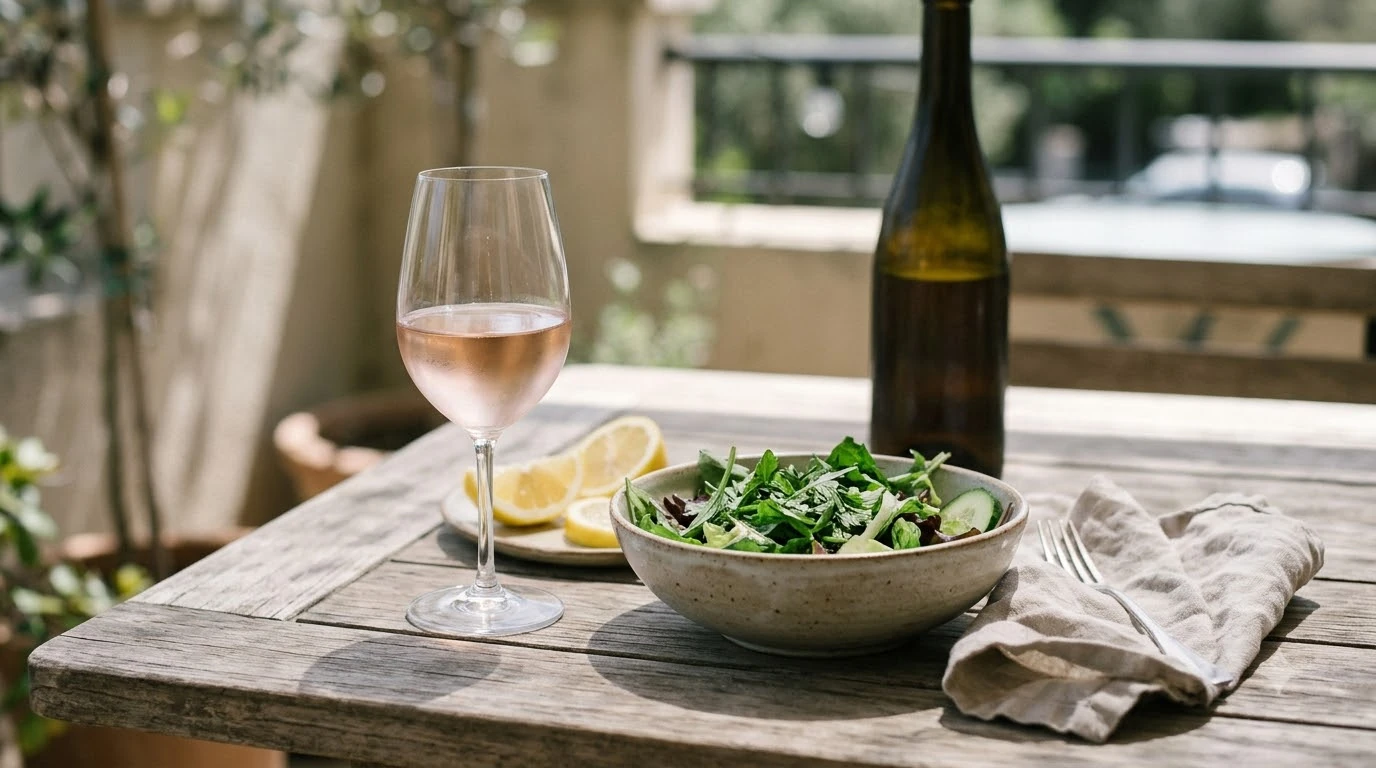
The typical Miraval rose price in the United States is approximately $18 to $28 for a 750 ml bottle, depending on the vintage, retailer, and local availability. The standard Miraval Côtes de Provence Rosé generally sits in the premium everyday rosé category, offering a dry, refreshing profile with citrus, white peach, floral aromas, and mineral notes. Before buying, compare the vintage, bottle size, and retailer listings to determine whether the asking price represents reasonable value.
Miraval Rosé has become a recognizable name among Provence rosé wines, appealing to shoppers who want an elegant French bottle for summer meals, entertaining, or casual dinners. However, the price can vary considerably between retailers, and different bottlings under the Miraval name should not be confused. This guide explains typical US retail costs, what influences the price, how to compare available options, and how to get the most from your purchase.
Who This Is For
Miraval Rosé is worth considering for shoppers who enjoy dry, pale-colored Provence wines and want something more distinctive than an inexpensive supermarket rosé. Its combination of fruit, acidity, floral character, and mineral freshness makes it suitable for both casual occasions and more carefully planned meals.

Buyers looking for a premium everyday rosé are the most obvious audience. A standard 750 ml bottle provides approximately five 5 oz servings, making it practical for a small dinner or an evening with friends. Its dry style also works well for people who prefer refreshing wines without noticeable sweetness. If you are comparing the wine’s overall character before purchasing, our Miraval Rosé tasting notes explain its aroma, palate, acidity, and finish in greater detail.
Shoppers interested in French wine regions may also appreciate its Côtes de Provence origin. The producer sources grapes from vineyards near Correns, north of Brignoles, in the heart of Provence. Clay and limestone soils, terraced vineyard sections, and cooler conditions for the area contribute to the setting behind the wine’s character.
It is also a reasonable option for people shopping for a wine gift. The recognizable name, pale-pink appearance, and association with Provence give it a more distinctive presentation than many basic rosés. However, shoppers primarily concerned with getting the lowest possible price may find less expensive alternatives that deliver a similar refreshing style.
Consider your intended occasion before paying a premium. For a special lunch, seafood dinner, or summer gathering, Miraval may offer the combination of presentation and wine character you want. For a large party where several bottles will be consumed, a less expensive Provence rosé could provide better value without sacrificing the general style.
Key Factors to Compare
The Miraval rose price depends on more than the wine’s name. Vintage, bottle size, retailer pricing, and the particular Miraval bottling all influence what you should expect to pay.
According to VinoAlert’s US retailer comparison, the 2025 standard Miraval Côtes de Provence Rosé typically sits around $18 to $28 per 750 ml bottle across its displayed retail listings. Its tracked average is approximately $19.95, although individual retailers can list the same vintage at different prices. Prices vary by state and retailer, and shipping, taxes, and local alcohol regulations can affect the final cost.
| Comparison factor | Typical information | Why it matters |
|---|---|---|
| Standard bottle | 750 ml | Approximately five 5 oz glasses |
| Half bottle | 375 ml | Approximately two and a half glasses |
| Magnum | 1.5 liters | Approximately ten 5 oz glasses |
| Large format | 3 liters | Approximately twenty 5 oz glasses |
| 2025 vintage alcohol | 13% ABV | Useful for comparing wine strength |
| Wine style | Dry Provence rosé | Suitable for savory food pairings |
| Typical serving temperature | 45–50°F | Preserves freshness and aromatic detail |
| Standard retail price range | About $18–$28 | Compare like-for-like 750 ml bottles |
The bottle-size comparison is particularly important. A half bottle is not necessarily a better value simply because its total price is lower. Likewise, a magnum costs more upfront but contains twice the wine of a standard bottle. Comparing the equivalent volume gives a more accurate picture of the purchase.
Vintage is another consideration. VinoAlert’s listings show that different vintages can have different retailer averages and availability. Its displayed 2024 listings include a wider spread than some 2025 listings, so an older vintage is not automatically cheaper or better value. Retailer inventory and the number of available listings also influence the apparent range.
Finally, compare the actual wine rather than relying on the word Miraval alone. The standard Côtes de Provence Rosé, Studio by Miraval, and other wines associated with the producer are separate purchasing options. Their origins, positioning, and prices should not be treated as interchangeable.
Tip: Compare the same vintage and bottle size across at least three retailers. A 750 ml bottle from one vintage should not be directly compared with a half bottle or a different Miraval label when judging value.
Step-by-Step: How to Find a Fair Miraval Rosé Price
A sensible purchase starts with identifying the exact bottle and then comparing equivalent listings. Following a consistent process helps avoid paying more simply because a retailer has limited stock or an older listing.
-
Identify the standard bottling.
Look for Miraval Côtes de Provence Rosé rather than assuming every product carrying the Miraval name is the same wine. The standard rosé is the main bottle to use when comparing typical retail prices.
-
Choose the vintage.
Determine whether you want the current release or are comfortable buying an earlier vintage. The 2024 and 2025 bottlings, for example, have separate listings and potentially different availability. Avoid comparing their prices as though they were identical inventory.
-
Confirm the bottle size.
Start with 750 ml because it is the standard comparison size. If you find a 375 ml half bottle or 1.5 L magnum, calculate the equivalent cost per 750 ml before making a decision.
-
Compare several US retailers.
Check independent wine merchants and larger retailers. VinoAlert aggregates listings from multiple US merchants, while retailers such as Total Wine and Target provide additional examples of retail availability. A broader comparison helps identify unusually high or low listings.
-
Check delivery and local availability.
Alcohol shipping restrictions vary by state. A retailer advertising nationwide shipping may still have restrictions for particular destinations. Pickup availability, shipping fees, and local taxes can change the total amount paid.
-
Compare the wine’s characteristics.
Review the grape blend, vintage, alcohol percentage, and tasting description. These details help confirm that the bottle matches your expectations rather than simply having a similar name.
-
Make the purchase based on the total value.
Consider the occasion, bottle size, freshness, and retailer reputation. A slightly higher price may be reasonable if the merchant offers better storage conditions, reliable delivery, or a more convenient pickup option.
For a useful starting point, the VinoAlert Miraval Rosé price comparison displays different vintages, bottle formats, and retailer listings. Its comparison is especially helpful for understanding why the same wine can have noticeably different advertised prices.
Do not make a purchasing decision based exclusively on the lowest displayed number. A listing may refer to an older vintage, a smaller format, or a retailer that does not ship to your state. Confirming these details before checkout makes the comparison more meaningful.
Types and Styles of Miraval Rosé Explained
Understanding the different wines sold under the Miraval name is essential because the standard Provence rosé is not the only option. Bottle design and branding can look similar, but the individual products have different positions and price expectations.
Standard Miraval Côtes de Provence Rosé
This is the main bottling shoppers usually mean when searching for Miraval Rosé. It is a dry rosé from Provence made with Cinsault, Grenache, Rolle, and Syrah. The blend brings together varieties associated with southern France, producing a wine designed around freshness, fruit, and balance.
The producer describes the wine as pale pink with silvery highlights. Its aromatic profile includes floral notes, grapefruit, and white peach, while the palate features white-fleshed fruit, saline character, and lemon-like freshness. These characteristics make it particularly suitable for warm-weather meals and seafood.
Studio by Miraval
Studio by Miraval is a separate wine in the producer’s portfolio. It provides another way to explore the Miraval style, but it should not be confused with the standard Côtes de Provence bottling when comparing prices.
Retail listings show that Studio by Miraval can occupy a lower retail price category than the standard wine. Total Wine, for example, lists the Studio bottling separately from standard Miraval Côtes de Provence Rosé. This distinction matters because a lower advertised figure may represent a different product rather than a cheaper listing for the same bottle.
Different Bottle Formats
Miraval Rosé is also available in multiple bottle sizes through certain retailers. Total Wine lists standard 750 ml bottles, 375 ml half bottles, and a 1.5 L magnum among its Miraval selections. VinoAlert also tracks larger formats, including 3 L bottles, in its historical and current retailer listings.
A half bottle can be practical when serving two people or when you want to avoid opening a full bottle. A magnum is more appropriate for a gathering because it contains twice the volume of a standard bottle. Larger formats also create a more impressive presentation for a dinner table.
However, format availability is not consistent across vintages or retailers. A particular vintage might be available in 750 ml bottles but difficult to find in a magnum. For that reason, compare the exact size and vintage rather than assuming all formats are available at the same time.
Understanding the Grape Blend
The standard wine’s four varieties contribute different characteristics. Cinsault is commonly used in southern French rosé for its fresh fruit character and relatively gentle structure. Grenache contributes ripe fruit, while Syrah can add additional structure and darker-fruit elements. Rolle, also known as Vermentino, brings aromatic freshness and citrus-oriented character.
The precise proportions are not provided in the producer’s general description, so it is better not to assume that one grape dominates every vintage. The important purchasing point is that this is a blended Provence rosé rather than a single-variety wine.
For shoppers interested in the broader category, our Wine Brands guide provides additional context for understanding producer positioning, wine styles, and differences between recognizable labels.
Common Mistakes When Comparing Miraval Rosé Prices
Most pricing confusion comes from comparing products that are not equivalent. A little attention to the label, bottle size, and vintage can prevent misleading comparisons.
Confusing Studio by Miraval With the Standard Wine
This is one of the most important mistakes to avoid. Studio by Miraval and standard Miraval Côtes de Provence Rosé are distinct products. A lower price for Studio does not automatically mean a retailer is offering a particularly inexpensive version of the standard wine.
Always compare the complete product name. The region, vintage, and bottle format should also match before drawing conclusions about whether a listing is expensive or inexpensive.
Ignoring Bottle Size
A 375 ml bottle contains half the wine of a 750 ml bottle. A 1.5 L magnum contains twice as much. Looking only at the total price can make smaller bottles appear more affordable even when their equivalent per-volume cost is higher.
For example, a half bottle should be compared with approximately half the cost of an equivalent standard bottle, not with the full 750 ml retail price. Larger formats should be evaluated using the same method.
Assuming Every Vintage Has the Same Value
Vintage differences affect both availability and pricing. Retailers may have limited stock of older releases, while the current vintage may be more widely distributed. This can create unexpected differences between listings.
For example, VinoAlert displays separate retailer averages for its 2024 and 2025 Miraval Rosé listings. The 2024 selection includes listings that are considerably cheaper than some other offers, but those prices do not establish that the wine is necessarily better value or that every bottle is equivalent.
Using One Retailer as the Entire Market
Retail prices can differ according to location, distribution arrangements, inventory, and store positioning. A single shop’s price is not a reliable measure of the entire US market.
Compare several merchants and consider whether the listed bottle is available for delivery or local pickup. Shipping fees can make a seemingly inexpensive bottle less attractive once the total order is calculated.
Overlooking Storage Conditions
Rosé is generally enjoyed for its fresh fruit and lively acidity. A bottle that has been exposed to excessive heat or direct sunlight may not deliver the expected aromatic freshness, regardless of its original retail price.
Choose a retailer that stores wine appropriately and avoids prolonged exposure to hot conditions. This is particularly relevant when ordering during warm weather or arranging delivery over several days.
Care and Storage Tips for Miraval Rosé
Proper serving and storage help preserve the refreshing character that makes Provence rosé appealing. Miraval is best approached as a fresh, aromatic wine, so temperature control and sensible storage matter more than elaborate preparation.
Serve at the Right Temperature
Serve Miraval Rosé at approximately 45–50°F. This temperature range is suitable for light-bodied whites and rosés, allowing the wine to retain its freshness while making its floral and fruit aromas accessible.
Serving it too warm can make the alcohol seem more prominent and reduce the crisp impression of its acidity. Serving it excessively cold can mute the grapefruit, white peach, and floral characteristics described by the producer.
If the bottle has been stored at room temperature, refrigerate it before serving. A wine thermometer can help achieve a more consistent result, particularly when preparing several bottles for a meal.
Choose Appropriate Glassware
A standard white wine glass is a practical choice. Its bowl provides enough room for the wine’s aromas to develop while keeping the serving manageable. There is no need for specialized or expensive glassware to enjoy this style of rosé.
Pour approximately 5 oz per serving. A 750 ml bottle provides about five such glasses, making it relatively easy to estimate quantities for a dinner or gathering.
Store Unopened Bottles Correctly
Keep unopened bottles in a cool, dark place away from direct sunlight and temperature fluctuations. A storage temperature near 55°F is a useful general target for wine. If the bottle has a natural cork, storing it on its side helps keep the cork in contact with the wine.
Avoid keeping rosé in a warm kitchen, near an oven, or in a sunny display area. Excessive heat can damage wine and cause it to lose its fresh aromatic character.
Preserve Opened Wine
After opening, reseal the bottle and place it in the refrigerator. Most opened still wines remain enjoyable for approximately three to five days when stored properly, although freshness and aroma can decline over that period.
For the best experience, consume the remaining Miraval Rosé within the first few days. Use a suitable wine stopper to limit air exposure, and return the bottle to the refrigerator promptly after pouring.
Pair It With Food
Miraval’s dry style and refreshing acidity make it flexible at the table. The producer specifically recommends aperitifs, salads, grilled dishes, Mediterranean cuisine, and sushi.
Seafood is another natural direction. Shrimp, grilled prawns, white fish, and shellfish can work well with the wine’s citrus and saline notes. Its acidity also provides a refreshing contrast to olive oil, grilled vegetables, and lightly seasoned dishes.
For a Mediterranean meal, try it with grilled chicken, tomato salads, fresh herbs, or seafood pasta. Avoid very spicy dishes if you want the wine’s subtle aromas to remain prominent, as chili heat can make alcohol seem more pronounced.
Frequently Asked Questions
Is Miraval Rosé considered a luxury wine?
Miraval is generally positioned as a premium Provence rosé rather than an entry-level everyday wine. Its recognizable branding, regional origin, and carefully described production process contribute to its market positioning. However, it is not necessary to treat every bottle as a luxury purchase, since its standard retail positioning remains accessible compared with many prestige wines.
Is Miraval Rosé suitable for vegetarians?
The producer’s general wine description does not establish the fining agents used for every vintage. Vegetarian suitability can depend on the production and clarification process, so shoppers with strict requirements should seek confirmation from the producer or retailer for the specific bottling.
Does Miraval Rosé have a screw cap or cork closure?
Closure details can depend on the particular bottling and market. Do not assume that every vintage or bottle format uses the same closure. Confirm the packaging details with the retailer if the closure type is important for your purchase or storage arrangements.
Can Miraval Rosé be used in a wine cocktail?
Yes. Its dry fruit profile can work in simple wine-based cocktails, especially recipes using citrus, sparkling water, or fresh berries. A basic rosé spritz can combine chilled rosé with sparkling water and a small citrus garnish. Avoid adding too much sweetener, as it can overwhelm the wine’s natural freshness.
Does Miraval Rosé need to be decanted before serving?
No. Standard Provence rosé is generally ready to serve once properly chilled. Unlike some young, full-bodied red wines that can benefit from 30–60 minutes of decanting, Miraval Rosé does not normally require aeration. Opening the bottle shortly before serving is sufficient for an ordinary meal or gathering.
Miraval Rosé is a compelling choice for shoppers who enjoy dry Provence wines with floral aromas, citrus freshness, and a mineral finish. A reasonable US purchasing target is approximately $18 to $28 for a standard 750 ml bottle, with the final cost depending on vintage, retailer, and location. Compare equivalent bottles, confirm the format, and choose a reputable merchant to make a more informed purchase.
More in Wine Brands
 Underwood Wine Price: Compare Bottles, Cans, and Pack SizesUpdated Nov 21, 2026
 Zenato Wine Price: Compare Styles and Choose the Right BottleUpdated Nov 21, 2026
 Zuccardi Wine Price: Compare Bottles and Find the Right RangeUpdated Nov 21, 2026
 Yellow Tail Moscato Review: Taste, Sweetness and Serving TipsUpdated Nov 21, 2026
 Wolf Blass Yellow Label Review: Choose Your Best StyleUpdated Nov 21, 2026
 Wolffer Estate Rose Review: Choose the Right Bottle for Your TableUpdated Nov 21, 2026