

We may earn a commission when you buy through links on this page, at no extra cost to you. Learn more.
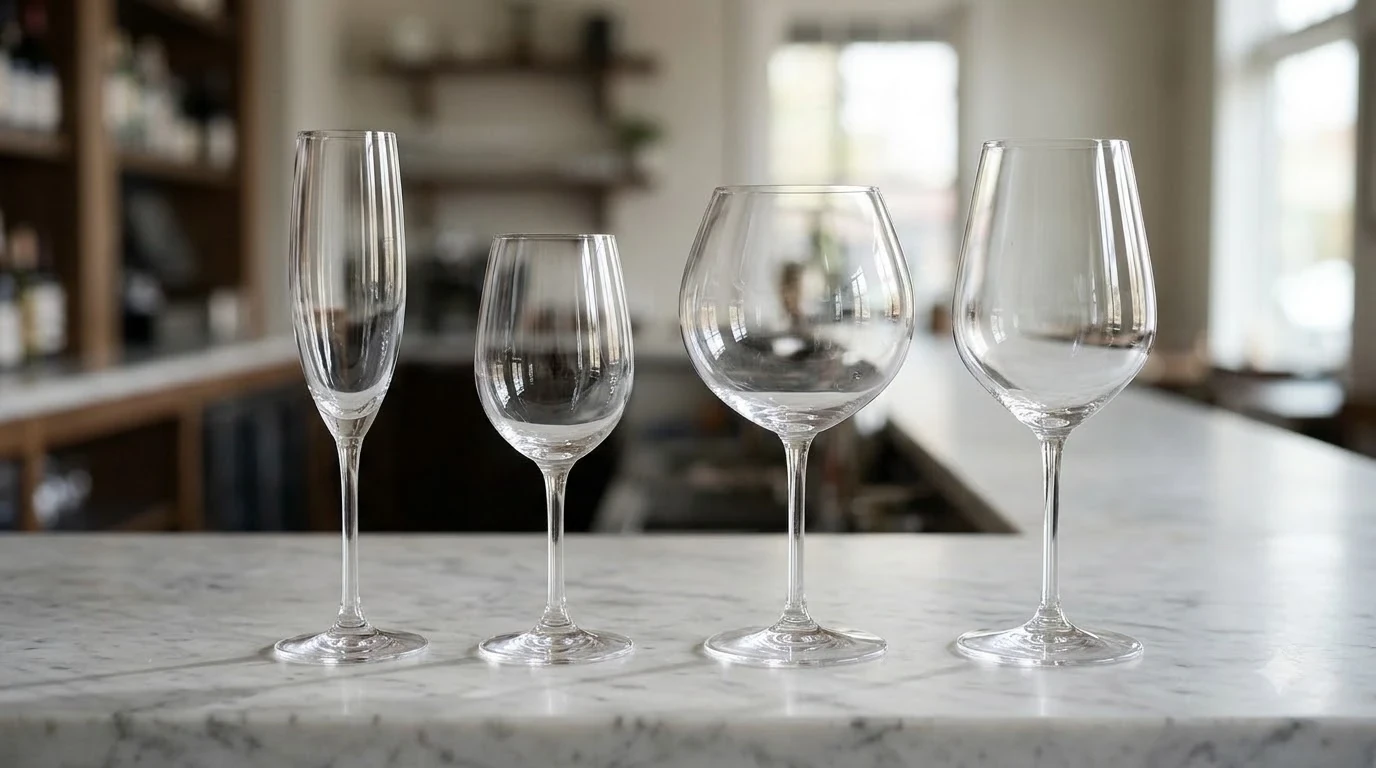
A mikasa wine glasses set of 4 offers dependable everyday crystal and distinctive etched patterns at an accessible household tier, making it a strong pick for casual entertaining rather than serious blind tastings. Collections like the signature Cheers line solve the party-glass mix-up problem with four distinct motifs, while plainer European lead-free crystal sets like Melody deliver cleaner lines and generous 20-ounce bowls. Buyers trade away the paper-thin, featherweight rims of sommelier-grade stemware in exchange for sturdier everyday durability and dishwasher convenience.
Shoppers searching for a four-piece box from Mikasa’s wine glass catalog quickly discover that the brand does not sell just one uniform style. Operating as a division of Lifetime Brands, Inc., Mikasa packages four-packs across multiple distinct product lines that vary in bowl volume, crystal composition, stem height, and surface decoration. Understanding how those lines differ—and where the brand’s thicker everyday rims fall short of specialty tasting glassware—helps match the right set to a home dining table.
Specs and Key Features Across Popular Mikasa 4-Piece Sets
Mikasa packages its core four-glass wine sets in capacities ranging from 16 ounces for white wine up to 24 ounces for full-bodied Bordeaux reds, using machine-blown lead-free crystal across most current lines. Rather than relying on a single universal bowl, the brand splits its catalog between decorative etched collections like Cheers and smooth, unadorned crystal lines like Melody and Upton.
The flagship Cheers line remains the most widely recognized four-pack in the catalog. According to Mikasa’s Cheers Bordeaux product specifications, each red wine glass stands 9.25 inches tall with a 3-inch rim diameter and a generous 24-ounce capacity. Instead of four identical bowls, the box includes four coordinating precision-etched motifs: polka dots, horizontal stripes, vertical stripes, and a spiral wrap. That built-in visual coding lets four guests keep track of their pour at a dinner party without attaching metal or silicone wine charms that clink against the bowl.
For households that prefer uncluttered glass that shows off a wine’s true color and legs, Mikasa produces smooth European lead-free crystal sets such as the Melody collection. Each Melody red wine glass measures 9.13 inches tall by 3.66 inches wide and holds 20 ounces, offering a classic tulip taper that directs aromas toward the nose without decorative frosting on the walls. Shoppers looking for compact cabinet storage or casual patio service can also choose Cheers white wine glasses at 16 ounces and 8.6 inches tall, or Cheers stemless tumblers in 14-ounce and 17-ounce sizes.
| Mikasa 4-Piece Set | Material | Capacity | Height | Rim / Width | Dishwasher Safe |
|---|---|---|---|---|---|
| Cheers Red Wine Bordeaux (Item #5095529) | Lead-free crystal | 24 oz | 9.25 in | 3.0 in rim | Yes (top rack) |
| Cheers White Wine (Item #5159282) | Lead-free crystal | 16 oz | 8.60 in | 3.40 in width | Yes (top rack) |
| Cheers Stemless Wine | Lead-free crystal | 14 oz or 17 oz | 4.50–5.0 in | 3.50 in width | Yes (top rack) |
| Melody Red Wine (Item #5275789) | European lead-free crystal | 20 oz | 9.13 in | 3.66 in width | Yes (top rack) |
Across these collections, Mikasa relies primarily on machine-blown and machine-pressed manufacturing methods, which keep wall thickness uniform and prices approachable compared to hand-blown European stemware. Standard wine service calls for a 5-ounce pour—yielding roughly five glasses from a standard 750-milliliter bottle—which leaves ample headroom inside a 20-ounce or 24-ounce Mikasa red bowl for swirling Cabernet Sauvignon or Syrah without sloshing wine over the lip.
What Owners Like About Mikasa Wine Glasses
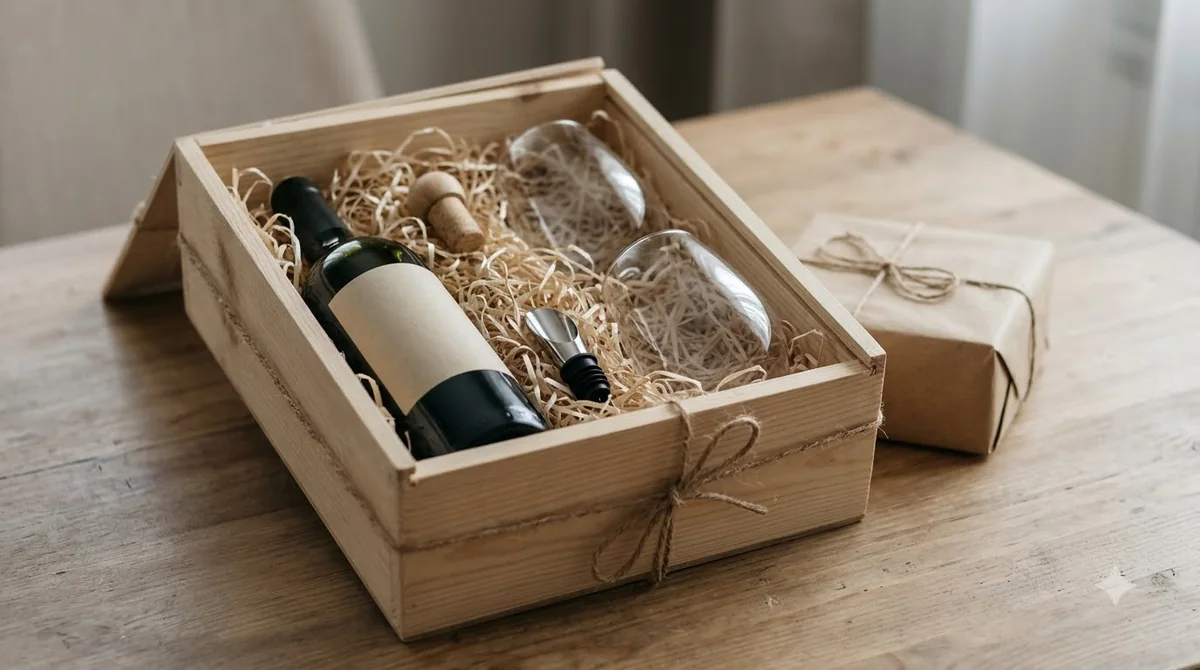
Verified buyers consistently praise Mikasa four-packs for their gift-ready packaging, balanced everyday weight, and practical host-friendly details that reduce table clutter. Across customer feedback on Mikasa’s storefront and major retailers, the practical appeal of distinct etched patterns and sturdy bases stands out far more than technical sommelier performance.
The biggest draw for social hosts is the individual pattern system in the Cheers collection. Owners frequently note that having four distinct patterns—dots, lines, and swirls—eliminates the usual guesswork when guests set their glasses down on a kitchen island or coffee table during a gathering. Because the etchings are carved directly into the crystal rather than painted on top, they do not peel or flake off after repeated wash cycles.
Owners also appreciate the reassuring heft and foot stability of Mikasa stemware compared to ultra-delicate tasting glasses. Many everyday wine drinkers feel anxious handling featherlight stems during weeknight dinners or outdoor gatherings, and Mikasa’s slightly thicker pulled stems and wide bases sit steadily on wooden tables and linen tablecloths. When paired with a standard 5-ounce pour of medium-acidity Chardonnay served at 50°F to 55°F or a full-bodied red served at 60°F to 65°F, the bowls feel substantial in the hand without feeling like clunky diner water goblets.
Tip: When loading 9-inch Mikasa Bordeaux or Melody stems into a home dishwasher, check the clearance beneath the upper spray arm first and space the bases at least one finger-width apart so water jets cannot knock adjacent bowls together.
Customer service responsiveness on transit breakage earns recurring praise as well. In verified buyer reviews on Mikasa’s website, shoppers who received a box with one cracked glass reported that a quick message to support resulted in prompt replacement pieces without having to repack and ship the entire four-glass carton back.
Common Complaints and Real-World Trade-Offs
The most frequent criticisms of Mikasa four-piece wine glass sets center on thicker rims, visual interference from heavy etching, and occasional fragility at the stem-to-base joint during shipping or hand drying. While casual hosts enjoy the decorative look, wine enthusiasts who prioritize aroma concentration and lip feel often spot clear limitations.
First, the rim thickness on Mikasa’s machine-blown everyday lines is noticeably heavier than what serious wine tasters expect from dedicated wine glasses. A rolled or slightly thicker lip interrupts the smooth flow of wine onto the palate, which becomes especially noticeable with delicate, high-acidity Pinot Noir or crisp Sauvignon Blanc. In comparative evaluations by Serious Eats, heavily etched Mikasa crystal scored poorly among sommeliers because decorative surface patterns obscure the wine’s clarity and a narrower, thicker-rimmed profile can mute subtle floral and fruit aromatics.
Second, buyers occasionally report stress points where the stem meets the foot or bowl. In manufacturer reviews and retail Q&A threads, a recurring complaint involves glasses arriving shattered in transit or snapping at the base when twisted with a dish towel during hand drying. Twisting the bowl in one direction while gripping the foot in the other puts torque directly on the narrowest part of the stem, a common failure mode for machine-joined crystal.
Third, care instructions vary slightly across Mikasa sub-lines and finishes. While clear etched Cheers glasses and plain Melody bowls are labeled dishwasher safe, Mikasa’s own crystal care guidelines warn that any glassware accented with 24-karat gold or platinum rims—found on several holiday and metallic Cheers editions—must be hand washed exclusively to prevent metallic stripping. Mixing up those care rules can ruin a decorative rim after just a few dishwasher cycles.
Who Should Buy and Who Should Skip
A Mikasa four-pack fits households that want attractive, giftable stemware for casual dinners, holiday hosting, and everyday pours without worrying over fragile luxury crystal. Conversely, collectors who taste complex aged wines or demand ultra-thin, laser-cut rims will be happier spending their budget elsewhere.
Who Should Buy
- Casual hosts and frequent entertainers. The four distinct patterns in a Cheers set make it simple for small groups of four to eight guests to track their drinks without accessories, and the gift box presentation works well for weddings or housewarmings.
- Everyday weeknight wine drinkers. Buyers who pour 5 ounces of mid-week Merlot, Pinot Grigio, or rosé and want a glass that can go safely into the top rack of a dishwasher get solid convenience and decent bowl volume for decanting young reds in the glass.
- Households replacing mismatched glasses on a moderate budget. Standardized four-piece sets make it easy to buy two boxes for a full table of eight while keeping replacement pieces accessible through major US retailers.
Who Should Skip
How Mikasa Compares to Alternatives
Compared to rival glassware brands tested by independent culinary reviewers, Mikasa sits squarely in the decorative, mid-tier household category rather than the performance-tasting segment. While competitors focus on ultra-thin rims or titanium-reinforced durability, Mikasa prioritizes visual pattern variety and approachable everyday weight.
In Serious Eats’ comparative testing of universal wine glasses, sommelier-favored brands like Riedel, Zalto, and Gabriel-Glas outperformed Mikasa’s etched crystal because their smooth, ultra-thin rims allow wine to flow onto the tongue without a noticeable glass ridge. A wide, tapered universal bowl from those European makers concentrates volatile aromatics from high-acid Riesling or structured Cabernet Sauvignon far more effectively than a heavily frosted or patterned wall. However, featherweight hand-blown stems from boutique makers require careful hand washing and carry a much higher anxiety factor during lively dinner parties.
Against mass-market everyday alternatives such as Libbey or Schott Zwiesel, Mikasa occupies a middle ground. Libbey’s basic soda-lime glass four-packs tend to feel heavier and less brilliant in clarity than Mikasa’s lead-free crystal, whereas Schott Zwiesel’s Tritan crystal delivers superior chip resistance and a sleeker modern silhouette for buyers who prefer plain, unadorned bowls. Shoppers who want casual spill resistance for outdoor patios or tight cabinet shelves can also compare Mikasa’s 14-ounce and 17-ounce Cheers stemless tumblers (as listed on Mikasa’s product pages) against dedicated stemless wine glasses, or explore broader Glassware Brands to weigh crystal composition and rim thickness across price tiers.
Care, Cleaning, and Storage Tips for Mikasa Crystal
Following proper washing and cabinet storage habits prevents rim chips, dishwasher clouding, and stem snaps on lead-free crystal. Even though Mikasa labels its clear Cheers and Melody lines dishwasher safe, small adjustments in water temperature, detergent choice, and shelf orientation dramatically extend the lifespan of a four-piece set.
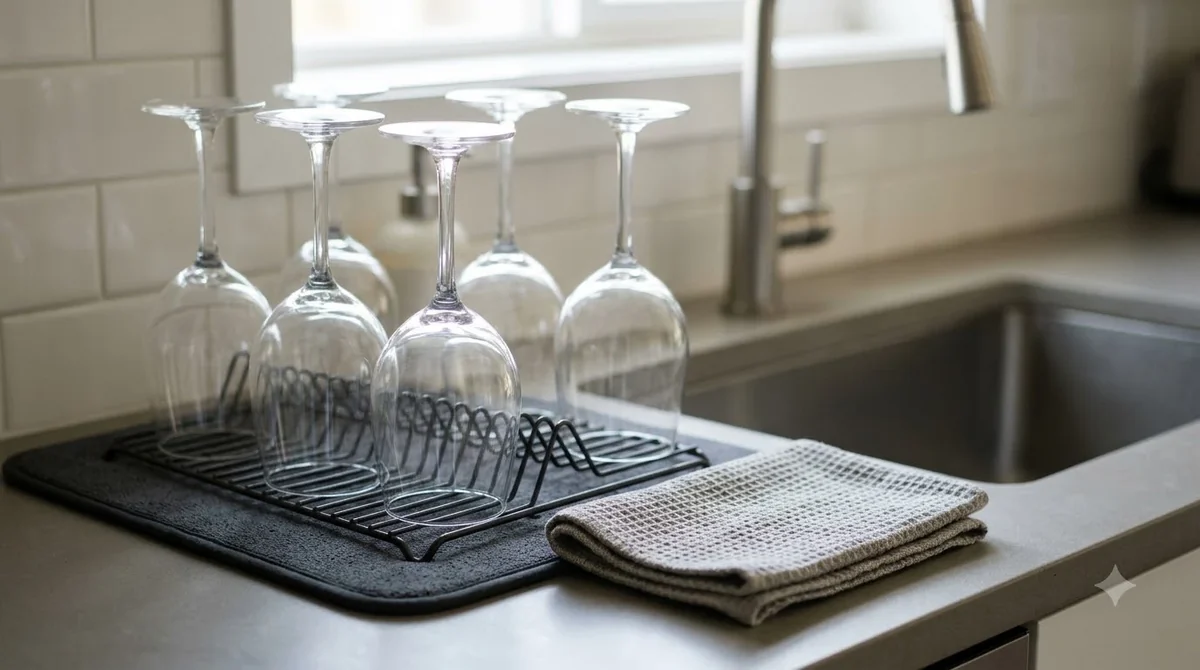
According to Mikasa’s official Crystal Care & FAQs, hand washing remains the safest method for preserving crystal brilliance over many years. Place a rubber mat at the bottom of the kitchen sink to cushion accidental bumps, wash each glass individually in warm water with a mild liquid dish soap, and rinse thoroughly with warm water before setting it on a clean lint-free towel. When drying by hand, cradle the bowl gently in one hand rather than gripping the base and twisting the bowl, which can snap the stem joint.
If using a dishwasher, arrange the glasses securely in the top rack so no two bowls or rims touch during the wash cycle. Use a gentle liquid dishwasher detergent rather than abrasive powders, skip the high-heat drying cycle if possible, and let the glassware cool completely inside the machine before unloading. For homes with hard tap water, Mikasa recommends dissolving a small amount of white vinegar in warm water and using a soft-bristled brush to lift mineral deposits out of etched grooves without scratching the crystal surface.
Storage habits matter just as much as washing technique. Mikasa advises storing stemware upright on its base rather than upside down on the rim, because the rim is the thinnest, most vulnerable part of the glass and resting the full weight of a 9-inch-tall glass on that edge increases the risk of microscopic stress fractures and chips.
Frequently Asked Questions
Are Mikasa wine glasses made of real crystal or regular glass?
Current Mikasa wine glass lines such as Melody and Cheers are crafted from lead-free crystal rather than traditional leaded crystal or basic soda-lime glass. Lead-free crystal uses mineral oxides such as barium, zinc, or potassium to achieve high optical clarity, sparkle, and a pleasant ring when tapped, while remaining safe for everyday dining and compliant with modern US tableware standards.
Why are there four different patterns in a Mikasa Cheers set of 4?
Mikasa designed the Cheers collection with four distinct precision-etched motifs—dots, horizontal lines, vertical lines, and swirls—so each person at a gathering can immediately recognize their own glass. This built-in identification eliminates the need for separate wine charms or glass markers during dinner parties and holiday meals.
Can Mikasa wine glasses with gold or silver rims go in the dishwasher?
No, Mikasa crystal featuring 24-karat gold, platinum, or metallic rim accents requires hand washing. According to Mikasa’s crystal care instructions, high dishwasher temperatures and alkaline detergents will dull, pit, or strip metallic trim, whereas clear etched Cheers and plain Melody glasses without metallic accents are safe for the top rack.
How much wine should you pour into a 20-ounce or 24-ounce Mikasa red wine glass?
According to standard US pour guidelines, a standard wine serving is 5 ounces, which equals roughly one-fifth to one-quarter of the total volume inside a 20-ounce Melody or 24-ounce Cheers Bordeaux bowl (as listed on Mikasa’s product pages). Leaving the upper three-quarters of the bowl empty gives you room to swirl full-bodied reds like Cabernet Sauvignon or Syrah without spilling and allows aromatic compounds to collect beneath the tapered rim.
What is Mikasa’s return policy if a set of 4 does not fit or arrives damaged?
According to Mikasa’s customer service policy, unused standard merchandise purchased directly from the brand can be returned within 90 days of delivery, while clearance items carry a 30-day return window. If a glass arrives broken during transit, contacting customer support with your order number and a photo of the damaged piece typically allows them to replace the broken stem without requiring a full box return.
A Mikasa wine glasses set of 4 delivers practical everyday durability, gift-ready styling, and guest-friendly pattern variety that suits casual dinners and frequent home entertaining. While dedicated wine tasters may still want a pair of ultra-thin, unadorned tasting stems for complex cellar bottles, Mikasa remains an easy, dependable choice for stocking a welcoming dining table.
More in Wine Glasses
 Zwiesel Glas Champagne Flutes for Durable Everyday Sparkling WineUpdated Nov 20, 2026
 Vera Wang Crystal Wine Glasses: Design, Quality and Buying AdviceUpdated Nov 20, 2026
 West Elm White Wine Glasses: Compare Designs for Better Everyday Wine ServiceUpdated Nov 20, 2026
 Zalto Stemless Wine Glasses: Discover Their Distinctive DesignsUpdated Nov 20, 2026
 Viski Champagne Glasses That Match Your Style and Sparkling WineUpdated Nov 20, 2026
 Vista Alegre Decanter Review: Crystal Style and Wine ServiceUpdated Nov 20, 2026