

We may earn a commission when you buy through links on this page, at no extra cost to you. Learn more.
The Miele wine column is a premium built-in wine storage appliance designed for collectors who want three temperature zones, flexible bottle storage, and integrated kitchen styling. The MasterCool KWT 2662 ViS is a particularly feature-rich example, offering 379 liters of usable capacity, nine FlexiFrame wooden racks, and a maximum stated capacity of 77 standard Bordeaux bottles. Its strongest advantages are temperature flexibility, presentation, and thoughtful storage features, while its substantial installation requirements and specialized cabinetry make it a considerable commitment.
A dedicated wine column serves a different purpose from an ordinary refrigerator or a compact wine cooler. Instead of simply keeping bottles cold, it provides an environment intended for organized wine storage, with separate temperature settings and shelving designed around different bottle shapes. Miele’s MasterCool collection targets homeowners who want this functionality incorporated directly into a high-end kitchen. The KWT 2662 ViS provides a useful example for evaluating the design, features, practical limitations, and suitability of the Miele approach.
Specs and Key Features
The Miele KWT 2662 ViS combines a tall integrated cabinet with three wine conditioning zones and adjustable wooden shelving. Its specifications make it particularly suitable for a substantial collection containing different wine styles and bottle formats.
The appliance belongs to Miele’s MasterCool collection and is designed for a dedicated kitchen installation rather than freestanding placement. Its integrated front, illuminated interior, and push-operated door assistance help it fit into contemporary handleless cabinetry. The three-zone arrangement is particularly useful because red, white, and sparkling wines do not necessarily need to be stored or prepared at identical temperatures.
The following specifications describe the KWT 2662 ViS specifically. They should not automatically be applied to every Miele wine column, because rack counts, accessories, dimensions, and controls vary between models.
| Specification | Miele KWT 2662 ViS |
|---|---|
| Appliance category | Built-in wine storage unit |
| Product collection | MasterCool |
| Nominal width | 24 inches |
| Appliance dimensions | 23.75 x 83.625 x 23.875 inches |
| Required niche width | 24.125 inches |
| Required niche height | 84.125 inches |
| Required niche depth | 24.875 inches |
| Usable capacity | 13.38 cubic feet / 379 liters |
| Stated Bordeaux bottle capacity | 77 bottles |
| Temperature zones | 3 |
| Temperature adjustment range | 41°F to 68°F |
| FlexiFrame wooden racks | 9 |
| Wooden rack material | Beechwood |
| Appliance weight | 311 pounds |
| Electrical supply | 120 volts |
| Fuse rating | 10 amps |
| Sound emission | 42 dB(A) |
These figures come from Miele’s American product specifications and operating documentation. The stated bottle capacity is based on standard 750 ml Bordeaux bottles, not an assortment of unusually shaped Champagne, Burgundy, and large-format bottles. Real-world capacity can therefore be lower when a collection contains many oversized bottles.
Several features distinguish the KWT 2662 ViS from a basic wine cabinet. FlexiFrame shelves have movable slats that allow more accommodating bottle arrangements. BrilliantLight uses LED lighting to illuminate the interior, while DynaCool uses fan-assisted air circulation to distribute temperature throughout the cabinet. Push2open provides door-opening assistance for kitchens with handleless cabinetry.
The included SommelierSet adds practical serving-related functions. Miele describes it as an accessory for cooling glasses, preparing wine for decanting, and conditioning opened bottles. These additions make the cabinet more than a simple storage enclosure, although their usefulness depends on how frequently the owner serves wine at home.
For the complete model specifications and available accessories, consult the official Miele KWT 2662 ViS product page.
What Owners Like About the Design
The most appealing aspects of a Miele wine column are its integrated appearance, three-zone temperature flexibility, and adaptable shelving. These features address practical storage requirements while maintaining the visual consistency of a premium fitted kitchen.
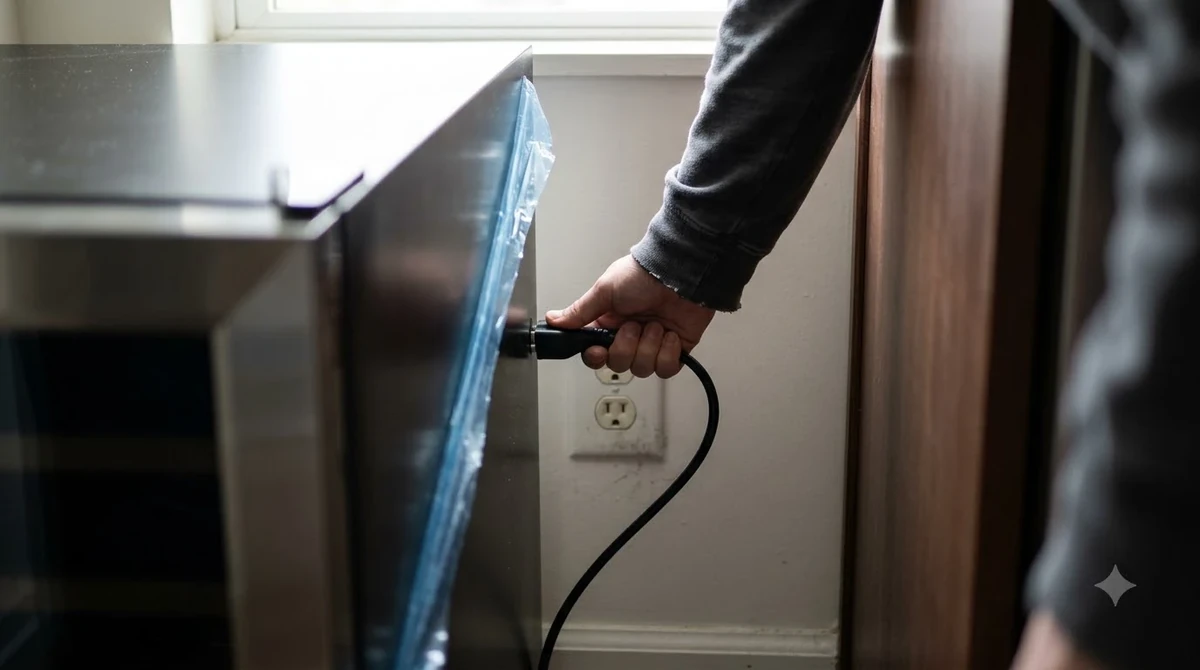
Integrated kitchen appearance. A tall wine column can look more intentional than a freestanding cooler positioned beside kitchen cabinets. The KWT 2662 ViS measures approximately 83.6 inches tall and is designed to sit within a dedicated installation niche. Its push-operated door assistance is especially relevant in kitchens where conventional handles would interrupt a clean cabinet-front design.
This design advantage is not limited to appearance. A built-in installation can create a designated location for wine close to the dining and entertaining areas. Owners who regularly prepare dinner parties may appreciate having bottles, serving accessories, and glassware organized in one accessible location.
Three temperature zones. Separate zones provide more flexibility than a single-temperature wine refrigerator. A collection can include reds, whites, and sparkling wines without requiring the owner to compromise on one shared setting. For example, a collector might reserve one zone for red wine storage, another for whites, and a third for bottles intended for sparkling wine service.
The KWT 2662 ViS has a stated adjustment range of 41°F to 68°F in each zone. This broad range gives owners considerable control over storage and preparation preferences. It is important, however, to distinguish long-term storage temperature from serving temperature. A bottle does not necessarily need to remain at its ideal drinking temperature throughout its entire storage period.
Flexible wooden shelves. The FlexiFrame system is another useful feature. Fixed bottle supports can become frustrating when a collection contains bottles with different shoulder shapes, diameters, and lengths. Adjustable slats provide additional flexibility for accommodating larger formats without requiring every shelf to be used in exactly the same configuration.
The beechwood construction also contributes to the cabinet’s appearance. Wooden bottle supports are familiar in traditional wine cellars, and their appearance complements the premium interior presentation. Nine FlexiFrame racks are specified for the KWT 2662 ViS, giving owners several opportunities to organize bottles by region, producer, or drinking occasion.
Interior lighting and presentation. BrilliantLight uses LED elements to illuminate the storage compartment. This makes it easier to see labels and locate bottles without relying on a separate room light. The illuminated display is particularly attractive in open-plan kitchens where the wine column forms part of the overall interior design.
Serving accessories. The SommelierSet is a practical addition for households that entertain regularly. Cooling glasses and preparing bottles for decanting can be useful parts of a serving routine. It is less important for someone who primarily purchases wine for long-term storage and rarely serves guests.
These features explain the appeal of the MasterCool range. The product is designed around the combined experience of storing, organizing, displaying, and serving wine rather than simply cooling bottles.
Common Complaints and Practical Limitations
The principal drawbacks of the Miele wine column are its demanding installation requirements, large physical footprint, and specialized feature set. Its premium positioning also means buyers should evaluate whether they genuinely need its capabilities rather than assuming a more elaborate appliance is automatically a better purchase.
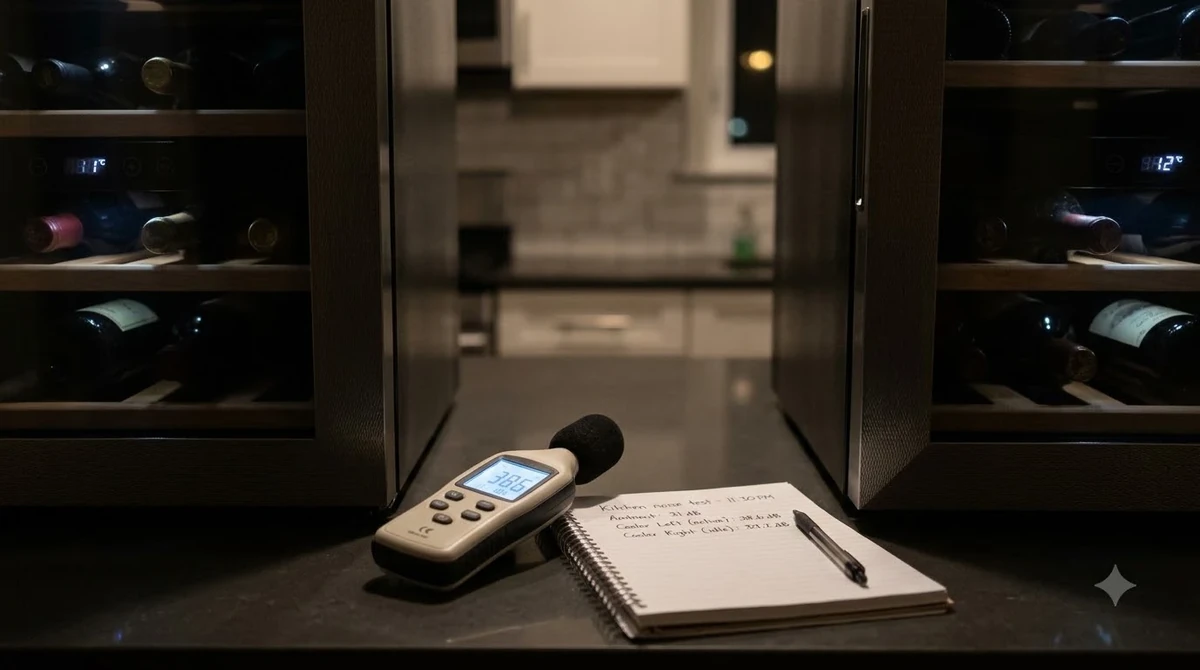
Installation is demanding. The KWT 2662 ViS weighs approximately 311 pounds. Its installation niche must measure 24.125 inches wide, 84.125 inches high, and 24.875 inches deep. Those measurements leave little room for casual substitutions or assumptions about existing cabinetry.
The appliance also requires a properly prepared supporting structure and suitable ventilation. Miele’s installation documentation calls for two people to install the wine conditioning unit safely. The instructions emphasize that the appliance must be secured within its niche before normal use. This is not a product that should be treated like a small countertop cooler that can simply be plugged in and moved into position.
For renovation projects, the cabinetmaker, electrician, and appliance installer should coordinate before the kitchen cabinetry is finalized. The location of the electrical connection, door swing, ventilation openings, and surrounding cabinet fronts all matter. A poorly planned installation can create problems that are expensive to correct after the kitchen is complete.
Capacity depends on bottle shape. The stated capacity of 77 bottles is useful for comparing models, but it is not a universal promise for every collection. Bordeaux bottles are relatively standardized. Burgundy bottles, Champagne bottles, and some heavier sparkling wine formats can occupy more shelf space.
Collectors should think about the actual proportions of their wine purchases rather than relying entirely on the published bottle count. A cabinet that holds 77 standard Bordeaux bottles may accommodate noticeably fewer bottles if a large percentage of the collection consists of wide-bodied bottles.
Premium features may go unused. Push2open, BrilliantLight, app-related functions, and the SommelierSet all have potential benefits, but not every owner needs every feature. Someone who purchases a few bottles each month and opens them shortly afterward may not benefit significantly from a sophisticated wine-conditioning system.
Similarly, a collector who prefers one consistent long-term storage temperature may not need three independently controlled zones. A simpler single-zone cabinet could be more appropriate if the household does not regularly keep different wines ready for service.
Room conditions matter. Miele provides climate requirements and ventilation instructions for the appliance. High ambient humidity combined with temperatures above approximately 90°F can impair operation in tropical environments. Miele advises using suitable air-conditioned conditions where necessary and maintaining adequate ventilation.
This deserves particular attention in kitchens located in hot, humid climates. A wine column should not be placed in an enclosed, poorly ventilated cabinet or exposed to unsuitable environmental conditions. Owners should also avoid blocking ventilation openings with decorative panels or stored objects.
Another consideration is the fixed nature of the installation. A built-in appliance is less convenient to relocate than a freestanding wine refrigerator. Homeowners who expect to remodel their kitchen or move house in the near future should consider this before committing to a dedicated installation.
Who Should Buy and Who Should Skip
A Miele wine column is most appropriate for homeowners with a substantial collection, a carefully planned kitchen, and a genuine need for separate wine storage temperatures. It is less compelling for casual drinkers who need only a convenient place to chill a few bottles.
Who should consider buying one?
Serious wine collectors. People who regularly purchase different styles of wine can benefit from multiple temperature zones and dedicated storage. A collection containing Cabernet Sauvignon, Pinot Noir, Chardonnay, Riesling, and sparkling wine has different serving requirements. A three-zone appliance makes it easier to organize bottles according to those preferences.
Collectors who buy wines for both immediate enjoyment and future occasions may also appreciate the cabinet’s storage capacity. With a stated maximum of 77 standard Bordeaux bottles, the KWT 2662 ViS provides considerable room for a home collection without requiring a separate cellar.
Homeowners designing a premium kitchen. The integrated appearance makes the Miele column especially attractive during a complete kitchen renovation. Buyers who are already investing in coordinated cabinetry and built-in appliances may value the visual consistency of the MasterCool design.
Frequent hosts. Households that regularly entertain can make better use of the SommelierSet and multiple temperature zones. Keeping selected bottles at convenient serving temperatures can reduce preparation time before guests arrive.
People with varied bottle collections. FlexiFrame shelving can help owners accommodate bottles that do not fit comfortably into conventional fixed racks. This is particularly relevant for collectors who purchase Champagne, Burgundy, and other wide-bodied formats.
Who should skip it?
Casual wine drinkers. If the household usually keeps only a few bottles available, a large built-in wine column is likely to provide more storage and technology than necessary. A smaller cabinet may satisfy everyday needs without requiring a dedicated kitchen installation.
Budget-conscious buyers. MasterCool is a premium appliance collection. Buyers should compare the full project cost, including cabinetry preparation, electrical work, delivery, and professional installation, rather than considering the appliance alone.
Renters and frequent movers. The heavy integrated construction and specific niche dimensions make the appliance inconvenient for households that need portability. A freestanding unit is generally more practical in those circumstances.
Owners with limited installation space. A cabinet that cannot accommodate the required height, depth, or ventilation arrangements is not a suitable location. Buyers should not assume that a nominal 24-inch opening will automatically satisfy every installation requirement.
For readers who are still comparing appliance categories, the model reviews collection offers a useful starting point for evaluating different product types before making a purchase decision.
How It Compares to Alternatives
The Miele MasterCool wine column competes primarily through integration, storage flexibility, and temperature control. The most relevant alternatives are other Miele wine storage formats and simpler dedicated wine refrigerators, rather than ordinary household refrigerators.
The Miele KWT 2612 Vi is a useful comparison within the same MasterCool family. It also provides three temperature zones, a 379-liter capacity, and an integrated 24-inch design. However, its published specification includes 13 FlexiFrame wooden racks rather than the nine listed for the KWT 2662 ViS.
This difference illustrates why buyers should compare individual model specifications instead of assuming that every MasterCool appliance has identical storage arrangements. The KWT 2662 ViS includes the SommelierSet and is positioned around a particular combination of serving and presentation features. The KWT 2612 Vi has its own configuration and should be evaluated according to its specific feature list.
Another alternative is a smaller single-zone wine refrigerator. This type of appliance is generally better suited to people who primarily want to store a modest collection at one consistent temperature. It may not offer the same built-in appearance, bottle flexibility, or serving accessories, but it can be more practical for a household that does not need three zones.
A freestanding dual-zone wine refrigerator is another sensible option. It can separate red and white wine storage without requiring a tall integrated cabinet. The trade-off is that the appliance may occupy visible floor space and may not match the surrounding kitchen cabinetry as closely as a fully integrated MasterCool model.
For buyers comparing the options, the following distinctions are more important than the number of additional features advertised on a product page.
| Comparison factor | Miele MasterCool KWT 2662 ViS | Simpler wine refrigerator |
|---|---|---|
| Installation | Integrated kitchen niche | Often freestanding or under-counter |
| Temperature arrangement | 3 zones | Typically 1 or 2 zones |
| Storage organization | 9 FlexiFrame wooden racks | Depends on model |
| Published capacity | 77 Bordeaux bottles | Depends on model |
| Serving accessories | SommelierSet included | Usually more basic |
| Door design | Integrated Push2open assistance | Depends on model |
| Installation flexibility | Low | Generally higher |
| Best suited to | Premium fitted kitchens and collections | Everyday home wine storage |
There is also a distinction between a wine column and an ordinary kitchen refrigerator with a wine compartment. A regular refrigerator is designed primarily for food storage, while a dedicated wine conditioning appliance is intended to provide controlled conditions for bottles. The latter is generally a more appropriate choice for someone who takes wine storage seriously.
When deciding between a premium built-in unit and a simpler wine refrigerator, consider the expected collection size, available kitchen space, number of wine styles, and frequency of entertaining. Those factors provide a better basis for comparison than an appliance’s feature count alone.
Wine service is another part of the decision. A household that frequently prepares wine cocktails might benefit from keeping a separate supply of sparkling wine and aperitif ingredients available. Recipes such as an Aperol Spritz recipe or a Hugo Spritz recipe illustrate why convenient access to properly chilled sparkling wine can be useful, although those serving needs alone do not justify a large wine column.
Warranty, Installation, and Ongoing Care
A successful Miele wine column installation depends on correct cabinet preparation, ventilation, electrical planning, and regular cleaning. The appliance’s premium features cannot compensate for an unsuitable installation environment.
Before ordering, confirm the exact model number and obtain the corresponding American installation documentation. The KWT 2662 ViS requires a niche approximately 24.125 inches wide, 84.125 inches high, and 24.875 inches deep. The supporting structure must be stable enough for an appliance weighing approximately 311 pounds.
The installation process should be handled by suitably qualified professionals. Miele’s documentation specifically requires two people for installation because of the appliance’s weight and potential tipping risk. The unit should remain secured during the installation process, and the electrical cable must not become trapped when the appliance is moved into its niche.
Ventilation is equally important. Miele explains that insufficient airflow can cause the compressor to operate more frequently and for longer periods, increasing energy consumption and potentially damaging components. Ventilation openings must remain clear throughout the life of the appliance, not merely during installation.
Electrical planning should also be completed before cabinetry is closed. The KWT 2662 ViS specifies a 120-volt supply and a 10-amp fuse rating. An electrician should confirm that the planned connection complies with local requirements and the manufacturer’s installation instructions.
Temperature setup
After installation, allow the appliance time to stabilize before judging the temperature settings. Miele’s operating instructions recommend waiting approximately six hours when the cabinet is not very full and approximately 24 hours when it is full before checking whether the adjusted temperature has been reached.
For general wine storage, approximately 55°F is a useful reference point. Separate zones can then be adjusted according to the owner’s collection and serving preferences. Typical serving temperatures differ: sparkling wine is generally served at 40°F to 50°F, light whites at 45°F to 50°F, fuller-bodied whites at 50°F to 55°F, light reds at 55°F to 60°F, and fuller reds at 60°F to 65°F.
These are serving guidelines, not mandatory long-term storage settings. Keeping every bottle at its serving temperature is not necessary, especially for wines intended to mature over an extended period.
Tip: Organize the cabinet by wine style and intended use rather than simply by bottle color. Reserve a zone for wines approaching their serving date, maintain an appropriate storage setting for longer-term bottles, and leave enough room for the wider Champagne and Burgundy formats in your collection.
Humidity and cleaning
Miele allows owners to increase humidity separately in individual wine conditioning zones. This can be useful for bottles sealed with natural corks, since corks benefit from appropriate moisture conditions. However, the manufacturer specifically warns against placing a dish of water inside the cabinet to increase humidity. Excess moisture can cause condensation and corrosion.
Regular cleaning should include the interior surfaces, wooden accessories where appropriate, door seal, and ventilation openings. Avoid harsh cleaning chemicals that could damage the cabinet’s finishes or seals. The manufacturer’s instructions should take precedence for the correct cleaning agents and procedures.
If the appliance will remain unused for an extended period, Miele recommends switching it off, disconnecting it from the electrical supply, cleaning it, and leaving the door ajar to prevent odors and mold from developing inside the cabinet.
Warranty coverage should be confirmed directly with Miele or an authorized retailer before purchase. Buyers should request the written warranty terms for the exact American model, including coverage periods, service arrangements, and any conditions affecting installation or repairs. Authorized service is particularly important for an integrated appliance with specialized electronic and cooling components.
Frequently Asked Questions
Can a Miele wine column store opened wine bottles?
Yes, the SommelierSet supplied with the KWT 2662 ViS includes functionality intended to help condition opened bottles. This does not replace a suitable wine stopper or preservation method. Opened still wine generally remains in better condition when sealed and refrigerated, with typical freshness lasting approximately three to five days depending on the wine.
Can a Miele wine column accommodate magnum bottles?
FlexiFrame shelving is designed to provide flexibility for larger bottles, but compatibility depends on the bottle’s dimensions and the available shelf arrangement. A 1.5-liter magnum is twice the volume of a standard 750 ml bottle and may occupy substantially more storage space. Owners with many magnums should confirm the available shelf configuration before purchasing.
Does a Miele wine column protect wine from light?
The integrated cabinet keeps bottles away from ordinary room lighting when its door is closed. Its BrilliantLight LED system provides interior illumination without relying on conventional high-heat lighting. Nevertheless, owners should minimize unnecessary door opening and keep bottles away from prolonged exposure to direct sunlight during handling and service.
Can the Miele wine column be installed beside another appliance?
The KWT 2662 ViS specifications identify side-by-side installation as a supported arrangement. However, the precise combination, required clearances, and any heating accessories must follow the relevant installation drawings. Buyers planning a bank of integrated appliances should have the installer confirm the complete arrangement before cabinetry is manufactured.
How long should wine remain in a Miele wine column?
There is no universal storage limit imposed by the cabinet itself. Storage duration depends on the wine’s structure, vintage, producer, closure, and intended drinking window. A simple everyday white may be best enjoyed relatively young, while a well-made Cabernet Sauvignon or vintage Champagne may benefit from several years of suitable storage.
The Miele wine column is a compelling choice for collectors who want a dedicated, integrated storage solution with separate temperature zones and adaptable bottle organization. The KWT 2662 ViS stands out for its 77-bottle stated capacity, FlexiFrame shelving, SommelierSet, and carefully considered presentation features. However, its weight, precise installation dimensions, and specialist requirements make advance planning essential. Buyers who genuinely need its storage capacity and kitchen integration will find a more convincing reason to choose it than those simply looking for a convenient place to chill wine.
More in Model Reviews
 Magic Chef 44 Bottle Wine Cooler Review for Flexible StorageUpdated Nov 21, 2026
 Whynter 164 Bottle Wine Cooler Review: Capacity, Features, and FitUpdated Nov 21, 2026
 Insignia NS WC16BK6 Review: Compact 16-Bottle Wine StorageUpdated Nov 21, 2026
 Wine Enthusiast Electric Blue Omega Review: Opening, Pouring, and Preserving Made EasierUpdated Nov 21, 2026
 Koolatron 20 Bottle Wine Cooler Review: Features, Fit, and PerformanceUpdated Nov 21, 2026
 NewAir AWC 330E Review for Home Wine StorageUpdated Nov 21, 2026