

We may earn a commission when you buy through links on this page, at no extra cost to you. Learn more.
Middleburg wineries sit in the Virginia hunt country of Loudoun County, a small town set between the Virginia suburbs and the Blue Ridge foothills, and they make wine from the same grapes that grow across the state. The town is known more for horses and estates than for vineyards, but its surrounding farmland has become one of the places visitors come to for a relaxed day of tasting. The region is part of Virginia’s broader wine industry, which now includes more than 300 registered wineries and vineyards according to the state’s wine history as summarized on Wikipedia.
This guide explains what makes Middleburg’s wine country different from other Virginia destinations, which grapes the area is known for, how the local history shapes the visit, and how to plan a day of tasting without rushing from one estate to the next. If you are comparing trips, you can also read about other destinations such as Valle de Guadalupe wineries or Alsace wineries to see how different regions approach their tasting rooms.
Where Middleburg Sits and Why It Matters for Wine
Middleburg is a town in Loudoun County, Virginia, and it is the southernmost town along the county’s border with Fauquier County. It sits roughly midway between Alexandria and Winchester, on the old Ashby Gap trading route that is now U.S. Route 50. The town was founded in 1787 and today has a population of about 670 people, according to the 2020 census (see the Middleburg, Virginia entry on Wikipedia). That small size is part of its appeal for visitors, since most of the wine experience happens on the rural roads that surround the town rather than inside it.
The land around the town has long been devoted to horses, foxhunting, and large private estates. Many of those properties now double as farms, and a number of them have planted vines. For a visitor, this means the tasting rooms often feel like working farms with views of rolling pasture, not like the dense commercial strips found near some larger cities.
The Grapes and Styles You Will Find
Virginia as a whole grows a wide mix of grapes. According to the state’s summary on Wikipedia, Vitis vinifera varieties make up about three quarters of production, French hybrids account for nearly a fifth, and American varieties are a small share. The five most planted varieties across the state are Chardonnay, Cabernet Franc, Merlot, Vidal blanc, and Viognier, as listed in the Virginia wine article on Wikipedia. Those same grapes are the ones most visitors will see on a Middleburg tasting menu, although individual estates also experiment with Petit Verdot and Petit Manseng, which the state’s wine industry describes as well suited to Virginia’s climate.
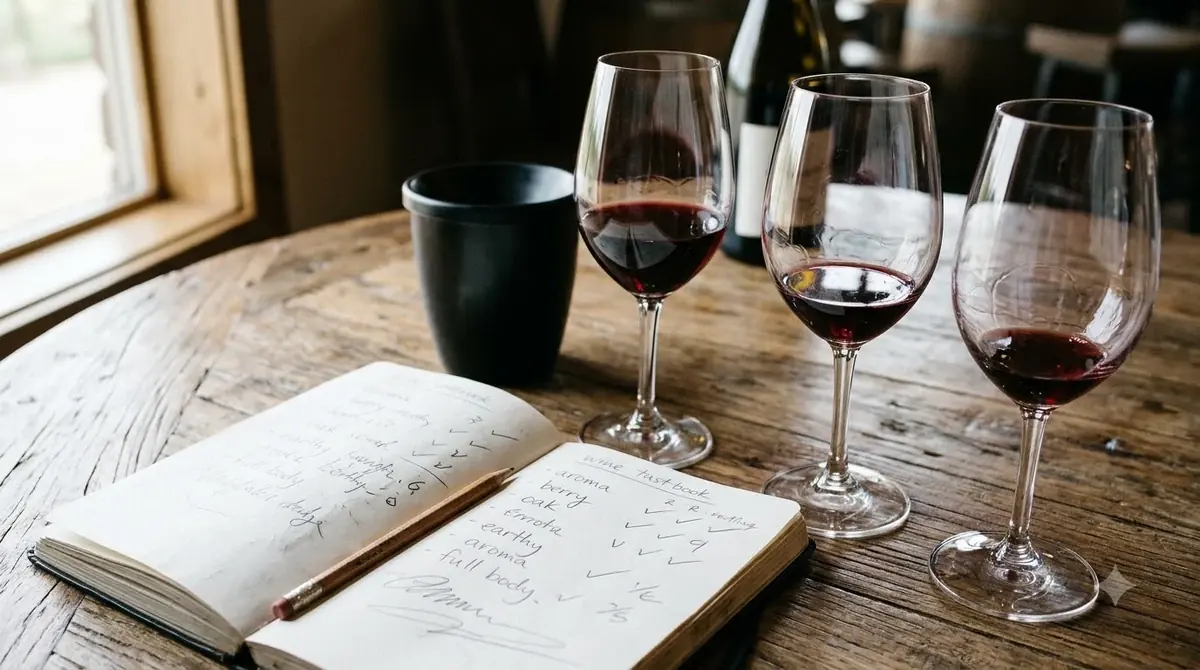
Red wines tend to show ripe fruit with a firm structure, and Cabernet Franc often stands out for its herbal notes and fresh acidity. White wines are frequently built around Viognier and Chardonnay, with the Viognier showing floral aromas and a fuller body. Visitors who are new to the region should expect a range of styles from dry and crisp to richer and oak-aged, because each estate makes its own choices in the cellar.
| Grape | Typical style in Virginia | Good first pour for a visitor? |
|---|---|---|
| Viognier | Aromatic, floral, full-bodied white | Yes, a distinctive local white |
| Cabernet Franc | Medium-bodied red with herbal and red fruit notes | Yes, one of the most widely planted reds |
| Chardonnay | From crisp and mineral to rich and oaked | Good for comparing styles across estates |
| Petit Verdot | Deep, dark, tannic red often used in blends | Better once you know your red preferences |
| Vidal blanc | Fresh, bright, often off-dry white | Useful for a lighter, easy-drinking pour |
How the Region’s History Shapes the Visit
Virginia has one of the longer winemaking histories in the United States. Records describe colonists being required to plant vineyards as early as 1619, and the state’s modern industry traces much of its revival to the 1970s. The Zonin family’s investment in Barboursville Vineyards in 1976 is often cited as a turning point in the industry’s recent growth. Thomas Jefferson’s attempts to grow European vines at Monticello are another part of this story, since those vines struggled with disease, a challenge that shaped later choices about which grapes to plant.
That history is useful for a visitor because it explains why Virginia wine looks so different today. Many producers have spent decades learning which varieties handle humid summers and wet springs. When you taste across several Middleburg-area estates, you are often seeing the results of that long trial and error, with some producers focusing on classic European grapes and others on hybrids that suit the local climate.
Planning a Day of Tasting in Middleburg
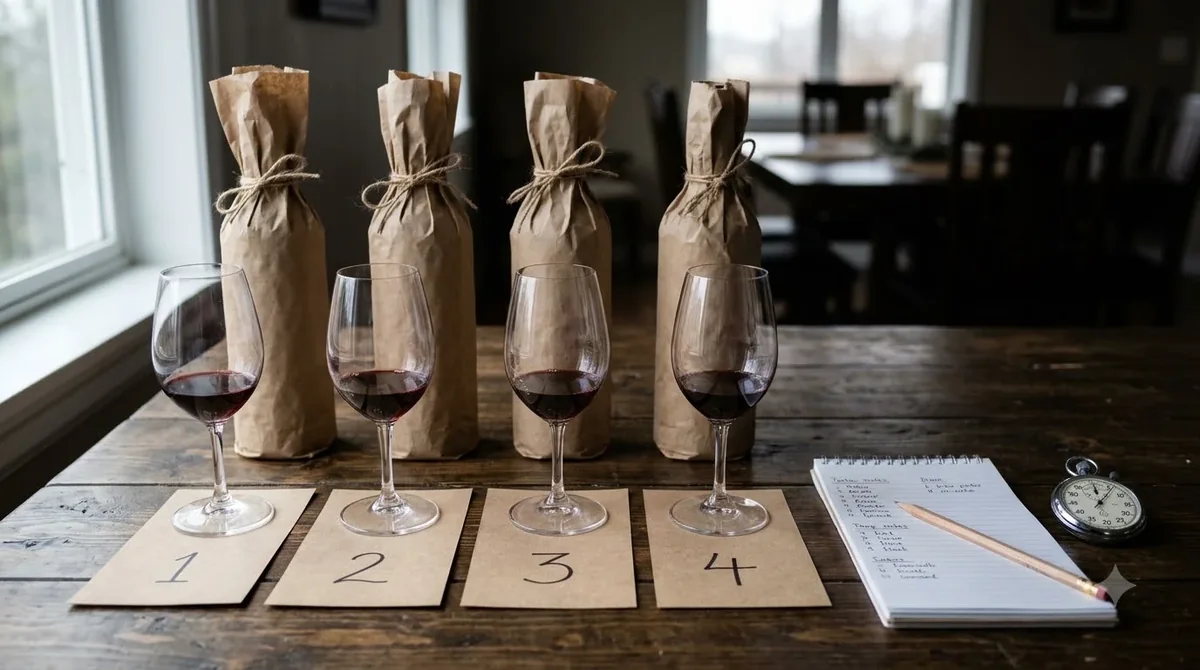
A good tasting day in the Middleburg area works best with two or three estates rather than five or six. The drives between farms can be longer than they look on a map, and the rural roads are narrow in places. Most visitors start in the late morning, plan a late lunch between tastings, and finish before dusk. Tasting rooms are often busiest on weekends, so a weekday visit can give you more time with the staff and a calmer pace.
Many estates offer flights, and the staff usually explain each wine. Ask about the vintage, the grape, and whether the wine saw oak aging. Those details help you understand why one Viognier tastes creamy while another tastes bright and citrusy. If you want a deeper introduction before you go, the wine regions guide on this site covers how climate, soil, and winemaking choices shape regional style.
Tip: Book a shuttle or appoint a designated driver before you arrive. Rural roads, limited parking at some farms, and the nature of tasting make it easy to misjudge how much you have had. Drink water between pours and eat something substantial.
Who Middleburg Wineries Suit Best
Middleburg is a good match for visitors who enjoy the countryside as much as the wine. Couples looking for a slow weekend, groups who want a scenic lunch, and people who like learning about small farms will likely enjoy the area most. The town itself has historic architecture, including a 19th-century center listed on the National Register of Historic Places, so it works well as a base for a short getaway.
It may be less suited to visitors who want a large, nightlife-focused wine trail with many estates within walking distance. Because the wineries are spread across farmland, transportation is the main planning question. Visitors who prefer to avoid driving can book a guided tour or a car service and spend the day tasting without worrying about the route back.
Frequently Asked Questions
Are Middleburg wineries located inside the town?
Most of the wine estates are on the rural land surrounding the town rather than in its historic center. The town itself is a useful base for lodging, dining, and shopping, and the estates are a short drive away.
What grapes are most common in Virginia wine?
According to a summary of Virginia wine on Wikipedia, the five most planted varieties in the state are Chardonnay, Cabernet Franc, Merlot, Vidal blanc, and Viognier. Many estates in the Middleburg area also produce Petit Verdot and Petit Manseng.
Do I need a reservation to taste wine in Middleburg?
Policies vary from estate to estate. Some accept walk-ins, while others recommend or require reservations, especially on weekends and during harvest season. Check each winery’s current policy before you travel.
How many wineries should I visit in one day?
Two or three estates is a comfortable pace for most visitors. A longer tasting day with more stops leaves little time for lunch and conversation, and the drives between farms take longer than they appear on a map.
Middleburg’s wine country rewards a slow, curious visit. Choose a few estates, learn which grapes they focus on, and let the countryside set the pace. For more background on the regions that shape wine styles, explore the wine regions guide and plan your next tasting around the grapes you enjoy most.
More in Wine Regions
 Willcox Wine Trail: Discover Arizona’s High-Elevation Wine CountryUpdated Nov 20, 2026
 Yakima Valley Wine Region: Find the Best Styles to TryUpdated Nov 20, 2026
 Vosne Romanee Wine Tasting: Identify Aromas and Choose Better PairingsUpdated Nov 20, 2026
 Yakima Valley Wine Festival: Find the Best Seasonal Wine EventsUpdated Nov 20, 2026
 Wales Vineyards: Discover Cool-Climate Wines and Where to VisitUpdated Nov 20, 2026
 Yountville Wine Festival: Discover Napa Wines and Local FoodUpdated Nov 20, 2026