

We may earn a commission when you buy through links on this page, at no extra cost to you. Learn more.
Merlot with lasagna is an excellent pairing, especially with traditional beef lasagna featuring tomato sauce, ricotta, mozzarella, and Parmesan. Merlot’s medium tannins, ripe plum and cherry flavors, and rounded texture complement savory meat and melted cheese without overwhelming the dish. Choose a fruit-forward bottle with enough freshness to balance the tomato sauce, and serve it slightly cool at 60–65°F.
Lasagna combines several powerful ingredients in one dish. Tomato sauce brings acidity, ground beef or Italian sausage contributes savory richness, and layers of cheese add salt, fat, and creamy texture. The pasta provides a substantial foundation that calls for a wine with enough body to match the meal. Merlot offers a practical middle ground: it has more structure than many light reds but generally feels softer than Cabernet Sauvignon. The best bottle depends on the recipe, the amount of tomato, and whether meat, mushrooms, or white sauce dominates the dish.
Why Merlot Works With Traditional Lasagna
Merlot suits traditional lasagna because its ripe fruit and moderate tannins complement meat, cheese, and tomato-based sauces. Its rounded texture also makes it approachable alongside a substantial baked pasta dish.
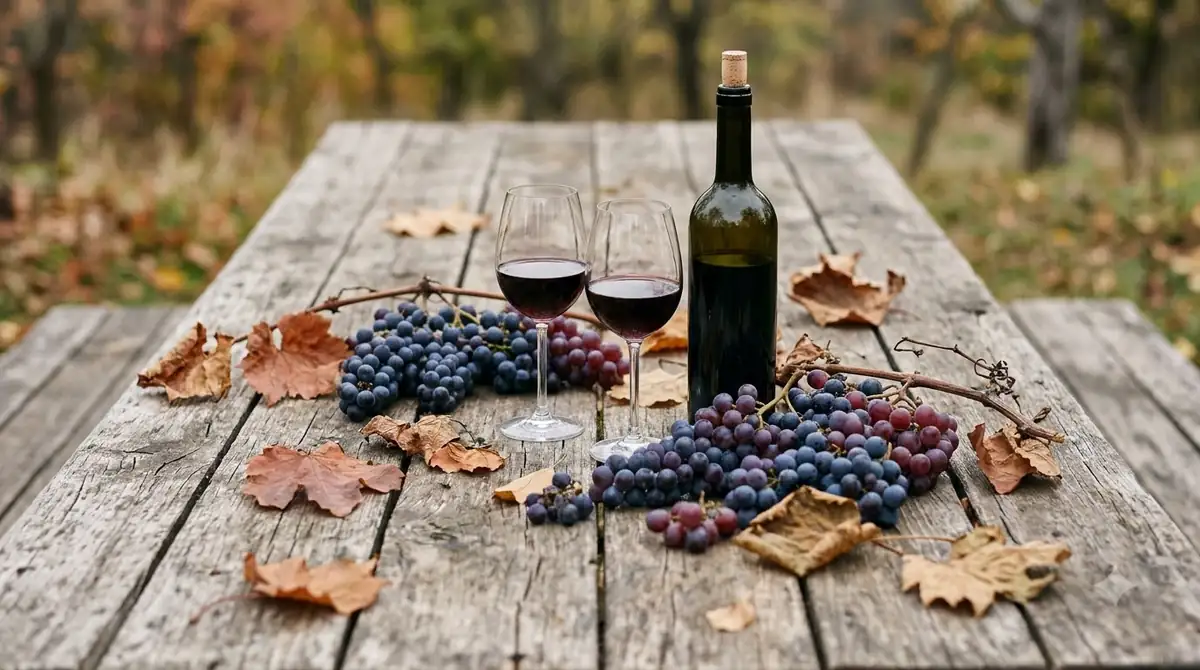
Classic lasagna usually combines ground beef, pork, or Italian sausage with tomato sauce, pasta sheets, ricotta, mozzarella, and grated Parmesan. Each ingredient contributes something different to the pairing. The meat provides savory depth, the tomato sauce introduces acidity, and the cheeses contribute salt and fat. A medium-bodied red with fruit and moderate structure can connect these flavors without making the meal feel excessively heavy.
Merlot commonly offers aromas and flavors of black cherry, plum, blackberry, and sometimes cocoa or vanilla. Cooler-climate examples may show more red fruit, herbal notes, and freshness. These characteristics work particularly well with slow-cooked meat ragù, where the concentrated savory flavors complement the wine’s fruit. The grape’s relatively soft tannins also make it less demanding alongside cheese than a particularly firm, tannic red.
There is a useful distinction between soft tannins and low acidity. Merlot generally has softer tannins than Cabernet Sauvignon, but its acidity varies with growing conditions and winemaking. Tomato sauce is naturally acidic, so the freshest, most balanced Merlot is usually the better choice. An extremely ripe, heavy, low-acid example may taste dull beside a sharply acidic marinara.
The fat in mozzarella, ricotta, and Parmesan can soften the sensation of tannin, helping the wine feel rounder. Salt in the cheese can have a similar effect. Meanwhile, the wine’s fruit provides contrast to the savory meat and herbs. This combination explains why Merlot is a dependable option for a family-style meat lasagna rather than a pairing reserved for elaborate recipes.
Swiss Wine specifically identifies Bolognese and lasagna among the hearty pasta dishes that work with Merlot. Its guidance also highlights tomato dishes, mature cheeses, and grilled vegetables as suitable companions. Read its Merlot grape and food-pairing profile for additional examples.
For a straightforward dinner, choose a dry Merlot with fresh cherry and plum flavors, moderate oak influence, and a balanced finish. You do not need an exceptionally powerful bottle. A wine that complements the ragù and cheese is generally more useful than one that competes with every ingredient.
Choosing the Right Merlot Style
The best Merlot for lasagna is typically a medium-bodied, fruit-forward red with moderate tannin and enough acidity to remain lively beside tomato sauce. Regional differences can help narrow the selection.
Merlot from Bordeaux provides one useful starting point. On the Right Bank, particularly in Saint-Émilion and Pomerol, Merlot frequently plays a major role in blends with other Bordeaux varieties. These wines can have more structure, savory complexity, and earthy character than simple everyday examples. They are particularly suitable for lasagna with slow-braised beef, concentrated ragù, or a generous layer of Parmesan.
California Merlot often emphasizes ripe cherry, plum, and blueberry flavors. Some examples also develop vanilla, cocoa, or spice from oak aging. A moderately oaked California Merlot works well with browned beef, sausage, and mozzarella because its fruit matches the savory richness. Avoid choosing a particularly alcoholic or heavily oaked style if the lasagna has a delicate tomato sauce and relatively little meat.
Washington Merlot can provide another useful option. Examples from the state may combine black cherry, blueberry, and fig with refreshing acidity and rounded tannins. This balance can be especially appealing with a meat-heavy recipe because the wine has enough concentration for the beef without losing freshness.
Italian Merlot, including examples from northeastern Italy and other growing areas, can also make sense. Some bottles emphasize fresh red fruit and restrained oak, while others are fuller and more concentrated. Swiss Merlot from Ticino is another interesting possibility, often offering dark fruit, spice, and a soft tannin structure. The region’s Mediterranean climate contributes to its distinctive expression of the grape.
What to look for on the bottle
Consider the following characteristics rather than relying entirely on the country of origin:
- Fruit: Cherry, plum, and blackberry flavors complement beef, tomato, and browned cheese.
- Acidity: Freshness helps the wine remain balanced alongside tomato sauce.
- Tannin: Moderate, soft tannins work comfortably with ricotta, mozzarella, and Parmesan.
- Oak: Subtle vanilla and spice can complement roasted meat, while excessive oak can overwhelm the sauce.
- Body: Medium to medium-full body provides enough presence for layered pasta and meat.
For everyday beef lasagna, a straightforward Merlot with cherry and plum flavors is usually sufficient. For a richer recipe with slow-cooked short ribs or sausage, a more concentrated Bordeaux-style or Washington example may provide additional depth. The recipe should determine the wine’s intensity, not the other way around.
Matching Merlot to Different Lasagna Recipes
Merlot is most reliable with beef and tomato lasagna, but it can also complement sausage, mushrooms, roasted vegetables, and certain cheese-heavy variations. Adjust the wine’s body and fruit intensity to match the dominant ingredients.
Beef lasagna: This is the natural starting point. Ground beef and tomato ragù create a savory, concentrated base that suits medium-bodied Merlot. Ricotta and mozzarella soften the wine’s tannins, while Parmesan contributes salt and savory depth. A California or Washington Merlot with ripe cherry and plum flavors is a particularly practical choice.
Sausage lasagna: Italian sausage brings fennel, garlic, herbs, and additional fat. A fruit-forward Merlot can complement these ingredients, especially when the sauce contains a mixture of pork and beef. If the sausage is heavily seasoned with chili flakes, avoid an especially high-alcohol or tannic bottle. Alcohol and tannin can intensify the perception of chili heat, making the combination less comfortable.
Mushroom lasagna: Mushrooms contribute earthy, savory flavors that work well with Merlot’s darker fruit and occasional herbal or earthy notes. A cooler-climate Merlot with restrained oak is particularly attractive when mushrooms, spinach, and herbs share the spotlight. If the dish is especially delicate, choose a lighter-bodied example rather than a concentrated, heavily oaked red.
Vegetable lasagna: Roasted eggplant, zucchini, peppers, and tomato sauce provide enough substance for a moderate Merlot. Roasting is useful because it concentrates vegetable flavors and introduces caramelized notes that connect with the wine’s ripe fruit. A lighter, fresher Merlot is preferable when the recipe contains mostly zucchini, spinach, or other delicate vegetables.
White lasagna: Recipes based on béchamel, ricotta, chicken, and mushrooms are less naturally suited to Merlot because they lack the acidity of tomato sauce. A light, restrained Merlot can still work with a version containing roasted mushrooms or browned chicken, but a high-acid white such as Chardonnay, Sauvignon Blanc, or Soave may provide better balance. The creamy sauce benefits from freshness rather than additional tannin.
Extra-cheesy lasagna: A generous amount of mozzarella, ricotta, and Parmesan creates a rich dish that can support Merlot’s body and fruit. Salt and fat soften tannin, but richness can also make a low-acid wine feel heavy. Choose a bottle with freshness rather than simply selecting the fullest and most powerful Merlot available.
The general principle is to identify the strongest ingredient. Tomato-heavy recipes need freshness, meat-heavy recipes need enough body, and mushroom recipes can benefit from earthy complexity. This approach is useful for other meals too, including Grape x Food pairing combinations and dishes beyond baked pasta.
Balancing Tomato Sauce, Meat, and Cheese
The balance between tomato acidity, savory meat, and rich cheese determines how successful Merlot will be with lasagna. A well-balanced recipe helps the wine retain its fruit and prevents the sauce from making the glass taste flat.
Tomatoes are the most important consideration. Their natural acidity can make a wine with insufficient freshness seem dull or slightly sweet by comparison. Merlot is generally softer in acidity than Sauvignon Blanc, Riesling, or Sangiovese, so the preparation of the sauce matters. A slowly simmered ragù with concentrated meat flavors is often easier to pair with Merlot than a very sharp, lightly cooked tomato sauce.
Cooking the sauce thoroughly helps integrate the tomato, herbs, and meat. Onions, carrots, celery, and garlic provide additional savory depth, while slow cooking develops a more rounded flavor. The goal is not to eliminate tomato acidity. Instead, create a sauce whose acidity is balanced by the richness and concentration of the other ingredients.
Meat also changes the pairing. Ground beef, pork, and sausage introduce fat, protein, and savory flavor. These elements give a red wine more substance to meet. A simple vegetarian lasagna may need a lighter Merlot, whereas a substantial beef ragù can support a wine with deeper fruit and more noticeable structure.
Cheese plays a different role. Ricotta provides a mild, creamy layer, mozzarella contributes richness, and Parmesan brings concentrated saltiness and umami. The salt and fat can soften the sensation of tannin, making Merlot particularly comfortable with a generous cheese topping. However, a very salty or strongly aged cheese can dominate a delicate wine.
Herbs deserve attention as well. Basil, oregano, thyme, rosemary, and black pepper all influence the final flavor. Merlot with herbal notes can connect naturally with these seasonings, especially in recipes featuring oregano and rosemary. A wine with pronounced vanilla from oak aging may be less convincing if the lasagna relies on fresh basil and a lighter tomato sauce.
Tip: If your tomato sauce tastes especially sharp, choose a Merlot with fresh fruit and moderate acidity rather than a very ripe, heavily oaked bottle. If the lasagna is rich with beef, sausage, and Parmesan, a fuller Merlot can provide a better match.
Berry Bros. & Rudd emphasizes that wine selection for pasta should follow the sauce’s weight, acidity, creaminess, and intensity. Its recommendations for tomato-based pasta include fresh, structured reds, with additional body for meat ragù and lasagna. Its guide to pairing wine with pasta provides useful comparisons with other Italian grape varieties.
Alternative Wines and Side Dishes for Lasagna
Merlot is a dependable choice, but several other wines can work just as well, depending on the recipe. Italian reds with lively acidity are particularly useful for tomato-heavy lasagna, while lighter wines can suit vegetable and white-sauce versions.
Chianti: Made primarily from Sangiovese, Chianti is a strong alternative for traditional tomato and beef lasagna. Its higher acidity makes it especially useful when the sauce is tart or particularly tomato-forward. Its savory cherry and herbal characteristics also complement basil, oregano, and Parmesan.
Barbera: Barbera offers lively acidity and relatively soft tannins. It is an excellent option for cheese-heavy red-sauce lasagna because its freshness balances richness without adding excessive astringency. It is particularly useful when the tomato sauce is a major part of the recipe.
Montepulciano d’Abruzzo: This Italian red often provides dark fruit, moderate tannins, and enough body for meat-based baked pasta. It can be a practical alternative for beef ragù and sausage lasagna.
Syrah: Syrah provides more pronounced structure and can complement deeply savory meat sauces. Its dark fruit and peppery character work with roasted meat and herbs, although particularly tannic examples may be less comfortable alongside a tomato-heavy recipe.
Pinot Noir: Pinot Noir is useful for mushroom and vegetable lasagna. Its lighter body, lower-to-medium tannin, and higher acidity help it complement earthy ingredients without overwhelming delicate vegetables. It is less suited to very rich sausage lasagna than a fuller red.
Chardonnay: For white lasagna with béchamel, chicken, mushrooms, or spinach, Chardonnay can be a better choice. A fresh, unoaked style provides acidity and enough body for creamy sauce. A richer version with restrained oak can also complement browned cheese and roasted mushrooms.
The side dishes should follow the same balance. A simple green salad with olive oil and a modest amount of vinegar can refresh the palate between bites. Avoid an extremely acidic dressing because it may make Merlot seem flat. Roasted vegetables, garlic bread, and sautéed mushrooms are more substantial accompaniments that work naturally with the wine.
Garlic bread is especially straightforward. Its toasted surface and buttery texture echo the browned cheese and savory pasta layers. Roasted eggplant and zucchini reinforce the Mediterranean flavors, while sautéed mushrooms add earthy depth. These sides should complement the main dish rather than introduce a competing flavor profile.
For a different dinner using the same bottle, Merlot also pairs well with Merlot with pizza, especially toppings such as sausage, mushrooms, and roasted peppers. The same fruit-and-savory combination makes it useful for other hearty meals.
Serving Temperature, Glassware, and Pouring Merlot
Serve Merlot at 60–65°F to preserve its fruit, freshness, and balanced texture. A slightly cool serving temperature is especially helpful with a rich lasagna because it keeps the wine from feeling overly warm or heavy.
Room temperature is not always ideal for red wine. A warm dining room can push a bottle well above the recommended range, making alcohol more noticeable and fruit flavors seem less fresh. Refrigerating Merlot for approximately 20 minutes before serving is a convenient way to bring it closer to the right temperature. If it becomes too cold, allow it to warm gradually in the glass.
Glassware also matters. A standard Bordeaux-style red wine glass with a broad bowl gives Merlot room to release its aromas. The wider opening makes it easier to notice fruit, herbs, and oak characteristics. Holding the glass by its stem rather than its bowl also helps prevent the wine from warming too quickly.
Decanting is optional for most everyday Merlot. Young, fuller-bodied examples may benefit from approximately 30–60 minutes in a decanter, particularly if they seem closed or concentrated immediately after opening. More delicate bottles generally need less aeration. Older wines should be handled more carefully because extended exposure to air can diminish their developed aromas.
Pour approximately 5 ounces per glass. A standard 750-milliliter bottle provides about five such servings, making one bottle suitable for five moderate pours. For a dinner with four adults, one bottle provides a little extra wine for anyone who wants a second small glass.
Merlot also stores reasonably well after opening. Reseal the bottle and place it in the refrigerator, even if it is red. Most opened still wines retain their best qualities for approximately 3–5 days when stored properly. Allow the remaining Merlot to warm slightly before serving it again.
| Serving detail | Recommended amount | Practical guidance |
|---|---|---|
| Serving temperature | 60–65°F | Chill briefly before serving if needed. |
| Individual pour | 5 oz | Leave room in the glass for aromas. |
| Standard bottle | 750 ml | Provides approximately 5 glasses. |
| Optional decanting | 30–60 minutes | Useful for young, full-bodied examples. |
| Opened bottle storage | 3–5 days | Reseal and refrigerate. |
| Pre-serving refrigeration | About 20 minutes | A convenient starting point for warm rooms. |
Timing the wine and lasagna together makes dinner easier. Open the bottle while the lasagna rests after coming out of the oven. Allowing the pasta to rest for approximately 10–15 minutes helps the layers settle, making it easier to cut neat portions. Meanwhile, the wine can receive a little air before the first pour.
Keep the bottle close to the dining table but away from a hot oven or direct sunlight. The objective is to maintain a consistent, slightly cool temperature throughout the meal. A large glass does not need to be filled to the top; a moderate pour leaves enough room to appreciate the wine’s aromas while enjoying the food.
Frequently Asked Questions
Is Merlot traditionally used in Italian cooking?
Merlot is not a traditional ingredient in the classic preparation of lasagna, which generally uses wine as an optional component of the ragù rather than requiring a particular grape. Italian cooks may use local red wines such as Sangiovese or other regional varieties in meat sauces. Merlot is a perfectly reasonable modern serving choice, even when it is not the wine used in the recipe.
Can you use Merlot instead of Chianti in lasagna sauce?
Yes. Dry Merlot can replace Chianti in many meat-based sauces, particularly those featuring ground beef, pork, onion, and herbs. The finished sauce may have a rounder fruit character and less pronounced acidity than one made with Sangiovese. Add the wine gradually and allow it to simmer so its alcoholic sharpness dissipates.
Does Merlot pair with lasagna made with turkey?
Yes. Turkey lasagna can pair with Merlot, particularly when the recipe includes tomato sauce, mushrooms, roasted peppers, or a substantial cheese layer. Dark turkey meat offers more savory depth than a very lean breast-based filling. A lighter, fruit-forward Merlot is a good starting point for this preparation.
Can you serve Merlot with lasagna at a formal dinner?
Absolutely. A structured Merlot from Saint-Émilion, Pomerol, Napa Valley, or Washington can suit a more elaborate dinner. Consider the complexity of the ragù and the intensity of the cheese when choosing the bottle. A more developed wine can be especially attractive with slowly braised beef and mushroom lasagna.
Does Merlot pair with lasagna leftovers?
Yes. Reheated lasagna often develops more integrated flavors as the meat sauce, pasta, and cheese settle together. Merlot remains a useful companion because its plum and cherry characteristics complement the savory filling. Reheat the lasagna until thoroughly hot, and serve the wine at its usual slightly cool temperature.
Merlot with lasagna is a reliable combination for traditional beef ragù, sausage, mushrooms, and many vegetable-based recipes. Choose a fresh, fruit-forward bottle for tomato-heavy dishes, move toward fuller styles for richer meat fillings, and keep the wine slightly cool at 60–65°F. With the right balance of fruit, acidity, and moderate tannin, Merlot makes an enjoyable partner for one of the most satisfying baked pasta dishes.
More in Food & Wine Pairing
 Risotto With White Wine Recipe: Make a Creamy Dinner at HomeUpdated Nov 20, 2026
 Wassail With Wine Recipe for a Festive Spiced Holiday DrinkUpdated Nov 20, 2026
 Spritz Veneziano Recipe: Make a Classic Venetian Aperitivo at HomeUpdated Nov 20, 2026
 Summer Wine Punch Recipe for Easy Homemade EntertainingUpdated Nov 20, 2026
 Bishop Recipe: How to Make a Bright, Citrus-Forward Red Wine CocktailUpdated Nov 20, 2026
 Wine Cupcakes Recipe: Bake Rich Chocolate Cupcakes at HomeUpdated Nov 20, 2026