

We may earn a commission when you buy through links on this page, at no extra cost to you. Learn more.
The best merlot under 50 is a dry, balanced bottle with ripe plum and cherry flavors, smooth tannins, and enough acidity to complement food. California, Washington, and Bordeaux offer particularly interesting options, with different expressions ranging from rich and fruit-forward to structured and earthy. The smartest purchase depends on your preferred style, the occasion, and how much complexity you expect from the wine.
Merlot is one of the most versatile red grapes for shoppers seeking quality without entering luxury-wine territory. It can deliver appealing fruit, a rounded texture, and enough structure for a dinner table while remaining approachable for people who find Cabernet Sauvignon too firm. However, bottles labeled Merlot can differ considerably in body, oak influence, ripeness, and overall character. Understanding those differences makes it easier to identify wines that offer genuine value rather than simply attractive packaging or familiar branding.
Who Should Buy Merlot Under 50
Merlot under fifty dollars is a sensible category for shoppers who want a dependable red wine with recognizable fruit, moderate tannins, and enough depth for a meal. It suits both everyday wine drinkers looking for an upgrade and enthusiasts interested in exploring established regions such as Napa Valley, Columbia Valley, and Saint-Émilion.
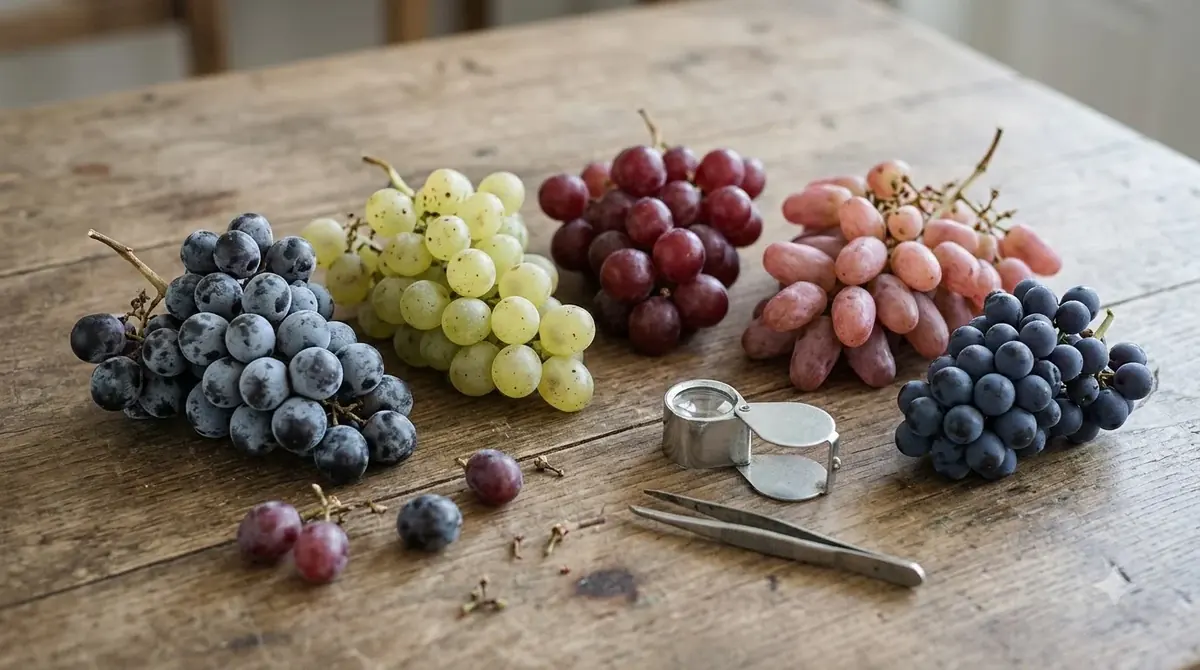
Merlot is particularly appealing if you enjoy a softer red wine than Cabernet Sauvignon. According to Decanter’s explanation of the grape, Merlot is associated with a soft texture, plummy fruit, and mellow tannins. Those qualities make it approachable without requiring the wine to be simple or lacking in structure. Depending on the region and winemaking, a bottle can offer fresh cherry, blackberry, blueberry, chocolate, spice, and earthy notes.
There are several types of shoppers who can benefit from this category:
- Casual red wine drinkers: If you enjoy fruit-forward wines that are comfortable to drink with dinner, look for California or Chilean Merlot. These styles often emphasize ripe fruit and a rounded palate.
- Cabernet Sauvignon drinkers: If you appreciate dark fruit and oak but want less aggressive tannin, Merlot can provide a softer alternative. Washington and Bordeaux examples are useful starting points.
- Food-focused shoppers: Merlot works particularly well with roast chicken, grilled beef, lamb, mushrooms, and tomato-based dishes. Its moderate tannin makes it adaptable to different preparations.
- Wine enthusiasts: If you want to explore regional differences, consider Right Bank Bordeaux, Napa Valley, and Washington State. Each can demonstrate a different balance of fruit, acidity, earthiness, and structure.
- Gift buyers: A well-presented Napa Valley or Saint-Émilion Merlot can make a thoughtful gift for someone who enjoys classic red wine but does not necessarily want an especially powerful Cabernet.
This category is less suitable for someone specifically seeking a very light-bodied, high-acidity red. Pinot Noir is generally a better starting point for that preference. Similarly, people who want noticeable sweetness should explore wines specifically made in a sweeter style rather than assuming ripe Merlot tastes sugary.
Merlot is usually fermented dry. Its ripe fruit flavors can create an impression of sweetness, but that sensation is different from actual residual sugar. If you prefer a noticeably sweeter wine, our guide to sweet merlot explains the differences between sweeter expressions and conventional dry Merlot.
Key Factors to Compare Before Buying
The most useful comparison points are region, fruit character, tannin, acidity, oak influence, and the wine’s overall balance. A bottle with concentrated fruit and polished tannins can be enjoyable, but the strongest purchases also have enough freshness and structure to prevent the wine from feeling heavy.
Start with the origin. California Merlot often emphasizes ripe plum, blackberry, and a rounded texture. Washington Merlot can offer more savory character, freshness, and structure. Bordeaux Merlot frequently combines fruit with earthy, herbal, and mineral impressions, particularly in wines from the Right Bank.
Next, consider body and tannin. Merlot generally falls into the medium to medium-full-bodied range, although climate and winemaking can create substantial variation. Its tannins are commonly softer than Cabernet Sauvignon’s, but some structured examples can still feel firm, especially when young. A little tannin is desirable because it gives the wine shape and helps it complement protein-rich food.
| Factor | What to Look For | Why It Matters |
|---|---|---|
| Region | California, Washington, Bordeaux | Indicates likely flavor and structural differences |
| Fruit profile | Plum, cherry, blackberry | Helps identify the preferred style |
| Tannin | Medium or moderately soft | Influences texture and food compatibility |
| Acidity | Medium | Provides freshness and balance |
| Body | Medium to medium-full | Indicates the wine’s weight on the palate |
| Oak | Vanilla, cedar, baking spice | Adds aroma, flavor, and perceived structure |
| Alcohol | Often around 13.5–15% ABV | Helps indicate potential warmth and richness |
| Bottle size | 750 ml | Provides approximately five standard 5-ounce pours |
Oak deserves particular attention because it can change the character of Merlot considerably. French oak commonly contributes subtle spice, cedar, and restrained vanilla impressions, while more prominent oak treatment can produce a sweeter-smelling, richer profile. Neither approach is automatically superior. The important question is whether the oak complements the fruit instead of covering it.
Producer consistency is another useful consideration. Look for wineries with an established Merlot range, clear regional sourcing, and recognizable production information. Our overview of best merlot brands can help narrow the field when you are comparing familiar producers with less widely distributed labels.
Professional reviews can provide additional context, particularly when they describe specific characteristics rather than relying entirely on numerical scores. For example, VinePair’s Merlot recommendations discuss differences in fruit expression, tannin, and regional character. Its selections include Washington examples as well as wines from other established growing areas.
Tip: Prioritize balance over sheer concentration. A Merlot with clear fruit, moderate tannin, refreshing acidity, and integrated oak will generally be more versatile at dinner than one that relies entirely on powerful fruit and alcohol.
Step-by-Step: How to Choose the Right Bottle
A reliable buying process starts with your preferred flavor profile and ends with a comparison of specific bottles from trustworthy producers. Following a few simple steps helps prevent an expensive purchase from disappointing simply because it does not match your taste.
- Decide how rich you want the wine to be.
For a softer, fruit-driven experience, begin with California or Chilean Merlot. If you prefer firmer structure and savory complexity, investigate Washington or Bordeaux. This first decision eliminates many bottles that would not suit your preferences.
- Choose the region before choosing the producer.
Look for Napa Valley if ripe dark fruit and fuller body appeal to you. Columbia Valley is a useful starting point for balanced Washington wines. Saint-Émilion and Pomerol are worth considering if you enjoy Merlot-dominant Bordeaux blends with earthy complexity.
- Decide whether you prefer varietal Merlot or a blend.
A varietal Merlot places the grape at the center of the wine’s identity. Bordeaux wines often combine Merlot with Cabernet Franc, Cabernet Sauvignon, and other permitted varieties. A blend can offer more structure or complexity while retaining Merlot’s characteristic fruit.
- Read tasting descriptions carefully.
Look for specific terms such as black cherry, plum, blackberry, cedar, cocoa, and tobacco. These details provide a clearer picture than generic descriptions such as smooth or premium. If you enjoy earthy flavors, descriptions mentioning herbs, mushrooms, or tobacco may be especially relevant.
- Check the vintage and intended drinking window.
Some younger Merlots are designed for immediate enjoyment, while more structured wines can benefit from additional bottle aging. A mature vintage may offer softer tannins and more developed savory aromas. Do not assume an older bottle is automatically better; storage history and producer quality matter.
- Compare professional assessments with producer information.
Reviews can identify distinctive strengths, while winery descriptions explain grape composition, vineyard location, and winemaking decisions. Consider both sources instead of relying on a single recommendation or attractive label.
- Match the wine to the occasion.
A generous, fruit-forward California Merlot works well for a casual dinner or gathering. A structured Washington or Bordeaux bottle may be more interesting alongside a substantial roast or a special meal. Consider how the wine will be served before making the final choice.
One useful example is L’Ecole Nº 41 Columbia Valley Merlot 2022, included in VinePair’s under-fifty-dollar recommendations. VinePair describes cherry and coffee aromas, soft fruit, and a noticeable tannic frame. This illustrates the kind of balance worth seeking: approachable fruit supported by structure rather than a wine that feels excessively soft or sweet.
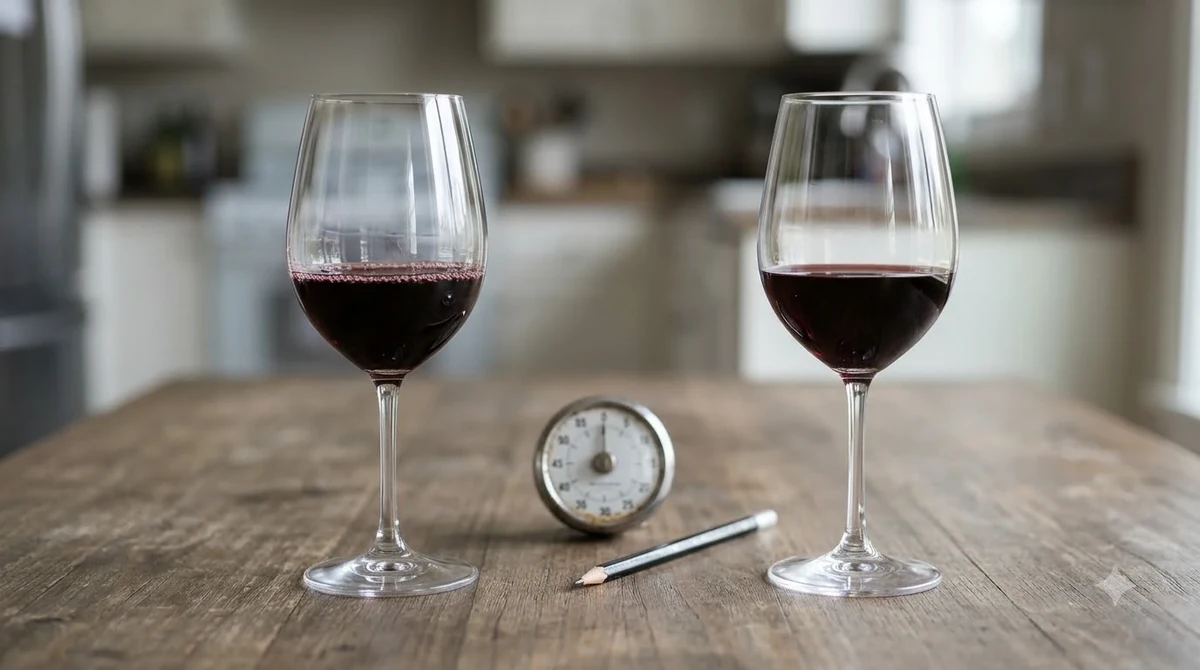
Another approach is to compare wines from different regions side by side. Choose one California Merlot and one Washington Merlot, then pay attention to the differences in fruit ripeness, acidity, tannin, and finish. This simple comparison can help establish which style deserves more attention in future purchases.
Types and Regional Styles Explained
Merlot’s regional differences are among the most useful clues for finding a bottle that matches your preferences. California, Washington, and Bordeaux offer three particularly distinct directions, while Chile and Italy provide additional alternatives for shoppers interested in exploring beyond the most familiar American regions.
California Merlot: Ripe Fruit and Rounded Texture
California is a natural starting point for shoppers who enjoy generous fruit and a relatively approachable texture. Merlot from warmer areas can show ripe plum, blackberry, dark cherry, and hints of chocolate. Oak aging may add vanilla, cedar, and baking spice, creating a richer overall impression.
Napa Valley is particularly relevant for shoppers seeking a more polished expression. Wines from the region can combine dark fruit with substantial body and carefully managed tannins. They often suit grilled steak, roast lamb, and dishes with mushroom or pepper-based sauces.
California is not a single flavor profile, however. Cooler growing areas can produce wines with more freshness and herbal notes. Therefore, it is sensible to compare individual producers rather than assuming every California bottle will be equally ripe or powerful.
Washington Merlot: Structure and Savory Character
Washington State deserves serious consideration because it offers Merlot with a combination of ripe fruit and structural definition. Columbia Valley is a particularly useful regional reference, and wines from areas such as Walla Walla Valley and Red Mountain can show distinctive expressions.
Expect flavors such as blackberry, black cherry, plum, pepper, and coffee, sometimes accompanied by earthy or herbal details. Depending on the growing site and producer, the wine can feel firmer and more structured than a straightforward fruit-driven California example.
VinePair’s recommendations provide useful examples of this diversity. L’Ecole Nº 41 Columbia Valley Merlot 2022 demonstrates a fruit-forward style with noticeable tannic support, while Kiona Vineyards Estate Bottled Merlot 2022 is discussed for its savory berry, coffee, pepper, and acidity characteristics.
Bordeaux Merlot: Earthy Complexity and Blending
Bordeaux is Merlot’s historic home and an important region for shoppers interested in more traditional red wine styles. On the Right Bank, Saint-Émilion and Pomerol are especially associated with Merlot-dominant wines. These bottles can combine plum and blackberry with cedar, earth, tobacco, and savory herbal notes.
Many Bordeaux wines are blends rather than pure Merlot. Cabernet Franc can contribute aromatic freshness, while Cabernet Sauvignon may add tannin and structure. This makes Bordeaux a useful option for shoppers who appreciate the softer fruit of Merlot but want a more layered and structured finish.
Montagne-Saint-Émilion is another appellation worth recognizing. VinePair’s recommendations include Château Tour Bayard Montagne-Saint-Émilion 2020, described as a Merlot-dominant wine with mineral, berry, and earthy characteristics. It illustrates how a less prominent Bordeaux appellation can offer an interesting alternative to better-known names.
Chile and Italy: Alternative Expressions
Chile can provide approachable Merlot with juicy fruit and supple texture. Decanter identifies Chile as an important source of value-oriented Merlot, with blackcurrant-like fruit characteristics in some examples. These wines are useful for casual meals, grilled chicken, and uncomplicated pasta dishes.
Italy offers another direction. Merlot appears both as a single-varietal wine and in blends, including wines from Tuscany and northeastern Italian regions. Depending on the producer and location, the result can range from fresh and fruit-driven to concentrated and structured.
For a broader introduction to regional wine shopping, the wine buying guide provides a useful starting point for understanding labels, origins, and the differences between wine styles.
For more detail on the grape’s regional expressions, Decanter’s Merlot grape profile explains how climate, growing conditions, and Bordeaux’s regional traditions influence the wines.
Common Mistakes When Buying Merlot
The most common Merlot buying mistakes involve confusing ripe fruit with sweetness, assuming all bottles have the same body, and choosing a wine based on reputation rather than its actual style. Paying attention to a few details can make the difference between a bottle you enjoy and one that remains unfinished.
Assuming Merlot Is Always Sweet
Merlot is generally a dry red wine. Its ripe plum, blackberry, and cherry characteristics can create a sweet impression, particularly when the wine has a full body and noticeable oak influence. That does not mean the wine contains substantial residual sugar.
If you want a genuinely sweet red, look for a producer that explicitly identifies its wine as sweet or semi-sweet. A conventional dry Merlot may taste fruit-rich without satisfying someone who expects a dessert-style wine.
Choosing Only by Alcohol Percentage
Alcohol can provide a clue about a wine’s general weight, but it does not determine quality. A Merlot with higher alcohol may feel richer and warmer, while a more moderate example can offer greater freshness. The relationship between alcohol, acidity, fruit, and tannin matters more than any single number.
Do not automatically favor the bottle with the highest alcohol content. Excessive warmth can make a wine feel less balanced, especially when the fruit and acidity cannot provide sufficient support.
Ignoring the Region
A California Merlot and a Right Bank Bordeaux may share the same principal grape but deliver very different drinking experiences. One may emphasize ripe blackberry and vanilla, while the other presents earth, herbs, cedar, and firmer structure.
Buying based only on the word Merlot overlooks these distinctions. Regional information is one of the most effective tools for predicting the style before opening the bottle.
Expecting Every Expensive Bottle to Be Better
Higher retail positioning does not guarantee a more enjoyable wine. Some moderately priced bottles offer excellent balance and clear regional character, while more expensive examples may be built around a specific stylistic preference that does not suit every drinker.
Compare professional descriptions, producer details, and the characteristics you actually enjoy. A straightforward Merlot with well-integrated fruit and tannins can be a better choice for a weeknight meal than a highly concentrated wine designed for extended cellaring.
Serving Merlot Too Warm
Room temperature is not always the ideal serving temperature, particularly in a warm home. Excessive warmth can make alcohol feel more prominent and can reduce the impression of freshness.
Fuller-bodied red wines are generally served around 60–65°F, while lighter reds are often better around 55–60°F. Slightly cooling a bottle before serving can make its fruit, acidity, and tannins easier to appreciate.
Care, Serving, and Storage Tips
Proper storage and serving can improve the experience of a good Merlot considerably. Keep unopened bottles away from heat and sunlight, serve the wine slightly cool, and allow young, structured examples enough air before drinking.
Store Bottles Correctly
For longer storage, keep cork-sealed bottles on their sides so the cork remains in contact with the wine. A stable environment near 55°F is a useful target. Avoid locations with strong temperature fluctuations, direct sunlight, or nearby appliances that generate heat and vibration.
Not every Merlot needs extended cellaring. Many everyday bottles are made for relatively early enjoyment, while more structured wines from producers in Napa Valley, Washington, and Bordeaux may develop additional complexity over several years. Wine Folly notes that many Merlots can age for approximately three to seven years, although exceptional examples can develop for considerably longer.
Serve at the Right Temperature
For a full-bodied Merlot, aim for approximately 60–65°F. A lighter-bodied example can be served closer to 55–60°F. If the bottle has been stored at ordinary room temperature in a warm environment, a short period in the refrigerator can help bring it into a more suitable range.
A standard wine glass with a reasonably generous bowl is appropriate. The larger surface area allows aromas to collect and gives you room to swirl the wine without spilling. You do not need expensive specialist glassware to appreciate a well-made bottle.
Decant When Necessary
Young, structured Merlot can benefit from approximately 30–60 minutes of decanting. Exposure to air can help soften the initial impression of firm tannins and allow aromas to become more expressive. This is particularly useful for fuller-bodied wines that seem restrained immediately after opening.
However, decanting is not compulsory. An approachable, fruit-forward Merlot may be ready to drink immediately. Start by pouring a small glass and assessing its aroma and texture before deciding whether additional aeration is needed.
Preserve Opened Bottles
After opening, replace the cork or use a suitable wine stopper and refrigerate the remaining wine. Most still Merlot is best enjoyed within approximately three to five days, although the actual condition depends on the wine, storage temperature, and amount of oxygen exposure.
Before serving a refrigerated bottle again, allow it to warm slightly in the glass. This helps restore its aromatic expression without requiring the entire bottle to sit at a warm room temperature.
Choose Food That Matches the Wine
Merlot’s moderate tannins and fruit-forward character make it adaptable at the dinner table. Grilled beef, roast chicken, turkey, lamb, and mushroom dishes are especially useful pairing choices.
For a straightforward meal, try Merlot with pizza, mushroom pasta, or barbecue chicken. For a more substantial dinner, choose beef short ribs, roast duck, or grilled steak. Salt and fat can soften the perception of tannin, making richer meat preparations particularly compatible with structured Merlot.
Pay attention to sauces as well as the main ingredient. A tomato-based sauce needs sufficient wine acidity to avoid making the wine seem flat. Very spicy dishes can amplify the perception of alcohol and tannin, so milder preparations are generally more comfortable with fuller-bodied Merlot.
Frequently Asked Questions
Is Merlot considered a beginner-friendly red wine?
Yes. Merlot is often a comfortable starting point because its fruit-forward character and relatively mellow tannins can make it less demanding than some structured Cabernet Sauvignon wines. However, serious examples from Bordeaux and Washington can still offer considerable complexity for experienced wine drinkers.
Does Merlot contain sulfites?
Most commercially produced wines contain naturally occurring sulfites, and many producers also use sulfur dioxide during winemaking to help protect the wine against oxidation and unwanted microbial activity. The amount varies by wine and production method. Sulfite information is generally addressed through the applicable labeling requirements in the country where the wine is sold.
Can Merlot be used for cooking?
Yes. Dry Merlot can work well in beef stews, braised short ribs, mushroom sauces, and reductions. Its plum and berry characteristics can complement savory ingredients, while moderate tannin provides structure. Choose a drinkable dry bottle rather than a wine specifically marketed as cooking wine.
Is single-varietal Merlot different from Merlot-dominant Bordeaux?
Yes. A single-varietal Merlot focuses on the grape itself, while Bordeaux blends can combine Merlot with Cabernet Franc, Cabernet Sauvignon, and other authorized varieties. The blending partners influence aromatic complexity, acidity, and tannin. Bordeaux labeling also emphasizes appellation and producer identity rather than always displaying the principal grape prominently.
Does Merlot work well for a wine tasting at home?
Merlot is an excellent choice for a regional comparison. Pour three small samples from California, Washington, and Bordeaux, keeping each at a similar temperature. Compare the wines for fruit ripeness, acidity, tannin, oak character, and finish. This exercise helps demonstrate how climate, location, and winemaking influence the same grape variety.
The best Merlot under 50 is ultimately the bottle that combines regional character, balanced fruit, manageable tannins, and a style suited to your food and preferences. California, Washington, and Bordeaux all offer worthwhile starting points, so compare individual producers rather than relying on the grape name alone. With careful selection and proper serving, Merlot can deliver an enjoyable and versatile red wine for both everyday dinners and more memorable occasions.
More in Wine Buying Guides
 Riesling Gift: Choose a Bottle They’ll LoveUpdated Nov 21, 2026
 Sweet Red Wine Gift: Choose a Bottle They’ll LoveUpdated Nov 21, 2026
 Malbec Gift: How to Choose a Memorable Bottle for Any OccasionUpdated Nov 21, 2026
 Sherry Gift Ideas That Match Every Wine LoverUpdated Nov 21, 2026
 Moscato Gift: How to Choose a Sweet Wine They’ll LoveUpdated Nov 21, 2026
 Merlot Gift: How to Choose a Bottle They’ll AppreciateUpdated Nov 21, 2026