
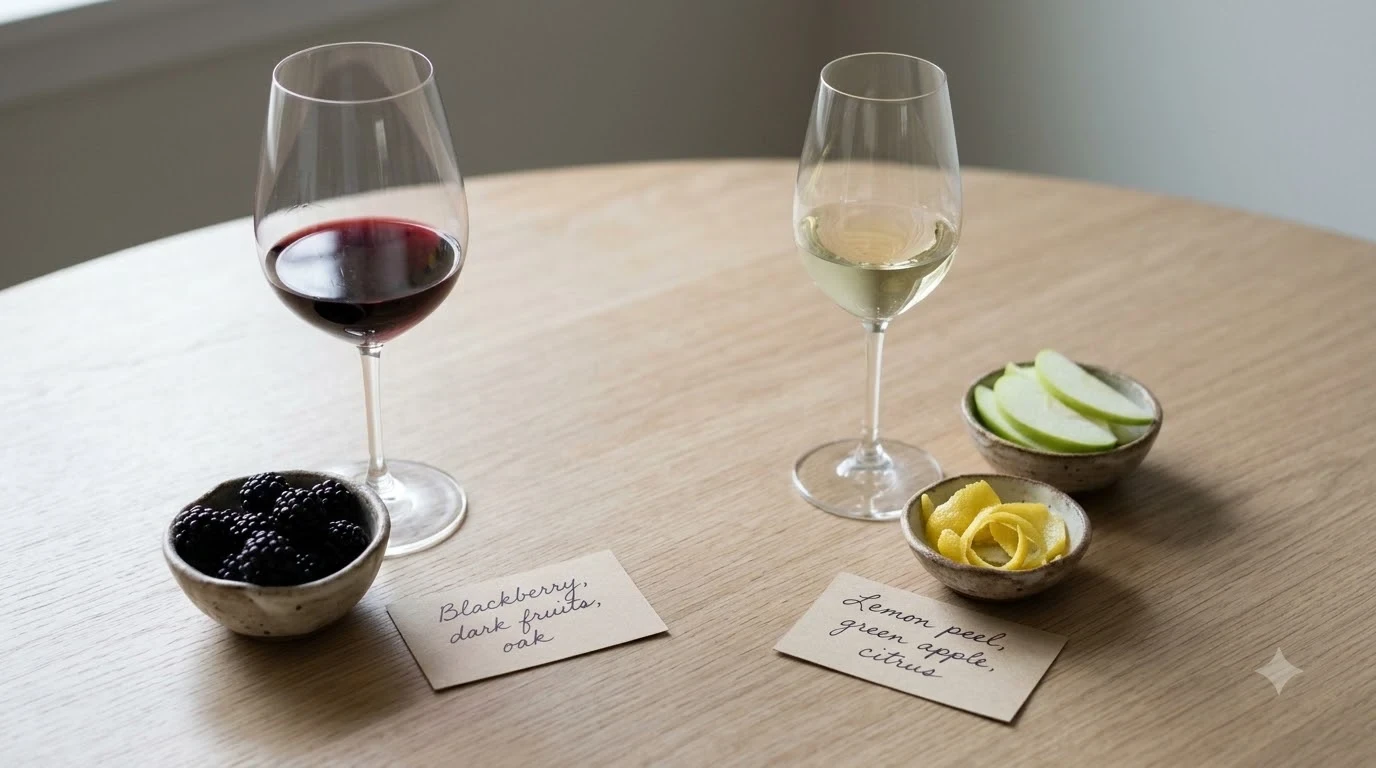

We may earn a commission when you buy through links on this page, at no extra cost to you. Learn more.
The best merlot at costco is the bottle that combines ripe fruit, balanced tannins, a recognizable growing region, and a style that suits your food and preferences. Kirkland Signature Merlot is worth watching for, while California, Washington, and Bordeaux-style Merlots can offer different expressions of the grape. Because Costco’s wine selection changes between warehouses, the smartest approach is to compare the actual bottles available rather than rely on a supposedly permanent list of recommendations.
Merlot is a practical choice for shoppers who want a versatile red wine with generous fruit, moderate acidity, and a softer texture than many Cabernet Sauvignon wines. Costco can be an interesting place to look for it, particularly if you enjoy comparing established wine regions and private-label selections. This guide explains what to look for, how to recognize quality, and how to choose a bottle that delivers the drinking experience you want.
Who Should Look for Merlot at Costco?
Costco Merlot is worth considering for shoppers who enjoy dry red wine with approachable tannins, dark-fruit flavors, and enough structure to accompany dinner. It is especially suitable for people who want something more substantial than a light Pinot Noir without the firm tannin profile often associated with Cabernet Sauvignon.
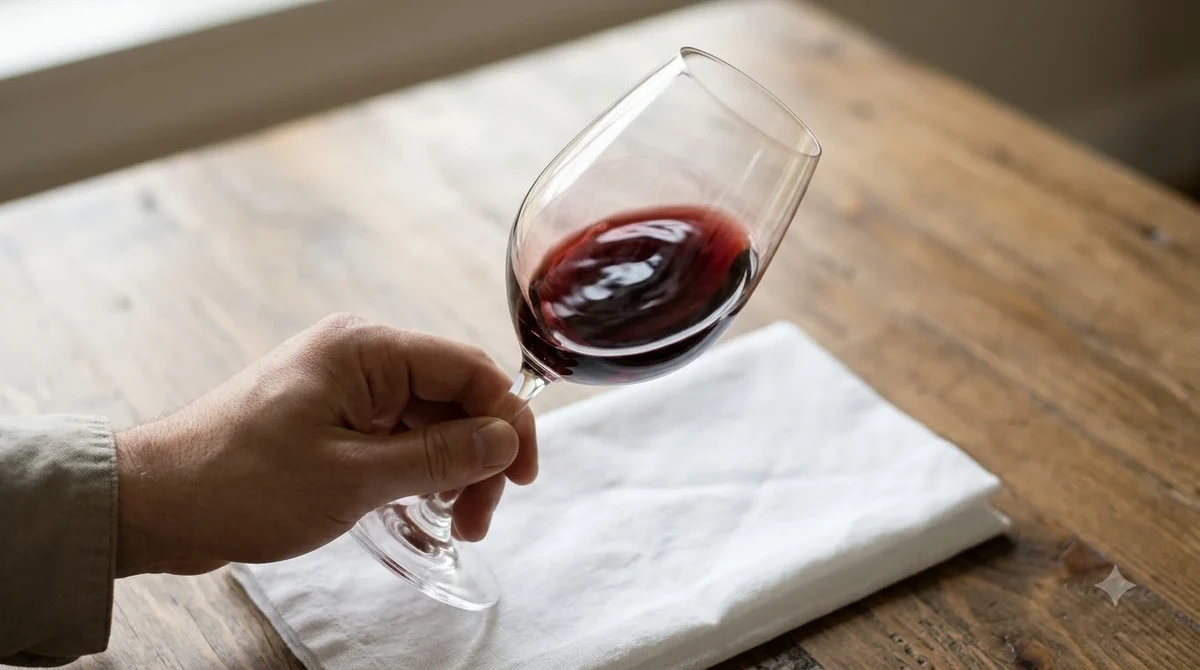
Merlot is naturally versatile. Its characteristic plum and cherry flavors work with everything from weekday pasta to grilled beef, roasted vegetables, and savory poultry. However, not every bottle tastes the same. A fruit-forward California Merlot can feel very different from a more structured Washington example or a traditional Right Bank Bordeaux blend.
Shoppers who prefer smooth, approachable reds should look for descriptions suggesting ripe plum, black cherry, cocoa, and rounded tannins. These characteristics usually indicate a style that can be enjoyed without extensive aging or complicated food preparation.
Costco shoppers interested in private-label wines should also keep an eye out for Kirkland Signature. Wine Enthusiast previously reviewed a Kirkland Signature 2006 Merlot from Columbia Valley, Washington, describing black cherry and mocha flavors alongside ripe, smooth tannins. That historical review demonstrates that the house label has offered Merlot worth examining, but it should not be treated as a review of a current release or proof that the same wine is available today.
Merlot may be less suitable for someone who specifically wants an extremely bold, high-tannin red. In that situation, Cabernet Sauvignon or certain Syrah wines may be a better match. Shoppers comparing several red varieties can also consult this guide to the best red wine at costco for a broader understanding of the choices.
The most important consideration is drinking preference, not the popularity of a label. A modestly structured Merlot can be an excellent everyday dinner wine, while a more concentrated example may suit special meals and longer evenings around the table.
Key Factors to Compare When Buying Merlot
The most useful comparisons involve grape composition, growing region, tannin, acidity, body, alcohol level, and vintage. Looking at these details together gives shoppers a better idea of what is inside the bottle than relying on the Merlot name alone.
Start with the region. California Merlot often emphasizes ripe cherry, plum, and blackberry, sometimes accompanied by vanilla from oak aging. Washington Merlot can offer similar dark fruit but frequently combines richer flavors with fresh acidity and a more structured finish. Bordeaux Merlot, particularly from the Right Bank, can bring earthy notes, herbs, and a more layered texture.
Next, consider whether the wine is varietal Merlot or a red blend. A varietal bottle identifies Merlot as the principal grape, while a Bordeaux-style blend may combine it with Cabernet Sauvignon, Cabernet Franc, or other permitted varieties. Blending can change the wine’s structure, fruit expression, and tannin profile.
Alcohol level is another useful comparison. Many Merlots fall around 13.5% to 15% ABV, although individual bottles vary. Higher alcohol can accompany riper fruit and a fuller impression, but it does not automatically mean better quality. Balance between alcohol, acidity, fruit, and tannin matters more.
The following table provides a practical framework for comparing bottles on the Costco shelf. The figures are general wine-style reference points rather than specifications for a particular Costco product.
| Factor | What to Look For | What It Suggests | Best For |
|---|---|---|---|
| Grape composition | 100% Merlot or Merlot-led blend | Different levels of fruit and structure | Matching personal preferences |
| Alcohol level | About 13.5%–15% ABV | Common range for fuller Merlot styles | Understanding body and ripeness |
| Body | Medium to medium-full | Moderate weight and concentration | Everyday meals |
| Tannin | Medium to medium-high | Moderate drying sensation | Roasted meats and savory dishes |
| Acidity | Medium | Freshness and food-friendly balance | Pasta, poultry, and tomato dishes |
| Serving temperature | 60–65°F | Balanced fruit and alcohol perception | Most still Merlot wines |
| Decanting | Approximately 30 minutes | Additional aromatic development | Young, fuller-bodied bottles |
| Bottle size | 750 ml | Approximately five standard 5 oz pours | Small gatherings and dinner |
Oak treatment deserves attention, too. Merlot aged in oak may develop vanilla, baking spice, cocoa, and cedar characteristics. These flavors can complement ripe fruit, but excessive oak influence may make a wine seem heavier or less fresh than expected.
Vintage information helps distinguish the age of the grapes from the age of the bottle. A recent vintage is often appropriate for an accessible, fruit-driven Merlot. A more mature bottle may show softer fruit and additional savory complexity, although proper storage is essential for wines intended to age.
For a more detailed understanding of how Merlot’s regional differences affect its character, the Wine Folly Merlot guide explains its principal flavors, growing regions, serving recommendations, and food pairings.
Finally, compare the overall impression rather than treating one characteristic as a quality guarantee. A wine with 14.5% ABV, for example, is not necessarily superior to one with 13.5% ABV. The best choice is the bottle whose style, structure, and intended use fit your preferences.
Step-by-Step: How to Choose a Merlot at Costco
A simple shopping process can make comparing Costco Merlot much easier. Start with your preferred flavor profile, narrow the choices by region and composition, and then examine the details that indicate whether a bottle suits your meal or occasion.
-
Decide how you want the wine to taste.
Choose between fruit-forward and structured styles. If you prefer ripe black cherry, plum, and soft tannins, start with warmer-climate California Merlot. If you enjoy earthy notes, herbal aromas, and firmer structure, examine Washington or Bordeaux-inspired options.
-
Check the region of origin.
Look for specific regional information instead of relying on a generic red wine description. Napa Valley, Sonoma, and Columbia Valley each offer useful clues about the potential style. A Bordeaux designation may indicate a blend rather than a single-grape Merlot.
-
Read the grape composition.
Look for bottles identified as Merlot and distinguish them from Merlot-led blends. Cabernet Sauvignon in the blend may contribute additional tannin and structure, while Cabernet Franc can add aromatic freshness and herbal complexity.
-
Compare alcohol and body.
Use the ABV percentage as one indicator of potential weight. A wine around 13.5% ABV may feel more restrained than a riper example approaching 15%, although climate, winemaking, and acidity also influence the final impression.
-
Consider the food you plan to serve.
For burgers, pizza, and tomato-based pasta, a straightforward fruit-driven Merlot is usually suitable. For beef short ribs, lamb, or grilled steak, consider a fuller wine with more concentration and structure.
-
Evaluate the producer and vintage.
A recognizable producer, clearly identified region, and available vintage information provide useful context. If you find a Kirkland Signature bottle, distinguish its current vintage and regional designation from older reviews of unrelated releases.
-
Check warehouse availability.
Use Costco’s warehouse information where available, or contact the local store before making a special trip. Costco explains that online inventory does not duplicate all warehouse inventory and that availability can change as members purchase products.
-
Make the final choice based on the occasion.
For an uncomplicated weeknight dinner, prioritize fresh fruit and moderate tannins. For a formal meal, look for a more layered Merlot with a recognizable region, thoughtful oak influence, and enough structure to complement the main course.
Tip: Photograph the front and back labels of a Merlot you enjoy. Recording its region, vintage, alcohol level, and producer makes it much easier to recognize a similar style on your next Costco visit, even if the exact bottle is no longer available.
One additional step is to check whether the wine is intended for immediate drinking or extended cellaring. Most accessible Merlots are made to be enjoyed relatively young. More structured examples from established regions may develop additional complexity over time, but aging potential depends on the wine’s balance and storage conditions.
Costco’s own customer service guidance explains that shoppers can select their preferred warehouse under the My Warehouse setting and check availability when that feature is provided for an item. It also recommends contacting the warehouse for availability information. This is useful because a wine that appears online may not necessarily be stocked at a particular physical location.
Approaching the selection systematically prevents an attractive label or familiar private-label name from becoming the only reason for choosing a bottle. It also helps shoppers compare Merlot with other wine styles more confidently. Those still deciding between red and white can explore the best white wine at costco for additional options.
Types of Merlot Styles Explained
Merlot is not a single, uniform flavor experience. Climate, soil, grape ripeness, oak aging, and blending decisions can produce wines ranging from fresh and fruity to concentrated and structured.
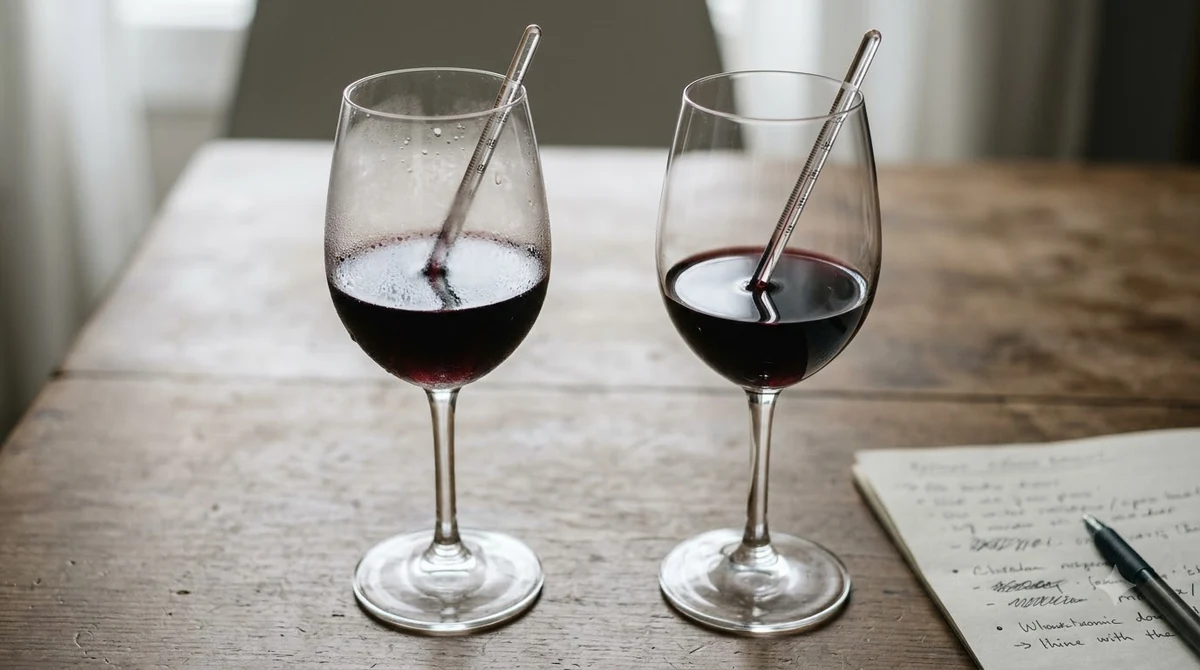
California Merlot: Ripe and Fruit-Forward
California is a useful starting point for shoppers who prefer generous fruit flavors and an approachable texture. Napa Valley Merlot often emphasizes ripe cherry, plum, blueberry, and sometimes sage or violet. Oak aging can introduce vanilla, chocolate, and spice.
Sonoma Merlot can show a slightly different balance, particularly in coastal areas where growing conditions may preserve brighter acidity. Red-fruit character and freshness can make these wines particularly suitable for pasta, roasted poultry, and moderately rich meals.
For shoppers who want a smooth red that works across several everyday occasions, California Merlot is a practical style to consider. However, the state is large, and the regional designation and producer still matter. A bottle from a warmer inland area may taste noticeably riper and fuller than one from a cooler coastal location.
Washington Merlot: Dark Fruit and Structure
Washington produces Merlot with a combination of concentrated fruit, freshness, and moderate structure. Columbia Valley is an important region to recognize, with black cherry, blueberry, fig, and vanilla among the potential flavor characteristics.
Washington Merlot can be an attractive option for people who enjoy a wine with more structure than an uncomplicated fruit-driven red. Its balance of ripe flavors and acidity can work particularly well with grilled beef, roast turkey, mushrooms, and hearty pasta dishes.
The historical Kirkland Signature Columbia Valley Merlot reviewed by Wine Enthusiast is an example of the house label’s previous connection with this region. The review described a wine with black cherry and mocha flavors and smooth tannins. It is useful historical context, but a current bottle should be assessed independently rather than assumed to share the same characteristics.
Bordeaux Merlot: Earthy and Layered
Bordeaux is Merlot’s historic home, particularly the Right Bank appellations of Pomerol and Saint-Émilion. Wines from these areas can combine Merlot with Cabernet Franc and sometimes other traditional Bordeaux varieties.
Expect potential flavors of dark plum, black cherry, herbs, cedar, spice, and earthy notes. Some examples have a more structured character than everyday California Merlot, making them appropriate for dishes such as beef short ribs, roast lamb, and mushroom-based meals.
It is important to distinguish a Bordeaux wine from a bottle labeled as 100% Merlot. Many Bordeaux wines are blends, and their character reflects the interaction between several grape varieties. Shoppers who enjoy complexity should not automatically exclude a blend simply because Merlot is not its only grape.
Merlot-Led Red Blends: A Different Balance
A Merlot-led blend is another possibility in a warehouse wine selection. Cabernet Sauvignon may add firmness and darker fruit, while Cabernet Franc can contribute herbal aromas and additional complexity. The resulting wine can have more structure than a straightforward Merlot.
These wines are particularly useful for shoppers who like Merlot’s rounded fruit but want something with a little more grip. They can accompany grilled meats, braised beef, and rich tomato-based dishes.
When comparing blends, look at the grape percentages if they are provided. The percentage of Merlot alone does not determine quality, but it helps establish what role the grape plays in the finished wine.
The right choice depends on the desired experience. California is a sensible starting point for ripe fruit, Washington offers a balance of concentration and freshness, Bordeaux brings regional complexity, and blends provide additional structural variation.
Common Mistakes When Buying Costco Merlot
The most common shopping mistake is assuming that every bottle labeled Merlot will have the same flavor and quality. Other problems include relying on old reviews, confusing grape composition, overlooking regional differences, and buying a bottle without considering the food it will accompany.
Assuming Kirkland Signature Has One Consistent Merlot
Kirkland Signature is a familiar name, but a private-label designation does not tell shoppers everything about a wine. The region, producer information, vintage, and composition are still important.
The historical Columbia Valley Merlot reviewed by Wine Enthusiast should not be confused with a later release. Wine changes between vintages, and different bottlings may involve different sourcing and winemaking decisions. A favorable historical review is a reason to investigate a label, not a guarantee of identical results.
Choosing Only by Alcohol Percentage
Higher alcohol can suggest riper grapes and a fuller wine, but it does not guarantee concentration, balance, or complexity. A Merlot with moderate alcohol and fresh acidity may be more enjoyable than a heavier bottle with noticeable alcoholic warmth.
Look for harmony between fruit, acidity, tannin, and alcohol instead of focusing on a single number. This is particularly important if the wine will accompany a meal rather than be served on its own.
Confusing Merlot with Cabernet Sauvignon
Both grapes appear in Bordeaux and California wines, and both can produce medium-full to full-bodied reds. However, Cabernet Sauvignon generally has higher tannin and a firmer structure, while Merlot is typically softer and more rounded.
A shopper expecting the intensity of a strongly structured Cabernet may find a delicate Merlot less satisfying. Conversely, someone who dislikes drying tannins may prefer Merlot’s generally softer texture.
Ignoring Food Pairing
Even a well-made wine can seem unbalanced when paired with the wrong dish. Merlot is particularly useful with savory foods, but the richness and seasoning of a meal should guide the final selection.
For example, a ripe California Merlot can complement barbecue chicken, burgers, and lasagna. A more structured Bordeaux-style wine may be more suitable for lamb, braised beef, and mushroom dishes.
Very spicy food can also make alcoholic warmth and tannin more noticeable. If serving a heavily seasoned dish, choose a softer, fruitier Merlot rather than an especially powerful example.
Assuming Online Listings Show Every Warehouse Bottle
Costco explicitly explains that online inventory is an extension of warehouse inventory rather than an identical listing. Products sold only in warehouses may not appear online, and online listings do not establish that a particular bottle is physically available at a selected store.
This matters especially for wine shoppers looking for a specific vintage or limited warehouse release. Checking the local store before traveling is more reliable than assuming that an online search provides a complete inventory.
Serving, Care, and Storage Tips for Merlot
Proper serving and storage help preserve Merlot’s fruit, aroma, and texture. Aim for a serving temperature of approximately 60–65°F, store unopened bottles near 55°F, and refrigerate opened wine to slow oxidation.
Serve Merlot Slightly Cool
Merlot is often served too warm because people assume that all red wine belongs at ordinary room temperature. In a warm home, that can emphasize alcohol and make the wine seem heavy.
A temperature around 60–65°F is a useful target for most fuller-bodied Merlots. If the bottle has been stored at room temperature in a warm kitchen, place it in the refrigerator briefly before serving and allow the wine to reach the desired temperature.
Lightly structured examples can also be served toward the cooler end of the range, while fuller, more concentrated bottles may benefit from a little additional warmth. The goal is to retain freshness without suppressing the wine’s aromatic character.
Choose the Right Glass
A large-bowled red wine glass is a good choice for Merlot. The wider bowl gives the wine room to release its aromas and allows the drinker to appreciate fruit, oak, and savory characteristics.
Pour approximately 5 oz per serving. A standard 750 ml bottle provides roughly five such glasses, making it a convenient size for a small dinner gathering.
Avoid filling the glass to the rim. Leaving enough room for gentle swirling helps release aromas without spilling the wine.
Decant When Appropriate
Many young Merlots do not require extensive decanting, but a fuller bottle can benefit from approximately 30 minutes of exposure to air before serving. This can help reveal plum, cherry, cocoa, and spice aromas.
Decanting is particularly useful for young, concentrated wines that initially seem closed or restrained. For lighter, simple Merlots, opening the bottle shortly before dinner may be sufficient.
Decanting also separates wine from sediment when dealing with older bottles. In that situation, pour slowly and stop before the sediment enters the serving vessel.
Store Unopened Bottles Correctly
Store Merlot in a cool, dark place with a reasonably stable temperature. Around 55°F is a useful cellar target. Avoid placing wine next to an oven, radiator, sunny window, or other source of repeated temperature changes.
For natural-cork bottles, horizontal storage keeps the cork in contact with the wine. This helps prevent the cork from drying out during longer storage periods. Keep bottles away from strong vibrations and excessive light as well.
Not every Costco Merlot is intended for long-term aging. Most approachable bottles are best enjoyed while their fruit is fresh, while more structured examples from established regions may develop additional savory and earthy complexity over several years.
Preserve Opened Merlot
After opening, reseal the bottle and keep it in the refrigerator. Even red wine benefits from refrigeration because cooler temperatures slow the oxidation process.
Most opened still wines are best consumed within approximately 3–5 days when stored properly. Before serving again, allow the wine to warm slightly in the glass. If it develops noticeably dull fruit, vinegar-like aromas, or an unpleasant stale character, its best drinking period has probably passed.
For more wine-shopping ideas across different occasions, shoppers can also explore the best champagne at costco, particularly when planning celebrations that call for a sparkling alternative to red wine.
Frequently Asked Questions
These answers address practical questions about finding, identifying, and enjoying Merlot at Costco. The focus is on details that can help shoppers make better decisions when warehouse selections change.
Does Costco sell Merlot throughout the year?
There is no guarantee that every Costco warehouse carries Merlot continuously. Wine selections can change as inventory moves, and some bottles are available only for limited periods. Costco recommends checking the selected warehouse or contacting the local store for product availability.
Is Kirkland Signature Merlot made by the same winery every time?
A Kirkland Signature label alone does not establish that every release comes from the same winery or production arrangement. For example, the historical Columbia Valley Merlot reviewed by Wine Enthusiast was a specific bottling with its own vintage and regional identity. Shoppers should evaluate each release using its own label and available producer information.
How can you tell whether a Merlot is suitable for aging?
Look for a wine with concentrated fruit, balanced acidity, meaningful tannin structure, and a producer or appellation associated with age-worthy examples. A premium Right Bank Bordeaux Merlot blend may have more development potential than a simple early-drinking table wine. Storage conditions are equally important, since heat and temperature fluctuations can shorten a bottle’s useful life.
Should Merlot be opened before serving?
Opening a young Merlot approximately 15–30 minutes before drinking can give it time to release its aromas. A more concentrated bottle may benefit from decanting, while a lighter everyday example may need little additional aeration. Older bottles should be handled more carefully because excessive air exposure can diminish delicate aromas.
Can Merlot be used for cooking as well as drinking?
Yes. Dry Merlot can add fruit and savory depth to beef stews, mushroom sauces, braised short ribs, and tomato-based dishes. Use a wine that tastes pleasant on its own, since unpleasant acidity or excessive bitterness can become more noticeable as a sauce reduces. Add it gradually and allow sufficient cooking time for the alcohol to evaporate.
The best Merlot at Costco is ultimately the bottle that delivers the right balance of fruit, structure, and regional character for your preferences. Pay attention to the producer, vintage, and growing region, and treat Kirkland Signature as one option rather than an automatic recommendation. With a little label-reading and an understanding of Merlot styles, it becomes much easier to find an enjoyable red wine for everyday meals and special occasions.
More in Wine Buying Guides
 Cheap Red Blend: How to Find a Flavorful Bottle for LessUpdated Nov 20, 2026
 Pinot Grigio Gift: How to Choose a Bottle They’ll EnjoyUpdated Nov 20, 2026
 Best White Wine at Total Wine for Every MealUpdated Nov 20, 2026
 Wine Fridge Replacement Shelves: Find the Right FitUpdated Nov 20, 2026
 Best Sparkling Wine Under 20: Find Bubbles Worth BuyingUpdated Nov 20, 2026
 Best Wine For Birthday Celebrations With Perfect Party PairingsUpdated Nov 20, 2026