

We may earn a commission when you buy through links on this page, at no extra cost to you. Learn more.
The mercurey wine region is a Burgundy appellation in France’s Côte Chalonnaise, best known for structured Pinot Noir reds and distinctive Chardonnay whites. Located around the villages of Mercurey and Saint-Martin-sous-Montaigu, this historic wine district produces some of southern Burgundy’s most characterful village-level wines. Its 32 Premier Cru climats, varied limestone and marl soils, and predominantly southeastern-facing slopes give the appellation considerable stylistic diversity.
Mercurey deserves attention from wine enthusiasts looking beyond the famous vineyards of the Côte de Nuits and Côte de Beaune. Its reds combine Burgundy’s recognizable Pinot Noir character with firmer tannins and substantial fruit, while its less common whites offer generous Chardonnay flavors and mineral detail. Understanding the appellation’s geography, vineyard classifications, grape varieties, and producers makes it easier to select a bottle that suits your preferences.
Where Mercurey Sits Within Burgundy
Mercurey occupies a central position in the Côte Chalonnaise, a Burgundy wine district south of the Côte de Beaune. Its vineyards extend across the communes of Mercurey and Saint-Martin-sous-Montaigu, approximately 12 kilometers from Chalon-sur-Saône.
The Côte Chalonnaise is sometimes overshadowed by its more famous northern neighbors, but its appellations have distinctive identities. Mercurey is particularly important because of its extensive Pinot Noir plantings and established reputation for structured red Burgundy. Other regional appellations include Rully, Givry, and Montagny, each offering different expressions of the area’s vineyards and grape varieties.
Mercurey received official Appellation d’Origine Contrôlée status in 1936. Its winemaking history, however, reaches much further back. According to wine historian Charles Curtis MW, Roman occupiers cultivated vines in the area nearly 2,000 years ago. A temple dedicated to Mercury, the Roman god associated with commerce and travelers, stood along an ancient road connecting the area with Autun and Chalon-sur-Saône.
The appellation developed through centuries of viticulture, commercial activity, and changing vineyard classifications. Its boundaries were defined through a legal proceeding in 1923, before its official AOC recognition. A classification developed by local engineer Antoine Budker in 1874 had already documented the area’s vineyard importance.
Today, Mercurey belongs to the regional Burgundy appellation hierarchy as a Village appellation, with designated Premier Cru vineyards occupying a higher classification within that category. It does not have Grand Cru vineyards. This distinction is important when comparing Mercurey with prestigious Côte d’Or villages, where the classification system includes Village, Premier Cru, and Grand Cru levels.
The Savoie wine region offers an interesting comparison with Mercurey’s neighboring French wine districts, while the broader collection of Wine Regions provides additional context for comparing French and international appellations.
Climate, Geography, and the Soils of Mercurey
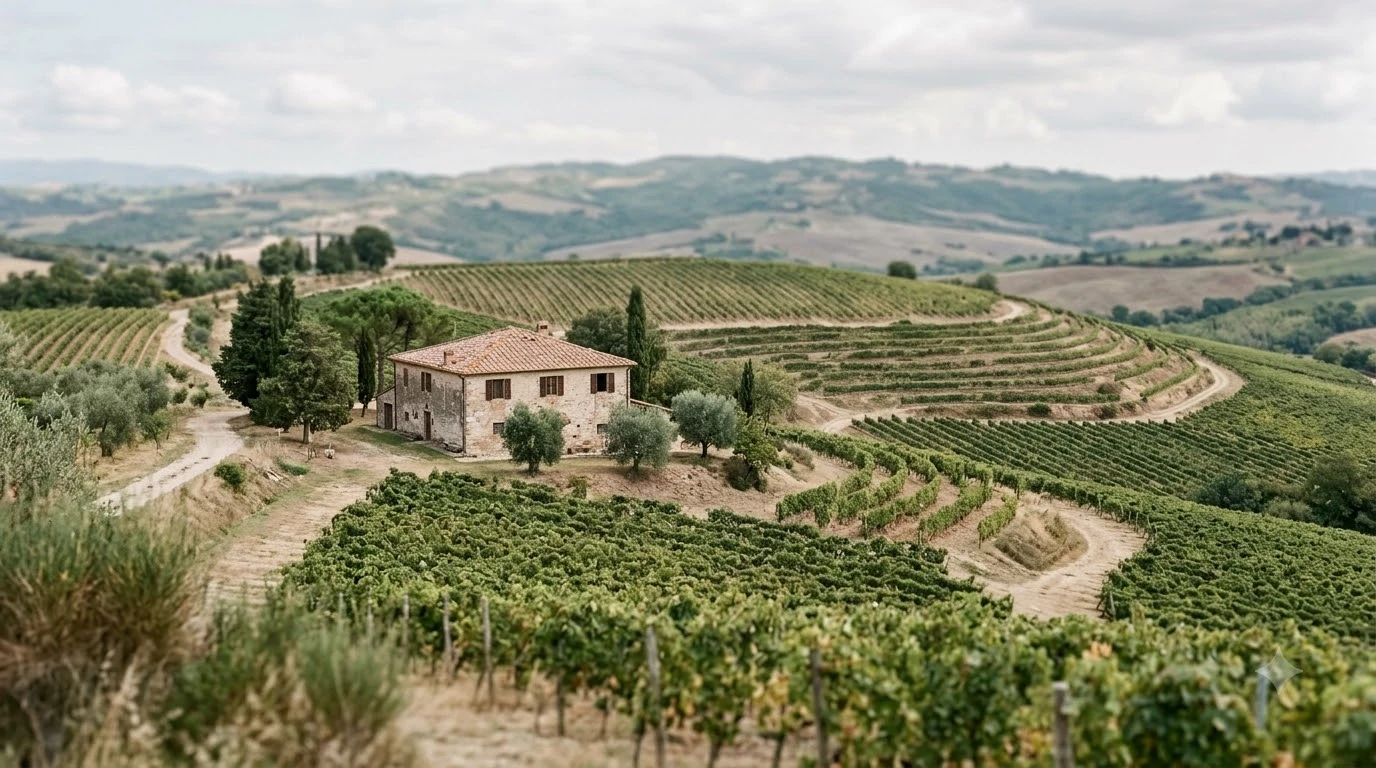
Mercurey’s combination of continental climate influences, varied hillside exposures, and Jurassic geological formations gives its wines their individual character. The vineyards generally sit between 230 and 320 meters above sea level, although individual locations and geological zones differ.
The climate has relatively warm summers and cold winters, with meaningful seasonal temperature variations. The Massif du Morvan helps protect the vineyards from moisture-bearing westerly winds. These conditions create a growing environment in which vineyard position, slope orientation, and local weather patterns can influence grape ripeness and wine structure.
The landscape is often compared to a natural amphitheater, although the vineyards actually extend across several hills and valleys. The Giroux river valley divides the area, while four smaller valleys create additional variations in elevation and exposure. Some vineyards face southeast, while others occupy slopes with northern, eastern, or western orientations.
According to the local growers’ organization, approximately 85% of Premier Cru parcels have southeastern exposure. This concentration of favorable orientations helps explain why particular vineyard sites have developed strong reputations. Differences in sunlight exposure can influence ripening speed, fruit concentration, acidity, and the eventual balance of the wines.
Five principal soil families
Mercurey’s geology is particularly varied. The vineyards contain sedimentary formations associated with the Jurassic period, including limestone, marl, clay, and stony deposits. The local growers’ organization identifies five principal soil and subsoil families across the appellation.
Hard white limestone soils are particularly important in some elevated areas. Other areas contain marl-rich soils, clay-bearing gravel, and mixtures of stones and sediment. The Bourgogne Wine Board describes Oxfordian limestone and marl formations as important components of the local geology.
Eastern vineyard sites contain calcareous and marly soils, while western areas include Jurassic geological structures and crystalline material covered by gravel. Some vineyards also occupy formations associated with the Bathonian stage of the Jurassic period.
These differences do not translate into a simple rule that one soil produces a particular flavor. Instead, soil depth, drainage, slope, exposure, and growing conditions interact. Two Pinot Noir wines from different Mercurey climats can therefore show noticeably different combinations of fruit intensity, tannin, freshness, and texture.
Pinot Noir and Chardonnay: The Grapes Behind Mercurey
Pinot Noir dominates Mercurey’s production, accounting for approximately 80% of the area’s wines according to the local growers’ organization. Chardonnay represents the smaller white-wine category, providing an alternative expression of the appellation’s varied vineyards.

Pinot Noir: Mercurey’s signature red grape
Pinot Noir is responsible for Mercurey’s reputation as a source of substantial, age-worthy red Burgundy. Compared with some lighter and more delicate Pinot Noir styles from northern Burgundy, Mercurey frequently produces wines with deeper color, firmer tannins, and a more pronounced sense of structure.
Young wines commonly show red fruit flavors such as strawberry, raspberry, and cherry. Depending on the producer, vineyard location, and vintage, darker fruit characteristics can also emerge. Earthy notes and subtle spice provide additional complexity.
The Bourgogne Wine Board describes young Mercurey reds as rich, full-bodied, and chewy, with tannins that create a firm mineral impression. This structure makes the wines particularly suitable for hearty meals and gives better examples the ability to develop additional complexity in the bottle.
As Pinot Noir ages, its fresh fruit character can become more integrated. Mature examples may develop aromas of forest floor, underbrush, tobacco, and cocoa. The result is often a more savory and layered wine than the youthful cherry-driven expression.
Chardonnay: The less common white wine
White Mercurey is made primarily from Chardonnay. Although less widely produced than the red wines, it offers an appealing alternative for people who enjoy substantial white Burgundy.
Typical aromas include white flowers, acacia, hazelnut, almond, and gentle spices. Some examples also show a flinty mineral impression. On the palate, white Mercurey can be rounded and generous rather than particularly lean, with fruit and freshness supporting its texture.
Vineyard position and winemaking decisions influence the final result. Some producers emphasize freshness and citrus characteristics, while others develop a fuller style through lees contact or oak maturation. The best examples balance Chardonnay’s natural fruit with enough acidity to maintain definition.
Comparing the two wine styles
| Characteristic | Mercurey Red | Mercurey White |
|---|---|---|
| Main grape | Pinot Noir | Chardonnay |
| Production share | Approximately 80% | Approximately 20% |
| Typical color | Ruby to deep garnet | Pale gold to golden |
| Main fruit notes | Cherry, strawberry, raspberry | Citrus, apricot, quince |
| Additional aromas | Earth, tobacco, underbrush | White flowers, almond, hazelnut |
| Structure | Medium to high tannin, substantial body | Medium acidity, generous texture |
| Suggested serving temperature | 57–59°F when young | 52–55°F |
| Food matches | Beef, lamb, roast pork | Seafood, poultry, hard cheeses |
The production shares in this comparison are approximate descriptions of the appellation’s typical balance rather than fixed annual quotas. Actual proportions change with harvest conditions and vineyard decisions. The Bourgogne Wine Board’s published vineyard-area figures also demonstrate the strong predominance of red grape plantings.
There is one additional grape variety worth knowing. Pinot Gris is permitted as an accessory variety under the appellation rules, subject to restrictions. Decanter reports that it may account for up to 15% of the total. Pinot Noir and Chardonnay nevertheless remain the defining grapes of Mercurey’s red and white wines.
Mercurey Village and Premier Cru Classifications
Mercurey follows Burgundy’s appellation hierarchy, with Village wines and a group of 32 designated Premier Cru climats. Understanding these categories helps buyers interpret labels and identify wines from particularly recognized vineyard locations.
Village Mercurey represents the broader appellation. Grapes can originate from qualifying vineyards within the permitted production area, including sites without an individual Premier Cru designation. These wines can offer excellent examples of the region’s character, particularly when made by skilled growers.
Premier Cru wines come from specifically designated climats that meet the appellation’s requirements. Their labels can display the words Mercurey Premier Cru followed by the vineyard name. This additional geographical information helps identify the wine’s origin more precisely.
Notable Premier Cru vineyards
Several names regularly appear in discussions of Mercurey’s leading vineyard sites. They provide useful reference points when comparing wines from different producers.
- Clos des Myglands: A recognized Premier Cru site in the northern part of the appellation. Decanter identifies it as an important east-facing vineyard associated with Domaine Faiveley.
- Clos l’Évêque: One of the better-known Premier Cru names, situated among the northern vineyard slopes.
- Les Champs Martin: A notable site with a southwestern exposure, offering a useful contrast with more easterly vineyards.
- Clos du Roy: An established Premier Cru vineyard that appears frequently in discussions of Mercurey’s leading red wines.
- Sazenay: An east-facing Premier Cru location known for producing both red and white wines.
- Les Croichots: Another recognized Premier Cru site associated with the appellation’s northern vineyard sector.
- Les Montaigus: A Premier Cru designation extending into the Saint-Martin-sous-Montaigu area.
Mercurey’s growers’ organization identifies 557 vineyard parcels grouped into 122 climats. Of these, 85 carry Village designations and 32 have Premier Cru status. These figures illustrate the fine-grained geographical organization of the appellation.
The number of individual climats should not be confused with the number of Premier Cru designations. A climat is a named vineyard area with a recognized identity, while Premier Cru is a classification awarded to qualifying sites.
The Bourgogne Wine Board’s Mercurey appellation profile provides the official list of Premier Cru climats, along with production details, vineyard elevations, soil descriptions, and recommended serving temperatures.
Premier Cru does not automatically guarantee that every bottle will outperform every Village wine. Producer skill, vintage conditions, vineyard management, and storage all influence quality. A carefully made Village Mercurey can be more appealing than a poorly handled Premier Cru bottle.
Tip: When comparing two Mercurey wines, start with the producer and vineyard name rather than relying entirely on the Premier Cru designation. A named climat gives you more information about origin, but it does not replace an assessment of winemaking quality and vintage conditions.
What Mercurey Wine Tastes Like
Mercurey’s typical red wine profile combines ripe fruit, noticeable tannins, and savory complexity. Its whites offer a different experience, with generous Chardonnay fruit, floral aromas, and mineral nuances.
Red Mercurey tasting profile
A young red Mercurey generally begins with a deep ruby or garnet appearance. The nose often shows cherry, raspberry, strawberry, and sometimes darker berries. These fruit aromas may be accompanied by earthy notes, gentle spice, and a characteristic firmness.
On the palate, Mercurey Pinot Noir tends to have more substantial tannin than the lightest Burgundy Pinot Noir styles. Its texture can feel broad and concentrated, with fruit supported by a firm structure. Acidity provides balance and helps prevent the wine from feeling excessively heavy.
With bottle age, the fruit profile gradually becomes more integrated. Savory aromas such as dried leaves, forest floor, tobacco, and cocoa may emerge. The tannins can soften, producing a more rounded mouthfeel.
Not every Mercurey needs extended aging. Village wines intended for early enjoyment can be approachable after release, particularly in softer vintages. More structured Premier Cru examples may benefit from additional bottle development.
White Mercurey tasting profile
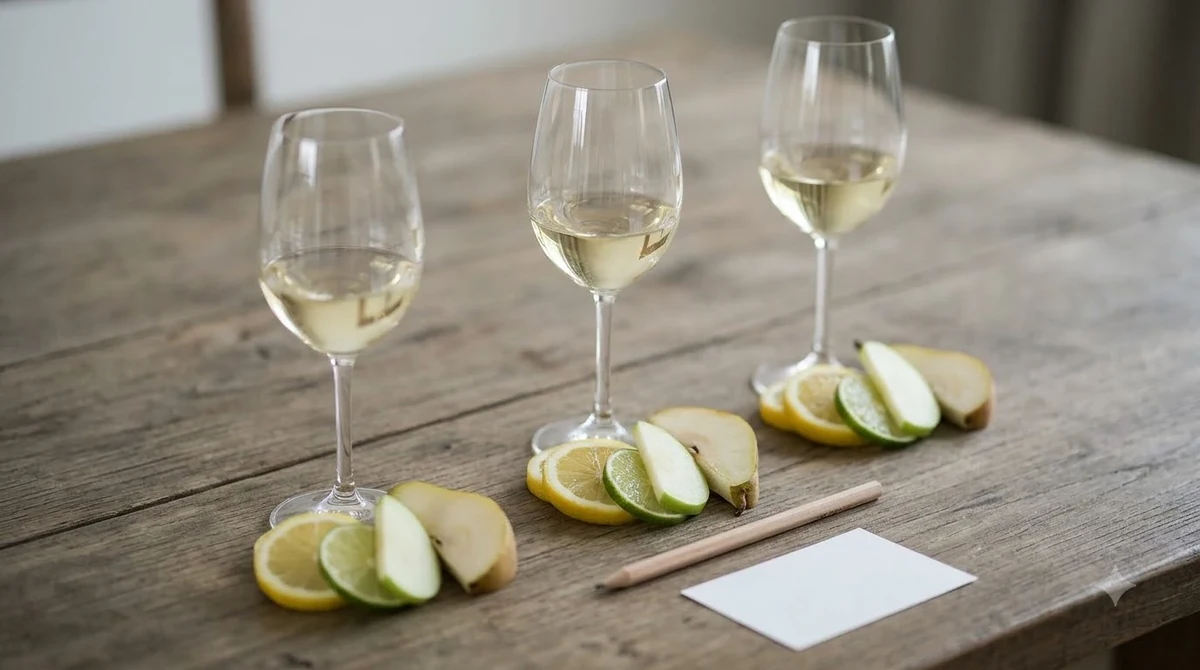
White Mercurey typically displays a pale golden color, sometimes with green reflections. Aromas can include citrus, apricot, quince, white flowers, almond, and hazelnut. A subtle flinty impression may contribute to the wine’s mineral character.
The palate is usually more generous than that of very light, high-acid white wines. Chardonnay’s natural texture gives Mercurey a satisfying middle palate, while acidity provides freshness. Oak-influenced versions may show additional toast or spice, depending on the producer’s approach.
White Mercurey works well for drinkers who enjoy Burgundy Chardonnay but want to explore beyond the best-known appellations. It can be particularly attractive with seafood, roasted poultry, and dishes featuring butter-based sauces.
How vintage and producer affect the style
Mercurey’s climate creates meaningful vintage differences. Warmer growing seasons can produce riper fruit and fuller-bodied wines, while cooler conditions may emphasize freshness and firmer acidity. Rainfall, harvest timing, and vineyard exposure also affect the balance of the finished wine.
Winemaking decisions matter just as much. Extraction techniques, fermentation vessels, oak choices, and maturation periods influence the resulting texture and aroma. Some producers favor fruit-forward wines with relatively accessible tannins, while others emphasize structure and extended development.
For buyers, this means that the appellation name is only the starting point. Comparing producers and individual vineyard sites provides a more useful understanding of what a particular bottle is likely to deliver.
For a detailed regional discussion of the appellation’s geography, vineyard sites, and stylistic differences, Decanter’s Mercurey regional profile by Charles Curtis MW provides additional context on the wines and leading producers.
Best Food Pairings and Serving Mercurey
Mercurey red is particularly successful with savory meat dishes, roasted poultry, and mushroom-based recipes. White Mercurey pairs naturally with seafood, creamy poultry preparations, and dishes that benefit from Chardonnay’s generous texture.
Food pairings for red Mercurey
Pinot Noir’s acidity and substantial tannins make it a good match for beef, lamb, and roasted pork. The wine’s fruit character complements browned meat, while its structure stands up to richer preparations.
- Roast beef: The savory meat flavors complement Mercurey’s cherry, earthy, and spicy notes.
- Lamb shoulder: Slow-roasted lamb works well with the wine’s firm structure and concentrated fruit.
- Beef stew: A slowly cooked beef dish with mushrooms and herbs provides an excellent partner for structured Mercurey.
- Roast pork: The meat’s mild sweetness and browned exterior balance the wine’s fruit and tannin.
- Roasted duck: Duck breast with mushrooms or a cherry-based sauce complements Pinot Noir’s fruit character.
- Mushroom dishes: Earthy mushrooms reinforce the savory qualities that develop in mature Mercurey.
Cheese is another useful pairing category. Mild soft cheeses can work with younger, fruitier reds, while more mature examples can complement aged cheeses. Salt and fat soften the perception of tannin, making richer dishes especially suitable for more structured bottles.
Food pairings for white Mercurey
White Mercurey offers flexibility at the dinner table. Its Chardonnay fruit and moderate acidity suit seafood, poultry, and dishes with creamy textures.
- Grilled fish: The wine’s fruit and mineral notes complement simply prepared fish.
- Roasted chicken: Chardonnay works particularly well with poultry served with herbs or light cream sauces.
- Shellfish: Shrimp, scallops, and cooked seafood suit the wine’s generous texture.
- Salmon with butter sauce: A fuller white Mercurey can complement the richness of the preparation.
- Hard cheeses: Comté and similar cheeses offer satisfying savory pairings.
- Vegetable dishes: Roasted squash, mushrooms, and creamy vegetable preparations can complement the wine’s nutty character.
White Mercurey can also accompany some Asian dishes, particularly preparations that are not excessively hot. For dishes containing substantial chili heat, avoid high-alcohol or strongly oaked wines that can intensify the sensation of spice.
Serving temperatures and glassware
Temperature makes a noticeable difference to the way Mercurey tastes. Excessive warmth can make alcohol and tannin more prominent in the red wines, while serving white Mercurey too cold can suppress its aromas and texture.
The Bourgogne Wine Board recommends serving young red Mercurey at approximately 57–59°F and older red examples at 59–61°F. White Mercurey is best served around 52–55°F. These temperatures allow the wines to show their fruit and structure without becoming overly warm.
Use a medium-to-large Burgundy glass for red Mercurey. Its wider bowl provides room for the wine’s aromas to develop. A standard white wine glass works well for Chardonnay, allowing its floral and fruit characteristics to remain accessible.
Young, structured red Mercurey can benefit from 30–60 minutes of decanting. This gives the wine time to open and allows its aromas to become more expressive. Older bottles should be handled more carefully because extended aeration can diminish delicate mature aromas.
Choosing, Aging, and Storing Mercurey Wine
Choosing a Mercurey bottle involves balancing producer reputation, vineyard classification, vintage conditions, and preferred drinking style. Village wines offer a broad introduction to the appellation, while Premier Cru examples provide more specific vineyard identities and can show additional depth.
How to choose a bottle
For a first experience, a Village Mercurey from an established grower is a sensible starting point. It introduces the region’s characteristic Pinot Noir structure without requiring an extensive knowledge of individual vineyard names.
For a more detailed comparison, look at wines from Clos des Myglands, Clos du Roy, Sazenay, or Les Champs Martin. These named sites allow enthusiasts to explore differences in vineyard exposure and individual producer styles.
When selecting white Mercurey, consider the desired degree of richness. A fresher Chardonnay is suitable for seafood and lighter poultry dishes, while a fuller, oak-influenced example can work better with richer preparations and aged cheeses.
Vintage conditions are also important. A warm year may produce more concentrated fruit, whereas a cooler growing season can preserve freshness and emphasize acidity. Producer decisions can modify these characteristics, so vintage should be considered alongside the winery rather than in isolation.
How long can Mercurey age?
Mercurey has a stronger aging reputation than many casual Burgundy drinkers realize. Its more structured red wines can develop for several years, with well-made Premier Cru examples often offering particularly rewarding bottle evolution.
As a general drinking framework, approachable Village reds can be enjoyed within approximately two to five years of the vintage. More concentrated Village wines and good Premier Cru examples may develop over five to ten years. Particularly structured wines from strong vintages can sometimes mature longer.
These are broad guidelines rather than guarantees. Vintage conditions, grape quality, winemaking choices, and cellar storage determine how successfully an individual bottle ages. Some wines are made for early enjoyment and will not necessarily improve through extended storage.
White Mercurey also has aging potential. Most examples are enjoyable in their early years, while better-quality wines can develop additional nutty, honeyed, and complex characteristics over several years. Decanter notes that the strongest white examples can continue improving for around a decade.
Proper storage conditions
Store Mercurey bottles in a cool, dark location with stable temperatures near 55°F. Keep cork-finished bottles on their sides to maintain contact between the wine and the cork. Avoid locations exposed to direct sunlight, strong vibrations, or repeated temperature fluctuations.
Once opened, reseal the bottle and refrigerate it. Most still wines remain enjoyable for approximately three to five days, depending on their age, structure, and exposure to oxygen. Allow refrigerated red Mercurey to warm slightly before serving.
For a comparison with other cool-climate wine-producing areas, the Switzerland wine region offers an interesting contrast in mountain-influenced viticulture. Readers interested in another distinctive cool-climate growing environment can also explore the Tasmania wine region.
Frequently Asked Questions
Is Mercurey part of the Côte de Beaune?
No. Mercurey belongs to the Côte Chalonnaise, which lies south of the Côte de Beaune in Burgundy. The two districts are geographically close but have separate appellations and vineyard classifications. Mercurey is centered on the villages of Mercurey and Saint-Martin-sous-Montaigu.
Can Mercurey wine contain Pinot Gris?
Pinot Gris is permitted as an accessory grape under the appellation’s production rules, subject to restrictions. Decanter identifies Pinot Noir and Chardonnay as the principal varieties and reports that Pinot Gris can account for up to 15% of the total. Pinot Noir nevertheless remains the defining grape for Mercurey’s red wines.
What does the word climat mean on a Mercurey wine label?
In Burgundy, a climat is a precisely identified vineyard site with its own recognized geographical identity. The term does not refer simply to weather or general climate conditions. Mercurey’s vineyard organization identifies 122 climats, reflecting the detailed division of its vineyard landscape.
Is Mercurey suitable for vegetarian meals?
Yes. Red Mercurey can accompany mushroom risotto, roasted eggplant, lentil dishes, and grilled vegetables with savory seasoning. White Mercurey works particularly well with mushroom pasta, roasted squash, and creamy vegetable preparations. Match the wine’s body and tannin with the richness of the dish.
Why are some Mercurey wines labeled with a vineyard name?
Burgundy’s appellation rules allow qualifying wines to identify their geographical origin more precisely. A Mercurey Premier Cru label can include a recognized climat name, such as Clos des Myglands or Sazenay. This information identifies the vineyard designation rather than the winery or grape variety.
The Mercurey wine region offers a distinctive introduction to the Côte Chalonnaise, combining structured Pinot Noir, expressive Chardonnay, and a remarkable diversity of vineyard sites. Its Village and Premier Cru wines reward attention to producers, individual climats, and vintage conditions. For anyone exploring Burgundy beyond its most famous appellations, Mercurey is a particularly worthwhile region to discover.
More in Wine Regions
 Willcox Wine Trail: Discover Arizona’s High-Elevation Wine CountryUpdated Nov 20, 2026
 Yakima Valley Wine Region: Find the Best Styles to TryUpdated Nov 20, 2026
 Vosne Romanee Wine Tasting: Identify Aromas and Choose Better PairingsUpdated Nov 20, 2026
 Yakima Valley Wine Festival: Find the Best Seasonal Wine EventsUpdated Nov 20, 2026
 Wales Vineyards: Discover Cool-Climate Wines and Where to VisitUpdated Nov 20, 2026
 Yountville Wine Festival: Discover Napa Wines and Local FoodUpdated Nov 20, 2026