


We may earn a commission when you buy through links on this page, at no extra cost to you. Learn more.
The typical meiomi wine price ranges from about $13 to $25 for a standard 750 ml bottle across major US retailers, with an average near $20 to $22 for the flagship Pinot Noir according to Wine-Searcher. White wines like Meiomi Chardonnay and Sauvignon Blanc usually sit slightly lower at about $13 to $18, while 1.5-liter magnum bottles run roughly $28 to $35 at large chains such as Total Wine & More. Retail shelf prices vary widely by state taxes, local competition, and multi-bottle store promotions.
Shoppers often notice wide swings on Meiomi shelf tags from one store to the next, even within the same city. Understanding how bottle formats, coastal blending, and retailer pricing tiers work makes it much easier to tell whether a listed tag reflects fair market value before buying.
Who This Meiomi Wine Price Guide Is For
This guide serves everyday wine buyers, dinner hosts, and gift shoppers who want clear benchmark figures before picking up a bottle of Meiomi at a grocery store, liquor shop, or online merchant. Because Meiomi sells millions of bottles across the United States each year, shelf tags shift noticeably depending on store format and state alcohol markups.
Casual hosts planning a weekend gathering or holiday dinner often compare standard 750 ml bottles against 1.5-liter magnums to stretch a beverage budget without sacrificing crowd appeal. A standard 750 ml bottle yields about five 5-ounce pours, whereas a 1.5-liter magnum holds the equivalent of two standard bottles, or roughly ten 5-ounce glasses. Knowing the typical per-bottle range helps hosts decide when sizing up to a larger format actually lowers the cost per glass.
Gift buyers and curious red wine drinkers also benefit from seeing how the core lineup stacks up against newer releases. Alongside its flagship Pinot Noir, the producer offers Chardonnay, Cabernet Sauvignon, Sauvignon Blanc, Red Blend, and lower-alcohol Bright bottlings, according to Meiomi Wines. Each bottling occupies a slightly different retail tier, so checking typical ranges prevents overpaying for an entry-level white or mistaking a half-bottle for a full-size release.
Key Factors That Shape Meiomi Wine Price
Four main variables drive what a shopper pays at checkout: the specific varietal bottling, the bottle format size, the type of retail store, and state-level beverage taxes. Comparing these factors side by side explains why the same brand can appear near $14 at a warehouse liquor chain and closer to $25 at a neighborhood corner shop.
| Meiomi Bottling | Bottle Size | Typical US Retail Range | Wine-Searcher US Average | Primary Grape / Style |
|---|---|---|---|---|
| Meiomi Pinot Noir | 750 ml | $14 to $22 | $21 | Pinot Noir (rich, oak-aged red) |
| Meiomi Pinot Noir | 375 ml | $12 to $14 | Not listed | Pinot Noir (half-bottle red) |
| Meiomi Pinot Noir | 1.5 L | $28 to $32 | $28 to $29 | Pinot Noir (magnum format) |
| Meiomi Chardonnay | 750 ml | $13 to $18 | $16 | Chardonnay (full-bodied white) |
| Meiomi Cabernet Sauvignon | 750 ml | $18 to $23 | $20 | Cabernet Sauvignon (full red) |
| Meiomi Red Blend | 750 ml | $18 to $22 | $20 | California coastal red blend |
| Meiomi Sauvignon Blanc | 750 ml | $16 to $20 | $16 | Sauvignon Blanc (crisp white) |
| Meiomi Bright Pinot Noir | 750 ml | $18 to $21 | $20 | Lower-alcohol Pinot Noir |
| Meiomi Bright Chardonnay | 750 ml | $16 to $19 | $16 | Lower-alcohol Chardonnay |
Retailer scale is the single largest driver of day-to-day shelf differences across the United States. High-volume warehouse merchants like Total Wine & More frequently list meiomi pinot noir at roughly $14 to $18 for a 750 ml bottle, whereas smaller independent wine shops and grocery chains often list the same vintage between $20 and $25 according to Wine-Searcher. State excise taxes, minimum markup laws, and local shipping regulations further widen that spread from state to state.
Bottle size also alters the unit economics in ways that surprise first-time buyers. A 375 ml half-bottle of Meiomi Pinot Noir sells for about $12 to $14 at Total Wine & More, which equals $24 to $28 per 750 ml—often more expensive per ounce than buying a full 750 ml bottle. Conversely, a 1.5-liter magnum listed near $28 to $29 at Total Wine & More breaks down to roughly $14 to $14.50 per 750 ml equivalent, matching warehouse single-bottle pricing while offering an eye-catching centerpiece for a dinner table.
Production scale and grape sourcing play a steady background role in keeping the brand anchored in the under-$25 tier. Founded in 2006 by fifth-generation winemaker Joe Wagner and acquired by Constellation Brands for $315 million in 2015, Meiomi grew past one million cases annually by blending coastal fruit from Sonoma, Monterey, and Santa Barbara counties rather than relying on tiny single-vineyard lots, according to VinePair. Multi-county coastal sourcing gives the winemaking team enough volume to supply national retailers while holding shelf prices far below single-vineyard California Pinot Noirs.
Tip: Compare the unit price per 750 ml before grabbing a 375 ml half-bottle; two half-bottles of Meiomi Pinot Noir at $12 to $13 each at Total Wine & More cost about $25 total, which is roughly $3 to $11 more than a single 750 ml bottle at the same store.
Step-by-Step: How to Check and Compare Meiomi Prices
A quick five-step routine keeps buyers from overpaying when shopping in person or ordering online for delivery. Following these checks takes under two minutes and works across grocery aisles, big-box liquor stores, and regional wine shops.
- Verify the exact bottle volume first. Check whether the shelf tag applies to a 375 ml half-bottle, a standard 750 ml bottle, or a 1.5-liter magnum, because 375 ml tags near $12 to $15 can look like a bargain on a 750 ml bottle until you read the volume line.
- Match the varietal and label tier. Confirm whether the bottle is the flagship Pinot Noir, Chardonnay, Cabernet Sauvignon, Red Blend, Sauvignon Blanc, or a lower-alcohol Bright edition, since Chardonnay typically averages about $16 on Wine-Searcher while Pinot Noir averages $21.
- Benchmark against national averages. Compare the shelf price to Wine-Searcher national ex-tax averages—roughly $21 for Pinot Noir, $20 for Cabernet Sauvignon and Red Blend, and $16 for Chardonnay—keeping in mind that local sales and alcohol taxes are added at the register.
- Check six-bottle mix-and-match tiers. Many national wine chains drop the per-bottle price by 10 percent when shoppers combine six or more eligible 750 ml bottles; Total Wine & More lists Meiomi Chardonnay near $15 to $16 single-bottle and roughly $14 to $15 per bottle in a mixed six-pack.
- Factor in delivery fees and state taxes before ordering online. Online listings around $13 to $15 for 750 ml bottles on Wine-Searcher can become more expensive than a $20 local grocery bottle once cold-pack shipping and adult-signature delivery fees are added to a small order.
Using this sequence helps separate genuine value from misleading shelf framing. When a retailer displays a crossed-out reference price above $30 next to a $18 to $20 shelf tag, comparing that figure against Wine-Searcher’s $21 national average shows immediately that $18 to $20 is standard everyday pricing rather than a steep markdown.
Meiomi Bottlings and Styles Explained
The core Meiomi catalog spans classic coastal reds, oak-influenced and crisp whites, and lower-alcohol alternatives, each built around multi-county California fruit. Knowing how each style tastes and what it typically costs helps match the right bottle to both the menu and the budget.
Flagship Pinot Noir and Red Bottlings
Meiomi Pinot Noir is the brand’s best-known release, blended primarily from Monterey, Santa Barbara, and Sonoma county vineyards and aged in French oak barrels. Wine-Searcher lists its US average price at about $21 per 750 ml bottle, with active retail offers spanning roughly $14 at Total Wine & More up to $22 or more at neighborhood shops. In the glass, it delivers a rich, plush texture with low-to-medium tannin, dark cherry and berry fruit, and notes of vanilla and toasted oak—a fuller, sweeter-seeming profile than traditional Burgundian or Oregon Pinot Noir.
Meiomi Cabernet Sauvignon and Meiomi Red Blend sit in a closely matched price bracket, both averaging about $20 per 750 ml on Wine-Searcher and listing around $18 to $20 at Total Wine & More. Cabernet Sauvignon brings higher tannin and darker blackberry and mocha tones suited to grilled steak or roasted meats, while the Red Blend leans softer and rounder for casual weeknight pours. Buyers who enjoy the signature richness of meiomi wine across different red grapes can usually rotate among all three reds within the same $18 to $23 retail window.
Chardonnay, Sauvignon Blanc, and Bright Lower-Alcohol Releases
On the white wine side, Meiomi Chardonnay averages about $16 per 750 ml on Wine-Searcher, with US store listings ranging from roughly $13 at independent Massachusetts retailers to $16 at Total Wine & More. Aged with oak for a creamy, medium-acid profile featuring baked pear, melon, and vanilla notes, it serves as the most budget-friendly entry point in the regular 750 ml lineup. Meiomi Sauvignon Blanc also carries a $16 Wine-Searcher average and lists around $16 to $17 at Total Wine & More, offering higher acidity and brighter citrus-and-tropical fruit without heavy oak.
For drinkers watching alcohol intake, Meiomi produces Bright Pinot Noir and Bright Chardonnay, which Wine-Searcher lists at average prices of $20 and $16 respectively, while Total Wine & More prices them in the $18 to $20 range. These bottlings keep the familiar California coastal fruit profile while trimming alcohol content compared to the standard releases, which run roughly 13.7 to 14.5 percent ABV according to Wine-Searcher analytical data.
Common Mistakes When Buying Meiomi Wine
Shoppers often spend $5 to $10 more than necessary on Meiomi because of misread shelf tags, unverified MSRP comparisons, or expensive single-bottle shipping charges. Avoiding a few predictable buying traps keeps total costs aligned with national retail norms.
One frequent mistake is assuming that a smaller bottle always means a lower proportional cost. At Total Wine & More, a 375 ml half-bottle of Meiomi Pinot Noir lists around $12 to $13 and a 375 ml half-bottle of Meiomi Cabernet Sauvignon lists near $15, whereas full 750 ml bottles of those same wines sell at Total Wine & More for roughly $14 and $19 respectively. Buying two 375 ml bottles for a small dinner costs $25 to $30 total, which is noticeably higher than buying one 750 ml bottle and saving the second half in the refrigerator.
Another common misstep is taking inflated “compare at” grocery tags at face value. Supermarkets and convenience stores occasionally display inflated suggested list prices next to standard $21 or $22 shelf stickers to make everyday pricing appear steep. Because Wine-Searcher reports a US average ex-tax price of $21 for Meiomi Pinot Noir and $16 for meiomi chardonnay, paying $21 or $22 for Pinot Noir at a neighborhood grocer simply reflects standard retail markup rather than a rare markdown.
Online buyers also overlook how shipping minimums affect single-bottle value. While Wine-Searcher lists several East Coast and California merchants offering 750 ml bottles of Meiomi Pinot Noir in the $14 to $16 range, flat-rate carrier shipping fees on small one- or two-bottle orders can quickly erase that shelf discount at checkout. Ordering six or twelve bottles at once—or joining the direct winery club at Meiomi Wines, which includes shipping and offers up to 20 percent off—spreads delivery costs across multiple bottles rather than inflating a single pour.
Serving and Storage Tips to Protect Your Bottle
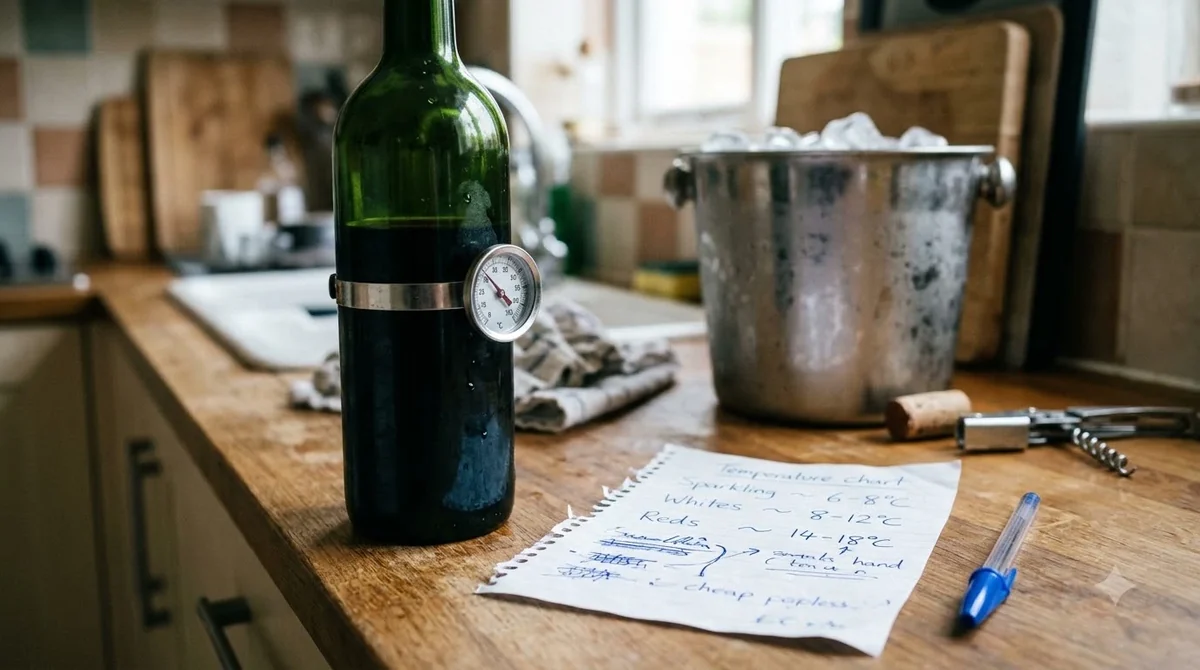
Proper serving temperature and post-opening storage prevent premature oxidation so every glass tastes as intended, whether you paid $14 or $24 for the bottle. Simple temperature adjustments also bring out better balance in Meiomi’s oak-aged reds and full-bodied whites.
Serve Meiomi Pinot Noir slightly below room temperature at 55 to 60 degrees Fahrenheit rather than warm from a kitchen counter. Because the wine carries 13.7 to 14.5 percent ABV according to Wine-Searcher analytical figures, pouring it too warm can make the alcohol feel heavy and mute the raspberry, red plum, and mocha notes highlighted by Wine Enthusiast. Chilling a 750 ml bottle in a standard refrigerator for about 20 to 30 minutes before dinner brings it right into that 55 to 60 degree range.
Meiomi Cabernet Sauvignon and Meiomi Red Blend perform best slightly warmer at 60 to 65 degrees Fahrenheit, and decanting young bottles for 30 to 60 minutes softens their firmer tannins before pouring. For white releases, chill Meiomi Chardonnay to 50 to 55 degrees Fahrenheit so its creamy vanilla and baked pear character stays fresh, while Meiomi Sauvignon Blanc shines crisper at 45 to 50 degrees Fahrenheit.
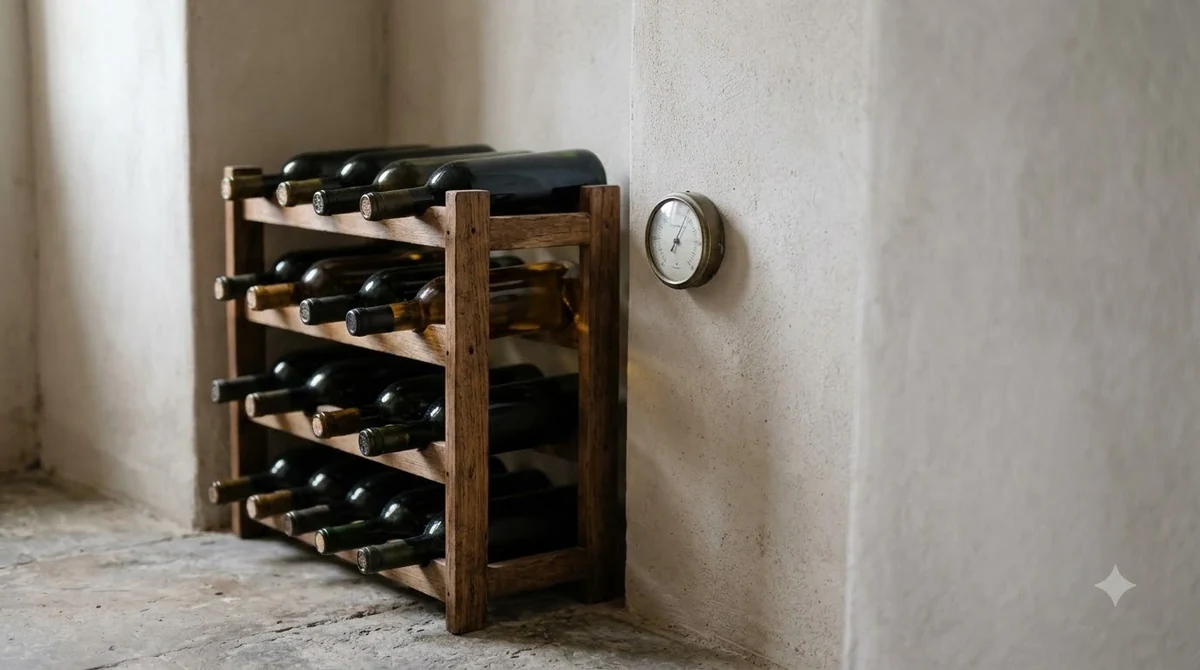
If a bottle is not finished in one sitting, re-insert the cork tightly and place the upright bottle inside a refrigerator immediately. Wine Enthusiast storage guidance notes that recorked red and white wines generally hold up for 3 to 5 days in the refrigerator, letting buyers purchase a standard 750 ml bottle at $14 to $21 on Wine-Searcher instead of paying a higher per-ounce price for a 375 ml half-bottle. Unopened bottles kept for several months should rest on their side in a dark, vibration-free spot near 55 degrees Fahrenheit, away from ovens or sunny windows.
Frequently Asked Questions
Does Meiomi make a Sonoma Coast Pinot Noir that costs more than the regular bottle?
Yes, Meiomi produces a separate Sonoma Coast Pinot Noir designation alongside its three-county California blend, as listed in the official portfolio on Meiomi Wines. Because it narrows grape sourcing to Sonoma County rather than blending across Monterey and Santa Barbara, retailers typically price it above the $21 Wine-Searcher average of the standard California Pinot Noir.
How much does Meiomi Sparkling Wine or Meiomi Blanc typically cost?
Wine-Searcher lists Meiomi Sparkling Wine at a US average ex-tax price of $22 per 750 ml bottle and Meiomi Blanc at an average of $17 per 750 ml bottle. Like the rest of the lineup, actual shelf prices vary by state taxes and local retailer markups.
What does the word Meiomi mean, and where is the winery located?
According to VinePair, the name Meiomi means “coastal” in Wappo, the language of the indigenous tribe of Northern California, reflecting the brand’s focus on cool coastal vineyards. Meiomi Wines lists its winery address in Acampo, California, within San Joaquin County.
How many glasses do you get from each Meiomi bottle size?
Based on standard 5-ounce restaurant pour measurements, a 375 ml half-bottle provides about 2.5 glasses, a standard 750 ml bottle yields 5 glasses, and a 1.5-liter magnum serves 10 glasses. Dividing the shelf price by these pour counts makes it easy to compare value across sizes at the store.
How does Meiomi compare in price to other widely distributed California wine brands?
With most 750 ml bottlings averaging $16 to $21 on Wine-Searcher, Meiomi sits in the upper-everyday tier—above budget supermarket labels yet well below single-vineyard Sonoma or Napa Valley bottlings listed on Wine-Searcher. Shoppers comparing broader Wine Brands in this $15 to $25 bracket will find Meiomi priced competitively among large-production coastal labels.
Checking bottle volume, varietal tier, and national benchmark averages takes only a moment and keeps everyday wine shopping predictable. Whether picking up a $14 warehouse bottle of Chardonnay at Total Wine & More for a weeknight meal or a $28 magnum of Pinot Noir on Wine-Searcher for a holiday table, matching the format and retailer to your occasion delivers consistent value in every glass.
More in Wine Brands
 Underwood Wine Price: Compare Bottles, Cans, and Pack SizesUpdated Nov 21, 2026
 Zenato Wine Price: Compare Styles and Choose the Right BottleUpdated Nov 21, 2026
 Zuccardi Wine Price: Compare Bottles and Find the Right RangeUpdated Nov 21, 2026
 Yellow Tail Moscato Review: Taste, Sweetness and Serving TipsUpdated Nov 21, 2026
 Wolf Blass Yellow Label Review: Choose Your Best StyleUpdated Nov 21, 2026
 Wolffer Estate Rose Review: Choose the Right Bottle for Your TableUpdated Nov 21, 2026