

We may earn a commission when you buy through links on this page, at no extra cost to you. Learn more.
This meiomi chardonnay review finds that Meiomi Chardonnay is a good choice for drinkers who enjoy ripe fruit, creamy textures, gentle oak influence, and a rounded California white wine. Its flavor profile brings together stone fruit, citrus, apple, tropical fruit, honey, and baking spices. French oak aging contributes depth and a plush impression, while the wine retains acidity and a mineral-driven finish. It is particularly appealing alongside roasted chicken, shellfish, creamy pasta, and mild cheeses.
Meiomi Chardonnay occupies a familiar place in the California Chardonnay category: fruit-forward, approachable, and designed for people who appreciate a richer white wine without giving up all freshness. However, understanding its production, flavor profile, and serving requirements makes it easier to decide whether it matches your preferences. This guide examines what the wine offers, how to compare it with other Chardonnay styles, and how to get more enjoyment from a bottle.
Who This Chardonnay Is For
Meiomi Chardonnay is best suited to people who enjoy generous fruit flavors, a rounded mouthfeel, and recognizable oak-associated characteristics. Its combination of tropical fruit, apple, baking spice, and custardy notes makes it a natural option for drinkers who prefer a fuller California Chardonnay rather than a sharply acidic, completely unoaked white wine.

The wine’s flavor profile gives it broad appeal at casual dinners and social gatherings. The producer’s description identifies ripe stone fruit, citrus, apple, tropical fruit, honey, and baking spices. Those characteristics provide several familiar points of reference for someone learning about Chardonnay. Rather than relying on unusual botanical or intensely earthy flavors, the wine emphasizes recognizable fruit and a richer texture.
It is also worth considering the way the wine is made. According to the product description published by Roth’s Fresh Markets, Meiomi Chardonnay undergoes fermentation in stainless-steel tanks with minimal intervention before aging in French oak barrels. That combination is important because fermentation vessels and aging containers can influence different aspects of the finished wine. Stainless steel preserves a relatively clean fruit expression, while oak aging can contribute additional aromatic and textural complexity.
Drinkers who enjoy creamy Chardonnay alongside food may appreciate the balance between richness and acidity. Roasted chicken, fresh crab, and creamy pasta are among the producer’s suggested pairings. The wine also makes sense as an uncomplicated option for a cheese gathering featuring goat cheese, cheddar, or mascarpone.
However, Meiomi Chardonnay is not necessarily the right choice for everyone. Someone who prefers the restrained citrus, chalky minerality, and lean structure of many unoaked Chardonnays may find its fruit and custard characteristics too generous. Likewise, drinkers looking for a particularly delicate white wine may prefer a lighter style from another region.
For shoppers comparing the wider brand portfolio, the Meiomi Chardonnay overview provides another useful starting point. The key is to decide whether a fuller, fruit-driven Chardonnay is what the occasion calls for before choosing a bottle.
Key Factors to Compare Before Buying
Four factors deserve particular attention when evaluating Meiomi Chardonnay: fruit character, oak influence, acidity, and overall body. Considering these characteristics together gives a more useful picture than relying on the word creamy or buttery alone.
| Factor | What to Expect | What It Means for Buyers |
|---|---|---|
| Grape variety | 100% Chardonnay is not established by the cited current product description | Look for the declared varietal and origin on the bottle |
| Origin | California coastal winegrowing regions | Expect a California Chardonnay profile |
| Fermentation | Stainless-steel tanks | Supports a clean fruit expression |
| Aging | French oak barrels | Adds depth and roundness |
| Bottle size | 750 ml | Approximately five standard 5 oz pours |
| Serving temperature | 50–55°F for fuller-bodied white wine | Allows aromatic and textural characteristics to show |
| Storage after opening | 3–5 days refrigerated | Reseal and refrigerate promptly |
Fruit character is the first consideration. Meiomi’s published tasting description emphasizes ripe stone fruit, citrus, apple, and tropical fruit. Its combination of pineapple-like richness and brighter citrus notes makes it suitable for people who want fruit to remain noticeable throughout the drinking experience. Honey and baking spice add aromatic complexity without requiring the drinker to understand technical winemaking terminology.
Oak influence is another important distinction. French oak aging is specifically identified in the producer’s product description. Oak can contribute impressions associated with vanilla, spice, toast, and a fuller texture. It is not accurate to assume that every bottle will taste strongly of butter, however. The final impression depends on the wine’s overall composition and the particular vintage.
Acidity and body determine how the wine feels with food. Meiomi is described as having succulent acidity alongside a velvety mouthfeel. That combination is useful because acidity helps refresh the palate between bites, while a rounded texture complements dishes with cream, butter, and moderate richness.
Independent tasting descriptions offer another perspective. Wine.com reproduces a professional Tasting Panel assessment mentioning butter, pine nut, creamed corn, lemon zest, and spiced pineapple in its discussion of the 2021 wine. The Meiomi Chardonnay listing and professional tasting notes are useful for understanding how the wine can express both creamy and brighter characteristics.
When comparing vintages, avoid assuming that an older tasting description establishes the exact specifications of a newer bottle. Alcohol content, blending decisions, and sensory details can differ. The 2021 listing, for example, identifies 13.5% ABV, but that figure should not automatically be applied to every vintage.
Step-by-Step: How to Choose and Serve Meiomi Chardonnay
Choosing Meiomi Chardonnay becomes easier when the decision is broken into a few practical steps. Start with your preferred Chardonnay style, consider the meal, and then pay attention to serving temperature and glassware.
-
Decide whether you enjoy a richer Chardonnay.
Think about the white wines you normally enjoy. If you like ripe pineapple, peach, apple, vanilla-associated aromas, and a rounded mouthfeel, Meiomi’s general style may suit you. If you prefer sharply focused citrus, pronounced acidity, and little oak influence, compare it with an unoaked Chardonnay before making your choice.
-
Consider the meal before selecting the bottle.
Roasted chicken, fresh crab, creamy pasta, and mild cheeses are all sensible pairing options. A wine with fruit and a rounded texture generally works better with moderate richness than with extremely spicy or heavily acidic dishes.
-
Check the vintage and bottle information.
Meiomi Chardonnay is sold in a standard 750 ml format. Retail listings may show different vintages, and specifications from one vintage should not automatically be applied to another. Compare the actual bottle information with the details presented by the retailer.
-
Chill the wine before serving.
A fuller-bodied white wine is generally best served around 50–55°F. Refrigeration for approximately two hours can help bring a bottle toward a suitable drinking temperature, although the exact cooling time depends on its starting temperature and the refrigerator.
-
Use an appropriate wine glass.
A medium-sized white wine glass with a reasonably broad bowl is a practical choice. It provides room for the aromas to develop while keeping the wine cooler than a very large, warm glass might. Avoid filling the glass completely; a 5 oz pour in a standard wine glass leaves space to appreciate the aromas.
-
Evaluate the wine in stages.
Notice the aromas first, then consider fruit, acidity, texture, and finish separately. Look for apple, stone fruit, citrus, tropical fruit, baking spice, and custardy characteristics. This approach helps establish whether the wine’s balance matches your personal preferences.
-
Store any remaining wine properly.
Replace the closure securely and refrigerate the bottle after serving. Most opened still wines are best enjoyed within approximately 3–5 days when stored properly. The aroma and freshness can gradually decline after opening.
Tip: Avoid serving Meiomi Chardonnay directly from a very cold refrigerator if you want to appreciate its fruit and oak-associated aromas. Let the glass warm slightly, particularly if the first sip seems muted or the texture feels less expressive than expected.
These steps also make it easier to compare Meiomi with another California Chardonnay. Keeping the serving temperature and glassware reasonably consistent helps prevent temperature differences from influencing your impression of body, acidity, and aroma.
Meiomi Chardonnay Styles and Flavor Characteristics
Chardonnay is a flexible grape variety, and its finished style can vary substantially depending on growing conditions, harvesting decisions, fermentation, and aging. Meiomi’s described combination of stainless-steel fermentation and French oak aging places it within the broader category of fruit-forward California Chardonnay with an oak-influenced profile.

Fruit-forward Chardonnay is a useful description of the wine’s general character. The producer highlights ripe stone fruit, citrus, apple, and tropical fruit. These aromas can give the wine an approachable personality, especially for people who enjoy white wines with clearly recognizable fruit rather than exclusively mineral or herbal characteristics.
Oak-influenced Chardonnay emphasizes another part of the experience. French oak aging contributes depth and roundness, while the broader Chardonnay category can develop aromas associated with vanilla, toast, spice, and butter. Meiomi’s published tasting descriptions include honey, baking spices, and custard. Independent tasting commentary on the 2021 wine also identifies butter and pine nut.
It is useful to distinguish these aromas from actual sweetness. A wine can smell like honey, pineapple, or custard and still finish dry. Aromatic fruitiness and residual sugar are different properties. Meiomi’s product descriptions emphasize ripe fruit and a plush finish, but those characteristics alone do not establish a specific residual-sugar measurement.
Bright Chardonnay represents another style worth understanding. Wine Enthusiast reviewed a separate Meiomi 2023 Bright Chardonnay bottling and described pineapple, melon, yellow apple, vanilla cream, and toasted hazelnut, with a creamy, dry finish. The publication awarded that particular wine 89 points. Its tasting assessment provides an interesting example of the range of fruit and texture that can appear under the Meiomi name, but it should not be treated as a direct review of every standard Meiomi Chardonnay bottling.
The distinction matters when shopping. Product names that include additional descriptors can refer to different bottlings, and their alcohol levels or winemaking details may differ. The Wine Enthusiast assessment of Meiomi 2023 Bright Chardonnay illustrates why it is useful to distinguish between the standard Chardonnay and separately identified releases.
For shoppers comparing the brand’s red wine, Meiomi Pinot Noir offers a different experience. Chardonnay is a white wine with fruit, acidity, and oak-associated texture, whereas Pinot Noir is a red grape with berry characteristics and a different tannin structure. They serve different purposes at the table, even though both belong to the same producer’s portfolio.
Common Mistakes When Evaluating Meiomi Chardonnay
The most common mistake is treating rich fruit aromas as proof that a wine is sweet. Other frequent errors include confusing oak aging with an exclusively buttery flavor, serving the wine too cold, and assuming every vintage has identical specifications.
Confusing fruity with sweet can lead to an inaccurate expectation. Pineapple, ripe apple, honey-like aromas, and custard impressions may suggest sweetness on the nose. However, aroma and actual residual sugar are not interchangeable. A Chardonnay can have a generous fruit profile and still be dry on the palate. Pay attention to the overall finish rather than judging sweetness from one aroma.
Assuming oak always means heavy butter is another misconception. French oak aging can contribute spice, toast, and additional texture, but the final wine depends on more than the barrel. Meiomi’s description also emphasizes citrus, mineral character, and acidity. These features help prevent the wine from being described accurately by one adjective alone.
Expecting every vintage to taste identical can also create disappointment. Vintage conditions, blending choices, and production decisions may change the balance between fruit, acidity, and oak. The 2021 Meiomi Chardonnay listing, for example, identifies 13.5% alcohol by volume, while historical and other retailer records may describe different figures for different bottles. A specification from one vintage is not a universal brand specification.
Serving the wine too cold can suppress aromas and make a fuller Chardonnay seem less expressive. A temperature around 50–55°F is generally more appropriate for a richer white wine than serving it close to freezing. If the glass warms slightly during dinner, the wine may reveal more of its fruit and aromatic complexity.
Pairing it with excessively spicy food can also be disappointing. Alcohol and tannin can intensify the perception of chili heat, and even a relatively rounded Chardonnay may struggle with very hot sauces. Mildly seasoned seafood, roast chicken, and creamy dishes are more reliable choices than dishes dominated by aggressive chili heat.
Finally, do not assume that a professional score tells you whether the wine will suit your palate. The Tasting Panel assessment listed by Wine.com and Wine Enthusiast’s separate review of Bright Chardonnay describe particular wines and vintages. Scores provide context, but they cannot replace the question of whether you personally enjoy fruit-forward Chardonnay with oak-associated richness.
Food Pairing, Serving and Storage Tips
Meiomi Chardonnay works especially well with food that has moderate richness, gentle seasoning, and enough flavor to complement ripe fruit and oak-associated aromas. Serving it at approximately 50–55°F and matching it with suitable dishes can make a noticeable difference to the overall experience.
Seafood and poultry
Roasted chicken is one of the most straightforward pairings. Its savory flavors and relatively gentle seasoning complement the wine’s stone fruit and rounded texture. Chicken with a light cream sauce or roasted vegetables is another practical option, particularly when the seasoning includes herbs rather than intense chili.
Fresh crab and citrus shrimp are also suggested by the producer’s product description. Crab has a delicate sweetness that works with ripe fruit characteristics, while citrus shrimp can provide a refreshing contrast to the wine’s fuller texture. Oysters offer another possibility, especially when served without excessively acidic or spicy accompaniments.
Cheese and creamy dishes
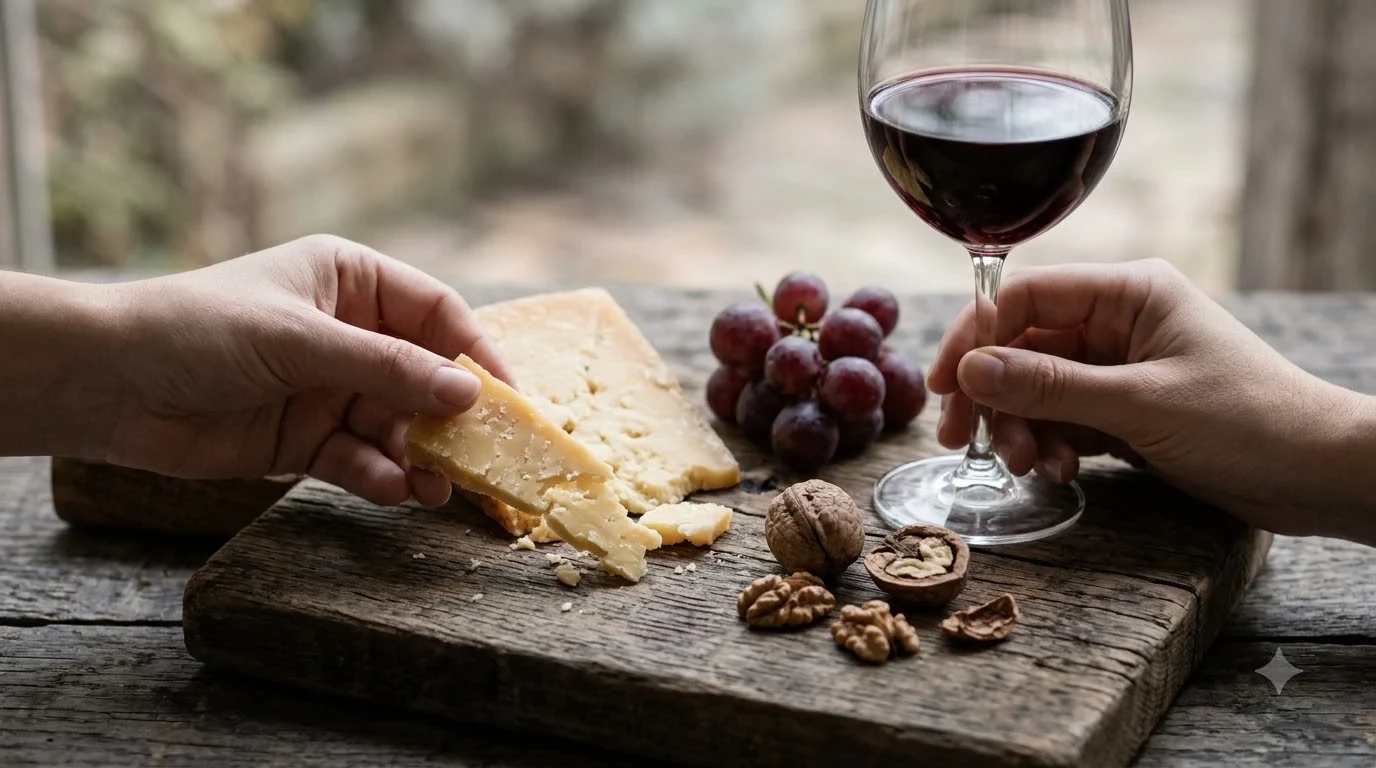
Goat cheese, crumbly cheddar, and fresh mascarpone are specifically identified as pairing options in the producer’s description. The differences between these cheeses make it possible to build a varied tasting plate. Mascarpone provides a particularly creamy texture, while cheddar offers a more pronounced savory flavor.
Creamy pasta is another natural choice. Dishes featuring mushrooms, chicken, or a moderate amount of Parmesan can complement Chardonnay’s rounded mouthfeel. Very acidic tomato sauces may be less harmonious, especially if the sauce has sharp acidity that overwhelms the wine.
Serving and storage
Use the following practical guidelines when preparing the wine for a meal:
- Serving temperature: Aim for 50–55°F for a fuller-bodied white Chardonnay.
- Glass size: Choose a medium-bowled white wine glass.
- Pour size: Use approximately 5 oz per serving.
- Bottle yield: A 750 ml bottle provides approximately five standard pours.
- After opening: Reseal the bottle and refrigerate it.
- Drinking window after opening: Aim to finish within approximately 3–5 days for the best retained freshness.
Refrigeration is important after opening because exposure to oxygen gradually changes wine aromas and flavors. A secure closure helps reduce unnecessary air exposure, while refrigeration slows the rate at which the wine develops. Do not leave an opened bottle on a warm kitchen counter overnight.
For unopened bottles, a cool, dark storage area with a relatively stable temperature is preferable to a warm kitchen cupboard. A storage temperature near 55°F is a useful general target for wine. Avoid locations near ovens, direct sunlight, or appliances that create repeated temperature changes.
Meiomi Chardonnay is generally best approached as a wine for relatively early enjoyment rather than something that needs extensive cellar aging. For most casual buyers, purchasing a bottle for a planned meal and storing it correctly until serving is a sensible approach.
Frequently Asked Questions
Is Meiomi Chardonnay made from organic grapes?
The product descriptions reviewed for this guide do not establish that Meiomi Chardonnay is certified organic. Stainless-steel fermentation and French oak aging describe production methods, not organic certification. Anyone specifically seeking certified organic wine should look for an appropriate certification on the bottle or producer documentation.
Does Meiomi Chardonnay contain sulfites?
Wine.com identifies sulfites as an allergen for its Meiomi Chardonnay listing. Sulfites are commonly present in wine, including naturally occurring sulfites produced during fermentation. Product-specific ingredient and allergen information should be consulted when this information is important to a purchase decision.
Can Meiomi Chardonnay be used for cooking?
Yes, Chardonnay can be used in dishes such as pan sauces, risotto, and cream-based seafood preparations. A small amount can help deglaze a pan after cooking chicken or shrimp. Avoid prolonged cooking with an excessive amount of wine, since concentrated acidity and flavor can dominate a finished sauce.
Should Meiomi Chardonnay be decanted?
Decanting is generally unnecessary for a young, everyday Chardonnay. Unlike some young full-bodied red wines, it does not normally require a 30–60 minute aeration period. Opening the bottle shortly before serving and allowing the wine to reach its appropriate temperature is usually sufficient.
Can Meiomi Chardonnay be frozen to chill it quickly?
A freezer can cool a bottle, but leaving wine unattended inside creates a risk of freezing, expansion, and damage to the closure or bottle. A more controlled approach is to place the bottle in an ice-water bath and monitor its temperature. Remove it once it reaches the desired serving range rather than allowing it to become excessively cold.
Meiomi Chardonnay is a worthwhile option for drinkers who enjoy California Chardonnay with ripe fruit, French oak influence, and a rounded, creamy impression. Its versatility with roasted chicken, seafood, and mild cheeses makes it suitable for both everyday meals and informal entertaining. Choose it if that fruit-forward style matches your preferences, serve it around 50–55°F, and enjoy it while its aromas and freshness are at their best.
More in Wine Brands
 Underwood Wine Price: Compare Bottles, Cans, and Pack SizesUpdated Nov 21, 2026
 Zenato Wine Price: Compare Styles and Choose the Right BottleUpdated Nov 21, 2026
 Zuccardi Wine Price: Compare Bottles and Find the Right RangeUpdated Nov 21, 2026
 Yellow Tail Moscato Review: Taste, Sweetness and Serving TipsUpdated Nov 21, 2026
 Wolf Blass Yellow Label Review: Choose Your Best StyleUpdated Nov 21, 2026
 Wolffer Estate Rose Review: Choose the Right Bottle for Your TableUpdated Nov 21, 2026