

We may earn a commission when you buy through links on this page, at no extra cost to you. Learn more.
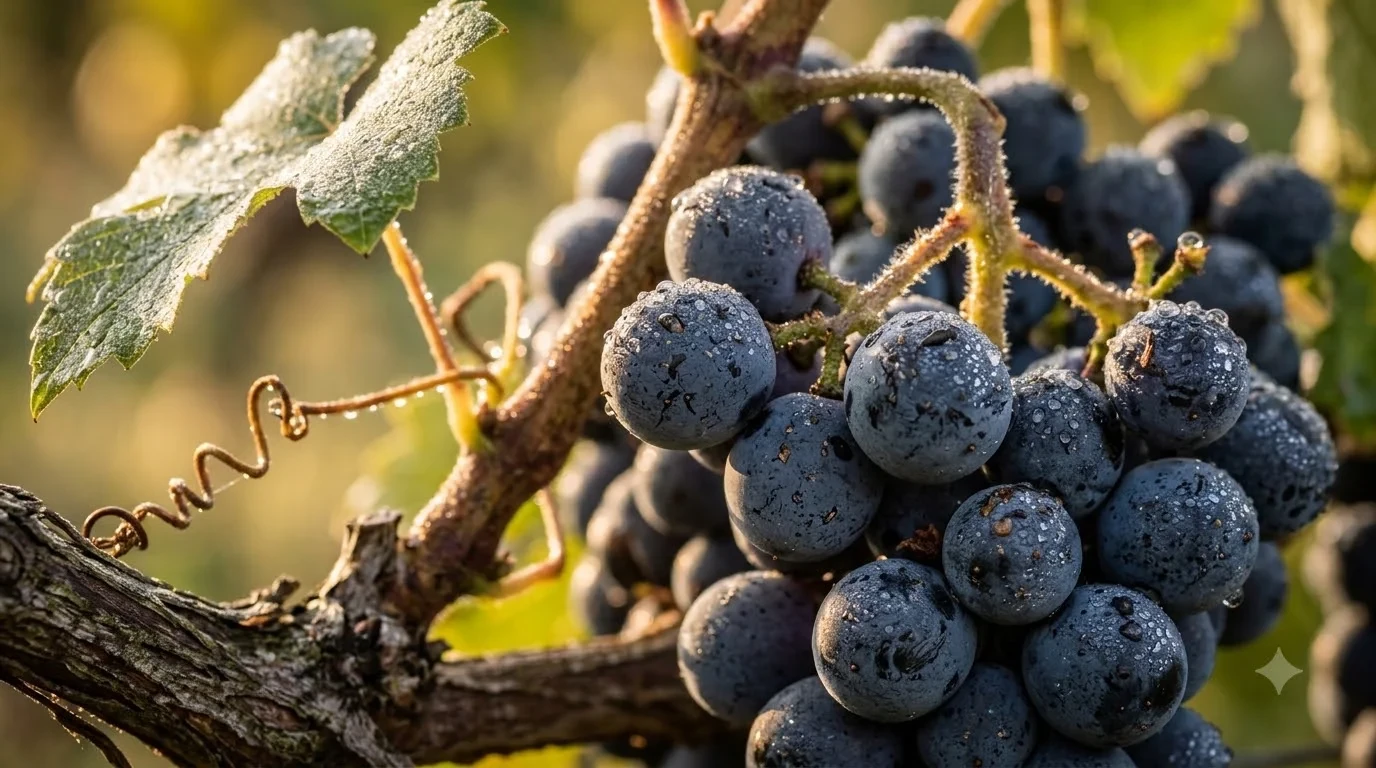
Maule vineyards are among Chile’s most historic and diverse wine-growing sites, known especially for old-vine Carignan, traditional País, dry-farmed cultivation, and distinctive Cabernet Sauvignon. Located in central Chile, the Maule Valley combines the Andes foothills, sunny inland plains, and western coastal hills to create a wide range of growing conditions. Its heritage vineyards and renewed interest in traditional grape varieties make Maule an important destination for understanding Chilean wine beyond its internationally famous Cabernet Sauvignon and Carménère.
For wine enthusiasts, Maule offers a particularly interesting combination of history and modern winemaking. Some vineyards preserve traditional farming practices established generations ago, while newer producers are exploring individual vineyard sites, heritage grapes, and more expressive winemaking techniques. Understanding its geography, grape varieties, and distinctive vineyard traditions makes it easier to appreciate what Maule wines bring to the glass.
Where Maule Vineyards Are Located in Chile
Maule vineyards occupy a large area of central Chile, forming part of the country’s extensive Central Valley wine-growing landscape. The region stretches across contrasting environments, from the eastern Andes foothills and central agricultural plains to the hills approaching the Pacific coast. This geographical variety allows growers to cultivate several grape varieties under different conditions within the same broad wine region.
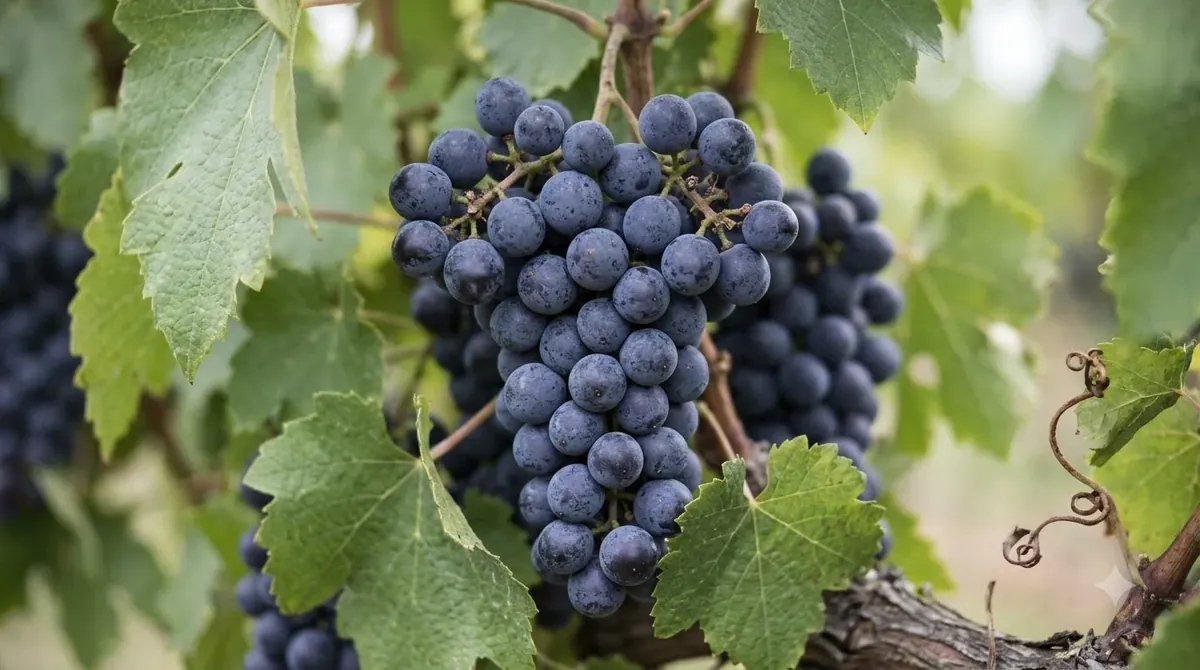
The city of Talca is an important reference point for understanding Maule wine country. Other recognized wine-growing districts include San Javier, Loncomilla, Villa Alegre, Linares, Parral, and Cauquenes. These places have different vineyard histories and growing environments, making it difficult to describe every Maule wine using a single regional flavor profile.
Cauquenes deserves particular attention because of its association with traditional dry-farmed vineyards and old Carignan plantings. San Javier and Loncomilla are also important names for understanding the region’s heritage red wines. Further north, the Curicó area has a long-established winemaking tradition dating to the 19th century and supports a broad selection of international grape varieties.
Maule is especially significant within Chile because it represents both large-scale wine production and small, historic vineyard operations. Commercial wineries produce familiar international styles, while smaller growers preserve older vineyards and traditional farming techniques. This combination gives wine buyers access to wines ranging from approachable everyday reds to distinctive, site-specific bottlings.
Its geographical diversity also helps explain why Maule should not be treated as one uniform vineyard environment. The warmer interior, cooler elevated locations, and western hills each influence grape development differently. Producers can therefore select vineyard sites according to the characteristics they want in the finished wine.
For an overview of the region’s geographical position and vineyard characteristics, the official Wines of Chile winegrowing regions resource provides useful regional context.
Climate and Soils That Shape Maule Wine
Maule has a Mediterranean climate characterized by warm, dry summers and cold, rainy winters. Cool nighttime winds from the Andes help moderate vineyard temperatures, creating substantial differences between daytime warmth and nighttime conditions. These patterns support gradual grape maturation and help preserve freshness in wines produced from suitable vineyard sites.
Unlike Chilean regions strongly influenced by Pacific Ocean breezes, much of the Maule Valley’s interior has limited direct maritime influence. The combination of sunny days and cooler nights can encourage ripe fruit development without necessarily sacrificing natural acidity. According to Wines of Chile, this temperature variation is one of the important characteristics distinguishing Maule’s growing environment.
Soils vary considerably across the region. Volcanic and alluvial origins are found in different vineyard areas, with loamy and clay-rich textures contributing to differences in drainage and moisture retention. Other traditional interior vineyard sites are associated with granitic soils, particularly in areas where old bush-trained vines have survived without regular irrigation.
These differences matter because grapevines respond to soil structure, water availability, elevation, and exposure. Deeper, more fertile soils can support vigorous growth, while poorer soils and limited water availability can create different growing conditions for established vines. Neither soil type automatically guarantees superior wine; vineyard management and grape suitability remain important.
Water availability is another defining consideration. Winter rainfall supplies much of the region’s natural moisture, while dry summer conditions mean growers must pay attention to vine vigor and water management. In traditional dry-farmed sites, established vines have adapted to local conditions without depending on routine irrigation.
Tip: When comparing Maule wines, pay attention to the vineyard district and grape variety rather than relying only on the regional name. A dry-farmed Carignan from Cauquenes and a Cabernet Sauvignon from a different Maule site can offer very different aromas, textures, and structures.
For additional geographical context, explore our overview of Wine Regions to understand how climate, soil, and location influence wine styles around the world.
The Main Grape Varieties Grown in Maule
Maule is particularly associated with red wine, although white grapes also have an established place in its vineyards. Cabernet Sauvignon, País, Carignan, Carménère, and Merlot are among its important red varieties, while Sauvignon Blanc and Chardonnay represent notable white-wine options. Each grape contributes a different combination of fruit character, acidity, tannin, and structure.
Carignan: The Heritage Red
Carignan is one of Maule’s most distinctive varieties. Older vineyards in the interior, especially around Cauquenes and other traditional growing areas, have helped establish the region’s reputation for expressive examples of this grape. Many wines show red-fruit aromas, lively natural acidity, and firm structure.
Common tasting impressions include red cherry, raspberry, plum, dried herbs, and savory spice. Depending on vineyard conditions and winemaking, Carignan can be energetic and fresh or more concentrated and structured. Its naturally bright acidity makes it particularly interesting alongside roasted meats and richly flavored foods.
País: Chile’s Historic Grape
País, also known as Mission, has an important place in Chile’s early winemaking history. Spanish settlers introduced the variety during the colonial period, and it became widely established in traditional vineyards. Although it was once associated mainly with inexpensive everyday wine, contemporary producers have rediscovered its potential.
Modern País wines can be relatively light, juicy, and approachable, with red berries and fresh fruit flavors. Other examples are more rustic, savory, and substantial. The grape’s range of styles makes it useful for wine drinkers who enjoy discovering alternatives to familiar international varieties.
Cabernet Sauvignon, Carménère, and Merlot
Cabernet Sauvignon remains an important commercial variety in Maule. It generally produces fuller-bodied wines with pronounced tannins, dark fruit, and considerable structure. Merlot offers a softer alternative, usually with medium tannins and plum-like fruit character.
Carménère is another important Chilean grape. Maule examples can show black pepper, spice, ripe dark fruit, and herbal notes. Syrah also appears in the regional vineyard landscape, contributing wines with dark fruit and noticeable spice.
White Grapes: Sauvignon Blanc and Chardonnay
Sauvignon Blanc is appreciated for its lively acidity and fresh citrus, green fruit, and herbal character. Chardonnay offers a different expression, with apple, pear, and sometimes richer textures depending on ripeness and winemaking choices.
Although Maule is best known for its red wines, its range of growing environments provides opportunities for white varieties. This diversity is one reason the region deserves more attention than its traditional reputation as a red-wine production center might suggest.
Old Vines and Traditional Dry-Farmed Vineyards
One of the most compelling features of Maule vineyards is the survival of old grapevines and traditional farming methods. Dry-farmed cultivation, head-trained vines, and historic País and Carignan plantings are important parts of the region’s agricultural heritage. These vineyards connect modern Chilean winemaking with practices that developed long before international grape varieties became commercially dominant.
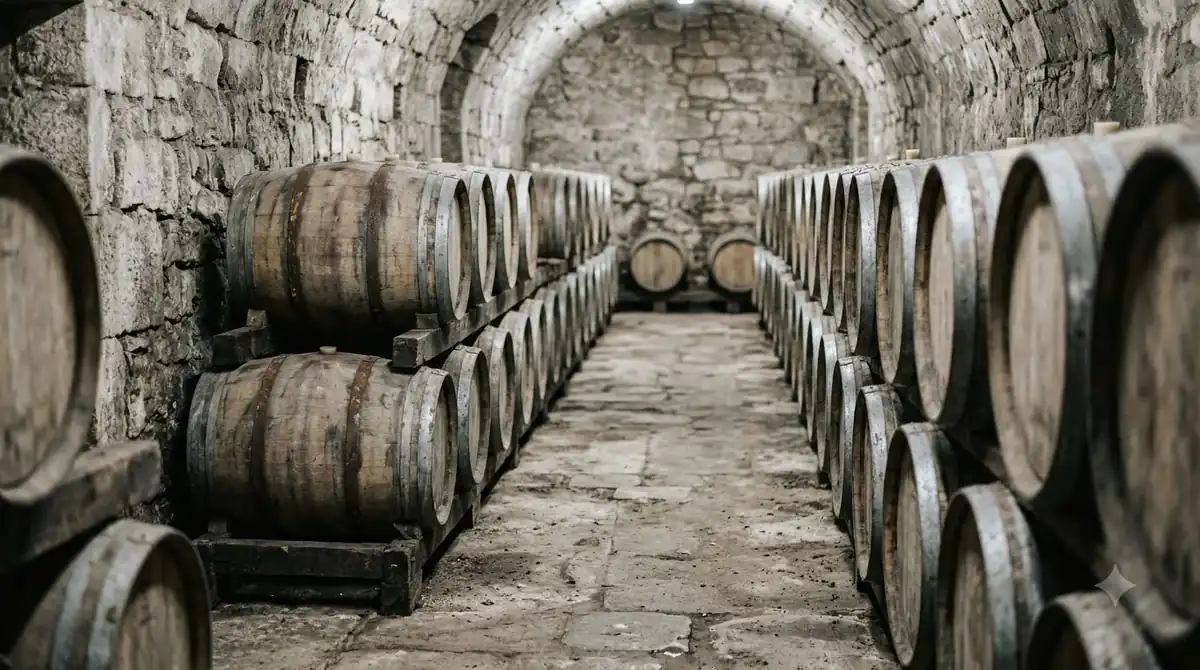
Dry farming means growing grapes without routine artificial irrigation. Instead, vines depend primarily on natural rainfall and moisture retained in the soil. In Maule’s Mediterranean climate, this approach is possible in established vineyard sites where growers understand local rainfall patterns, soil conditions, and the needs of mature vines.
Many traditional vineyards use bush training, also called head training. Instead of growing along a continuous trellis, individual vines develop a compact structure with branches extending outward from a central trunk. This approach is particularly associated with older País and Carignan vineyards in the interior.
Older vines can have extensive root systems and may produce relatively modest crops under particular growing conditions. However, vine age alone does not guarantee quality. Vineyard health, fruit condition, farming decisions, and winemaking are equally important considerations when assessing a bottle.
The VIGNO Movement
An important development in Maule’s modern wine identity is VIGNO, short for Vignadores de Carignan. This producer collective was established in 2010 to bring attention to old-vine Carignan and traditional dry-farmed vineyards in the region.
VIGNO provides a shared identity for producers working with Maule’s heritage Carignan. Its requirements connect the grape variety with traditional vineyard practices rather than treating Carignan as simply another international red grape.
Viña Undurraga describes VIGNO as a collective of 17 wineries and specifies that wines carrying the designation must contain at least 85% Carignan and undergo at least 24 months of aging. These requirements distinguish the designation from a generic regional Carignan bottling.
| VIGNO requirement | Minimum standard |
|---|---|
| Carignan in the wine | 85% |
| Aging period | 24 months |
| Formation of the collective | 2010 |
| Participating wineries described by Undurraga | 17 |
The revival of old vineyards also has an agricultural and economic dimension. Greater recognition for heritage grapes can create stronger demand for fruit from small growers, encouraging the preservation of traditional vineyard sites. This is particularly important for old País and Carignan plantings that might otherwise be replaced by more commercially familiar varieties.
Individual producers interpret these grapes in different ways. Some emphasize fresh fruit and restrained extraction, while others favor greater concentration and oak maturation. The resulting wines demonstrate how a traditional variety can offer several expressions without losing its regional identity.
Undurraga’s VIGNO producer information provides a specific example of the designation, including vineyard location, training methods, aging requirements, and tasting characteristics.
Important Maule Vineyard Districts and Producers
Maule’s wine-growing landscape includes several districts with different grape-growing traditions and vineyard characteristics. Cauquenes is especially associated with old Carignan and País, while Loncomilla, Villa Alegre, and San Javier are important areas for understanding the region’s traditional red wines. Exploring these distinctions helps explain why wines carrying the same regional designation can taste quite different.
Cauquenes
Cauquenes is among the most recognized areas for old-vine Carignan. Its traditional vineyards include dry-farmed bush vines and sites associated with granitic soils. The wines can combine red fruit, savory notes, bright acidity, and firm tannins.
The surrounding countryside is particularly relevant to producers interested in preserving Chile’s historic vineyard landscape. Some operations source grapes from small parcels that have remained in family farming systems for generations. These vineyards can offer a different perspective from larger, mechanically managed commercial properties.
Sauzal and Melozal
Sauzal is another important location for traditional Carignan. The area is associated with historic dry-farmed vineyards and growers who have supplied grapes for the region’s increasingly recognized heritage wines.
Melozal also contributes to Maule’s Carignan identity. Its vineyard landscape provides additional opportunities for producers to work with older vines and create wines that emphasize freshness and regional character. Scientific research on Carignan in Maule has included vineyards in Melozal, demonstrating that differences between individual locations can influence grape composition.
Loncomilla, Villa Alegre, and San Javier
These Maule districts are important for understanding the broader distribution of traditional grape varieties. Loncomilla has an established association with Carignan, while Villa Alegre and San Javier contribute to the region’s varied red-wine production.
Research published in the Chilean Journal of Agricultural Research examined Carignan vineyards in Loncomilla and other Maule locations, finding that local climate and soil conditions affected several measured grape compounds. This provides scientific support for the importance of vineyard location when evaluating regional wines.
Talca and the Wider Maule Landscape
Talca serves as a useful reference point for exploring central Maule. The surrounding wine-growing landscape includes both traditional agricultural areas and larger commercial vineyards. It provides a broader picture of the region than focusing exclusively on its old-vine interior districts.
For wine travelers, understanding the distances between vineyard areas is important. Maule is geographically extensive, and visiting Cauquenes, San Javier, and the more elevated eastern sites involves different routes and landscapes. Planning visits around specific producers and vineyard locations is more practical than assuming all wineries are concentrated in one town.
Producers worth researching include Garage Wine Co., Gillmore, Bouchon Family Wines, Undurraga, Odfjell, and Miguel Torres. Their involvement in Maule provides several starting points for exploring both traditional and contemporary regional styles.
How Maule Wines Taste and What to Eat With Them
Maule wines cover a broad range of styles, but their most distinctive examples often combine ripe fruit with freshness and savory complexity. Carignan is known for its lively acidity and red-fruit character, while País can be lighter and more rustic. Cabernet Sauvignon and Carménère generally offer fuller structures and darker fruit flavors.
Understanding the Regional Red Wines
Carignan is an excellent starting point for discovering Maule. Look for red cherry, raspberry, plum, dried herbs, and savory spice. The acidity can make the wine feel energetic, while its tannins provide enough structure for substantial meals.
País offers a contrasting experience. Lighter examples can show fresh red berries and relatively gentle weight, making them suitable for casual meals. More concentrated versions may have earthier flavors, firmer tannins, and a rustic character.
Cabernet Sauvignon generally has higher tannins and a fuller structure. Merlot is usually softer, while Carménère offers ripe dark fruit and characteristic spice. These differences are useful when choosing a bottle for a particular dish or occasion.
Food Pairings for Maule Wine
Carignan pairs especially well with grilled and roasted meats. Chilean-style ribs, grilled beef, roasted lamb, and dishes seasoned with herbs and moderate spices complement its fruit and acidity. Its freshness can also balance richer preparations containing olive oil or other fats.
País is a flexible choice for grilled chicken, roasted vegetables, sausages, and traditional country-style dishes. Lighter examples can work particularly well with tomato-based preparations and meals that do not require a highly structured red wine.
Cabernet Sauvignon suits beef, lamb, and other protein-rich dishes that can soften its tannins. Merlot works well with roast pork, mushroom dishes, and moderately rich preparations. Carménère is a natural companion for grilled meats and dishes featuring roasted peppers or savory herbs.
White wines from Maule offer additional pairing possibilities. Sauvignon Blanc works well with shellfish, fresh salads, and dishes containing citrus or herbs. Chardonnay can complement roast chicken, creamy vegetable preparations, and grilled seafood.
Serving Temperatures and Storage
Serving temperature has a noticeable effect on the aromas and structure of wine. A light País is generally more enjoyable slightly cool, while a structured Carignan or Cabernet Sauvignon benefits from a little more warmth.
Use the following temperatures as practical starting points:
- Light red wines, including lighter País: 55–60°F.
- Full-bodied red wines, including Cabernet Sauvignon: 60–65°F.
- Light white wines, including Sauvignon Blanc: 45–50°F.
- Fuller-bodied Chardonnay: 50–55°F.
For storage, keep unopened bottles on their sides in a cool, dark location near 55°F, avoiding frequent temperature changes. A standard 750 ml bottle provides approximately five 5-ounce glasses. After opening, refrigerate still wines and generally aim to enjoy them within three to five days.
Young, full-bodied Carignan and Cabernet Sauvignon may benefit from 30 to 60 minutes of decanting, particularly when their tannins are pronounced. Lighter País generally needs less aeration and can be served shortly after opening.
For readers interested in comparing Maule with other wine-growing regions, our articles on Uruguay vineyards and Chianti Classico vineyards provide useful examples of how regional geography and grape traditions influence wine styles.
Frequently Asked Questions
Is Maule one of the oldest wine-growing areas in Chile?
Yes. Maule forms part of Chile’s historic wine-growing heartland, with traditional vineyards connected to the country’s colonial viticultural history. The region’s heritage varieties, especially País, preserve an important link to early Chilean wine production.
What does the Spanish word Secano mean in Maule vineyard terminology?
Secano refers to dry-farmed agricultural land, where crops depend on rainfall rather than routine irrigation. In Maule, the term is particularly associated with traditional interior vineyards and their established bush-trained vines.
What is País Salvaje wine?
País Salvaje, meaning Wild País, is associated with wines made from unmanaged or unusually trained País vines. One notable example is Bouchon’s País Salvaje, which uses grapes from wild-looking vines that grow among natural scrub vegetation and require ladder-assisted harvesting.
Can Maule Carignan age in the bottle?
Yes. Structured examples can develop additional complexity with bottle age. Their acidity and tannins provide a foundation for development, although the ideal drinking window depends on fruit concentration, vineyard conditions, vintage, and winemaking decisions.
How far is Maule wine country from Santiago?
Maule is located south of Santiago, with Talca serving as one of the main reference points for reaching the region. The drive to individual vineyard districts varies considerably, particularly when traveling farther south toward Cauquenes or west toward the coastal hills.
Maule vineyards offer a fascinating combination of Chilean wine history, old-vine agriculture, and contemporary winemaking. From fresh País to structured Carignan and Cabernet Sauvignon, the region provides a diverse selection of wines shaped by its distinctive landscapes and climate. Exploring Maule is an excellent way to discover the heritage grapes and traditional vineyard practices that continue to influence Chilean wine today.
More in Wine Regions
 Willcox Wine Trail: Discover Arizona’s High-Elevation Wine CountryUpdated Nov 20, 2026
 Yakima Valley Wine Region: Find the Best Styles to TryUpdated Nov 20, 2026
 Vosne Romanee Wine Tasting: Identify Aromas and Choose Better PairingsUpdated Nov 20, 2026
 Yakima Valley Wine Festival: Find the Best Seasonal Wine EventsUpdated Nov 20, 2026
 Wales Vineyards: Discover Cool-Climate Wines and Where to VisitUpdated Nov 20, 2026
 Yountville Wine Festival: Discover Napa Wines and Local FoodUpdated Nov 20, 2026