

We may earn a commission when you buy through links on this page, at no extra cost to you. Learn more.
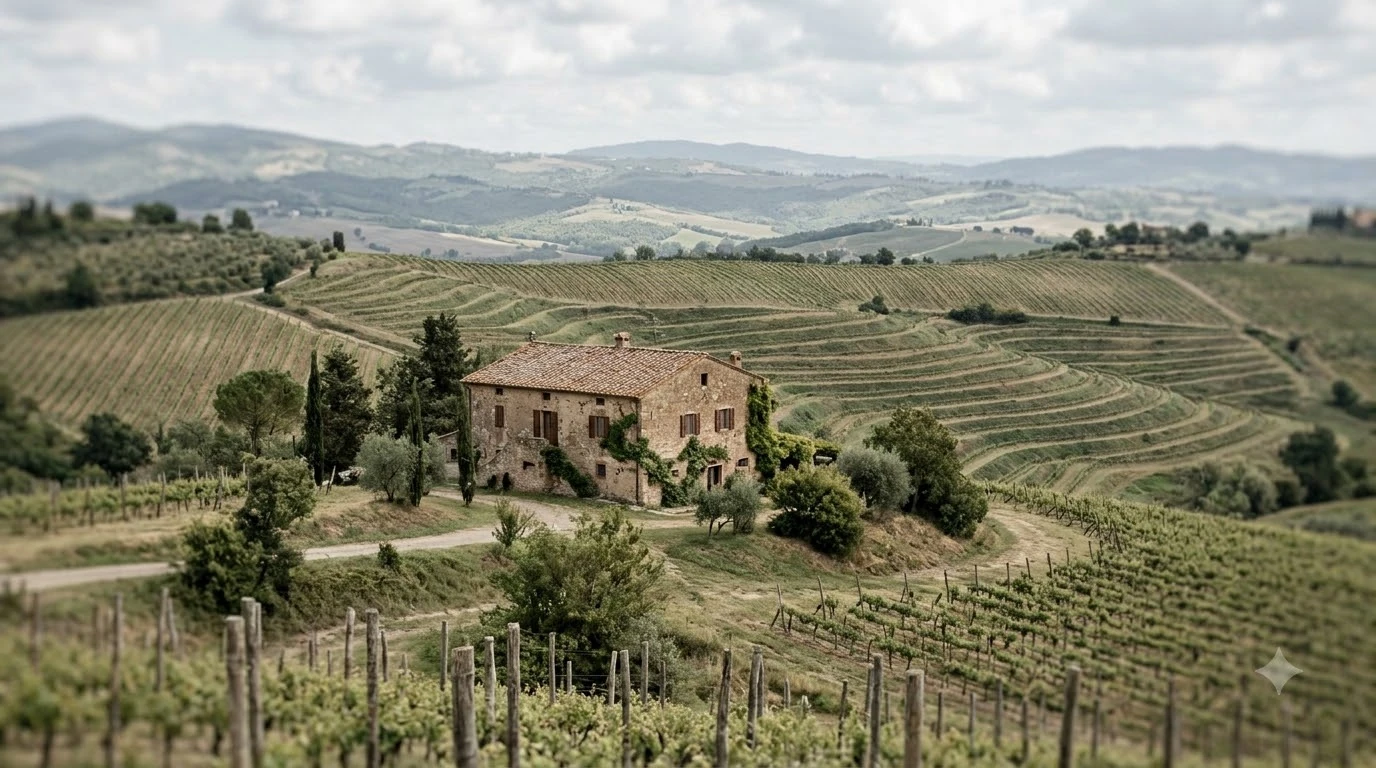
The maryland wine region encompasses four distinct grape-growing areas: Western Maryland, the Piedmont Plateau, Southern Maryland, and the Eastern Shore, each producing wines shaped by its climate, soils, and grape varieties. This East Coast wine destination combines a winemaking history dating to 1648 with a modern industry focused on Cabernet Franc, Chardonnay, Vidal Blanc, Albariño, and other grapes. Its vineyards range from mountain slopes and limestone-influenced hillsides to sandy coastal farmland, creating a wider variety of wine styles than many visitors expect.
Maryland is an interesting place to explore American wine because its producers work with several different growing environments rather than relying on one dominant grape or a single regional style. Some wineries concentrate on structured Bordeaux-inspired reds, while others specialize in aromatic whites, refreshing rosés, traditional hybrid varieties, and sweeter wines. Understanding the state’s four growing areas makes it easier to recognize what distinguishes Maryland wine and decide which bottles and vineyard destinations deserve attention.
Maryland’s Wine History and American Viticultural Areas
Maryland’s wine history began long before its modern winery industry developed. Colonial grape-growing experiments, nineteenth-century American viticulture, and the arrival of commercial wineries in the twentieth century helped establish the foundation for the state’s contemporary wine culture.
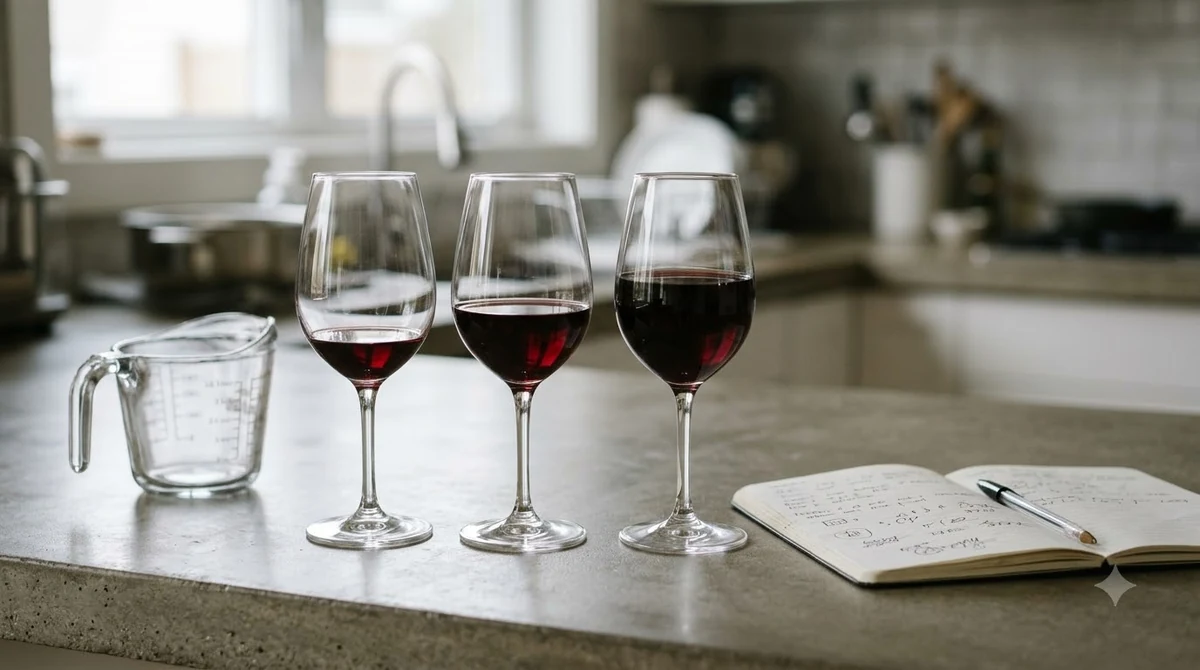
The Maryland Wineries Association records the earliest documented instance of winemaking in the state in 1648, attributing it to Tenis Palee. In 1662, Governor Charles Calvert planted 200 acres of European grapes on the eastern bank of the St. Mary’s River. These early efforts demonstrate that wine production was part of Maryland’s agricultural history well before the modern American wine industry took shape.
Another important figure was John Adlum, a resident of Havre de Grace who wrote an American book on viticulture and winemaking in 1823. His work contributed to early discussions about growing grapes and producing wine in the United States. Maryland subsequently developed a reputation as an important center for American grape-growing knowledge.
The modern commercial industry gained an important foundation through Philip Wagner. A Baltimore Sun columnist, Wagner published American Wines and How to Make Them in 1933. His writing helped popularize practical winemaking knowledge, including the use of French-American hybrid grapes that could perform better than many traditional European varieties under challenging East Coast conditions.
Boordy Vineyards opened in Riderwood in 1945 as Maryland’s first bonded winery. Its establishment represents an important milestone in the development of commercial wine production in the state. Rather than depending entirely on imported wines or home winemaking, Maryland was developing a recognizable local wine industry.
The state’s American Viticultural Areas, or AVAs, provide another important part of its identity. An AVA is a federally recognized grape-growing region distinguished by geographical characteristics such as climate, soil, elevation, and topography. Maryland has three AVAs associated with its wine industry:
- Linganore AVA: Established in 1983, this region is associated with the Mount Airy area.
- Cumberland Valley AVA: Established in 1985, this growing area extends across Maryland and Pennsylvania.
- Catoctin AVA: Established in 1987, this region is associated with the Catoctin mountain area.
These AVAs are distinct from the state’s four broader grape-growing regions. The four regions describe larger agricultural and climatic areas, while an AVA identifies a specific legally recognized wine-growing area. The distinction is useful when comparing regional wine identities and understanding American wine labels.
For a broader introduction to American wine geography, the Wine Regions overview provides useful context for understanding how growing areas, appellations, and grape-growing conditions shape wine styles.
The Four Main Maryland Wine-Growing Regions
Maryland’s four growing regions have different combinations of elevation, soil, rainfall, and temperature. These differences influence which grape varieties thrive and how growers manage the challenges of each vineyard site.
According to the Maryland Wine 2025 Vintage Report, the four regions are Western Maryland, the Piedmont Plateau, Southern Maryland, and the Eastern Shore. The report emphasizes that the same grape variety can develop noticeably different characteristics depending on where it grows within the state.
| Region | Main growing characteristics | Growing advantage | Main challenge |
|---|---|---|---|
| Western Maryland | Mountain terrain and higher elevation | Cooler conditions and longer ripening periods | Winter injury and crop loss |
| Piedmont Plateau | Rolling hills, varied elevations, and limestone-based soils | Moderated temperatures and reduced frost exposure on suitable slopes | Cold-weather risks at higher elevations |
| Southern Maryland | Warm summers and heavier soils in some locations | Reliable ripening for many grape varieties | Heat, humidity, and fungal disease |
| Eastern Shore | Sandy soils and Chesapeake Bay influence | Drainage and moderated winter temperatures | Limited elevation and temperature extremes |
Western Maryland benefits from elevation, which can moderate temperatures and extend the ripening season. However, higher elevations also expose vines to winter injury and the possibility of reduced crops. Growers therefore need varieties capable of handling colder conditions and a comparatively shorter growing season.
The Piedmont Plateau offers a different combination of conditions. Elevation and slope orientation can reduce late-spring frost exposure while helping moderate summer temperatures. Limestone-based soils are also common in parts of this region, making site selection especially important when deciding which varieties to plant.
Southern Maryland has warmer summers and relatively moderate winter low temperatures. This combination can help many varieties reach full ripeness, but heat and humidity create additional pressure from fungal diseases. Heavy soils and high water tables in some locations can also encourage excessive vine growth and affect fruit quality.
The Eastern Shore has a maritime influence from the Chesapeake Bay. Mild winters, sandy soils, and good drainage provide several advantages, particularly for managing excess soil moisture. The region’s relatively flat landscape, however, provides fewer opportunities to use elevation to moderate temperature extremes.
These differences explain why a Maryland wine label should not automatically be associated with one flavor profile. A cooler mountain vineyard and a warmer coastal vineyard can produce very different expressions of the same grape.
Maryland’s Signature Grapes and Wine Styles
Maryland produces a broad selection of red and white wines, including familiar European varieties and French-American hybrids. Cabernet Franc, Merlot, Chardonnay, Vidal Blanc, and Petit Verdot are particularly useful starting points for understanding the state’s modern wine production.
The Maryland Wine 2025 Vintage Report identifies Chardonnay, Pinot Gris or Pinot Grigio, Sauvignon Blanc, and Vidal Blanc among the state’s established white varieties. These grapes offer different approaches to acidity, body, aroma, and winemaking style.
White grapes
Chardonnay is one of the most versatile white varieties grown in Maryland. Depending on the vineyard and winemaking approach, it can produce fresh, fruit-driven wines or richer versions with oak influence. Its naturally moderate acidity makes it suitable for a range of food pairings, from roasted poultry to creamy seafood dishes.
Vidal Blanc is a French-American hybrid that has an established place in East Coast viticulture. It can produce crisp dry wines as well as sweeter styles. Its versatility makes it useful in a region where growers must balance humidity, seasonal variation, and the practical requirements of vineyard management.
Pinot Gris offers another approachable option. It generally produces wines with fresh fruit characteristics and a medium-bodied palate, although the exact profile depends on harvest timing and cellar decisions.
Sauvignon Blanc is attractive to drinkers who prefer pronounced acidity and aromatic freshness. Its natural character can complement Maryland’s varied growing environments, particularly when growers aim to preserve freshness rather than emphasize weight and richness.
Albariño and Grüner Veltliner are also emerging varieties. Albariño is especially interesting because its association with maritime growing conditions makes it a promising choice for vineyards dealing with humidity and coastal influences.
Red grapes
Cabernet Franc is one of the most recognizable red grapes in Maryland. It can produce aromatic wines with red fruit, herbal notes, and moderate tannin. Compared with Cabernet Sauvignon, it often has a softer structure and can be more approachable when young.
Merlot is another important variety. Its softer tannins and medium body make it appealing to drinkers who enjoy rounded reds without the firm structure of a young Cabernet Sauvignon. Depending on the producer, Maryland Merlot can be bottled independently or included in a regional blend.
Petit Verdot is useful for producing deeper-colored wines with substantial tannin and structure. It is also a valuable blending grape, contributing intensity and firmness to wines made with other Bordeaux varieties.
Barbera offers a different red-wine profile, often combining bright acidity with ripe fruit. It can work particularly well with tomato-based dishes and grilled foods.
Chambourcin is a French-American hybrid that has become familiar in eastern American wine regions. It can produce red wines with generous fruit, moderate structure, and a style that varies according to vineyard conditions and winemaking decisions.
Other emerging varieties include Malbec, Teroldego, Sagrantino, Tempranillo, and San Marco. This experimentation reflects Maryland’s willingness to explore grape varieties that can adapt to local growing conditions rather than restricting production to a short list of internationally familiar grapes.
Tip: When choosing a first Maryland bottle, start with Cabernet Franc if you enjoy aromatic, medium-bodied reds, Vidal Blanc if you prefer crisp whites, or Albariño if you want a refreshing wine with maritime character.
Climate, Soils, and the Challenges of Growing Grapes
Maryland’s climate allows several grape varieties to ripen successfully, but its humid summers and unpredictable seasonal weather make vineyard management demanding. The combination of rainfall, heat, frost, and disease pressure means that vineyard location and grape selection are essential to producing consistent fruit.
One of the biggest challenges is humidity. Unlike many dry-climate wine regions, Maryland growers must pay close attention to fungal diseases that can develop during wet periods. The Maryland Wine 2025 Vintage Report identifies Phomopsis, black rot, downy mildew, powdery mildew, Botrytis, sour rot, and ripe rot among the diseases affecting vineyards.
These problems can damage leaves, shoots, and fruit, reducing both crop quantity and quality. Growers must manage canopy density, monitor weather patterns, and maintain suitable vineyard conditions throughout the growing season. Choosing grape varieties suited to the local environment is equally important.
Spring frost is another concern. Grapevines can begin developing buds during warmer spring conditions, leaving vulnerable young growth exposed if temperatures fall again. Vineyard elevation and slope orientation can influence how cold air moves through a site, making topography an important consideration when establishing new plantings.
Winter temperatures also affect variety selection. Western and northern vineyards generally have stronger reasons to consider cold-hardy grapes and varieties that ripen within shorter growing seasons. Southern and eastern producers can work with later-ripening varieties that benefit from longer periods of warmth.
Soil composition adds another layer of variation. Limestone-based soils in the Piedmont Plateau differ from the sandy soils found on the Eastern Shore. The latter can provide useful drainage, while heavier southern soils may require careful management to avoid excessive vine vigor.
Maryland’s growing conditions are also influenced by the Chesapeake Bay. The water moderates some temperature extremes, particularly along the Eastern Shore, and can reduce the risk of late-spring frost. However, the maritime environment does not remove the challenges associated with summer humidity and rainfall.
Vintage variation is therefore an important part of the region’s identity. The 2025 growing season, for example, included persistent rainfall during June bloom and early July fruit development, followed by warmer, drier conditions from veraison through harvest. That shift affected fruit development and harvest timing across the state.
For consumers, this means that wines from different vintages can have noticeably different levels of ripeness, concentration, and acidity. Producers who pay close attention to site selection and vineyard management are better positioned to respond to those changing conditions.
How to Taste, Choose, and Pair Maryland Wines
The best way to understand Maryland wine is to compare different grape varieties and styles side by side. A tasting that includes Cabernet Franc, Chardonnay, Vidal Blanc, and a hybrid red can reveal how much variety exists within the state’s wine industry.
Start with white wines if you want to understand freshness and acidity. Chardonnay is a good choice for someone who prefers a more familiar international variety, while Vidal Blanc provides an opportunity to explore a grape particularly associated with eastern American wine production. Albariño and Sauvignon Blanc are useful alternatives for drinkers who prefer lively acidity and aromatic fruit.
For red wine, Cabernet Franc is a natural introduction. Its medium structure and aromatic profile make it flexible at the table. Merlot is a softer alternative, while Petit Verdot is better suited to drinkers who enjoy firmer tannins and more concentrated red-wine styles.
Food pairing should take the wine’s structure into account rather than focusing only on the grape name. Acidic wines generally work well with dishes that have similar or higher acidity. Salt and fat can soften the perception of tannin, while very spicy dishes can make wines with high alcohol and tannin seem hotter and more aggressive.
Pairing ideas for Maryland wines
- Chardonnay: Pair with roasted chicken, crab cakes, creamy pasta, or grilled fish. Oak-aged examples can complement richer preparations.
- Vidal Blanc: Serve with Chesapeake Bay seafood, fresh salads, mild cheeses, or lightly seasoned poultry.
- Albariño: Match with oysters, shrimp, grilled white fish, and lemon-seasoned seafood.
- Cabernet Franc: Pair with grilled pork, roast turkey, mushrooms, or herb-seasoned lamb.
- Merlot: Serve alongside burgers, roast beef, meatloaf, or dishes with savory sauces.
- Petit Verdot: Match with grilled steak, braised beef, or aged hard cheeses.
- Barbera: Its acidity makes it a natural partner for tomato-based pasta, pizza, and roasted vegetables.
- Chambourcin: Pair with barbecue, smoked meats, grilled sausages, or hearty vegetable dishes.
Temperature makes a noticeable difference when serving these wines. Light whites and rosés are best served around 45–50 F, while fuller-bodied whites generally show better around 50–55 F. Light reds benefit from a slightly cool serving temperature of 55–60 F, and fuller reds can be served around 60–65 F.
Young, structured Maryland reds may benefit from 30–60 minutes of decanting, particularly when they have substantial tannin or oak influence. This can help soften their initial presentation and allow their aromas to develop.
For storage, keep unopened bottles on their sides in a reasonably consistent environment near 55 F, away from sunlight and major temperature fluctuations. Once opened, refrigerate still wines and aim to finish them within approximately three to five days for the best freshness.
Maryland also produces wines with different sweetness levels. If choosing a bottle for dessert, select a wine at least as sweet as the dish. A sweeter Vidal Blanc or fruit-based wine may work better with dessert than a dry, tannic red.
Maryland Wine Tourism and the Best Places to Explore
Maryland wine tourism offers opportunities to visit working vineyards, tasting rooms, and small agricultural wineries across several different landscapes. Visitors can organize trips around the Frederick area, Baltimore County, Southern Maryland, or the Eastern Shore, depending on their preferred wine styles and travel plans.
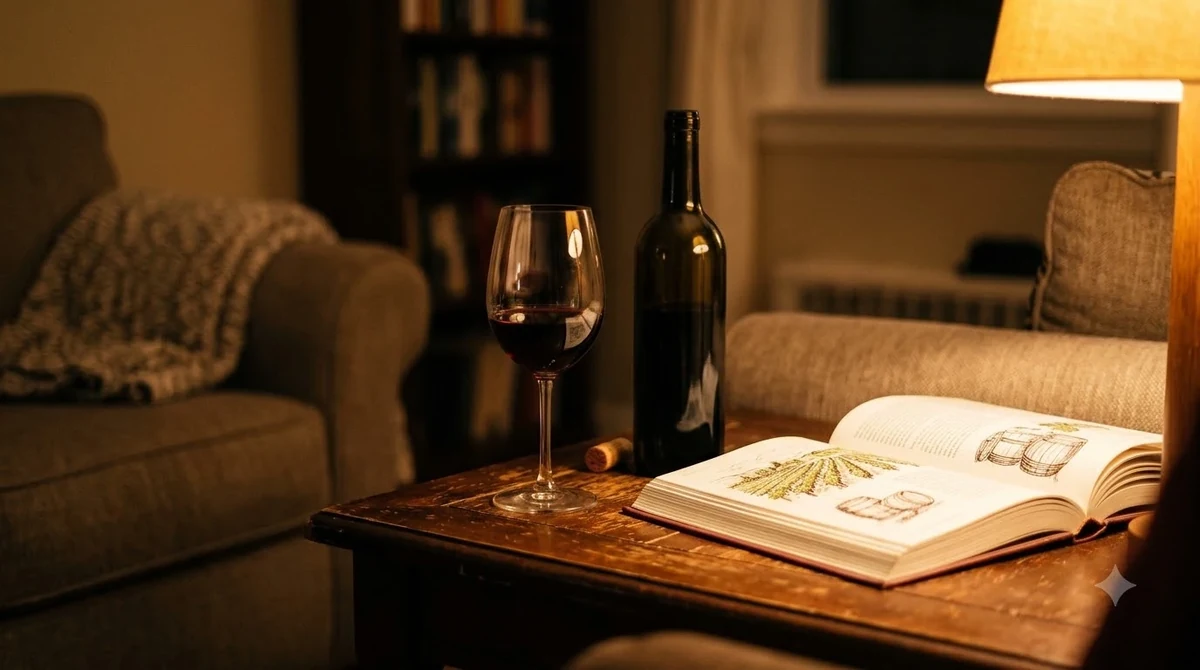
The Piedmont Plateau and Frederick County are particularly useful starting points for visitors interested in exploring several wineries within a relatively compact area. The surrounding countryside includes rolling hills, established vineyards, and producers working with both European and hybrid varieties.
Frederick County and the Piedmont area
Linganore Winecellars is an important name in Maryland wine history. Located near Mount Airy, the winery is associated with the Linganore AVA and has a broad range of wines made from different grape varieties. Its location makes it a convenient stop for visitors exploring the central part of the state.
Black Ankle Vineyards in Mount Airy is another notable destination. Its vineyard setting and emphasis on site-specific wines make it a useful introduction to Maryland’s modern approach to wine production.
Elk Run Vineyards is also located in the Mount Airy area and offers visitors an opportunity to explore wines produced in the Piedmont countryside. The winery’s long-standing presence contributes to the area’s established wine culture.
Links Bridge Vineyards in Thurmont provides another perspective on small-scale Maryland viticulture. Its vineyard focuses on a selection of grape varieties suited to its local growing conditions.
Baltimore County and historic wineries
Boordy Vineyards in Hydes is an important destination for anyone interested in the history of Maryland wine. Founded in 1945, it represents the beginning of the state’s modern bonded-winery industry. Its location northeast of Baltimore makes it a practical destination for visitors staying in the city.
These wineries provide different perspectives on the Piedmont growing environment. Comparing their wines can help visitors understand how vineyard location, grape selection, and winemaking decisions influence the final product.
The Eastern Shore and Southern Maryland
The Eastern Shore offers a different vineyard environment, with sandy soils and the influence of the Chesapeake Bay. Bordeleau Vineyards and Winery in Eden is an example of a producer working in this coastal environment. The winery cultivates 12 grape varieties on 13 acres, according to its Maryland Wineries Association profile.
Southern Maryland also provides opportunities to explore wines produced in a warmer growing environment. Its vineyards can work with varieties that benefit from extended summer warmth, although growers must pay attention to humidity and disease management.
Visitors should plan winery trips around geography rather than trying to cover the entire state in one day. Two or three nearby tasting rooms generally provide a more relaxed experience than driving long distances between unrelated destinations.
It is also sensible to confirm tasting-room schedules and reservation policies before traveling. Smaller wineries may have limited opening hours, seasonal events, or appointment requirements. The Maryland Wineries Association’s historical overview of Maryland wine provides additional background on the people and milestones behind the state’s winery culture.
Travelers interested in comparing regional wine destinations outside the United States can also explore the Savoie wine region, where mountain vineyards create a very different growing environment, or the Tasmania wine region, known for its cool-climate conditions.
Frequently Asked Questions
Is Maryland considered an established wine-producing state?
Yes. Maryland has a long history of documented winemaking dating to the seventeenth century, and its modern commercial industry includes established wineries, vineyard associations, and federally recognized AVAs. The state’s wine identity is also supported by agricultural research and regional wine tourism initiatives.
Does Maryland produce sparkling wine?
Maryland producers can make sparkling wines, although sparkling wine is not the state’s defining specialty. The local industry has a broader focus on still red and white wines, hybrid varieties, rosé, and sweeter styles. Sparkling bottles are worth exploring when available, particularly for celebrations and seafood pairings.
Are Maryland wines made entirely from locally grown grapes?
Not necessarily. Maryland wineries can use different sourcing arrangements depending on their production model and the wines they make. Consumers specifically seeking estate-grown or Maryland-grown wines should look for clear vineyard and grape-origin information from the producer.
What does an AVA designation tell wine buyers about a bottle?
An AVA identifies the geographical origin of the grapes rather than guaranteeing a particular quality level or winemaking technique. Federal labeling rules generally require at least 85 percent of the grapes in an AVA-designated wine to come from that area. An AVA therefore provides useful origin information, but it does not mean every wine from the area will taste alike.
Can Maryland wineries ship wine directly to consumers?
Maryland enacted legislation allowing direct-to-consumer wine shipping in 2011. Shipping eligibility and procedures depend on the destination state’s laws, applicable permits, and the winery’s shipping arrangements. Buyers should confirm that a particular producer can legally ship to their address before placing an order.
The Maryland wine industry combines centuries of agricultural history with four distinct growing environments and an increasingly varied selection of grape varieties. Cabernet Franc, Chardonnay, Vidal Blanc, Albariño, and Petit Verdot provide excellent starting points for discovering what the state produces. Whether exploring the Piedmont hills, the western mountains, Southern Maryland, or the Eastern Shore, comparing wines from different growing areas is one of the most rewarding ways to understand Maryland’s place in American wine.
More in Wine Regions
 Willcox Wine Trail: Discover Arizona’s High-Elevation Wine CountryUpdated Nov 20, 2026
 Yakima Valley Wine Region: Find the Best Styles to TryUpdated Nov 20, 2026
 Vosne Romanee Wine Tasting: Identify Aromas and Choose Better PairingsUpdated Nov 20, 2026
 Yakima Valley Wine Festival: Find the Best Seasonal Wine EventsUpdated Nov 20, 2026
 Wales Vineyards: Discover Cool-Climate Wines and Where to VisitUpdated Nov 20, 2026
 Yountville Wine Festival: Discover Napa Wines and Local FoodUpdated Nov 20, 2026