


We may earn a commission when you buy through links on this page, at no extra cost to you. Learn more.
Martin Codax wine is an albariño from the Rías Baixas region of Galicia in Spain, known for dry, crisp white wine with citrus, stone fruit, and a saline finish. The style is light-bodied and high in acidity, so it works as an everyday white with seafood, fresh cheese, and vegetable dishes. Serve it cold, around 38 to 45°F, to keep those bright flavors in focus.
If you are new to the brand, this guide explains what the wine tastes like, where the grape comes from, how to serve it, and which foods bring out its best. It also shows how albariño compares with other white wines that many shoppers already know.
What Martin Codax wine is
Martin Codax is a white wine label built around albariño, a grape most closely linked with northwest Spain. The bottles come from the Rías Baixas wine region, and the wines follow the style that region is known for: fresh, dry, and aromatic, with a clear sense of place.
Many shoppers reach for the bottle as a dependable choice for a weeknight dinner or a casual seafood meal. Because the style is consistent from one vintage to the next, it also gives you a reference point. Once you know how a Martin Codax tastes, you can judge other albariños from different producers more easily.
Flavor and style of albariño
Albariño is an aromatic white grape with a light body. The Wine Folly albariño profile lists typical flavors as lemon zest, grapefruit, honeydew melon, and nectarine, often with a salty, saline edge. Some bottles show a faint bitterness, similar to green almond or citrus pith, which adds structure rather than harshness.
The wine has no tannins and high acidity, so it feels lively on the palate rather than heavy. Alcohol usually falls between 11.5% and 13.5% ABV, which makes it lighter than many oaked Chardonnays. That lower alcohol is one reason albariño is often chosen for lunch, patio sipping, and meals built around seafood.
Because the wine is dry and fresh, it can also work as an aperitif before a meal. Many people find it easier to drink in the early evening than a fuller red, and it offers a clean finish that resets the palate between bites.
Where the grape grows
The grape is grown in both Spain and Portugal, where it is called Alvarinho. Rías Baixas in Galicia is one of its two main homes, and the Val do Salnés area is often credited as its birthplace. Portugal’s Vinho Verde, particularly the Minho region, is the other major growing area.
Coastal climate matters here. Cool Atlantic air helps the grape hold on to acidity, which is why the wines taste fresh even in warmer years. Vineyards close to the sea also tend to produce wines with a more pronounced saline character, a trait many drinkers notice first.
The grape has also started to appear in California’s Central Coast, though in much smaller volumes than in its Iberian homeland. Plantings in new regions show how the variety adapts to different soils and temperatures, but the classic expression remains the one from the northwest Iberian coast.
How to serve Martin Codax wine
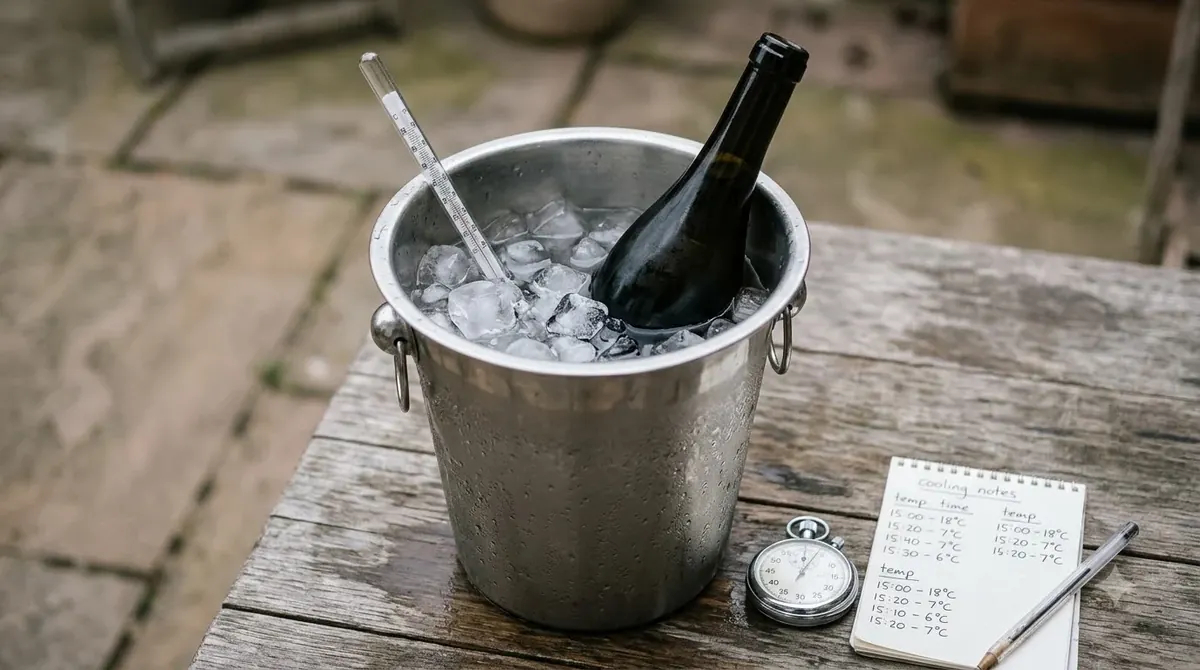
Serve it chilled, between 38 and 45°F. A glass that is too warm makes the wine taste flat and loses the citrus lift, while a glass that is too cold can mute the aromatics. A universal white wine glass works well, and the wine does not need decanting.
If the bottle has been sitting on a counter, move it to the refrigerator for at least two hours before pouring. Keep the rest of the bottle chilled between glasses so the temperature holds through the meal.
Once opened, a bottle is best finished within a day or two. The fresh, citrus-driven character fades over time, so a well-stoppered bottle kept in the refrigerator will taste brightest early on. Pour a little less at the start of the evening and top up from the chilled reserve as the meal goes on, which keeps each glass closer to its best temperature.
| Element | Albariño (Martin Codax style) | Oaked Chardonnay |
|---|---|---|
| Body | Light | Medium to full |
| Acidity | High | Moderate |
| Typical flavors | Citrus, green fruit, saline | Butter, vanilla, stone fruit |
| Serving temperature | 38 to 45°F | About 55°F |
Tip: Chill the glass as well as the bottle. A cold glass keeps the wine crisp for the whole pour.
Best foods to pair with albariño
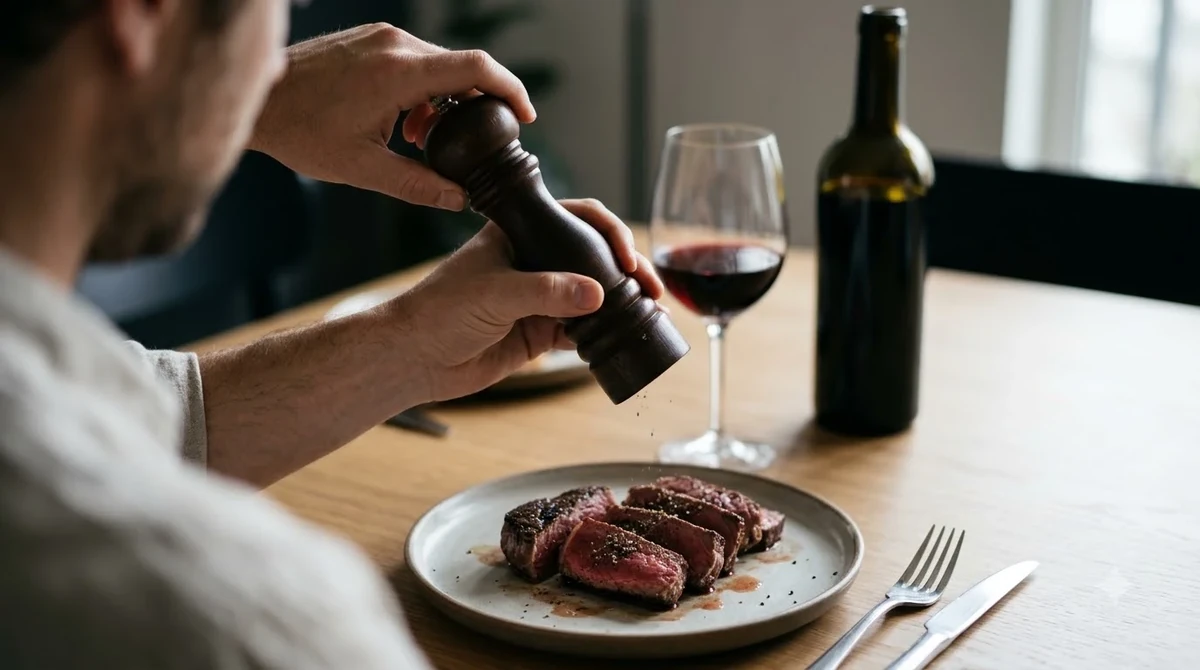
Albariño is most often matched with seafood. The Wine Folly grape profile suggests ceviche, seafood risotto, fish tacos, oysters, mussels, and clams. The wine’s acidity cuts through oil and salt, so it balances fried or grilled seafood well.
It also works with fresh cheeses such as burrata, Manchego, and feta, and with vegetables like asparagus, zucchini, and grilled padrón peppers. Salsa verde and a Caprese salad are other easy matches, especially in summer.
A simple dinner works best with this style. Grilled shrimp with lemon, a bowl of mussels in white wine, or a plate of fresh oysters each lets the wine’s citrus and salt come forward without competing with heavy sauces. When the meal leans toward rich, buttery dishes, a richer white may be a better match, while albariño stays a strong choice for lighter plates.
How to choose a bottle
Look for the words Rías Baixas on the label, since they signal the region and its production standards. The region’s rules are designed to protect the regional character of the wine, so the name on the label tells you more than a generic varietal name alone. Check the vintage date, because albariño is usually at its best while it is still fresh and young. If you want the most citrus lift, choose a bottle described as unoaked or fresh in style.
The producer’s own website and the back label are the best places to confirm the style of the specific bottle in your hand. Lighter, brisk bottles suit warm weather and seafood, while richer examples can handle heavier sauces. If you enjoy the same profile in other whites, you may also want to compare with Aveleda wine, another Portuguese white that shoppers often look at next.
Frequently Asked Questions
Is Martin Codax wine dry?
Albariño is generally made as a dry white wine, with fresh citrus and saline notes and no obvious sweetness in the typical style. Check the label or the producer’s notes for any sweetness indication on a specific bottle.
What does albariño taste like?
Expect lemon zest, grapefruit, and honeydew melon, often with a salty finish. The acidity keeps the wine lively even though the body is light.
Should Martin Codax wine be served chilled?
Yes. Serve it between 38 and 45°F so the citrus flavors stay bright and the wine does not taste flat or heavy.
What food goes best with albariño?
Seafood is the classic match, including oysters, mussels, ceviche, and fish tacos. Fresh cheeses and green vegetables also pair well with the style.
Martin Codax is a practical introduction to albariño for anyone who wants a fresh, food-friendly white. Start with a chilled glass alongside seafood, then compare it with other whites when you are ready to explore further. Keeping notes on which bottles you enjoyed with which dishes makes the next purchase much easier, and it helps you build a shortlist of albariños that match your own taste. For a broader look at how labels position their bottles, the wine brands guide is a useful next stop.
More in Wine Brands
 Underwood Wine Price: Compare Bottles, Cans, and Pack SizesUpdated Nov 21, 2026
 Zenato Wine Price: Compare Styles and Choose the Right BottleUpdated Nov 21, 2026
 Zuccardi Wine Price: Compare Bottles and Find the Right RangeUpdated Nov 21, 2026
 Yellow Tail Moscato Review: Taste, Sweetness and Serving TipsUpdated Nov 21, 2026
 Wolf Blass Yellow Label Review: Choose Your Best StyleUpdated Nov 21, 2026
 Wolffer Estate Rose Review: Choose the Right Bottle for Your TableUpdated Nov 21, 2026