

We may earn a commission when you buy through links on this page, at no extra cost to you. Learn more.
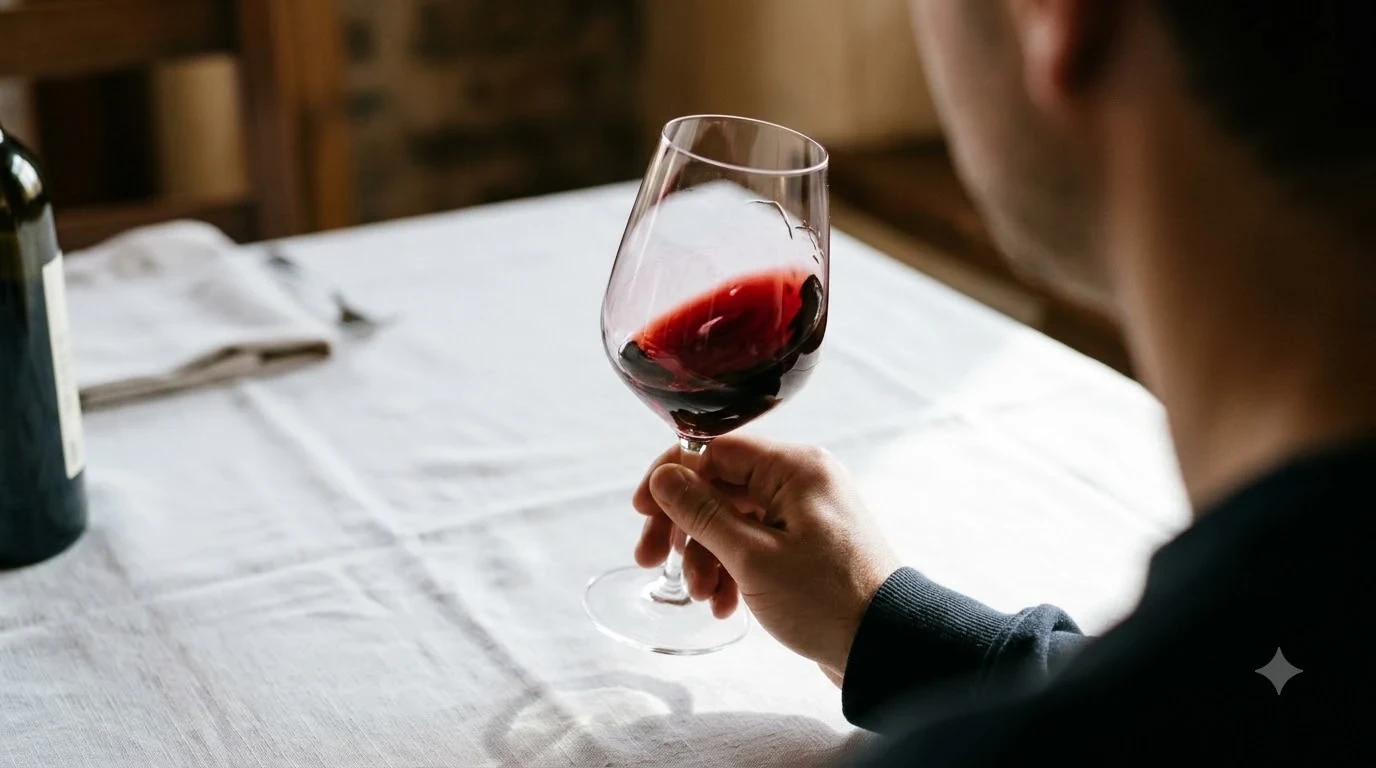
Marsala color comes in three main shades: ruby, gold and amber, and each one reflects a different grape base and style of wine. Ruby Marsala is made from red grapes and is rare, while gold and amber are the styles most often found in cooking. The amber shade comes largely from mosto cotto, a cooked grape must that is added to the wine.
Marsala is a fortified wine from the area around the Sicilian city of Marsala, in southern Italy. Its color is one of the first things people notice, and it helps explain why the wine appears in so many recipes. This guide covers the three color names, what causes each shade, how the colors relate to sweetness, and how to choose the right bottle for your kitchen or your glass.
The Three Marsala Colors
Marsala is sold under three color names, and each one has its own Italian term. Gold is called oro, amber is called ambra and ruby is called rubino. The names are used on the label and in the producer’s description, so they are the quickest way to tell which style you are buying.
Gold and amber are the most common. Wine Folly notes that gold and amber are the cooking styles, while ruby is rare, and some recipes call for it specifically. For a home cook, the choice between gold and amber usually comes down to the depth of flavor you want in the finished sauce.
What Gives Marsala Its Color
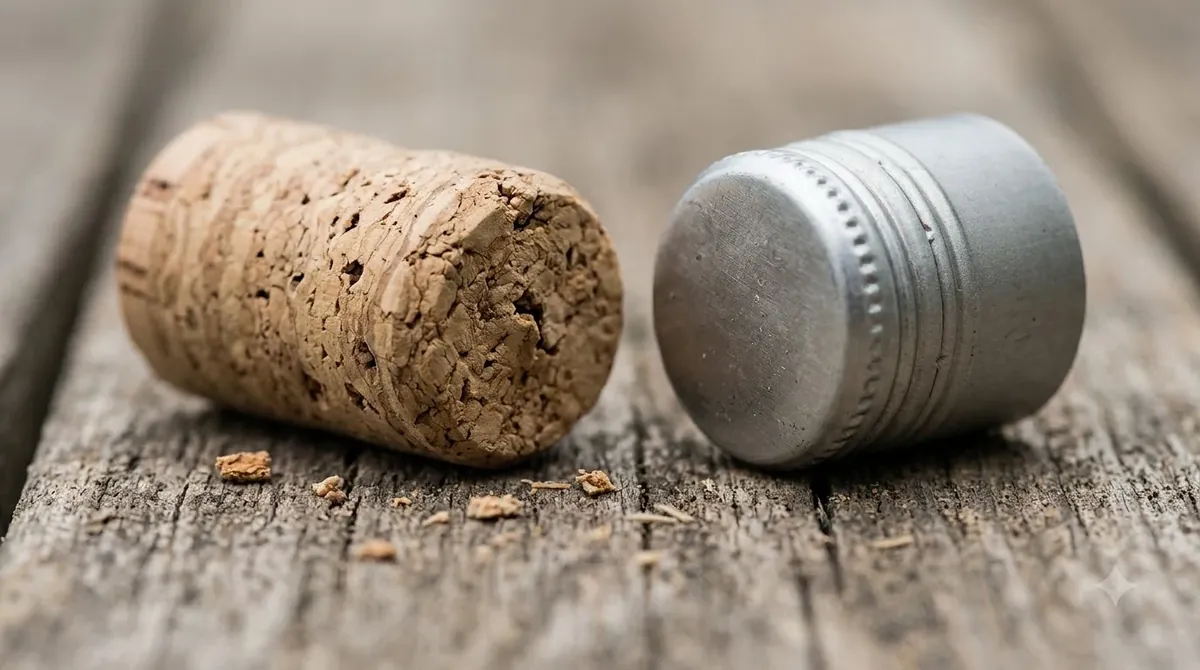
The base wine is made from Sicilian grapes, and the grape choice drives the color. Gold and amber Marsala are made from white varieties such as Grillo, Inzolia, Catarratto and Damaschino, while ruby Marsala is made from red grapes such as Perricone, Nero d’Avola and Nerello Mascalese. Since the base wine is white in the gold and amber styles, most of the color has to come from another source.
That source is mosto cotto, which is grape must that has been cooked down. According to Wine Folly, the must is cooked for about 36 hours, and it gives Marsala both its color and a caramel-like flavor. The added must is what moves the wine from pale gold toward a deeper amber. A producer who uses more mosto cotto will usually make a darker, sweeter bottle.
The wine is also fortified, which means a spirit is added to raise the alcohol and stabilize the wine. Wine Folly says the spirit is brandy or neutral grape spirit, usually made from regional grapes. That addition keeps the wine stable for long periods, which is part of why Marsala was historically shipped and stored for months before sale.
How Each Color Tastes
Color is a useful hint, but it does not tell the full story about sweetness. Marsala ranges from nearly dry to very sweet, and the color often follows the sweetness level. Gold and dry styles usually taste nutty and savory, while amber and sweet styles are richer and more caramelized.
Ruby Marsala is the least common style, and it tends to be made from red grapes with a fresher fruit character. Because it is rarely sold in ordinary shops, many cooks will never see it outside a specialty store. When a recipe asks for ruby, it is usually because the dish needs a bright, fruit-led note rather than the deeper flavor of the other two.
Taste also changes once the wine is cooked. Heat concentrates the sugars and softens the sharper edges, so a dry gold that tastes sharp in the glass can turn rounder in a pan sauce. This is why many cooks add Marsala early in the recipe and let it reduce, rather than adding a splash at the end. The reduction brings out the nutty and savory notes that the color hints at.
In a sipping style, the color often reflects age as well as sweetness. A pale gold wine that is young will show citrus and almond, while a deeper amber with several years behind it can show dried fruit, toffee and a smoky finish.
Tip: For a dish with mushrooms or chicken, a dry gold Marsala gives a savory base without much sweetness. For dessert-style sauces, pick a sweeter amber.
Marsala Styles and Aging
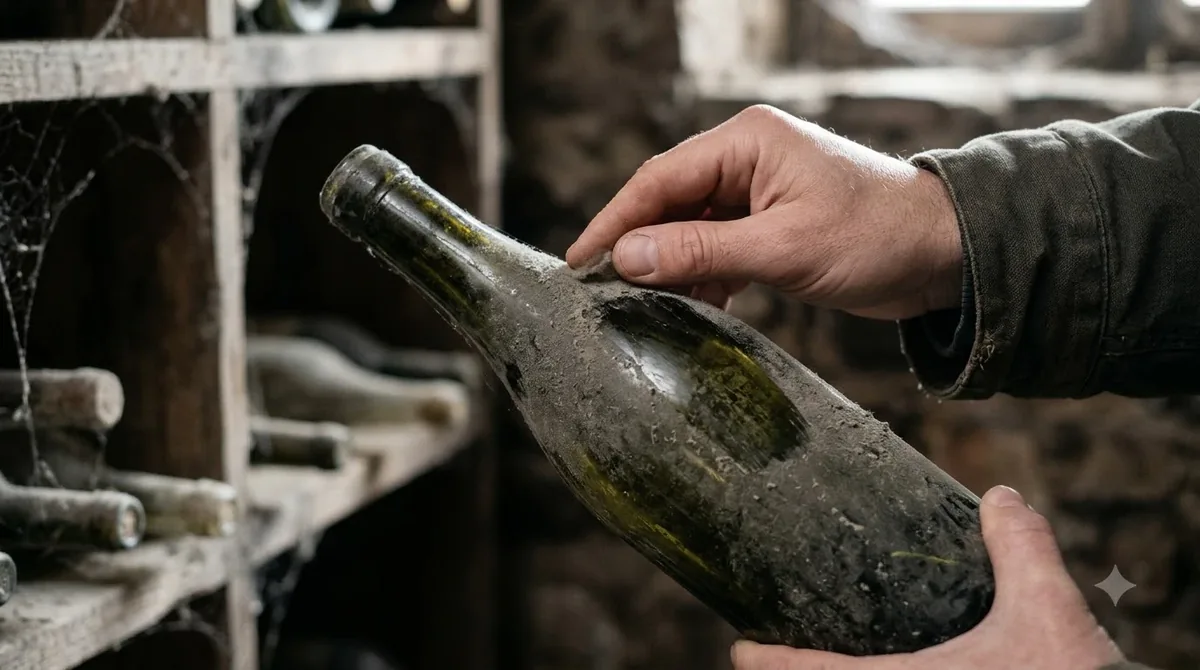
Beyond color, Marsala is sorted by age. Italian rules set minimum aging periods for each category. Fine is aged at least one year, Superiore at least two, and Superiore Riserva at least four. Vergine and Soleras are aged at least five years, and the Stravecchio and Riserva versions are aged at least ten years.
Older bottles are usually darker, more concentrated and more complex. A longer-aged Marsala has more depth, so it can be sipped after dinner, while a younger Fine or Superiore is better suited to cooking. Alcohol typically falls between 15 and 20 percent by volume, which is higher than most table wines.
The aging process for the top bottles uses the solera system, a method also used for sherry. Barrels are arranged in tiers, and wine is drawn from the oldest barrel and topped up from the younger ones. The result is a blend of several vintages that keeps a consistent style over time.
| Color | Italian name | Typical base | Best use |
|---|---|---|---|
| Gold | Oro | White grapes, such as Grillo and Inzolia | Cooking, dry sipping |
| Amber | Ambra | White grapes with mosto cotto for color | Cooking, sweeter sipping |
| Ruby | Rubino | Red grapes, such as Nero d’Avola | Rare, fruit-led recipes |
Choosing Marsala for Cooking and Drinking
The right bottle depends on what you are making or drinking. For most savory recipes, a dry gold or a Fine style is the best starting point. These wines add depth without making the sauce too sweet. Chicken Marsala, veal dishes and mushroom sauces are classic examples where a dry style works well.
For sipping, a sweeter amber or an aged Superiore Riserva makes a better choice. Serve it slightly cool, around 55 degrees Fahrenheit, which Wine Folly recommends. Sweet Marsala pairs well with dessert, aged cheese or a simple biscuit, and a small glass is usually enough.
Storage is simple. Once opened, Marsala keeps longer than most table wines when it is sealed and kept cool, since the added spirit helps protect it. Cooking bottles can be kept on a shelf, while a bottle you plan to sip slowly is best kept upright, away from light and heat. A small bottle is often the better buy, so that the wine is used before its flavors fade.
When you buy, look for the color name and the age category on the label. A bottle that says Fine or Superiore is usually sold for cooking, and an older bottle is more likely to be intended for drinking. If you are unsure, ask the shop staff which style suits your recipe.
Frequently Asked Questions
What is the difference between gold and amber Marsala?
Both are made from white grapes, but amber gets more of its color and flavor from mosto cotto, the cooked grape must. Amber is typically deeper and sweeter, while gold tends to be drier and more savory.
Is ruby Marsala common?
No. Ruby Marsala is made from red grapes and is rarely sold. Most shops stock gold or amber, and recipes that call for ruby are fewer than those calling for the other two.
Does the color of Marsala tell you how sweet it is?
Often, but not always. Darker amber styles tend to be sweeter, while gold styles are usually drier. Check the label for the sweetness level, since producers describe their wines in different ways.
Which Marsala should I buy for cooking?
A dry gold Marsala labeled Fine or Superiore works well for most savory recipes. It gives depth to sauces without adding too much sweetness.
Marsala color is a practical guide to the wine’s style, and it helps you choose the right bottle for a recipe or a glass. Gold for savory cooking, amber for richer sauces and sweeter sipping, and ruby for the occasional fruit-led dish. For more on how red wine color relates to grape and style, see the red wine color guide, or compare the cabernet franc wine profile. The Wine by Type section lists the main styles, including other fortified and white wines. For a deeper dive on how the wine is made and aged, the Wine Folly guide to Marsala is a good next read.
More in Wine Types & Grapes
 Zinfandel Sugar Content: Dry Red vs. White Zinfandel GramsUpdated Nov 21, 2026
 Best Zinfandel Substitute Options for Sipping and CookingUpdated Nov 21, 2026
 Zweigelt Food Pairing: Best Dishes, Cheeses, and Serving TipsUpdated Nov 21, 2026
 Zinfandel Tannins Explained: How Structure Shapes Every BottleUpdated Nov 21, 2026
 Zinfandel Sweetness Level: Dry Red vs. Sweet White Zin ExplainedUpdated Nov 21, 2026
 Xinomavro Food Pairing: Best Dishes, Styles, and Serving TipsUpdated Nov 21, 2026